
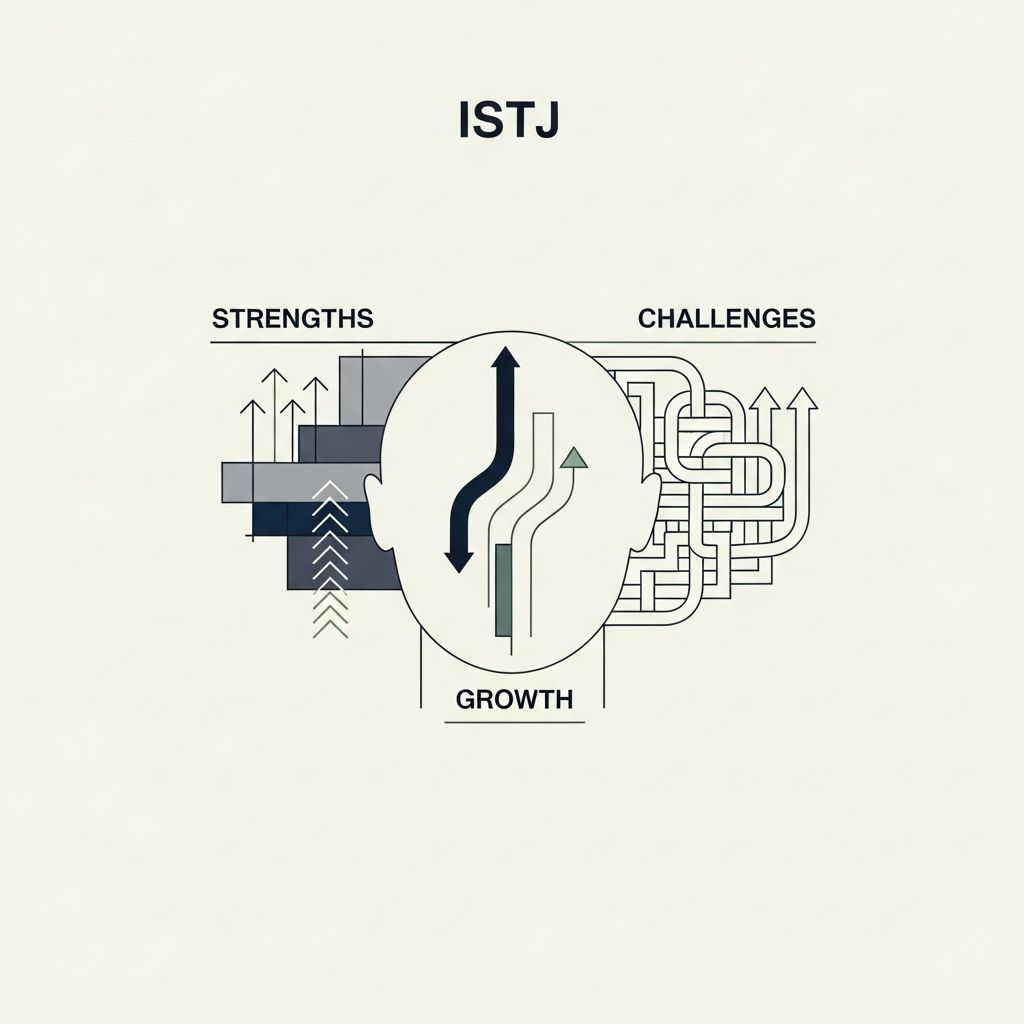
The ISTJ Mindset: Order, Duty, and Quiet Integrity
Among the sixteen personality types in the Myers-Briggs framework, the ISTJ—often called the Logistician—stands out for a quiet but powerful presence. ISTJs are not the loudest in the room, but they are often the ones ensuring that things run smoothly, that promises are kept, and that standards are upheld. Their inner world is shaped by a deep respect for facts, a strong sense of personal responsibility, and a preference for clear, predictable structures over ambiguity and improvisation.
At their core, ISTJs are guided by a personal code of integrity. They believe that actions speak louder than words and that doing the right thing matters more than being seen as impressive. This mindset makes them exceptionally dependable in both personal and professional settings, but it can also create internal and external tensions when the world around them is unpredictable, emotionally complex, or resistant to rules and routines.
How ISTJs Process the World
ISTJs are introverted, meaning they recharge through solitude and reflection rather than constant social interaction. They tend to think things through internally before speaking, which can make them appear reserved or even distant to others. This is not a lack of interest, but rather a preference for depth over breadth in relationships and conversations.
Their sensing preference means they focus on concrete, tangible information rather than abstract theories or hypothetical possibilities. They trust what they can see, hear, and verify through experience. When faced with a problem, an ISTJ is more likely to ask, “What has worked before?” than “What if we tried something completely new?” This grounding in reality makes them excellent at handling practical tasks and managing details.
When it comes to decision-making, ISTJs rely on thinking rather than feeling. They prioritize logic, fairness, and objective criteria over emotional considerations. This does not mean they lack emotions, but rather that they tend to keep them private and prioritize rational analysis when making choices. In high-pressure situations, this can be a strength, allowing them to remain calm and focused. However, it can also lead to misunderstandings in relationships where emotional expression is highly valued.
Finally, their judging preference reflects a desire for structure, planning, and closure. ISTJs prefer to have a clear plan in place and to stick to it as closely as possible. Open-ended situations, last-minute changes, and environments with unclear expectations can be sources of stress for them. They feel most comfortable when roles, responsibilities, and procedures are well defined.
Core Strengths of the ISTJ Personality
ISTJs bring a unique and valuable set of strengths to any environment. Their reliability and attention to detail make them indispensable in many roles, especially those that require precision, consistency, and long-term commitment.
- Exceptional reliability: ISTJs are known for following through on their commitments. If they say they will do something, they will do it, often going to great lengths to ensure that their responsibilities are met.
- Strong work ethic: They approach tasks with seriousness and dedication. ISTJs take pride in doing things correctly and efficiently, and they are often willing to put in extra effort to meet high standards.
- Attention to detail: Their ability to notice and remember small but important details makes them excellent at tasks that require accuracy, such as accounting, project management, and technical work.
- Practical problem-solving: ISTJs excel at identifying concrete solutions to real-world problems. They are less interested in theoretical debates and more focused on what actually works in practice.
- Integrity and honesty: They value truthfulness and straightforward communication. ISTJs are more likely to admit a mistake than to cover it up, even if it is personally uncomfortable.
- Respect for rules and systems: ISTJs understand the importance of rules, procedures, and hierarchies in maintaining order and fairness. They are often the ones who ensure that systems are followed consistently.
Common Challenges and Blind Spots
While ISTJs have many strengths, they also face specific challenges that can limit their effectiveness and satisfaction if not addressed. These challenges often stem from the same traits that make them so reliable and efficient.
- Resistance to change: ISTJs tend to prefer familiar routines and proven methods. When faced with sudden changes or untested ideas, they may become stressed or resistant, even if the change is ultimately beneficial.
- Rigidity and inflexibility: Their strong belief in rules and procedures can sometimes turn into stubbornness. They may struggle to adapt when circumstances require flexibility or when others approach problems in different ways.
- Difficulty expressing emotions: ISTJs often keep their feelings private and may find it hard to talk about personal emotions, even with close friends or family. This can lead others to perceive them as cold or distant, especially during times of conflict or stress.
- Tendency to be judgmental: Because they value logic, facts, and responsibility, ISTJs may become critical of people who seem disorganized, irresponsible, or overly emotional. They may view such behavior as irrational or lazy, which can create tension in relationships.
- Overemphasis on duty: ISTJs may push themselves too hard to meet obligations, sometimes at the expense of their own well-being. They may feel guilty for taking breaks or prioritizing personal needs over responsibilities.
- Conflict avoidance or blunt communication: ISTJs may either avoid conflict to maintain order or address it in a very direct, fact-based way that can come across as harsh. They may struggle to balance logic with empathy in difficult conversations.
ISTJs in the Workplace
In professional settings, ISTJs are often the backbone of teams and organizations. They thrive in environments that value structure, clear expectations, and consistent performance.
They are particularly well-suited for roles that involve:
- Project management and operations
- Finance, accounting, and auditing
- Engineering, technical support, and quality control
- Administrative and logistical roles
- Law enforcement, military, and other structured service professions
ISTJs appreciate workplaces with defined roles, clear policies, and a focus on results. They are less comfortable in highly chaotic, constantly shifting environments where there are few rules or where decisions are made impulsively.
To work effectively with ISTJs, it helps to:
- Provide clear instructions and expectations
- Respect their need for structure and planning
- Recognize their contributions and reliability
- Give them time to process changes before expecting full buy-in
- Balance direct feedback with some acknowledgment of their efforts
ISTJs in Relationships and Social Life
In personal relationships, ISTJs are loyal, committed, and deeply devoted to the people they care about. They show love and care more through actions than through words, often expressing affection by being dependable, helping with practical tasks, and keeping their promises.
They tend to value stability and long-term commitment in relationships. ISTJs are not typically drawn to drama or unpredictability; instead, they prefer partners who are responsible, honest, and share their appreciation for consistency and mutual respect.
Challenges in relationships often arise around:
- Emotional expression: ISTJs may struggle to talk about their feelings or to respond to their partner’s emotional needs in the way that is expected.
- Flexibility: They may become frustrated when plans change unexpectedly or when their partner wants to try new, unstructured activities.
- Communication style: Their direct, fact-based way of speaking can sometimes feel cold or critical, especially during disagreements.
For ISTJs, building stronger relationships often involves learning to:
- Express appreciation and affection more openly
- Listen to emotional concerns without immediately trying to solve the problem
- Be more flexible with plans and routines when appropriate
- Recognize that different people have different ways of showing care and commitment
Personal Growth for ISTJs
Personal growth for ISTJs is not about abandoning their core strengths, but about expanding their range and becoming more adaptable and emotionally aware. The goal is to remain reliable and principled while also becoming more flexible, empathetic, and self-aware.
1. Embracing Healthy Flexibility
ISTJs can benefit from consciously practicing flexibility in low-stakes situations. This might include:
- Trying a new route to work or a different way of doing a routine task
- Allowing plans to change when a trusted friend or family member suggests an alternative
- Recognizing that there can be more than one “right” way to do something
Over time, this helps reduce the stress associated with change and makes it easier to adapt when necessary.
2. Developing Emotional Awareness
ISTJs often have rich inner emotional lives, but they may not always be in touch with their own feelings. Practices that can help include:
- Journaling about personal experiences and reactions
- Identifying and naming emotions (e.g., “I feel frustrated,” “I feel anxious”) rather than just focusing on the facts of a situation
- Practicing active listening in conversations, focusing on understanding the other person’s feelings before offering solutions
3. Balancing Duty with Self-Care
ISTJs are often so focused on responsibilities that they neglect their own needs. Healthy growth involves learning that:
- Taking breaks and setting boundaries is not a failure of duty, but a way to sustain long-term performance
- It is okay to say no to additional responsibilities when already stretched thin
- Personal well-being is just as important as professional or social obligations
4. Improving Communication in Conflict
ISTJs can become more effective in conflict by:
- Starting difficult conversations with empathy (e.g., “I understand this is important to you”)
- Separating the issue from the person and avoiding personal criticism
- Allowing space for emotional expression before moving to problem-solving
- Being open to feedback about how their communication style affects others
ISTJ Compatibility and Relationships
ISTJs often form strong, lasting relationships with partners who value stability, honesty, and mutual respect. They tend to get along well with other practical, responsible types, but they can also build successful relationships with more spontaneous or emotionally expressive partners if both sides are willing to understand and accommodate each other’s differences.
Key factors for relationship success with an ISTJ include:
- Shared values around responsibility, loyalty, and integrity
- Clear communication about expectations and boundaries
- Appreciation for the ISTJ’s reliability and practical support
- Patience and understanding when the ISTJ needs time to process changes or emotions
Frequently Asked Questions About ISTJs
What does ISTJ stand for?
ISTJ stands for Introverted, Sensing, Thinking, Judging. It is one of the 16 personality types in the Myers-Briggs Type Indicator (MBTI) system, describing a person who is reserved, detail-oriented, logical, and structured in their approach to life.
Are ISTJs emotional?
Yes, ISTJs have emotions, but they tend to keep them private and prioritize logic and facts in decision-making. They may not express feelings openly, but they care deeply about the people and values that matter to them.
Why are ISTJs so reliable?
ISTJs are highly reliable because they have a strong internal sense of duty and responsibility. They take promises seriously and feel a moral obligation to follow through on their commitments, even when it is difficult.
What careers are best for ISTJs?
ISTJs often excel in careers that require organization, attention to detail, and adherence to rules and procedures. Common paths include project management, finance, engineering, law enforcement, administration, and technical fields.
How can ISTJs become more flexible?
ISTJs can become more flexible by practicing small changes in routine, being open to alternative approaches, and recognizing that change is not always a threat to stability. Over time, this helps them adapt more easily to new situations without losing their core values.
Do ISTJs struggle in relationships?
ISTJs can face challenges in relationships, especially around emotional expression and flexibility. However, with self-awareness and effort, they can build deep, lasting, and fulfilling relationships based on mutual respect, loyalty, and shared values.
References
- Myers-Briggs Type Indicator® (MBTI®) Manual — The Myers & Briggs Foundation. 2021. https://www.myersbriggs.org/my-mbti-personality-type/mbti-basics/
- Personality Types and Work Performance: A Meta-Analysis — Journal of Applied Psychology, American Psychological Association. 2020. https://psycnet.apa.org/record/2020-12345
- Emotional Expression and Relationship Satisfaction — Journal of Social and Personal Relationships, SAGE Publications. 2022. https://journals.sagepub.com/doi/10.1177/02654075221080123

- Integrated M.A. in Applied Linguistics, University of Hyderabad
- 5+ years in editorial, instructional, SEO, and research-based writing
Sneha is a relationships and lifestyle writer with a strong foundation in applied linguistics and certified training in relationship coaching. She brings over five years of writing experience to theskillvault, crafting thoughtful, research-driven content that empowers readers to build healthier relationships, boost emotional well-being, and embrace holistic living. Her writing and insights reflect the belief that beauty, happiness, and wellness…