
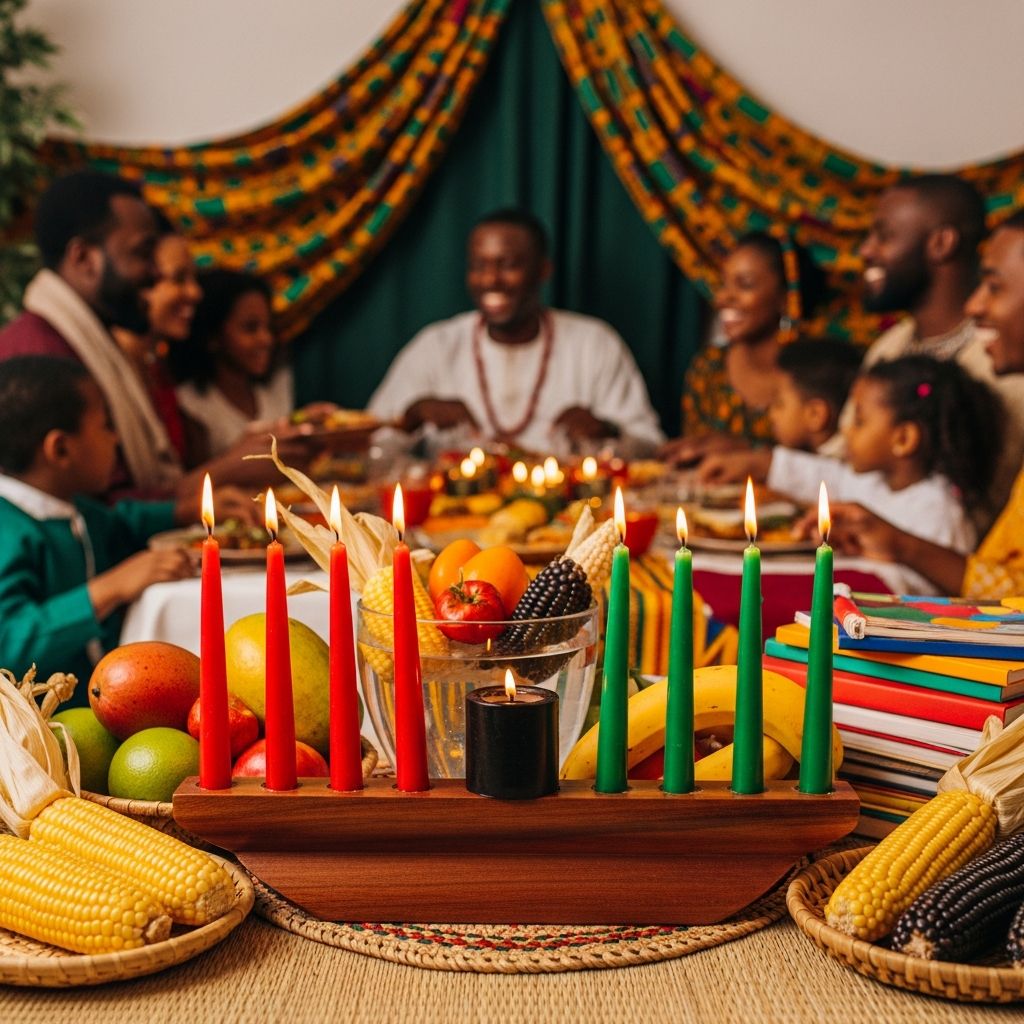
Kwanzaa serves as a meaningful annual observance dedicated to African American and Pan-African culture, running from December 26 to January 1. This week-long event emphasizes family bonds, communal responsibility, and cultural pride through structured daily reflections and shared rituals.
Origins and Historical Context
The creation of Kwanzaa traces back to 1966, amid the turbulent Black Power movement in the United States, particularly following events like the Watts riots. Dr. Maulana Karenga, a professor and activist then affiliated with the US Organization in Los Angeles, developed the holiday to foster racial pride and self-determination among African Americans. Inspired by a young girl’s question about a holiday specifically for Black culture, Karenga and his group researched ancient and contemporary African harvest festivals, adapting them into a modern celebration.
Karenga drew from diverse African traditions across West, East, and Southeast regions, where communities have long honored first fruits harvests with feasts and communal gatherings. This historical foundation positions Kwanzaa as a bridge between ancestral practices and contemporary identity, non-religious in nature to unite people across faiths.
The Meaning Behind the Name
Derived from the Swahili phrase matunda ya kwanza, meaning “first fruits,” the name Kwanzaa evokes the essence of harvest celebrations prevalent in many African societies. Swahili, one of Africa’s most widely spoken languages, infuses the holiday with linguistic authenticity, reinforcing its Pan-African roots.
Unlike religious holidays, Kwanzaa focuses on cultural reclamation, encouraging participants to reflect on heritage disconnected by historical upheavals like slavery and colonization. It promotes a forward-looking ethos, celebrating resilience and communal progress.
Core Principles: Nguzo Saba
At the heart of Kwanzaa lie the Nguzo Saba, or seven principles, each assigned to one day of the celebration. These guidelines, expressed in Swahili, guide personal and collective growth:
- Umoja (Unity): Building and maintaining family and community cohesion to achieve common goals.
- Kujichagulia (Self-Determination): Defining one’s own destiny and speaking for oneself.
- Ujima (Collective Work and Responsibility): Supporting community efforts and correcting mistakes together.
- Ujamaa (Cooperative Economics): Building and sustaining businesses within the community.
- Nia (Purpose): Making collective goals the focus of daily life.
- Kuumba (Creativity): Doing everything possible to leave the community more beautiful and beneficial.
- Imani (Faith): Believing in ancestors, people, and the righteousness of the struggle.
Each evening, families discuss the principle of the day, sharing stories and commitments, which deepens understanding and application in everyday life.
Essential Symbols of the Holiday
Kwanzaa features seven key symbols placed on a central table, representing foundational elements of African life and values. These items create a sacred space for reflection.
| Symbol | Swahili Name | Meaning |
|---|---|---|
| Candle Holder | Kinara | Holds the seven candles, symbolizing producers, roots, and future growth. |
| Seven Candles | Mishumaa Saba | Black, red, and green candles lit daily; three red (struggle), three green (hope), one black (people). |
| Mat | Mkeka | Foundation for tradition and history, upon which other symbols rest. |
| Crops | Mazao | Fruits and vegetables representing earth’s bounty and labor. |
| Ears of Corn | Muhindi | One for each child in the family, symbolizing children as hope for tomorrow. |
| Unity Cup | Kikombe cha Umoja | Libation poured to honor ancestors and living community members. |
| Gifts | Zawadi | Handmade or educational items promoting commitment to heritage. |
The display begins with an African cloth on the table, followed by the mat and symbols, transforming a home space into a cultural altar.
Daily Rituals and Observances
Each day starts with lighting the kinara, beginning with the central black candle (representing unity) and progressing alternately from red and green. Participants pour libations from the unity cup, recite the principles, and engage in activities like drumming, storytelling, or art creation tailored to the day’s theme.
Reflection periods include reading African proverbs, performing poetry, or discussing current events through the lens of Nguzo Saba. Children often take central roles, reciting principles or presenting performances, ensuring intergenerational transmission of values.
The Climactic Feast: Karamu
The pinnacle of Kwanzaa is the Karamu feast, typically on December 31 or the sixth day, bringing communities together for soul food dishes rooted in African traditions—think collard greens, yams, black-eyed peas, and fried fish. Entertainment features music, dance, drumming, and narratives honoring ancestors and achievements.
Guests don traditional attire like kente cloth, and the evening reinforces principles through skits, songs, and tambiko (remembrance statements). This communal meal symbolizes abundance and shared prosperity.
Gifts and Closing the Celebration
On January 1, known as Kuomba (day of meditation) or Zawadi day, families exchange gifts emphasizing education, heritage, and commitment—books on African history, art supplies, or journals for goal-setting. Gifts avoid commercialism, prioritizing handmade or purposeful items.
The holiday concludes with renewed pledges to live by Nguzo Saba throughout the year, often sealed with a final kinara lighting and unity cup toast.
Kwanzaa in Modern Times
Today, millions observe Kwanzaa globally, with estimates from 500,000 to 2 million in the U.S. alone. Community centers, schools, and virtual events expand its reach, adapting to diverse settings while preserving core elements. Its non-religious stance allows integration with Christmas or other holidays.
Critics once questioned its invented nature, but proponents highlight its role in cultural empowerment, especially during ongoing discussions of identity and equity. CSUN and similar institutions host events tracing its Los Angeles origins.
Frequently Asked Questions (FAQs)
Is Kwanzaa a religious holiday?
No, Kwanzaa is a cultural celebration open to all faiths, focusing on African heritage rather than worship.
Who created Kwanzaa and why?
Dr. Maulana Karenga created it in 1966 to promote Black pride and unity during the civil rights era, inspired by African harvest traditions.
What colors are used in Kwanzaa?
Black (people), red (struggle), and green (hope and future) adorn candles, attire, and decorations.
How do families celebrate daily?
By lighting a candle, discussing the day’s principle, pouring libations, and engaging in cultural activities like storytelling.
Can non-African Americans participate?
Yes, Kwanzaa welcomes allies interested in its universal principles of community and purpose.
Embracing Kwanzaa in Your Home
To host your own Kwanzaa, select a central table, gather symbols from markets or online, and plan daily gatherings. Incorporate local African diaspora foods and invite neighbors for Karamu. Resources from official sites provide guides, ensuring authentic yet accessible observance.
This holiday not only revives traditions but builds lasting community networks, proving its enduring relevance in fostering hope and creativity.
References
- Kwanzaa | National Museum of African American History and Culture — Smithsonian National Museum of African American History and Culture. Accessed 2026. https://nmaahc.si.edu/explore/moments/kwanzaa
- Kwanzaa – Wikipedia — Wikipedia contributors. Ongoing. https://en.wikipedia.org/wiki/Kwanzaa
- Kwanzaa: History and How to Celebrate — CSUN Newsroom. 2023-12-19. https://newsroom.csun.edu/2023/12/19/kwanzaa-history-and-how-to-celebrate/
- WATCH: What to know about Kwanzaa — YouTube (Official Kwanzaa Channel). Recent. https://www.youtube.com/watch?v=YUMlbh7PAzI
- Kwanzaa 2025: What to know about meaning, principles, colors of holiday — 6ABC News. 2025-12-26. https://6abc.com/post/kwanzaa-2025-what-know-meaning-principles-colors-holiday/18306596/

- Integrated M.A. in Applied Linguistics, University of Hyderabad
- 5+ years in editorial, instructional, SEO, and research-based writing
Sneha is a relationships and lifestyle writer with a strong foundation in applied linguistics and certified training in relationship coaching. She brings over five years of writing experience to theskillvault, crafting thoughtful, research-driven content that empowers readers to build healthier relationships, boost emotional well-being, and embrace holistic living. Her writing and insights reflect the belief that beauty, happiness, and wellness…