
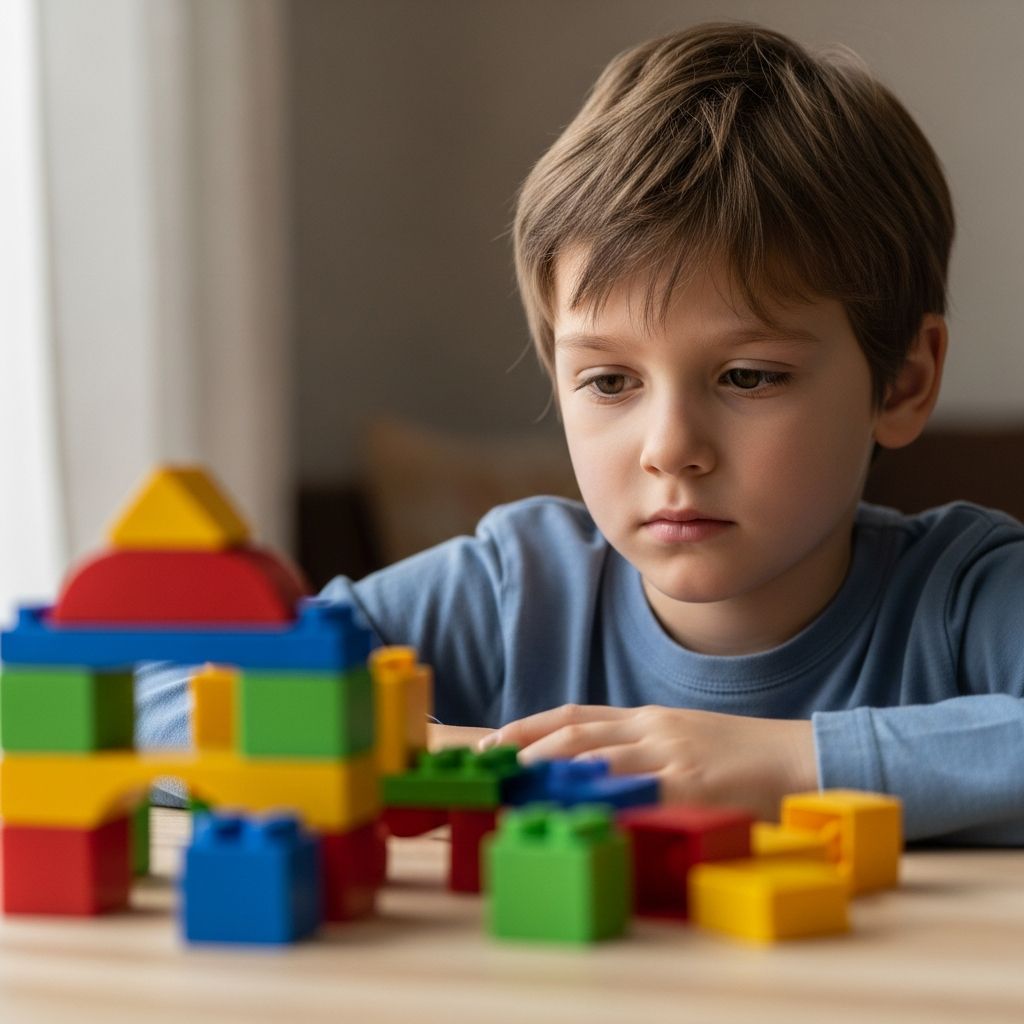
Language processing delays affect how children comprehend and produce spoken or written words, impacting daily interactions and learning. These challenges, seen in 5-12% of young kids, can stem from various factors but respond well to timely support.
Prevalence and Impact on Development
Approximately 6% of children aged 2-5 experience isolated speech and language delays, with risks persisting into school years. Untreated cases heighten chances of reading difficulties, behavioral issues, and social struggles, potentially leading to lifelong academic hurdles.
School-aged children with these delays face up to five times higher risk of poor literacy skills, underscoring the need for early detection. While many catch up, persistent delays correlate with ongoing communication disorders.
Key Indicators by Age Group
Recognizing delays early is crucial. Parents and caregivers should watch for these developmental milestones:
- Birth to 9 months: No babbling or inconsistent response to sounds.
- 9-12 months: Absence of pointing, gesturing, or first words by 16 months.
- 12-18 months: Reliance on gestures over words, trouble imitating sounds, or understanding basic requests.
- 18-24 months: No spontaneous two-word phrases or failure to follow simple commands like ‘sit down’.
- By 36 months: Mostly unintelligible speech, hypernasality, or odd vocal quality.
Regression in skills at any age demands immediate evaluation, as it may signal broader neurological concerns.
Distinguishing Speech from Language Challenges
Speech delays involve producing sounds correctly, while language delays hinder understanding or structuring thoughts. A child might articulate words perfectly but struggle with sentences, or vice versa.
| Type | Description | Examples |
|---|---|---|
| Speech Delay | Difficulty forming sounds or fluency | Stuttering, sound repetitions, articulation issues |
| Language Delay | Problems with comprehension or expression | Limited vocabulary, trouble following directions, poor storytelling |
| Mixed | Both production and processing affected | Unintelligible speech plus weak understanding |
Common Underlying Causes
Multiple factors contribute to these delays. Here’s a breakdown:
- Hearing Issues: Even mild or progressive loss from infections or genetics disrupts input.
- Neurological Factors: Autism spectrum disorder (ASD), intellectual disabilities, or global delays often co-occur.
- Oral-Motor Problems: Structural issues like cleft palate or weak tongue control.
- Developmental Language Disorders (DLD): Heritable conditions impairing grammar and vocabulary without other explanations.
- Environmental Influences: Limited exposure or bilingualism (though not causative).
For ASD-linked delays, watch for social reciprocity issues, routine obsessions, or intense interests despite advanced skills like early reading.
Diagnosis and Professional Assessment
Primary care providers screen using parent reports and milestone checks. Referrals follow for audiology, speech pathology, or developmental specialists if red flags appear.
Hearing tests are first-line, as loss can mimic processing issues. Comprehensive evaluations assess receptive (understanding) and expressive (speaking) skills, ruling out confounders like vision or motor problems.
Tools include standardized tests for vocabulary, sentence complexity, and fluency. Bilingual children are screened in their dominant language without bias.
Effective Treatment Approaches
Interventions tailor to the cause and severity. Early starts yield best results.
| Condition | Treatment Focus | Outcomes |
|---|---|---|
| Hearing Loss | Hearing aids, implants, speech therapy | Minimizes vocabulary gaps with prompt action |
| Stuttering/Cluttering | Slow speech training, breathing exercises | Reduces tension; familial patterns noted |
| DLD/LPD | Language therapy for structure and vocab | Often persists but manageable into adulthood |
| ASD-Related | Developmental pediatrics, behavioral therapy | Improves social communication |
Speech-language pathologists (SLPs) lead therapy, using play-based methods to build skills. For processing disorders, focus on noisy environment adaptation and multi-step direction practice.
Strategies for Parents and Caregivers
Home support amplifies professional efforts:
- Read daily, describing pictures and actions.
- Use simple, clear sentences; expand on child’s words (e.g., child says ‘dog run’, reply ‘Yes, the big dog is running fast!’).
- Minimize background noise during talks.
- Encourage turn-taking in conversations.
- Model gestures and facial expressions.
- Limit screen time; prioritize interactive play.
Track progress with journals and share with providers. Bilingual homes should maintain consistent exposure to both languages.
School and Long-Term Support
As children enter school, individualized education plans (IEPs) provide accommodations like extra processing time or visual aids. Literacy interventions prevent reading gaps.
Adolescents may need ongoing therapy for abstract language or social nuances. Multidisciplinary teams ensure holistic care.
FAQs on Language Processing Delays
At what age should I worry about my child’s speech?
Concern arises if no words by 16 months, no phrases by 24 months, or speech unintelligible at 36 months. Consult a doctor promptly.
Does bilingualism cause delays?
No, bilingual kids may score lower on tests but aren’t at higher delay risk. Screen in their strongest language.
Can delays resolve without therapy?
Some mild cases self-correct, but persistent ones need intervention to avoid academic and social fallout.
How does hearing loss present?
Quiet speech, articulation errors, or inconsistent sound response. Test early, even post-newborn screen.
What role does attention play?
Children with processing issues struggle in noise, following directions, or conversations, mimicking ADHD.
Conclusion: Empowering Communication Growth
With vigilance and action, most children with language processing delays thrive. Collaborate with experts, embrace home strategies, and celebrate small wins for lasting confidence.
References
- Speech and language delay in children: a practical framework for primary care physicians — PMC. 2023. https://pmc.ncbi.nlm.nih.gov/articles/PMC10775292/
- Speech and Language Delay in Children — American Academy of Family Physicians (AAFP). 2023-08-00. https://www.aafp.org/pubs/afp/issues/2023/0800/speech-language-delay-children.html
- Delayed Speech or Language Development — Nemours KidsHealth. Accessed 2026. https://kidshealth.org/en/parents/not-talk.html
- Developmental Language Disorder — Cleveland Clinic. Accessed 2026. https://my.clevelandclinic.org/health/diseases/developmental-language-disorder-dld
- Language Processing Disorders — Cincinnati Children’s Hospital. Accessed 2026. https://www.cincinnatichildrens.org/-/media/Cincinnati-Childrens/Home/service/s/speech/hcp/doctor-info/information-lan-processing-disorders-PDF-language.pdf

Medha Deb is an editor with a master's degree in Applied Linguistics from the University of Hyderabad. She believes that her qualification has helped her develop a deep understanding of language and its application in various contexts. Medha specializes in the areas of beauty, health, sports, and wellness and is committed to ensuring that the content on the website is…