
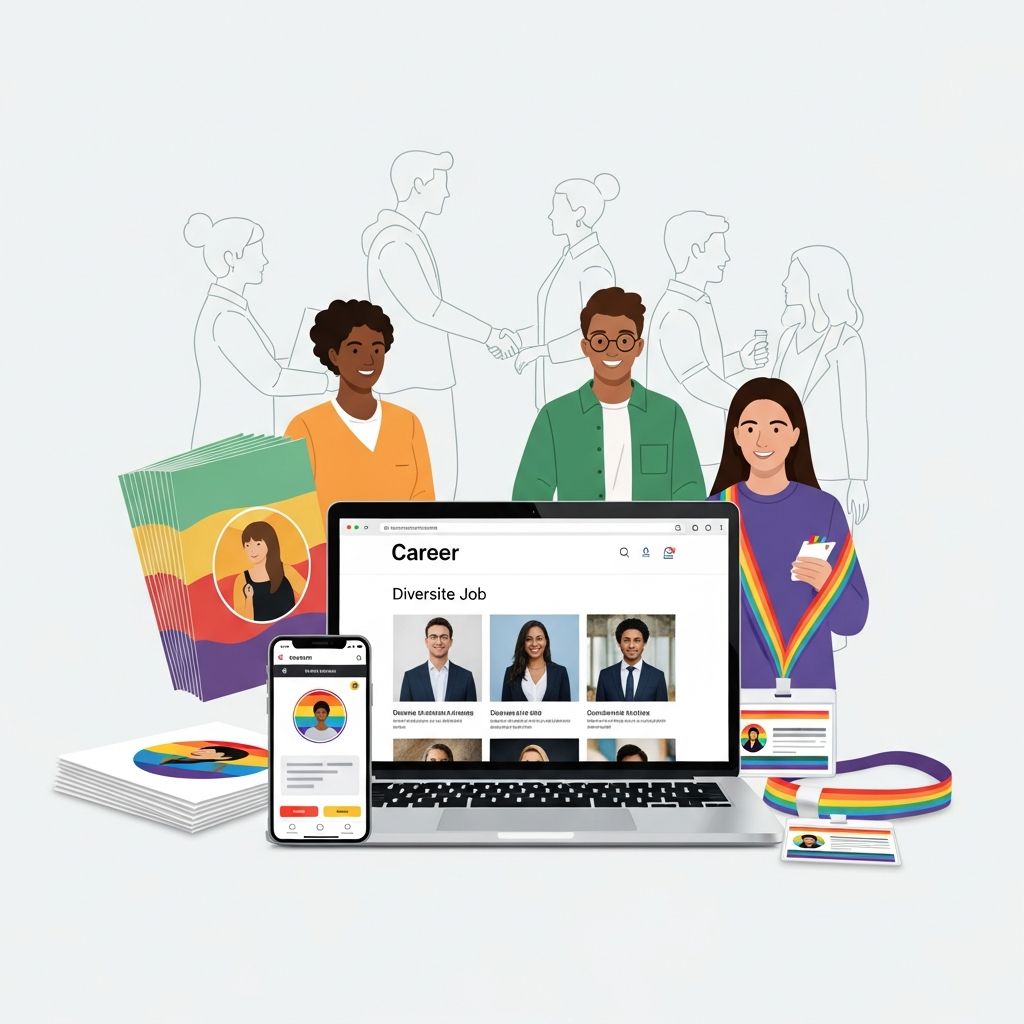
Looking for a new job is challenging for anyone, but if you identify as lesbian, gay, bisexual, transgender, queer, intersex, or anywhere under the LGBTQ+ umbrella, your search can include extra questions: Is this workplace safe for me? Will I be respected if I am out? Do they protect my rights? This guide gathers practical information, resources, and strategies to help you pursue your career in environments where you can succeed without hiding who you are.
Why LGBTQ+ Focused Job Search Resources Matter
Legal protections for LGBTQ+ workers and the reality of everyday workplace culture do not always match. In the United States, for example, the Supreme Court held in Bostock v. Clayton County (2020) that Title VII of the Civil Rights Act prohibits employment discrimination based on sexual orientation and gender identity. Even so, LGBTQ+ people still report higher rates of workplace harassment, discrimination, and pressure to conceal their identities.
Because of this gap between law and lived experience, it is especially useful to:
- Identify employers that actively support LGBTQ+ employees, not just those that avoid discrimination in theory.
- Use job boards and networks where employers intentionally seek diverse candidates.
- Understand your rights and where to seek help if something goes wrong.
- Connect with community organizations that provide mentoring, training, and legal guidance.
Key Types of LGBTQ+ Job Search Resources
There is no single resource that works for everyone, so think in terms of categories you can mix and match. The list below is not exhaustive, but it highlights the main types of support available and how they can help you.
1. Job Boards and Career Platforms Centered on LGBTQ+ Talent
Specialized job boards connect LGBTQ+ candidates with employers that publicly commit to inclusive hiring. These platforms typically allow employers to showcase their diversity policies, employee resource groups (ERGs), and benefits that matter to queer and trans employees.
Common features you will find include:
- Job postings from companies that explicitly welcome LGBTQ+ applicants.
- Filters for industries, locations, and remote roles.
- Company profiles that highlight inclusion initiatives and benefits.
- Virtual career fairs and networking events focused on diversity.
Recruiting firms and employers themselves often use LGBTQ+ job boards and groups as part of a broader inclusive sourcing strategy, treating them as a visible way to demonstrate commitment to diversity and equity.
2. Campus and Early-Career Programs for LGBTQ+ Students
If you are a student or recent graduate, campus-based services and youth-focused nonprofits can be especially helpful. Many colleges now offer LGBTQ+ resource centers or identity-based career programs.
On or around campus, you might find:
- LGBTQ+ career workshops and employer panels.
- Mentoring programs that connect students with queer and trans professionals.
- Job boards listing internships and entry-level roles with affirming employers.
- Support with resume language when listing LGBTQ+ organizations or activism.
Outside campus, community centers and youth organizations often provide similar services targeted at young adults entering the workforce for the first time.
3. Professional and Social Networking Communities
Networking remains one of the most effective ways to find job leads and learn which workplaces are truly inclusive. For LGBTQ+ professionals, community-based networks can also offer safety and solidarity.
These may include:
- LGBTQ+ professional associations devoted to specific industries (e.g., tech, law, media).
- Local and national LGBTQ+ chambers of commerce, which showcase inclusive employers and business partners.
- Online communities, LinkedIn groups, and meetups where queer and trans professionals share advice and opportunities.
- Employee resource groups that participate in public networking events or conferences.
Strategic networking in these spaces can help you identify affirming employers, learn about openings before they are widely advertised, and build relationships that support long-term career growth.
4. Legal, Advocacy, and Rights-Based Resources
LGBTQ+ workers benefit from knowing where to go if they experience discrimination or harassment. Advocacy organizations document discrimination, explain legal protections, and sometimes directly support workers pursuing complaints.
Depending on your country or region, you may find:
- National civil rights groups that publish overviews of LGBTQ+ employment protections and state-by-state comparisons.
- Guides to filing complaints with human rights commissions or labor agencies.
- Hotlines, legal clinics, or referral networks for workplace discrimination issues.
- Research reports that highlight the economic and mental health effects of workplace prejudice.
In the United States, for example, the Equal Employment Opportunity Commission (EEOC) describes how Title VII applies to sexual orientation and gender identity discrimination and details the complaint process.
How to Assess Whether an Employer Is LGBTQ+ Inclusive
Inclusive employers usually show it in multiple ways: in their policies, public presence, internal culture, and benefits. The following steps can help you evaluate them before and during your application process.
Check Their Public Commitments
Begin with what you can see from the outside:
- Non-discrimination statements: Look for explicit mention of sexual orientation, gender identity, and gender expression in equal employment opportunity (EEO) statements.
- Diversity and inclusion pages: Read how they talk about LGBTQ+ inclusion, not just diversity in general.
- Corporate indices and rankings: In the U.S., the Human Rights Campaign’s Corporate Equality Index scores companies on policies such as non-discrimination, benefits parity, and inclusive training; a high score indicates more robust LGBTQ+ protections.
- Public partnerships and sponsorships: Notice whether the organization supports LGBTQ+ nonprofits, Pride events, or community initiatives in substantial ways.
Research Company Culture Beneath the Surface
After you scan the public information, dig deeper:
- Search for articles, interviews, or blogs where employees discuss the workplace climate for LGBTQ+ people.
- Look for signs of active LGBTQ+ employee resource groups (ERGs) or affinity groups, such as posts about internal events or panel discussions.
- Use your network to find current or former employees who can speak candidly about their experiences as LGBTQ+ people at that organization.
When you talk to insiders, you might ask:
- “Do LGBTQ+ employees feel comfortable being out?”
- “How does management respond if discrimination or harassment occurs?”
- “Are trans and non-binary employees supported in using their names, pronouns, and facilities that match their gender?”
Pay Attention During the Application and Interview Process
Your application experience can reveal a lot about how an employer treats diversity.
| Signal | What to Look For | What It May Indicate |
|---|---|---|
| Application forms | Options beyond a strict male/female binary; ability to enter a chosen name. | Sensitivity to gender diversity and practical support for trans and non-binary applicants. |
| Interview questions | Respectful language; no intrusive questions about your body, family status, or transition. | Basic understanding of legal boundaries and professional etiquette. |
| Recruiter communication | Correct use of your name and pronouns after you share them. | Real-time evidence of everyday respect and inclusion. |
| Benefits and policies | Mentions of partner benefits, parental leave for all genders, gender-affirming care options. | Concrete investment in LGBTQ+ wellbeing, not just symbolic gestures. |
Evaluating Benefits and Policies That Affect LGBTQ+ Workers
Pay close attention to benefits and internal policies, particularly if you are trans, non-binary, or in a same-gender partnership. Research from the Williams Institute and other organizations shows that lack of inclusive benefits can compound existing disparities in health and income.
Features to look for include:
- Comprehensive non-discrimination policies that explicitly cover sexual orientation and gender identity/expression across all employment practices.
- Health insurance that covers gender-affirming care (e.g., hormones, surgeries, mental health support) without blanket exclusions.
- Equitable partner benefits for spouses and domestic partners regardless of gender.
- Parental leave policies that support all family structures, including adoptive and non-gestational parents.
- Dress code and facilities policies that allow employees to present and use restrooms consistent with their gender identity.
Understanding Your Workplace Rights as an LGBTQ+ Employee
Knowing your rights helps you decide when to negotiate, when to document, and when to seek support. The details vary by country and region, but some general principles apply widely.
Anti-Discrimination Protections
In many jurisdictions, employment discrimination based on sexual orientation and gender identity is prohibited. In the United States, for instance, the Supreme Court’s decision in Bostock v. Clayton County confirmed that federal law protects workers from being fired or mistreated because they are LGBTQ+.
Depending on your location, anti-discrimination laws may cover:
- Hiring and firing decisions.
- Compensation and promotions.
- Training and access to professional development.
- Harassment and hostile work environments.
However, protections beyond employment—such as housing, healthcare, and public accommodations—may or may not be covered, which is why it helps to consult local legal resources.
Handling Harassment and Bias at Work
If you experience harassment, misgendering, or discrimination on the job, you may consider the following steps:
- Document what happens, including dates, locations, witnesses, and any written communications.
- Review your employer’s policies and complaint procedures (often found in the employee handbook).
- Report incidents through internal channels such as HR, ethics hotlines, or union representatives.
- Consult external organizations or legal aid clinics that specialize in LGBTQ+ employment issues if internal avenues fail or feel unsafe.
Some advocacy organizations publish step-by-step guides on documenting incidents and filing complaints with labor boards or human rights commissions, which can be helpful if you decide to escalate.
Strategies for LGBTQ+ Job Seekers: Practical Tips
Beyond resources and rights, your individual strategy shapes how you navigate disclosure, applications, and interviews.
Deciding How Open to Be in Your Materials
You are never required to disclose your sexual orientation or gender identity in applications. Many LGBTQ+ job seekers, though, choose to signal their identities by listing involvement in queer organizations, advocacy, or research.
Questions to consider:
- Will including this information screen out hostile employers before you invest time in them?
- Does the role or organization explicitly value lived experience with LGBTQ+ communities?
- How comfortable are you being out in this particular industry or region?
Some career centers recommend focusing first on your qualifications and impact, while deciding case by case whether to name the LGBTQ+ nature of each activity or use more neutral descriptions.
Targeting Inclusive Locations and Industries
Where you live and work can significantly affect your daily experience. Research indicates that LGBTQ+ people in more supportive regions often report higher wellbeing and lower stress, partly because local laws and culture interact with workplace conditions.
To identify affirming locations:
- Look up cities and regions known for inclusive policies and visible LGBTQ+ communities.
- Review local non-discrimination ordinances and state/provincial protections.
- Explore local LGBTQ+ chambers of commerce, centers, and community organizations that engage with employers.
Industries also differ. Some sectors, such as parts of tech, higher education, and the arts, often have stronger traditions of LGBTQ+ inclusion; others may require more careful vetting.
Using Mentors and Allies
Mentors can be especially important for transgender and non-binary people navigating questions about names, documents, and professional presentation. Consider seeking mentors who:
- Share aspects of your identity or have experience advocating for LGBTQ+ inclusion.
- Understand the norms of your field and can help you interpret subtle cues in interviews and workplaces.
- Can introduce you to supportive hiring managers and teams.
Frequently Asked Questions (FAQs)
Do I have to disclose that I am LGBTQ+ during the job search?
No. In most places, you are not legally required to disclose your sexual orientation or gender identity at any stage of the hiring process. You can choose whether and how to share this information based on your safety, comfort, and goals.
How can I tell if a company is genuinely inclusive and not just marketing?
Look for concrete evidence: explicit non-discrimination policies, inclusive benefits (such as partner coverage and gender-affirming care), active LGBTQ+ employee groups, and consistent engagement with LGBTQ+ communities beyond one-off Pride campaigns.
What if my legal name and my everyday name are different because I am trans or non-binary?
Many trans and non-binary job seekers use their affirmed name on resumes and in interviews, while providing legal names only where required for background checks or payroll. Some career centers recommend including your affirmed name with an optional initial for your legal first name, or discussing specifics with HR once you have an offer.
Where can I learn more about my legal rights as an LGBTQ+ worker?
Check reputable legal and advocacy organizations or government agencies that focus on employment rights. In the U.S., for example, the Equal Employment Opportunity Commission provides guidance on LGBTQ+ workplace protections under federal law. Many countries have similar labor or human rights bodies.
Are there special job search tips for LGBTQ+ college students?
Yes. Many universities offer LGBTQ+ career programs, identity-based networking events, and tailored job search advice. You can also research LGBTQ+-friendly cities and employers, seek internships with organizations that have strong inclusion reputations, and use campus or community resources to practice discussing your experiences in a professional way.
References
- What You Should Know About LGBTQ+ Workplace Discrimination — U.S. Equal Employment Opportunity Commission. 2021-06-15. https://www.eeoc.gov/laws/guidance/what-you-should-know-about-lgbtq-workplace-discrimination
- Wage Gaps and Employment Trends for LGBTQ+ People — Williams Institute, UCLA School of Law. 2021-09-01. https://williamsinstitute.law.ucla.edu/publications/lgbtq-people-economic-security/
- Diversifying Your Sourcing Strategy: LGBTQ+ Job Boards & Groups — Another Source. 2023-05-10. https://www.anothersource.com/resources/article/diverse-inclusive-sourcing-lgbt-recruiting/
- 4 Job Search Tips for Transgender and Non-Binary People — Duke University Career Center. 2024-09-26. https://careerhub.students.duke.edu/blog/2024/09/26/4-job-search-tips-for-transgender-and-non-binary-people/
- 5 Job Search Tips for LGBTQ+ College and University Students — Emmanuel College Career Center. 2025-04-14. https://careercenter.emmanuel.edu/blog/2025/04/14/5-job-search-tips-for-lgbtq-college-and-university-students/
- LGBTQ+ Career Exploration Guide — Lone Star College Libraries. 2023-08-01. https://upresearch.lonestar.edu/career/lgbtq
- LGBT Career Planning & Job Search Guide — University of Pennsylvania Career Services. 2022-05-20. https://careerservices.upenn.edu/lgbt-career-planning-job-search-guide/

- Integrated M.A. in Applied Linguistics, University of Hyderabad
- 5+ years in editorial, instructional, SEO, and research-based writing
Sneha is a relationships and lifestyle writer with a strong foundation in applied linguistics and certified training in relationship coaching. She brings over five years of writing experience to theskillvault, crafting thoughtful, research-driven content that empowers readers to build healthier relationships, boost emotional well-being, and embrace holistic living. Her writing and insights reflect the belief that beauty, happiness, and wellness…