
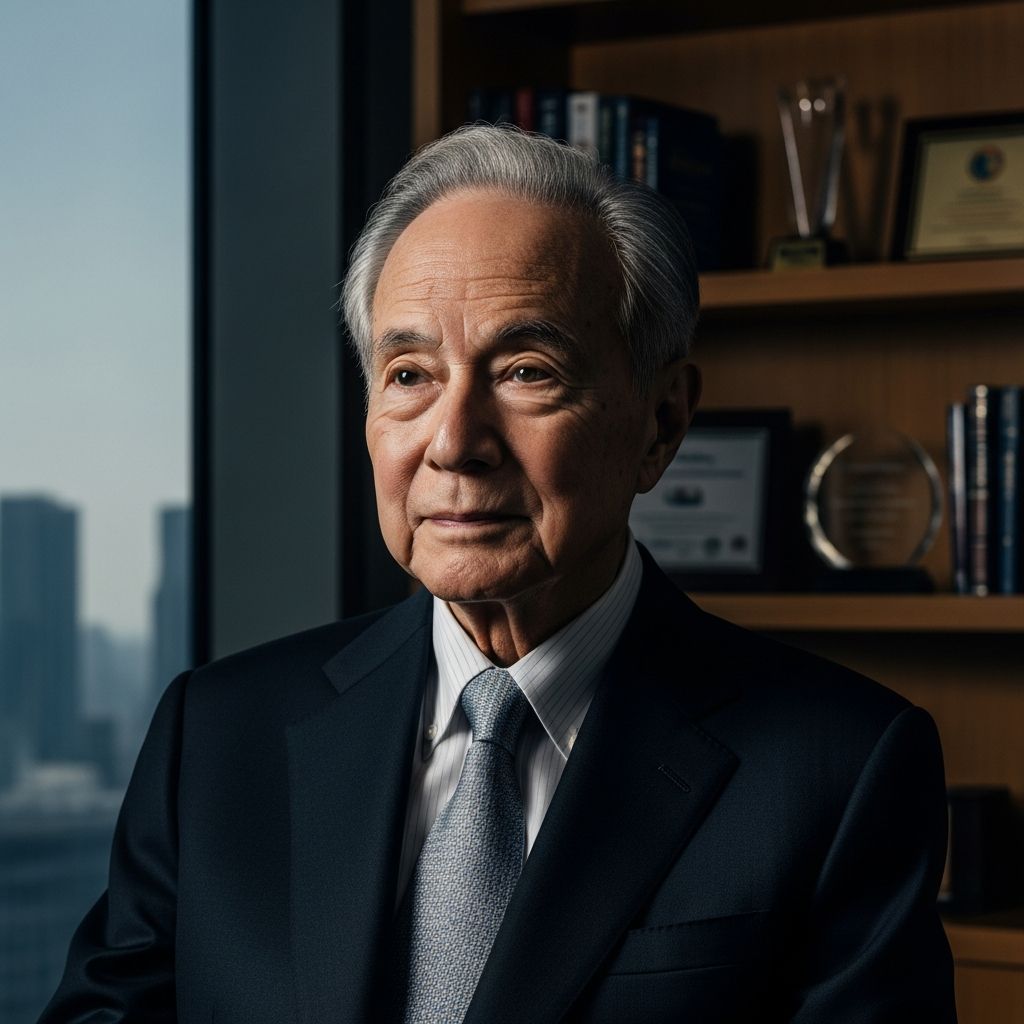
Li Ka-shing, often hailed as Asia’s richest man, rose from extreme poverty to control a vast business empire spanning real estate, ports, energy, and retail. His journey offers invaluable insights for young entrepreneurs navigating today’s competitive landscape. Drawing from his experiences and similar stories of Asian billionaires, this article distills essential principles to help founders build lasting success.
Embracing Humble Beginnings as Fuel for Ambition
Many of Asia’s top tycoons, including Li Ka-shing, started with nothing. Fleeing mainland China to Hong Kong during World War II, Li lost his father to tuberculosis at age 15 and dropped out of school to support his family. Working 16-hour shifts in a plastic factory, he honed skills in sales and operations that propelled him forward.
This grit mirrors Jack Ma’s path. Born into poverty in Hangzhou, China, Ma failed university exams twice and was rejected from jobs like KFC. Yet, his persistence led to Alibaba’s creation after early internet ventures failed. Similarly, Kim Beom-soo of Kakao grew up in a cramped Seoul neighborhood, self-funding college through tutoring before launching gaming portals.
For young entrepreneurs, these stories underscore that humble origins build resilience. Start small, learn every role, and view setbacks as training. Li advises channeling early hardships into unbreakable determination, turning limitations into launchpads.
- Work multiple jobs to understand markets intimately.
- Save aggressively; Li borrowed to start his factory at 22.
- Cultivate self-reliance; no safety nets sharpen focus.
Mastering Long-Term Vision Over Quick Gains
Li Ka-shing emphasizes strategic foresight. Listing Cheung Kong Industries on the Hong Kong Stock Exchange in 1972 transformed it into a real estate giant, but only after years of meticulous planning. He urges entrepreneurs to think decades ahead, not quarters.
Consider Zhang Xin of SOHO China. Enduring the Cultural Revolution and factory labor, she saved for UK studies, worked at Goldman Sachs, then co-founded China’s largest property developer. Kim Bong-jin, founder of Woowa Brothers, credits luck and grace but built a delivery empire from a family diner on a remote island.
Young founders should craft 10-20 year roadmaps. Li warns against chasing fads; invest in evergreen sectors like infrastructure. Use tables to map milestones:
| Year | Goal | Key Action |
|---|---|---|
| 1-3 | Product-Market Fit | Validate MVP, iterate feedback |
| 4-7 | Scale Operations | Build team, expand markets |
| 8+ | Legacy Building | Diversify, IPO prep |
This structured approach minimizes risks and maximizes compounding growth.
Cultivating Relentless Learning and Adaptability
Continuous education defines Li’s philosophy. Despite no formal degree, he devoured books and industry knowledge, evolving from salesman to manager by 22. In a fast-changing world, adaptability is survival.
Jack Ma’s 1995 US trip sparked his internet vision, leading to Alibaba despite two flops. Kim Beom-soo transitioned from Samsung developer to Hangame, then KakaoTalk dominance. These pivots highlight learning’s power.
Entrepreneurs must:
- Read widely: business, history, tech.
- Network globally: Li built ties across Asia.
- Embrace failure: Analyze losses as data.
Li advises daily study habits, treating ignorance as the biggest threat.
Building Strong Teams and Ethical Foundations
Li stresses people over products. Cheung Kong’s success stemmed from loyal teams he nurtured through fair pay and trust. Ethics build enduring brands; shortcuts erode them.
Shin Dong-bin of Lotte expanded globally via acquisitions like the New York Palace, but philanthropy—donating $4M to Columbia and Olympics funding—cements legacy. Kim Bong-jin pledged half his wealth via Giving Pledge.
Hire for attitude, train skills. Foster cultures valuing integrity. Li’s rule: Treat partners as family for mutual prosperity.
Innovation Through Calculated Risks and Diversification
Li diversified into ports (Hutchison Ports), telecom (3 Group), blending caution with boldness. Young entrepreneurs should innovate incrementally.
Jack Ma bet on e-commerce when China lagged; Zhang Xin revolutionized Beijing real estate. Balance risks: Test small, scale winners.
Diversification table:
| Sector | Li’s Entry | Lesson |
|---|---|---|
| Real Estate | Cheung Kong | Stable base |
| Ports/Energy | Hutchison | Global scale |
| Retail/Tech | A.S. Watson | Consumer trends |
Financial Discipline: The Bedrock of Empires
Li’s frugality—living modestly despite billions—enabled reinvestment. Bootstrap initially; debt only for proven models.
Zhang Xin saved factory wages for education; Kim Beom-soo tutored through college. Track cash flow rigorously:
- Burn rate under control.
- Profit first, growth second.
- Reinvest 70% of earnings.
Navigating Challenges: Resilience in Adversity
Regulatory hurdles, competition test founders. Li thrived amid Hong Kong’s volatility. Shin Dong-bin overcame legal battles to lead Lotte.
Strategies:
- Lobby ethically.
- Pivot fast.
- Build buffers.
Legacy: Giving Back for Greater Impact
Li’s foundations fund education, health. Pledging wealth like Kim Bong-jin inspires. True success uplifts society.
Frequently Asked Questions (FAQs)
What was Li Ka-shing’s first business?
At 22, he founded Cheung Kong Industries, a plastic factory that evolved into a real estate powerhouse.
How did Jack Ma overcome rejections?
After job failures, a US trip ignited his internet passion, birthing Alibaba.
Why emphasize long-term planning?
Li built empires by focusing on decades, not short-term hype.
Is diversification risky for startups?
Calculated diversification, post-core strength, mitigates risks like Li’s model.
How important is philanthropy?
Many like Kim Bong-jin pledge fortunes, enhancing legacy and networks.
References
- From rags to riches: 5 Asian billionaires who came from nothing — CNA Luxury. 2023-10-01. https://cnaluxury.channelnewsasia.com/people/asian-billionaires-who-grew-poor-190551
- Shin Dong-bin: Net Worth & Biography — Goodreturns. 2023-02-14. https://www.goodreturns.in/shin-dong-bin-net-worth-and-biography-blnr3712.html

Medha Deb is an editor with a master's degree in Applied Linguistics from the University of Hyderabad. She believes that her qualification has helped her develop a deep understanding of language and its application in various contexts. Medha specializes in the areas of beauty, health, sports, and wellness and is committed to ensuring that the content on the website is…