
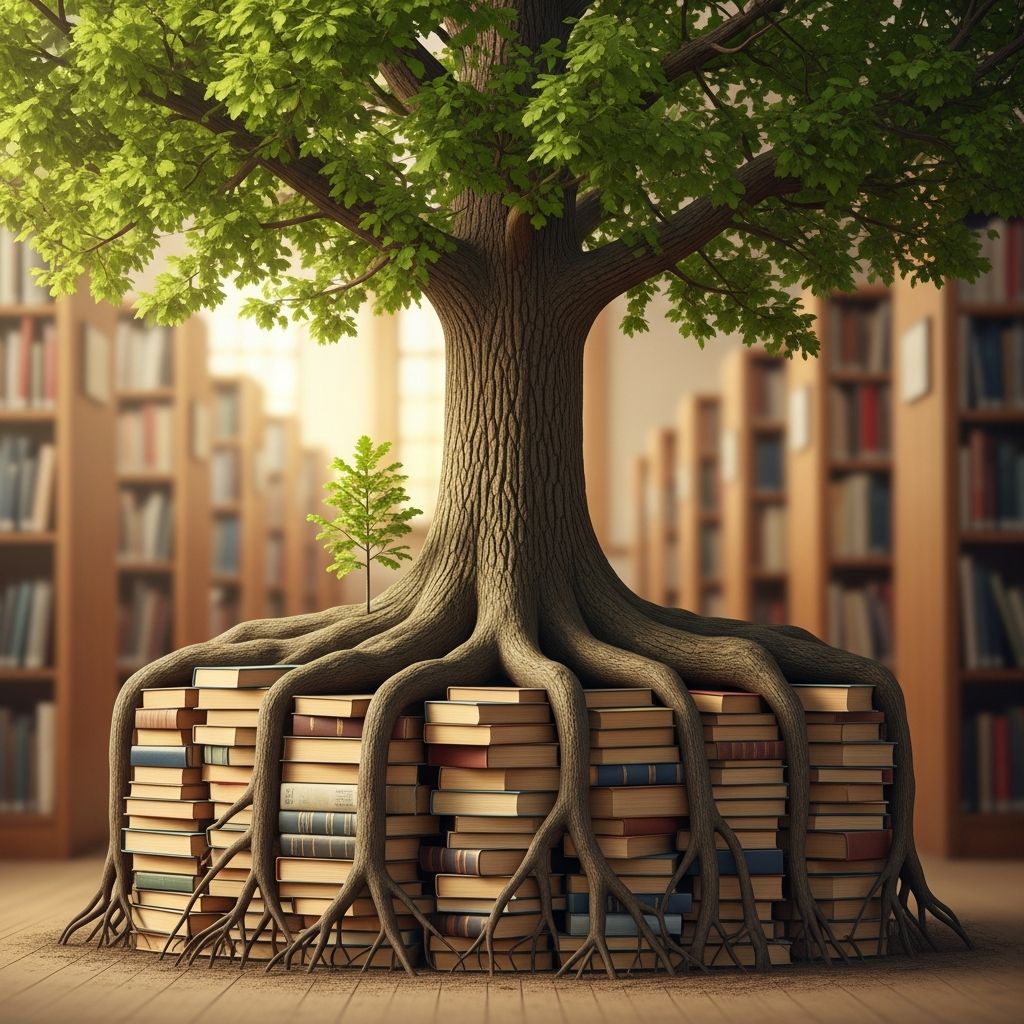
In an era of rapid technological and societal change, the ability to learn continuously stands as a cornerstone of personal and professional success. Lifelong learning transcends formal education, encompassing a proactive commitment to acquiring knowledge and skills throughout one’s life. This approach not only enhances career prospects but also enriches personal fulfillment and adaptability. Research from educational institutions highlights that adults who engage in ongoing learning report higher job satisfaction and resilience.
Why Lifelong Learning Matters Today
The modern world demands adaptability. With industries evolving due to automation, AI, and global shifts, static knowledge quickly becomes obsolete. Organizations that prioritize continuous learning see improved innovation and employee retention, as evidenced by strategies promoting dedicated learning time. Individuals benefit similarly: a growth mindset—believing abilities can develop through effort—fuels persistence and achievement.
Statistics underscore this urgency. Adult learners using real-world applications retain information 75% better than through lectures alone. Moreover, self-directed learners are more likely to pursue promotions, tying learning to tangible rewards. Cultivating this habit starts with intentional practices that integrate seamlessly into daily routines.
Cultivating the Right Mindset for Continuous Growth
A foundational step is developing a growth mindset, where challenges are viewed as opportunities rather than threats. Encourage embracing failures as feedback loops for improvement. Begin by taking inventory of your current traits: curiosity, resilience, and openness already position you as a potential lifelong learner.
- Embrace curiosity daily: Pose questions about everyday phenomena, like how algorithms curate your feeds, sparking deeper inquiry.
- Reframe setbacks: After a failed project, analyze lessons learned instead of dwelling on defeat.
- Practice gratitude for learning: Journal three new insights weekly to reinforce positive associations.
Harvard Extension School experts emphasize evidence-based strategies like spaced repetition over cramming for long-term retention. This mindset shift lays the groundwork for sustainable habits.
Setting Clear and Process-Oriented Goals
Effective lifelong learning requires defined objectives. Focus on process goals—such as dedicating 30 minutes daily to reading—over outcome-based ones, ensuring consistency amid busy schedules. Tools like personalized learning pathways align goals with career needs and interests.
| Goal Type | Example | Benefits |
|---|---|---|
| Process Goal | Read one article per day | Builds habit without pressure |
| Outcome Goal | Master Python in 3 months | Motivates but risks burnout |
| Hybrid | Weekly coding challenge + reflection | Balances action and progress tracking |
Track progress using apps or journals, adjusting as needed. Organizations supporting such goals through incentives report higher engagement.
Diversifying Learning Sources and Methods
Broaden horizons by exploring varied resources: books, podcasts, MOOCs, and hands-on projects. Online platforms offer 24/7 access, from university courses to professional associations. Experiment with formats—diagrams, documentaries, or mind maps—to discover what resonates.
Integrate technology for digital literacy, essential in today’s landscape. Virtual reality simulations and gamified apps make abstract concepts tangible. Offline pursuits like volunteering provide practical exposure, stretching skills in real contexts.
- Online: Coursera for structured courses.
- Network: Schedule informational interviews.
- Hands-on: Build a personal project, like a blog.
Leveraging Social and Collaborative Learning
Learning thrives in community. Join study groups or online forums for diverse perspectives. Mentorship programs pair novices with experts, accelerating growth through feedback. Leaders modeling learning—sharing books or courses—normalize curiosity.
Collaborative activities like brainstorming sessions or peer reviews enhance retention via discussion. Virtual communities enable global connections, fostering interdisciplinary insights. In workplaces, cross-training and knowledge-sharing build team synergy.
Applying Knowledge Through Real-World Practice
Theory sticks when applied. Use case studies, role-playing, and simulations mirroring job challenges. Experiential learning—projects or on-the-job training—boosts confidence and competency. Reflect post-activity: What worked? What to tweak?
Encourage autonomy in topic selection for self-directed paths. Tie learning to immediate use, like solving workplace problems collaboratively. This relevance drives engagement for busy adults.
Integrating Learning into Daily and Professional Routines
Embed habits effortlessly. Create dedicated time: lunch-and-learns or paid learning hours. Blended formats—online modules plus in-person workshops—suit varied schedules.
In careers, seek roles promoting development, like evolving fields with workshops. Organizations providing resource libraries lower barriers. Incentives like badges or promotions reinforce commitment.
Overcoming Common Barriers to Sustained Learning
Time constraints and motivation dips are hurdles. Combat with micro-learning: 10-minute sessions. Build accountability via partners. Address tech fears through gradual exposure.
Reflection combats stagnation: Weekly reviews identify blocks. Celebrate milestones publicly to sustain momentum. Persistence yields compounding benefits.
Measuring Progress and Celebrating Achievements
Track via journals or apps, noting skill gains and applications. Spotlight wins: certifications or process improvements. Recognition inspires peers, creating learning cultures.
Personal metrics might include books read or networks expanded. Adjust pathways quarterly for relevance.
Frequently Asked Questions (FAQs)
How do I start lifelong learning with a busy schedule?
Begin with micro-habits like 15-minute daily reads or podcasts during commutes. Prioritize process goals for sustainability.
What’s the role of technology in lifelong learning?
Tech enables access via MOOCs, apps, and VR, building digital literacy crucial for modern adaptability.
Can lifelong learning boost my career?
Yes, self-directed learners gain promotions through skills and networks. Organizations reward it via incentives.
How do I stay motivated long-term?
Reflect regularly, celebrate wins, and collaborate. A growth mindset views learning as rewarding.
Is lifelong learning only for professionals?
No, it enriches hobbies, health, and relationships. Anyone benefits from curiosity-driven growth.
Conclusion: Your Journey to Endless Growth
Building a lifelong learning habit transforms challenges into opportunities. Implement these strategies incrementally for profound impact. Commit today—your future self will thank you.
References
- 10 Simple Ways To Engage In Lifelong Learning — TeachThought. 2023-05-15. https://www.teachthought.com/learning-posts/ways-to-engage-in-lifelong-learning/
- 7 Adult Learning Strategies for Professional Development — Park University. 2024-02-10. https://www.park.edu/blog/adult-learning-strategies-for-professional-development/
- 7 Strategies for Promoting Lifelong Learning in Organizations — Instructure. 2023-11-20. https://www.instructure.com/resources/blog/7-strategies-promoting-lifelong-learning-organizations
- Creating a Passion for Lifelong Learning — Studies Weekly. 2024-01-05. https://www.studiesweekly.com/creating-a-passion-for-lifelong-learning/
- Five Strategies for Encouraging Lifelong Learning — Knowledge Anywhere. 2023-08-12. https://knowledgeanywhere.com/articles/five-strategies-for-encouraging-lifelong-learning-and-continued-education/
- Lifelong Learning in the Workplace — Voxy. 2024-03-18. https://voxy.com/blog/lifelong-learning-in-the-workplace/
- Always Be Learning: 5 Strategies for Lifelong Learners — Yoh. 2023-07-22. https://www.yoh.com/blog/5-strategies-for-lifelong-learners

- Integrated M.A. in Applied Linguistics, University of Hyderabad
- 5+ years in editorial, instructional, SEO, and research-based writing
Sneha is a relationships and lifestyle writer with a strong foundation in applied linguistics and certified training in relationship coaching. She brings over five years of writing experience to theskillvault, crafting thoughtful, research-driven content that empowers readers to build healthier relationships, boost emotional well-being, and embrace holistic living. Her writing and insights reflect the belief that beauty, happiness, and wellness…