
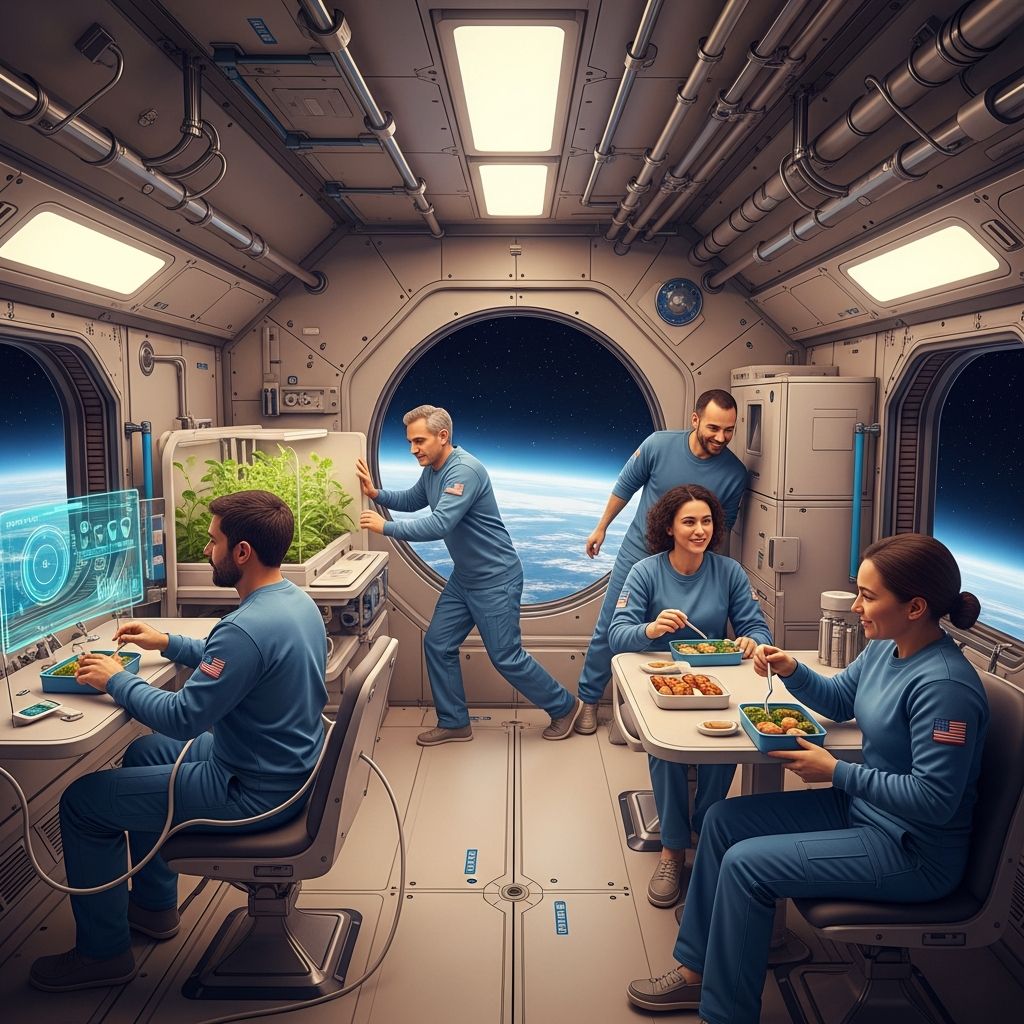
The Initial Ascent: Launch and Transition to Weightlessness
The journey to space begins with an intense physical and sensory experience that fundamentally differs from any Earthbound perspective. When rockets ignite beneath a spacecraft, astronauts encounter overwhelming vibrations and acoustic intensity that dominate their initial moments of flight. The acceleration builds gradually, then suddenly intensifies as the vehicle climbs through the atmosphere with tremendous force.
During launch, astronauts remain firmly secured in their seats with multiple restraint systems, preventing any movement despite the violent shaking that surrounds them. The pressure sensation becomes the dominant physical experience, as gravitational forces multiply during ascent. As the vehicle continues its trajectory and the solid rocket boosters separate with a tremendous bang, the vibrations suddenly cease, replaced by smooth but continued acceleration. The gravitational force increases progressively, creating a sensation sometimes described as immense weight pressing down on the entire body, making even breathing feel like a conscious effort.
The transformation occurs at a distinct moment when gravity disappears entirely. Strapped in their seats, astronauts can sense the precise instant when weightlessness takes hold. Looking through the windows, they observe the clouds shrinking below and the deep blue sky transforming into infinite blackness. This moment marks the beginning of an entirely different existence, where fundamental aspects of human experience change permanently.
Movement and Mobility in Microgravity Environments
Without gravitational pull, astronauts experience an extraordinary form of mobility that defies conventional movement. The ability to propel oneself through three-dimensional space with minimal effort creates a sensation comparable to flying, yet with more precision and control. A gentle push from one’s fingertips can propel an astronaut across an entire chamber, while adjusting body position allows movement in any direction imaginable.
This freedom of movement presents both advantages and challenges. Astronauts can position themselves at any angle—sideways, upside down, or in continuous spirals—without any physical consequence. The absence of directional preference in a weightless environment means that concepts like “up” and “down” become meaningless references. However, this extraordinary mobility requires constant awareness and adaptation to prevent collision with equipment, other crew members, or station structures.
The learning curve for adapting to three-dimensional movement in microgravity proves significant for most astronauts. Initial training cannot fully prepare individuals for the intuitive understanding required to navigate confidently through confined spaces while moving in all directions simultaneously. Over time, experienced astronauts develop an instinctive sense of spatial orientation and movement efficiency that becomes second nature.
Physical Adaptations and Health Considerations
Living in microgravity creates profound physical changes within the human body. Without gravitational force pulling downward, bodily fluids redistribute dramatically, creating a sensation similar to having a perpetual head cold or sinus congestion. This fluid shift, while temporary and reversible, affects astronauts’ appearance, comfort, and physiological function throughout their orbital residence.
Beyond fluid redistribution, the absence of gravity triggers cascading changes throughout the skeletal and muscular systems. Bones begin losing density without the constant gravitational stress that maintains bone strength on Earth. Muscles, unaccustomed to supporting body weight, gradually atrophy and weaken. To counteract these losses, astronauts must engage in structured exercise programs for multiple hours daily, using specialized equipment designed for microgravity environments.
Motion sickness affects a significant percentage of astronauts during their initial days in orbit, resulting from the vestibular system’s confusion in the absence of gravitational cues. The inner ear’s balance mechanisms, evolved specifically for Earth’s gravitational environment, struggle to orient properly in weightlessness. Most astronauts acclimate within several days, though some experience persistent symptoms throughout their missions.
Visual changes occur as well, with some astronauts reporting alterations in their eyesight during extended missions. The exact mechanisms remain subjects of ongoing research, as this phenomenon only became apparent through extended orbital residence spanning multiple months. These changes typically reverse after returning to Earth, though the implications for longer-duration missions require continued investigation.
Sleep Patterns and Rest in Orbital Conditions
The International Space Station experiences a sunrise every ninety minutes, meaning astronauts witness sixteen sunrises and sunsets during each twenty-four-hour period. This continuous cycle of light and darkness disrupts the circadian rhythms that evolved over millions of years on Earth, where light cycles matched gravitational day-night patterns.
Sleep deprivation becomes a genuine concern during space missions, requiring deliberate countermeasures. Each astronaut receives a personal sleep area within the station, though these quarters often represent extremely confined spaces. Astronauts must strap themselves into sleeping bags attached to walls or other surfaces, preventing them from floating into equipment or colliding with station components during unconscious rest.
NASA provides sleep masks and earplugs to help astronauts block ambient light and noise from station systems or crew members working during rest periods. The constant mechanical hum of life support systems, cooling pumps, and other operational equipment can prove remarkably disruptive to quality sleep. Some astronauts discover that the isolation provided by personal sleep compartments offers unexpected psychological benefits, creating rare moments of solitude in environments where privacy remains exceptionally scarce.
Many astronauts find that staying awake during designated night periods provides valuable personal time, a luxury rarely available aboard crowded orbital laboratories. Slowly flying through the station’s passages while everyone sleeps offers psychological restoration and individual space that supports mental wellbeing during extended missions.
Hygiene, Sanitation, and Daily Grooming
Maintaining personal hygiene in microgravity requires complete reimagining of conventional hygiene practices. Water behaves unpredictably when gravity cannot pull it downward, creating significant challenges for bathing and cleaning. Astronauts employ sponge baths using specialized washcloths, as traditional shower facilities would allow water to float throughout the station, potentially damaging sensitive equipment.
The process involves using two washcloths—one for applying soapy water and another for rinsing—while a vacuum system continuously extracts excess water and soapsuds before they can disperse into the station atmosphere. Hair washing employs rinseless shampoo formulations that require minimal water and prevent the formation of floating liquid droplets that could contaminate equipment or create safety hazards.
Toothpaste presents unique challenges since spitting presents obvious difficulties in an environment where liquids float freely. Astronauts swallow specially formulated toothpaste or use vacuum systems to extract it, similar to dental office suction mechanisms. The toilet aboard orbital stations operates using powerful fans and vacuum systems that draw air and waste into containment tanks rather than relying on gravity and water for sanitation.
Interestingly, the sealed environment of spacecraft means that astronauts carry only the germs present among their crew members. External contamination from Earth-based pathogens cannot reach the station, reducing certain types of infection risk. However, this advantage disappears when visiting spacecraft arrive or when astronauts travel to and from Earth.
Nutrition and Food Consumption Aboard Orbital Laboratories
Despite existing far above Earth, astronaut breakfast resembles conventional morning meals, featuring familiar options like eggs, oatmeal, and waffles. The galley aboard the International Space Station contains specialized equipment including ovens and refrigeration systems that function properly in microgravity. Food requires reconstitution from freeze-dried or specially prepared packages, then heated to appropriate temperatures for consumption.
The dining experience differs fundamentally from Earth meals in several ways. Without gravity, food does not remain on plates—instead, astronauts consume meals while strapped to tables or using specialized food containers that prevent floating food particles from contaminating the station. Beverages present particular challenges, requiring specially designed containers with valves that prevent liquid escape while allowing controlled consumption.
Astronauts must consume sufficient calories to maintain body weight and muscle mass despite reduced physical exertion in microgravity. NASA carefully plans orbital menus to provide psychological comfort through familiar flavors alongside nutritional requirements for extended missions. Food becomes one of the few remaining connections to Earth culture and personal preferences, contributing significantly to psychological wellbeing during months away from home.
Living Quarters and Spatial Constraints
The International Space Station stretches approximately the length of ten train cars, yet this expansive structure contains surprisingly limited personal space for its residents. Most of the available volume consists of laboratories, equipment storage, and operational systems, leaving minimal room for living quarters. Each astronaut typically has access to a small sleep compartment approximately the size of a telephone booth, representing their only private space during extended missions.
The Zvezda Service Module serves as the primary residential area, housing the galley, sleeping compartments, exercise equipment, and hygiene facilities. These shared spaces require constant negotiation and cooperation among crew members, as personal territories remain essentially nonexistent outside individual sleep pods. The claustrophobic nature of these environments challenges astronauts accustomed to spacious homes and open environments.
Despite the confined conditions, experienced astronauts often report that the station feels surprisingly spacious compared to training vehicles and launch capsules. The ability to move in three dimensions provides a sense of volume that conventional room dimensions cannot convey. An astronaut floating through a five-meter corridor experiences more usable space than an Earthbound person confined to a similar-sized room where gravity restricts movement to horizontal surfaces.
Psychological and Emotional Adjustments to Orbital Residence
The psychological experience of living in space fundamentally diverges from physical considerations, often proving equally challenging for astronauts. Homesickness affects nearly all mission participants, particularly during the early weeks of orbital residence. Family separations spanning months create emotional stress that no amount of technological communication can fully alleviate.
Claustrophobia affects some crew members, triggered by confined quarters, limited exit options, and the awareness that survival depends entirely on mechanical systems beyond individual control. NASA selects and trains astronauts specifically for psychological resilience, yet the orbital environment still presents unexpected emotional challenges even for highly experienced individuals.
Many astronauts report unexpected psychological benefits upon reaching orbit, however. The perspective of observing Earth from altitude—witnessing different continents, seasonal variations, and the scale of human civilization—frequently produces profound personal transformation. The realization that humans belong in space alongside understanding that Earth remains home creates a complex emotional landscape that astronauts describe as deeply meaningful.
The noise environment aboard orbital stations requires adjustment, as mechanical systems generate constant background sounds. Yet some astronauts find these familiar vibrations comforting rather than disturbing, particularly during designated rest periods when the station’s hum provides consistency in an otherwise alien environment.
Social Dynamics and Interpersonal Relationships
Extended space missions require crew members to share confined quarters for months, creating interpersonal dynamics unlike typical workplace environments. Unlike Earth offices where employees separate at day’s end, astronauts cannot escape from colleagues. The absence of privacy, combined with high-stress responsibilities and isolation from Earth-based support systems, tests relationship skills continuously.
Successful missions depend on crew harmony and mutual support, making psychological compatibility as important as technical competence. NASA invests considerable resources in crew selection and team training, seeking individuals who maintain emotional stability and cooperative attitudes despite extreme stress. The isolation research conducted in ground-based analog facilities like NASA’s Human Exploration Research Analog (HERA) provides insights into how isolated crews develop coping strategies and maintain functionality.
Despite challenges, many astronauts form lasting bonds with crewmates forged through shared extraordinary experiences. The common purpose of conducting scientific research, maintaining orbital equipment, and supporting each other through difficult moments creates powerful connections that often persist long after missions conclude.
Environmental and Atmospheric Systems Supporting Orbital Life
Sophisticated life support systems represent invisible heroes of orbital existence, continuously maintaining the habitable environment that makes human presence possible. The Environmental Control and Life Support System (ECLSS) aboard the International Space Station generates breathable oxygen using electrolysis, breaking water molecules into hydrogen and oxygen gases.
Air quality management becomes critical, as inadequate oxygen causes fatigue, unconsciousness, and ultimately death. Multiple redundant systems ensure continuous oxygen generation and carbon dioxide removal, with backup systems activating automatically if primary equipment fails. Temperature control systems maintain comfortable conditions despite the extreme external environment ranging from approximately 200 degrees Fahrenheit in direct sunlight to minus 200 degrees Fahrenheit in shadow.
Pressure maintenance within the station ensures astronauts can remove spacesuits and move freely within pressurized modules. The contrast between the comfortable interior environment and the harsh vacuum surrounding the station illustrates how dependent human survival becomes on technological systems. Any breach in station integrity would prove catastrophic, making equipment maintenance and monitoring continuous responsibilities.
Returning to Gravity and Post-Mission Physical Recovery
After extended orbital residence, returning to Earth’s gravitational environment produces dramatic physical changes. The body, adapted to microgravity across weeks or months, must readjust to supporting its own weight. Astronauts experience disorientation, weakness, and balance disturbances during the initial post-mission period.
Bone density losses require years of rehabilitation exercise and medical monitoring to fully reverse. Muscle atrophy necessitates intensive physical therapy as astronauts relearn movements taken for granted on Earth. Vision changes typically resolve within weeks, though some effects may persist longer. The complete readaptation process can require months, demonstrating the profound impact of extended space residence on human physiology.
Frequently Asked Questions
Q: How long can astronauts stay in space?
A: Mission durations vary significantly. Early Space Shuttle missions lasted approximately two weeks, while International Space Station expeditions typically extend from four to six months. Extended missions lasting over six months have occurred, with records continuing to increase as mission planning advances.
Q: Can astronauts exercise in space?
A: Yes, specialized exercise equipment adapted for microgravity allows astronauts to maintain cardiovascular fitness and muscle mass. Treadmills, resistance devices, and cycling equipment operate using restraint systems that keep astronauts attached while exercising in weightlessness.
Q: What happens if an astronaut gets sick in space?
A: The International Space Station maintains medical supplies and communication systems allowing remote consultation with Earth-based physicians. Serious medical emergencies may necessitate immediate return to Earth, while minor illnesses are managed using available resources and medication.
Q: How do astronauts communicate with family members?
A: Modern communication systems allow scheduled video calls and email contact with family members on Earth. Despite technological capabilities, the communication delays and limited personal time reduce the frequency and intimacy of contact compared to normal daily life.
Q: What is the most challenging aspect of living in space?
A: Responses vary by individual, though common challenges include adapting to microgravity, managing homesickness, maintaining physical fitness, and coping with confined spaces. Psychological resilience often proves more demanding than physical adaptation.
References
- The Joy and Opportunity of Living in Space — Yale Insights. 2024. https://insights.som.yale.edu/insights/the-joy-and-opportunity-of-living-in-space
- Living and Working in Space — NASA. 2015. https://www.nasa.gov/wp-content/uploads/2015/05/167746main_fs_livingandworkinginspace508c.pdf
- Everything About Living in Space — NASA Johnson via YouTube. 2024. https://www.youtube.com/watch?v=ouDKD9G9jOE
- Living in Space — NASA. 2024. https://www.nasa.gov/humans-in-space/living-in-space/

- Integrated M.A. in Applied Linguistics, University of Hyderabad
- 5+ years in editorial, instructional, SEO, and research-based writing
Sneha is a relationships and lifestyle writer with a strong foundation in applied linguistics and certified training in relationship coaching. She brings over five years of writing experience to theskillvault, crafting thoughtful, research-driven content that empowers readers to build healthier relationships, boost emotional well-being, and embrace holistic living. Her writing and insights reflect the belief that beauty, happiness, and wellness…