
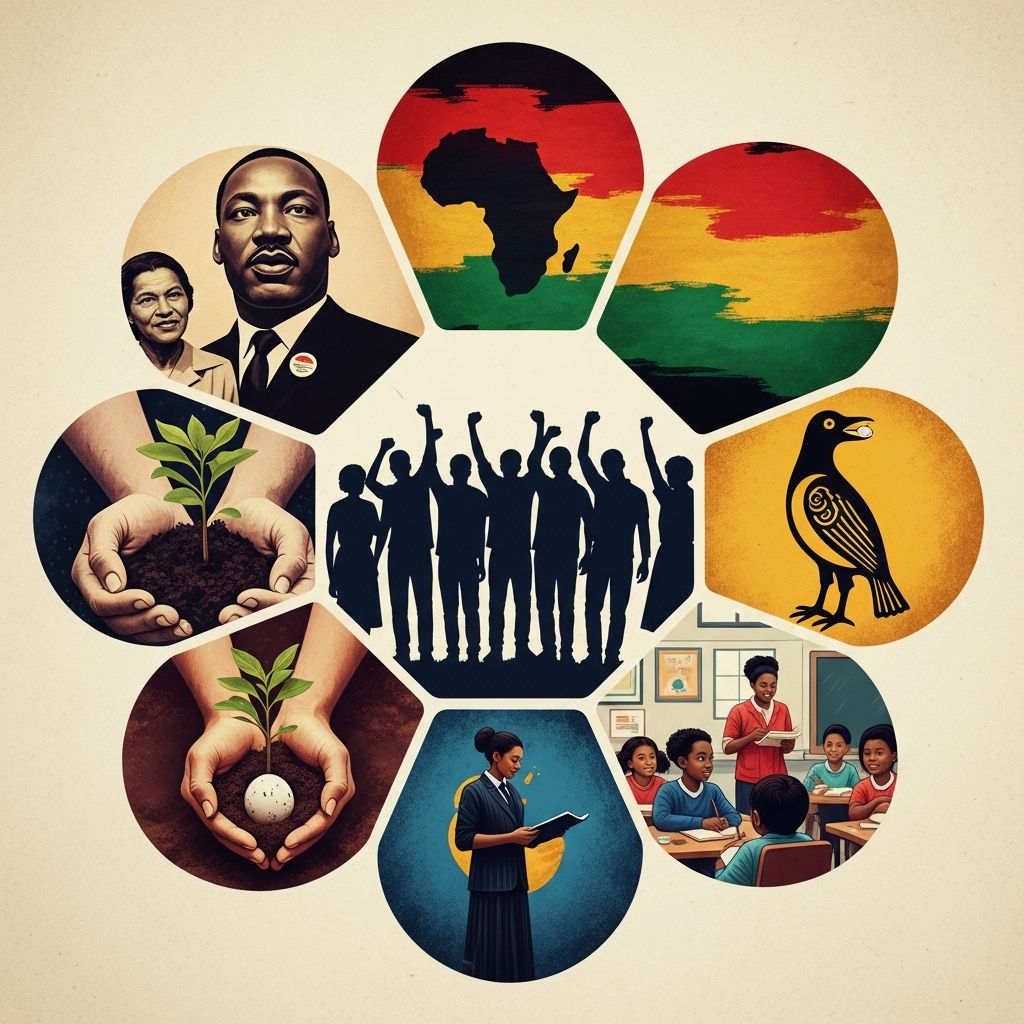
Observing Black History Month provides an essential opportunity to recognize the profound contributions, resilience, and cultural richness of Black Americans throughout history. Rather than relying on superficial gestures, effective celebrations involve immersive learning, community involvement, and personal reflection. This article presents a fresh collection of strategies tailored for educators, families, and communities, drawing inspiration from diverse historical events and cultural practices to create lasting educational value.
Building Foundations with Historical Narratives
Start by grounding observances in accurate, multifaceted stories that go beyond well-known figures. Focus on lesser-discussed events like the roles of enslaved individuals in fort construction or the educational struggles during Reconstruction. For instance, exploring sites like Fort Washington Park reveals how enslaved laborers contributed to military infrastructure, highlighting their resilience amid adversity.
In classrooms, dedicate time to panel discussions mirroring virtual events such as those hosted by national historic sites. These can feature student-led presentations on figures like Frederick Douglass or George Washington Carver, incorporating birthdays and oratorical contests to make history personal and dynamic. Encourage learners to research primary sources, such as letters or artifacts, to develop critical thinking skills.
- Organize weekly narrative spotlights on overlooked patriots, such as African American soldiers in revolutionary battles.
- Incorporate art as activism, studying creators like the Bowsers who used portraits to advocate for Colored Troops.
- Visit or virtually tour one-room schoolhouses to discuss barriers to Black education post-Civil War.
Integrating Arts and Performance into Daily Routines
Arts offer a vibrant avenue for engagement, transforming abstract history into tangible experiences. Host lantern-lit tours or dramatic reenactments of battlefield stories, adapting them for school auditoriums with safe, indoor performances. These activities emphasize physical and emotional connections to events like the Kings Mountain battle, where Black patriots played key roles.
Music and poetry workshops can spotlight genres from jazz to gospel, encouraging participants to perform pieces by Black composers. Families might sing hymns from the African diaspora during gatherings, including historical context in programs to deepen appreciation.
| Art Form | Historical Tie-In | Activity Idea |
|---|---|---|
| Music | Gospel and Jazz Origins | Group sing-alongs with composer biographies |
| Visual Art | Activism Portraits | Student murals depicting community heroes |
| Performance | Oratorical Contests | School-wide speech competitions |
Family-Centered Cultural Immersion
Families can strengthen bonds through shared cultural explorations. Reading sessions with books by Black authors, selected for various age groups, introduce leaders and everyday heroes. Titles featuring stories like Ruby Bridges’ integration efforts spark discussions on courage and change.
Culinary adventures provide sensory learning; prepare dishes rooted in African American or West African traditions, such as peanut stews or cornbread, while discussing their historical significance in sustaining communities. Pair meals with documentaries like Remember the Titans for family viewings followed by reflective talks.
- Curate playlists of Black music genres for dinner soundtracks.
- Host storytelling circles with elders sharing local histories.
- Explore virtual museum exhibits from institutions like the Smithsonian.
Community and Workplace Initiatives
Extend celebrations outward by supporting Black-owned businesses and attending events at historically Black churches. Workplace book clubs focusing on biographies of figures like Sojourner Truth or Thurgood Marshall build empathy and awareness. Guest speakers, virtually or in-person, can share insights on innovators like Carter G. Woodson, the originator of Black History observances.
Social media campaigns amplify voices; curate lists of Black creators in art, food, and activism for followers to engage with year-round. Community field trips to historic sites or pop-up exhibits foster collective learning.
Student-Driven Projects for Empowerment
Empower students by letting them lead. Begin with visioning sessions where they select themes beyond “famous five” figures, creating multimedia projects like podcasts or digital timelines. These initiatives encourage ownership and deeper research into unsung heroes.
- Develop community art walks featuring student murals.
- Organize voter registration drives tied to civil rights history.
- Create hygiene kits for donation, honoring health pioneers in Black communities.
Leveraging Digital and Virtual Resources
In an era of connectivity, virtual programming from museums offers accessible entry points. The National Museum of African American History and Culture provides interactive exhibits on migration and resilience, ideal for remote participation. Online panels and kid-friendly activities ensure inclusivity.
Encourage digital storytelling; students can produce videos on African nations’ cultures or compile social media threads on Black excellence.
Year-Round Commitment Beyond February
True observance extends past one month. Integrate Black history into curricula continuously, reading Dr. King’s Letter from Birmingham Jail or studying global figures like Nelson Mandela. Patronize Black businesses routinely and vote informed by historical contexts.
Track progress with reflection journals, assessing how activities shifted perspectives. This sustained approach honors the ongoing narrative of Black achievement.
Frequently Asked Questions (FAQs)
What makes a Black History Month celebration authentic?
Authenticity stems from depth—focusing on primary sources, diverse voices, and action like supporting Black communities, rather than token events.
How can schools involve all grades?
Tailor activities: kindergarteners enjoy stories and crafts, while high schoolers lead debates and research projects on contemporary issues.
Are virtual options effective?
Yes, platforms like Smithsonian virtual tours provide high-quality, interactive content rivaling in-person visits.
How to measure impact?
Use pre/post surveys on knowledge gained, observation of engagement, and follow-up projects demonstrating retained learning.
Can workplaces adapt these ideas?
Absolutely; book clubs, speaker series, and allyship training translate seamlessly to professional settings.
References
- 10 Engaging Ways to Honor and Celebrate Black History Month — American Battlefield Trust. 2023. https://www.battlefields.org/news/10-engaging-ways-honor-and-celebrate-black-history-month
- 29 Ways You Can Participate in Black History Month — R-Squared. 2022. https://www.r2hub.org/library/29-ways-you-can-participate-in-black-history-month
- How Families Can Celebrate Black History Month Together — Together for Youth. 2023. https://www.togetherforyouth.org/how-families-can-celebrate-black-history-month-together/
- 6 Ways to Celebrate Black History Month — Academy of Nutrition and Dietetics. 2024. https://www.eatright.org/food/cultural-cuisines-and-traditions/celebratory-dates/celebrate-black-history-month
- Black History Month Ideas for Work – 15 Best Ways to Celebrate — Workhuman. 2023. https://www.workhuman.com/blog/ways-to-celebrate-black-history-month/
- 10 Things You Can Do to Honor Black History Month — Stand.earth. 2021-02-04. https://stand.earth/insights/10-things-you-can-do-to-honor-black-history-month/
- 7 Ideas for Student-Led Black History Month Celebrations — NAESP. 2023. https://www.naesp.org/blog/7-ideas-for-student-led-black-history-month-celebrations/

Medha Deb is an editor with a master's degree in Applied Linguistics from the University of Hyderabad. She believes that her qualification has helped her develop a deep understanding of language and its application in various contexts. Medha specializes in the areas of beauty, health, sports, and wellness and is committed to ensuring that the content on the website is…