
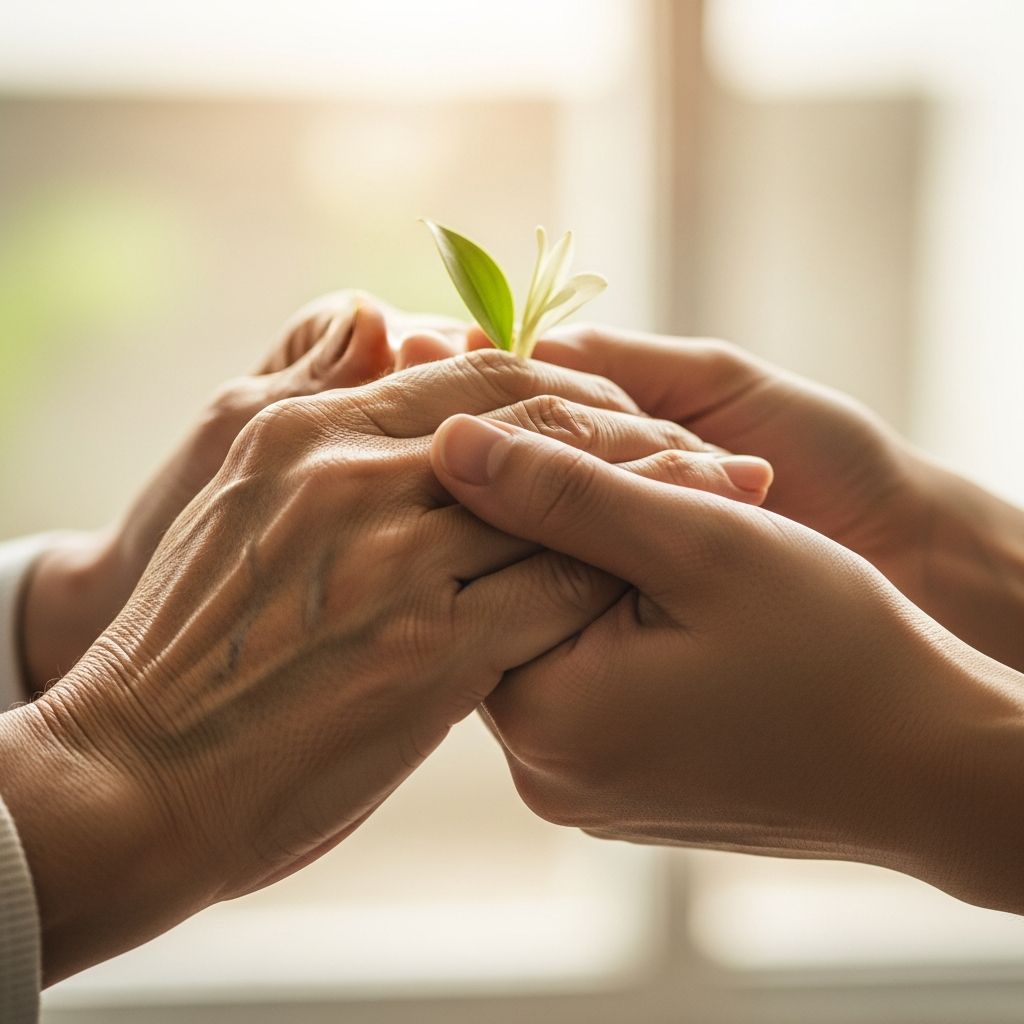
Mental health counseling offers a safe place to explore painful experiences, understand your emotions, and build skills for a more fulfilling life. Whether you are struggling with the weight of past trauma, present-day anxiety, relationship difficulties, or major life transitions, working with a skilled counselor can help you feel less alone and more empowered in your journey toward healing.
This article explores what a compassionate, trauma-informed counselor typically offers, who can benefit from therapy, and what you can expect from the process. It is inspired by the profile of an experienced licensed professional clinical counselor and is designed to give you a clear, practical picture of how counseling may support you or someone you care about.
Understanding the Role of a Licensed Professional Clinical Counselor
A Licensed Professional Clinical Counselor (LPCC) is a mental health professional trained to assess, diagnose, and treat emotional and behavioral challenges using evidence-based counseling approaches. LPCCs complete graduate-level education in counseling, supervised clinical hours, and pass licensing exams regulated at the state level.
They commonly work with:
- Adults seeking support with anxiety, depression, stress, or burnout
- Adolescents facing school pressure, identity concerns, or family conflict
- Couples experiencing relationship strain, communication issues, or trust concerns
- Individuals coping with trauma, grief, or significant life changes
Many LPCCs also develop specialty areas, such as trauma-informed care, grief counseling, or working with survivors of abuse, allowing them to tailor therapy to the unique needs of their clients.
Core Values of a Compassionate Counseling Approach
A counselor inspired by person-centered and trauma-informed principles will emphasize safety, respect, and collaboration in every session. You are seen not just as a diagnosis, but as a whole person with strengths, history, culture, values, and hopes for the future.
Key elements you can expect
- Nonjudgmental presence: You can talk openly about your experiences without fear of criticism or shame.
- Emotional safety: The pacing and depth of conversations are guided by your readiness, especially when discussing traumatic or painful memories.
- Collaboration: Therapy goals are created together, and you are encouraged to give feedback about what is or is not working.
- Cultural sensitivity: Your background, identity, and lived experiences are respected and incorporated into the work.
- Strengths-based lens: The counselor helps you identify existing skills, values, and resources that can support your healing.
Who Can Benefit from This Type of Counseling?
While anyone seeking personal growth can benefit from counseling, some common concerns bring people into therapy. Research shows that around 1 in 5 adults in the U.S. experiences a mental illness each year, and many struggle without adequate support. Counseling can be especially helpful for those facing the challenges below.
1. Anxiety, Worry, and Stress
Persistent worry, racing thoughts, restlessness, or physical symptoms such as tension and trouble sleeping may signal an anxiety disorder. Cognitive and behavioral techniques help you identify unhelpful thinking patterns, regulate your nervous system, and respond to stress more effectively.
- Generalized anxiety and chronic worry
- Social anxiety and fear of judgment
- Panic attacks and physical symptoms of anxiety
- Work, academic, or caregiving stress
2. Depression, Grief, and Emotional Numbness
Counseling supports those experiencing sadness, emptiness, or loss of interest, as well as individuals grieving a death, breakup, or major life change. Therapy offers space to process painful emotions, gently challenge hopeless thoughts, and reconnect with a sense of meaning.
- Low mood, fatigue, and loss of motivation
- Feeling disconnected or “numb”
- Bereavement and complicated grief
- Life after divorce, job loss, or relocation
3. Trauma, Abuse, and Complex Histories
Trauma-informed counseling recognizes the deep impact of abuse, violence, neglect, discrimination, and other overwhelming experiences. Trauma can affect emotions, relationships, memory, and even physical health. Therapy can help you regain a sense of control, rebuild trust, and reduce symptoms such as hypervigilance, nightmares, or emotional flooding.
- Childhood emotional, physical, or sexual abuse
- Domestic or intimate partner violence
- Accidents, medical trauma, or near-death experiences
- Chronic stress from systemic oppression or discrimination
4. Relationship and Family Difficulties
Many people seek counseling when relationships feel tense, confusing, or unsatisfying. Therapy can focus on how you communicate, set boundaries, and respond to conflict with partners, family members, friends, or coworkers.
- Frequent arguments or disconnection in couples
- Blended family stress and co-parenting challenges
- People-pleasing, resentment, or difficulty saying no
- Loneliness and trouble forming or maintaining close bonds
5. Life Transitions and Identity Questions
Changes like becoming a parent, changing careers, entering or leaving higher education, or navigating identity exploration can stir up anxiety and uncertainty. A counselor provides grounded support as you clarify your values and make decisions aligned with your long-term well-being.
What a Typical Counseling Process May Look Like
Every counselor has a unique style, but many follow a general progression that helps build trust and move from crisis stabilization to deeper change.
| Phase of Counseling | Primary Focus | What You Might Experience |
|---|---|---|
| Initial Sessions | Understanding your story and goals | History taking, exploring your present concerns, discussing your hopes for therapy, and reviewing confidentiality and boundaries. |
| Stabilization | Reducing immediate distress | Learning grounding skills, safety planning if needed, and building routines that support sleep, nutrition, and self-care. |
| Deep Work | Exploring patterns and root causes | Processing emotions, examining beliefs, and making connections between past experiences and current reactions. |
| Integration | Applying changes and consolidating progress | Practicing new skills in daily life, updating goals, and planning how to continue growth beyond therapy. |
| Transition or Ending | Reviewing gains and next steps | Reflecting on what has shifted, identifying relapse-prevention strategies, and deciding if check-in sessions will be helpful. |
Common Therapeutic Approaches Used by Counselors
Many counselors blend several evidence-based methods to match your needs. You do not have to know which approach you want before starting; your counselor can explain options and collaborate with you on the most helpful path.
- Cognitive Behavioral Therapy (CBT): Focuses on how thoughts, feelings, and behaviors influence one another. CBT is widely supported for anxiety, depression, and many other conditions.
- Person-Centered Therapy: Emphasizes empathy, unconditional positive regard, and your own inner capacity for growth. You lead the direction; the counselor offers reflection and support.
- Trauma-Informed and Trauma-Focused Care: Integrates knowledge about how trauma affects the brain and body, prioritizing safety, choice, and empowerment.
- Mindfulness-Based Strategies: Teach awareness of the present moment, helping reduce rumination and emotional reactivity.
- Relational and Attachment-Focused Work: Looks at how early relationships shape expectations and patterns in current relationships.
In-Person and Telehealth Options
Many counselors now offer both in-person and telehealth sessions. Telehealth has grown rapidly, expanding access to care for people in rural areas, those with limited mobility, and individuals balancing work or caregiving responsibilities.
Benefits of telehealth counseling
- Greater accessibility for people who live far from providers
- Reduced travel time and transportation barriers
- Increased privacy and comfort for some clients
- Continuity of care during illness, weather, or travel disruptions
Research and policy organizations have identified telehealth as a key strategy for addressing mental health workforce shortages and long waitlists, especially in underserved communities.
Creating a Safe and Inclusive Space
A counselor inspired by trauma-informed and person-centered principles works intentionally to build an environment where diverse identities and experiences are honored. This is especially important because discrimination, stigma, and social exclusion can worsen mental health symptoms and discourage people from seeking help.
Safety and inclusivity may include
- Using gender-affirming and culturally respectful language
- Inviting conversations about how culture, faith, and identity shape your experience
- Checking in regularly about the pace and focus of therapy
- Collaborating on boundaries, such as touch, homework, or between-session contact
- Recognizing the impact of systemic factors like racism, poverty, and marginalization on mental health
Skills and Coping Strategies You May Learn
Beyond emotional support, counseling often teaches practical tools you can use outside of sessions. Over time, these skills help you feel more capable of managing stress, navigating conflict, and responding to triggers.
- Grounding and calming techniques to manage anxiety, panic, or trauma responses
- Communication and assertiveness skills to express needs, set boundaries, and handle difficult conversations
- Cognitive restructuring to identify and reframe unhelpful or self-critical thoughts
- Emotion regulation strategies to tolerate intense feelings without shutting down or acting impulsively
- Relapse-prevention planning to recognize early warning signs of crisis and know what supports to use
What to Consider When Choosing a Counselor
Research suggests that the quality of the therapeutic relationship—your sense of trust, safety, and collaboration with your counselor—is one of the strongest predictors of positive outcomes in therapy. When selecting a counselor, consider the following factors.
- Licensure and credentials: Confirm that the counselor is licensed in your state (for example, as an LPCC, LPC, LCSW, LMFT, or psychologist).
- Specialty areas: Look for experience with your concerns, such as trauma, grief, couples work, or adolescent issues.
- Approach and style: Some people prefer a structured, skills-focused style; others value a more exploratory, insight-oriented approach.
- Logistics: Consider session length, frequency, telehealth availability, fees, and insurance or sliding-scale options.
- Comfort level: After a few sessions, reflect on whether you feel heard, respected, and safe sharing vulnerable experiences.
Frequently Asked Questions (FAQs)
How do I know if I should see a counselor?
You may want to consider counseling if emotional distress, relationship conflict, or stress is interfering with your daily life, work, or relationships, or if you feel stuck repeating the same patterns despite trying to change on your own. Many people also seek therapy proactively to build resilience and prevent future crises.
How long does counseling usually last?
Length of counseling varies widely. Some people attend for a few months to work on a specific goal, while others engage in longer-term therapy to process complex trauma or explore deeper patterns. You and your counselor can revisit goals and timeline regularly to ensure the plan fits your needs.
Is online counseling as effective as in-person therapy?
Studies and professional organizations report that for many conditions, telehealth is comparable in effectiveness to in-person therapy, especially when technology is reliable and privacy is maintained. The best format depends on your preferences, resources, and clinical needs.
What if I do not feel comfortable with my counselor?
It is appropriate to share your concerns directly with your counselor and explore whether adjustments can improve the fit. If you still feel uncomfortable after trying to address the issue, you have the right to seek a different provider whose style and background align more closely with your needs.
Can counseling help even if I do not have a diagnosis?
Yes. Counseling is not only for diagnosed mental health conditions. Many people attend therapy for self-discovery, stress management, relationship support, or guidance during transitions. Early support can sometimes prevent difficulties from escalating into more severe symptoms.
References
- Mental Health Counseling Trends: Why Now is the Best Time to Pursue This Career — Concordia University Irvine (Townsend Institute). 2022-06-15. https://www.cui.edu/townsend/articles/post/mental-health-counseling-trends-why-now-is-the-best-time-to-pursue-this-career
- 10 Behavioral Health Trends for 2025 — Behavioral Health News. 2025-01-10. https://behavioralhealthnews.org/10-behavioral-health-trends-for-2025/
- Mental Health Trends 2025: The Rise of Early Intervention and Youth-Centered Care — Dianova International. 2024-11-20. https://www.dianova.org/news/mental-health-trends-2025-the-rise-of-early-intervention-and-youth-centered-care/
- How Therapy Improves Mental Health, Emotional Wellness & Relationships — Adaptive Behavioral Services. 2025-03-01. https://www.adaptivebehavioralservices.com/mental-wellness-blog/how-therapy-improves-mental-health
- The Road to Tomorrow — American Counseling Association, Counseling Today Magazine. 2025-01-01. https://www.counseling.org/publications/counseling-today-magazine/article-archive/article/ct-jan-2025/the-road-to-tomorrow
- Top 10 Trends to Watch in 2025 — American Psychological Association (APA Monitor). 2025-01-01. https://www.apa.org/monitor/2025/01/top-10-trends-to-watch
- The State of Mental Health in America 2025 — Mental Health America. 2024-10-01. https://mhanational.org/the-state-of-mental-health-in-america/

- Integrated M.A. in Applied Linguistics, University of Hyderabad
- 5+ years in editorial, instructional, SEO, and research-based writing
Sneha is a relationships and lifestyle writer with a strong foundation in applied linguistics and certified training in relationship coaching. She brings over five years of writing experience to theskillvault, crafting thoughtful, research-driven content that empowers readers to build healthier relationships, boost emotional well-being, and embrace holistic living. Her writing and insights reflect the belief that beauty, happiness, and wellness…