
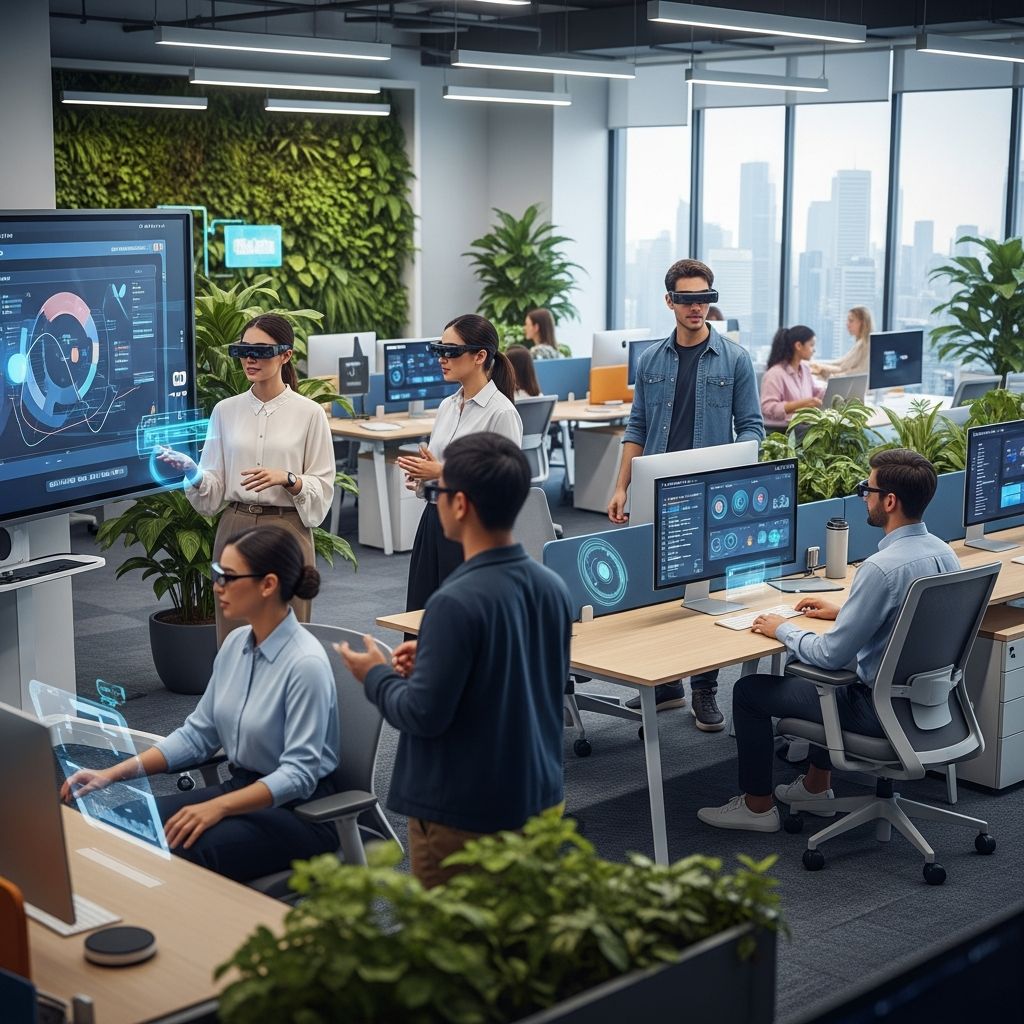
Understanding Modern Office Environments in Tech
The contemporary office has undergone a dramatic transformation. What once served primarily as a physical location for employees to gather and perform tasks has evolved into something far more nuanced and intentional. Companies like Meta recognize that office spaces represent more than just real estate—they embody organizational culture, values, and strategic vision for how work gets accomplished in the modern era.
The shift toward reimagining office environments stems from several converging factors. Technological advancement has untethered many knowledge workers from the need to be physically present at a desk for eight hours daily. Simultaneously, employee expectations have evolved, particularly as younger generations enter the workforce with different priorities regarding work-life balance and workplace amenities. Organizations now face a critical challenge: determining what role physical offices should play when digital collaboration tools can facilitate work from virtually anywhere.
The Philosophy Behind Purposeful Workspace Design
Leading technology companies have increasingly adopted a philosophy that views office design not as an afterthought but as a strategic business function. This perspective recognizes that how spaces are arranged, what amenities they include, and the overall environment they create can significantly influence employee engagement, innovation, and retention.
Purposeful workspace design starts with understanding how different types of work actually happen. Focused individual work requires different environmental conditions than collaborative brainstorming sessions. Rather than assuming everyone needs the same desk setup, forward-thinking organizations are creating diverse work zones tailored to specific activities. This approach acknowledges that employees have varying needs throughout their workday and that flexibility in workspace options can enhance both productivity and satisfaction.
Creating Spaces That Inspire Connection
One of the most significant shifts in office design philosophy involves moving away from sterile, corporate aesthetic toward environments that feel more human and inviting. This transformation reflects a deeper understanding that workplace design influences not just how efficiently people work, but how they feel about coming to the office in the first place.
Companies are increasingly incorporating elements that promote genuine human connection. This includes designing welcome areas that feel warm and inviting rather than imposing, creating informal gathering spaces that encourage spontaneous interactions, and incorporating natural elements that have been shown to improve mood and cognitive function. The goal is to create environments where people want to be present, not merely spaces where they feel obligated to show up.
Hospitality-Inspired Design Elements
A notable trend emerging in premium office environments involves drawing inspiration from hospitality design—think upscale coffee shops and well-designed hotels rather than traditional corporate settings. These spaces typically feature warm lighting, comfortable furniture, high-quality food and beverage offerings, and attention to aesthetic details that create an elevated experience. The underlying principle is that if a workspace feels more like a destination than an obligation, employees are more likely to appreciate time spent there.
Wellness and Rejuvenation Zones
Progressive organizations recognize that traditional office environments often fail to support employee well-being. Addressing this gap, modern offices are incorporating dedicated wellness spaces including meditation rooms, quiet zones for focused work, fitness facilities, and areas designed for relaxation and mental restoration. These additions acknowledge that sustainable productivity requires organizations to support not just what employees accomplish, but their overall health and well-being.
Flexibility and Adaptability as Core Design Principles
Perhaps no principle is more central to 2025’s approach to office design than flexibility. As hybrid work models have become entrenched across industries, offices can no longer be designed around the assumption that everyone works in the same way or needs the same resources at the same time.
This flexibility manifests in several practical ways. Movable walls and modular furniture systems allow spaces to be reconfigured based on immediate needs. Multi-purpose rooms serve different functions at different times rather than being designated for single uses. Hot-desking arrangements and touchdown spaces replace the traditional assigned-desk model, allowing employees to select work environments matching their immediate task or preference.
The economic benefits of flexible design shouldn’t be overlooked. Companies benefit from more efficient space utilization, reduced overhead from maintaining underused dedicated areas, and the ability to adapt quickly as organizational needs evolve. However, the primary advantage remains the enhanced employee experience that comes from having options and control over their work environment.
Technology Integration and Smart Workspaces
Modern offices leverage technology not as a replacement for human interaction but as an enabler of better collaboration and work experiences. Artificial intelligence and automation are streamlining routine workplace processes, from scheduling conference rooms to managing facility operations, allowing employees and managers to focus on higher-value activities.
Smart building systems optimize environmental conditions including lighting, temperature, and air quality based on real-time occupancy and preferences. Seamless technology integration allows employees to transition between focused work and collaboration without friction, supporting the fluid nature of modern work.
The Role of Office Space in Hybrid Work Models
With hybrid work becoming the dominant workplace structure, the office has undergone a fundamental repositioning. Rather than serving as the default location where all work happens, modern offices increasingly function as destinations that provide specific value not available in distributed work environments.
This shift requires organizations to think strategically about what activities genuinely benefit from in-person presence. High-performing companies are dedicated to creating environments where employees naturally want to gather—where spontaneous collaboration, intensive brainstorming, relationship building, and onboarding happen most effectively. When the office provides clear value beyond simply being where work happens, employees are more motivated to participate in hybrid arrangements, and those arrangements become more productive.
Building Community Across Distributed Teams
Hybrid work structures create unique challenges for team cohesion and organizational culture. Offices are evolving to become hubs where distributed team members come together intentionally, strengthening relationships and alignment that might otherwise suffer from purely digital interaction. Thoughtfully designed collaborative spaces, team areas, and informal gathering zones all support this community-building function.
Employee Well-Being as a Strategic Priority
Organizations increasingly recognize that sustainable competitive advantage depends on employee well-being. This realization has profound implications for office design and workplace culture.
Well-being extends far beyond having a gym membership. It encompasses physical health through ergonomic furniture and active workspace options, mental health through quiet zones and stress-reduction features, and emotional well-being through connection and belonging. Progressive organizations are fundamentally reconceptualizing work environments to acknowledge that employees are whole people with diverse needs, not merely inputs to a production process.
Work-Life Balance Through Environmental Design
Physical space design directly influences whether employees experience work-life balance or constant integration between professional and personal demands. Dedicated quiet zones allow employees to achieve deep focus when needed. Wellness rooms provide space for mental recovery during the workday. Proximity to natural light and outdoor areas supports circadian rhythms and mental health. These design choices communicate organizational values regarding employee well-being more powerfully than any policy document could.
Collaboration Reimagined: From Meetings to Co-Creation
Traditional workplace meetings—where information flows primarily from presenter to audience—are giving way to more interactive, collaborative experiences. Office design is evolving to support this shift toward genuine co-creation where diverse perspectives contribute to problem-solving and innovation.
Rather than formal conference rooms arranged in presentation format, modern collaborative spaces feature flexible furniture arrangements, warm lighting, biophilic elements, and acoustic treatments designed to make participation feel natural and comfortable. These environments recognize that breakthrough innovations often emerge from informal interaction and that the most valuable collaboration happens when people feel genuinely heard and valued.
Diversity of Workpoints Over Standardized Desks
The transition from assigned desks to diverse workpoints represents a fundamental reimagining of office space utilization. Different tasks require different environmental conditions—concentrated individual work differs dramatically from collaborative problem-solving or creative brainstorming.
Modern offices provide an array of options: quiet focus areas for deep work, open collaborative zones for teamwork, casual lounge areas for informal check-ins, phone booths for confidential conversations, and informal gathering spaces. This variety acknowledges that employees are most productive and satisfied when they can work in environments suited to their immediate needs rather than forcing all activities into standardized workstations.
Creating Inclusive and Accessible Office Environments
Inclusive office design ensures that physical spaces work effectively for employees with diverse abilities, backgrounds, and working styles. This extends beyond basic accessibility compliance to genuinely considering how design choices impact people differently.
Considerations include providing multiple paths for participation in meetings (both in-person and virtual participation should be equally effective), ensuring that sensory-sensitive spaces exist for employees who experience sensory overwhelm, designing for various mobility needs, and creating spaces where different communication styles can thrive. Inclusive design ultimately benefits everyone by creating environments that are more flexible and responsive to diverse human needs.
Measuring and Iterating on Office Effectiveness
Data-driven approaches to office management are becoming standard practice. Rather than making assumptions about what office environments should include, forward-thinking organizations actively gather feedback about what employees need and value. This might include space utilization analytics, employee satisfaction surveys, passive listening through communication patterns, and direct engagement solutions that tap into employee sentiment without interrupting their work.
This measurement-focused approach allows organizations to continuously improve office environments based on actual usage patterns and employee feedback rather than outdated assumptions or generic best practices. It also helps justify office space investments by demonstrating tangible returns on those investments.
The Future of Office Environments
As we look toward the future, several trends appear likely to shape office evolution. The continued advancement of artificial intelligence will likely reduce the administrative burden of office management while enhancing employee experiences. Sustainability will increasingly drive design choices, with organizations recognizing that environmental responsibility aligns with employee values and supports long-term business success.
The integration of physical and digital experiences will deepen, with physical office spaces and digital tools becoming increasingly seamless. Organizations will likely continue shifting resources toward creating office environments that provide genuine value in a hybrid work era, rather than maintaining expensive real estate simply because it’s always existed.
Key Considerations for Modern Office Strategy
Organizations developing office strategies for 2025 and beyond should prioritize several key considerations. First, align office design with actual work processes and employee needs rather than following generic design trends. Second, embrace flexibility and adaptability as core principles rather than treating them as temporary accommodations. Third, prioritize employee well-being and experience as strategic business functions, not peripheral amenities. Fourth, create spaces that facilitate the types of interaction and collaboration that genuinely benefit from in-person presence. Finally, continuously measure and iterate based on actual usage and employee feedback rather than relying on assumptions.
Frequently Asked Questions
Q: Why should companies invest in office design when hybrid work is becoming more common?
A: Modern offices must provide clear value propositions that justify employee presence. Well-designed offices support collaboration, relationship building, and innovation that are difficult to replicate digitally, making them valuable strategic investments even as hybrid models become standard.
Q: How does office design impact employee productivity and satisfaction?
A: Office environments directly influence productivity through factors including noise levels, lighting quality, temperature, access to necessary resources, and availability of appropriate work settings for different task types. Well-designed spaces also impact job satisfaction by communicating organizational values and supporting employee well-being.
Q: What is the difference between workpoints and traditional desks?
A: Workpoints are versatile work settings available for anyone to use as needed, while traditional desks are assigned to individual employees. Workpoints allow employees to select environments matching their immediate needs and enable more efficient space utilization.
Q: How can offices support employee well-being through design?
A: Offices can support well-being through dedicated wellness rooms, quiet focus areas, access to natural light, ergonomic furniture, proximity to nature through biophilic design, and spaces for movement and rest throughout the workday.
Q: What role does technology play in modern office environments?
A: Technology streamlines administrative workplace functions, optimizes environmental conditions, enables seamless collaboration between in-office and remote participants, and enhances the overall employee experience through smart building systems and integrated communication tools.
Q: How should companies measure whether their office investments are successful?
A: Companies should track space utilization data, gather regular employee feedback about office experiences, monitor engagement and satisfaction metrics, and assess whether office environments effectively support the types of work that benefit from in-person collaboration.
References
- The Future of Work: Trends and Insights for 2025 — IMD. 2025. https://www.imd.org/blog/learning-and-development/future-of-work/
- Top 8 Workplace Trends of 2025, According to Designers — Little Online. 2025. https://www.littleonline.com/insights/top-8-workplace-trends-of-2025-according-to-designers/
- 10 Workplace Trends for 2025: What’s In and What’s Out — Gensler. 2025. https://www.gensler.com/blog/10-workplace-trends-for-2025-whats-in-and-whats-out
- The 5 Employee Experience Trends Redefining Work in 2025 — Qualtrics. 2025. https://www.qualtrics.com/articles/employee-experience/employee-experience-trends/
- 7 Workplace Challenges for 2025 — Gallup. 2025. https://www.gallup.com/workplace/654329/workplace-challenges-2025.aspx

Medha Deb is an editor with a master's degree in Applied Linguistics from the University of Hyderabad. She believes that her qualification has helped her develop a deep understanding of language and its application in various contexts. Medha specializes in the areas of beauty, health, sports, and wellness and is committed to ensuring that the content on the website is…