
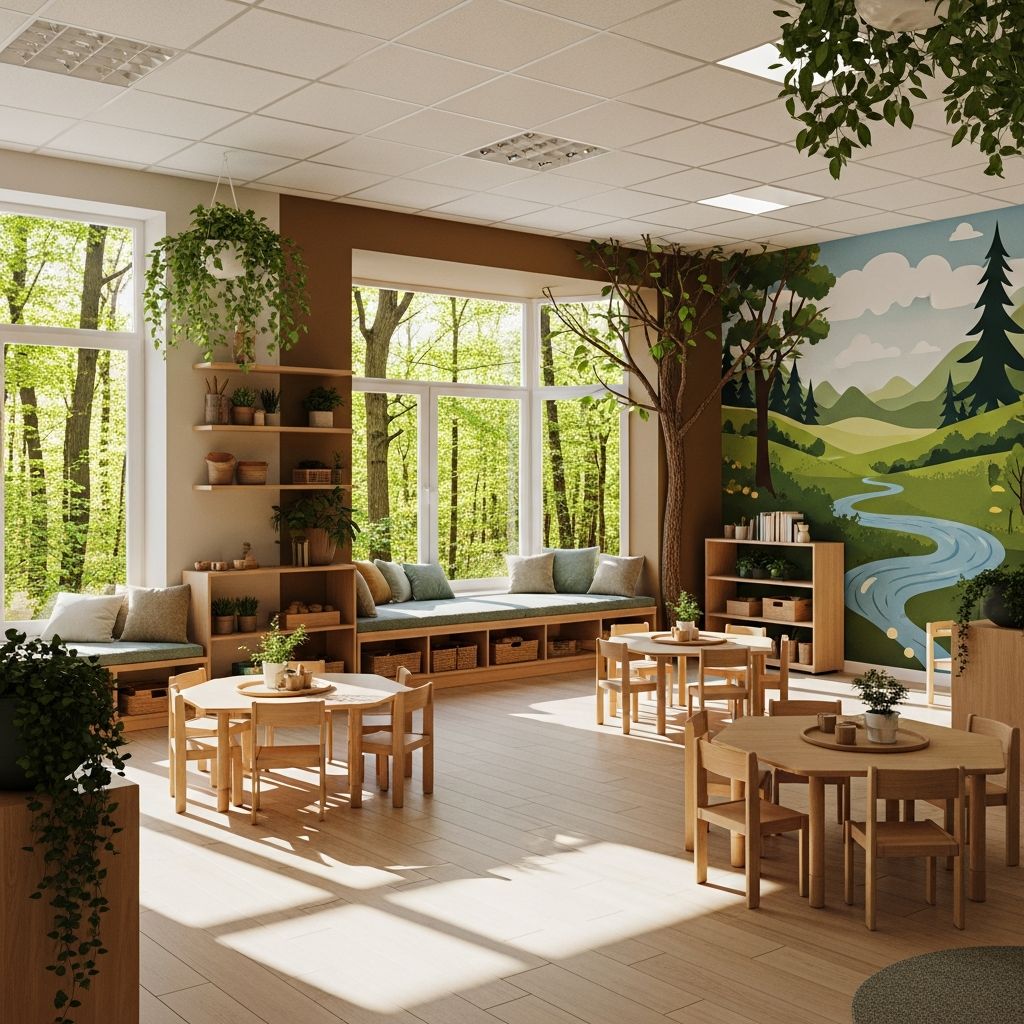
Creating a classroom that mirrors the tranquility of the natural world can profoundly impact students’ learning experiences. By incorporating elements like lush greenery, wooden textures, and soft earth tones, educators can craft spaces that promote relaxation, spark imagination, and deepen environmental awareness. This approach not only beautifies the room but also aligns with research showing that natural settings enhance cognitive function and emotional well-being.
Why Choose a Nature Theme for Your Classroom?
A nature-inspired design goes beyond aesthetics; it creates an atmosphere conducive to focused learning. Exposure to plants and organic materials has been linked to reduced stress levels and improved concentration among students. In busy school environments, such themes provide a soothing counterbalance, helping children thrive academically and socially.
- Stress Reduction: Greenery and natural light lower cortisol levels, fostering a calmer mindset for lessons.
- Creativity Boost: Organic shapes and colors inspire innovative thinking during art and problem-solving activities.
- Environmental Connection: Themes encourage discussions on sustainability, building lifelong stewardship habits.
- Versatility: Suitable for all grades, from preschool play areas to high school study nooks.
Educators report that these designs make classrooms feel more inviting, leading to higher engagement and fewer disruptions. Starting with simple changes like adding potted plants can yield immediate benefits.
Selecting the Perfect Color Scheme
Earthy palettes form the foundation of any nature-themed space. Opt for muted greens, warm browns, soft beiges, and subtle blues to evoke forests, soil, and skies. These hues create harmony without overwhelming the senses, unlike bright primary colors that can distract.
| Color | Inspiration | Uses in Classroom |
|---|---|---|
| Forest Green | Leaves and moss | Wall accents, bulletin borders |
| Terracotta Brown | Tree bark, earth | Furniture, labels |
| Soft Sage | Herbs and fields | Posters, rugs |
| Creamy Beige | Sand dunes | Backgrounds, shelves |
Incorporate these through paint, fabric, or printable decor. For minimalism, pair with plenty of white space to keep the room airy and open. This palette supports visual rest, essential for long school days.
Incorporating Plants and Greenery
Live or faux plants are the heartbeat of a nature classroom. They purify air, add life, and serve as teachable moments for biology lessons. Low-maintenance options like pothos, snake plants, or succulents thrive in low light and require minimal care, ideal for busy teachers.
- Place trailing ivy near windows for a cascading effect.
- Cluster ferns in reading corners for cozy vibes.
- Hang air plants in macrame holders from ceilings.
- Use moss terrariums on desks for hands-on science.
Beyond decor, plants facilitate cross-curricular activities: measure growth in math, discuss photosynthesis in science, or draw them in art. Studies affirm that biophilic design—integrating nature indoors—improves attendance and mood.
Organic Materials and Textures
Introduce wood slices, burlap, and woven baskets to add tactile depth. These elements mimic forest floors and riverbanks, engaging multiple senses. Avoid plastic; source reclaimed wood or branches from local parks (safely collected).
For storage, use rattan bins labeled with leaf motifs. Cover bulletin boards in cork or linen for a natural feel. Textures encourage exploration—students might trace wood grains during free time, enhancing sensory development.
Wall Displays and Visual Aids
Transform blank walls into immersive landscapes. Feature botanical prints, animal silhouettes, or watercolor leaves in earthy tones. Editable templates allow customization for schedules, rules, or alphabet charts.
- Bulletin Boards: Frame with eucalyptus borders for a spa-like calm.
- Calendars: Design with seasonal motifs like falling leaves or blooming flowers.
- Word Walls: Use vine-like headers with leaf letters.
- Student Work: Pin artwork on twig-framed boards.
Minimize clutter; focus on high-impact, cohesive pieces that tie into lessons, such as ecosystem diagrams or wildlife habitats.
Furniture and Layout Ideas
Arrange desks in pods resembling forest clearings, with central rugs mimicking meadows. Opt for wooden tables or covers to enhance the theme. Create flexible zones: a ‘grove’ for group work, a ‘canopy’ under hanging branches for reading.
Incorporate floor cushions stuffed with natural fibers for circle time. Maximize natural light with sheer curtains, boosting vitamin D and alertness. This layout promotes collaboration while maintaining calm flow.
Lighting and Ambiance Enhancers
Soft, warm lighting evokes sun-dappled woods. String fairy lights along branches or use Himalayan salt lamps for a golden glow. Sheer fabrics diffuse harsh fluorescents, creating peaceful transitions between activities.
Scent diffusers with pine or lavender (school-approved) add subtle aroma therapy, further reducing anxiety. These touches make the space feel alive and nurturing.
Interactive Learning Zones
Dedicate areas for nature-based play. A discovery table with rocks, shells, and magnifying glasses sparks inquiry. Set up a journaling station with recycled paper for sketching outdoor finds.
For older students, include a research nook with field guides and globes. These zones blend fun with education, reinforcing subjects like ecology and geography.
Seasonal Adaptations
Evolve the theme yearly: autumn leaves in fall, snowy pines in winter, wildflowers in spring. Swap decor to teach cycles, keeping the space fresh and relevant. This adaptability maintains excitement without full overhauls.
Budget-Friendly Sourcing Tips
Forage safely for free items like pinecones or driftwood. Thrift wooden crates or dollar-store baskets. Printables from educator sites offer affordable custom decor. Invest in durable plants that last years, yielding high ROI on serenity.
Frequently Asked Questions
Can nature themes work in small classrooms?
Yes, vertical elements like hanging plants and wall pockets maximize space without crowding floors.
Are live plants safe for students with allergies?
Choose hypoallergenic varieties like succulents; faux options work well too, maintaining the aesthetic.
How do I maintain plants in a school setting?
Assign student ‘plant caretakers’ for weekly watering; low-light species need little upkeep.
Does this theme suit all grade levels?
Absolutely—from sensory bins for preschoolers to advanced biome projects for middle school.
What if my school restricts decor changes?
Start portable: table plants, desk mats, and clip-on labels for easy setup.
Measuring Success and Student Impact
Track improvements via student feedback surveys or observation logs. Notice enhanced focus during reading or enthusiasm for science? That’s the theme working. Parents often comment on the welcoming vibe during visits.
Ultimately, a nature-inspired classroom nurtures holistic growth. It teaches that learning, like nature, flourishes in supportive environments. Experiment, observe, and refine to make your space uniquely yours.
References
- Nature-Inspired Classroom Supplies — Really Good Stuff. 2023. https://www.reallygoodstuff.com/nature-inspired-classroom/c/aff/
- Nature Themed Classroom Decor — Miss Jacobs Little Learners. 2023. https://missjacobslittlelearners.com/collections/nature-themed-classroom-decor
- Nature Themed Classroom Decor: A Calming Plant Filled Classroom — Building Book Love. 2023. https://buildingbooklove.com/naturethemeclassroom/
- Nature-Inspired Classroom Themes — Carson Dellosa Education. 2023. https://www.carsondellosa.com/collections/classroom-decorations/classroom-styles/nature-inspired-classroom-themes/
- 14 Nature Themed Classroom Ideas To Create a Soothing Space — We Are Teachers. 2023. https://www.weareteachers.com/nature-themed-classroom/
- 14 Relaxing Minimalist Nature-Themed Classroom Ideas — Mrs Learning Bee. 2023. https://mrslearningbee.com/learn/blog/watercolour-foliage-decor

Medha Deb is an editor with a master's degree in Applied Linguistics from the University of Hyderabad. She believes that her qualification has helped her develop a deep understanding of language and its application in various contexts. Medha specializes in the areas of beauty, health, sports, and wellness and is committed to ensuring that the content on the website is…