
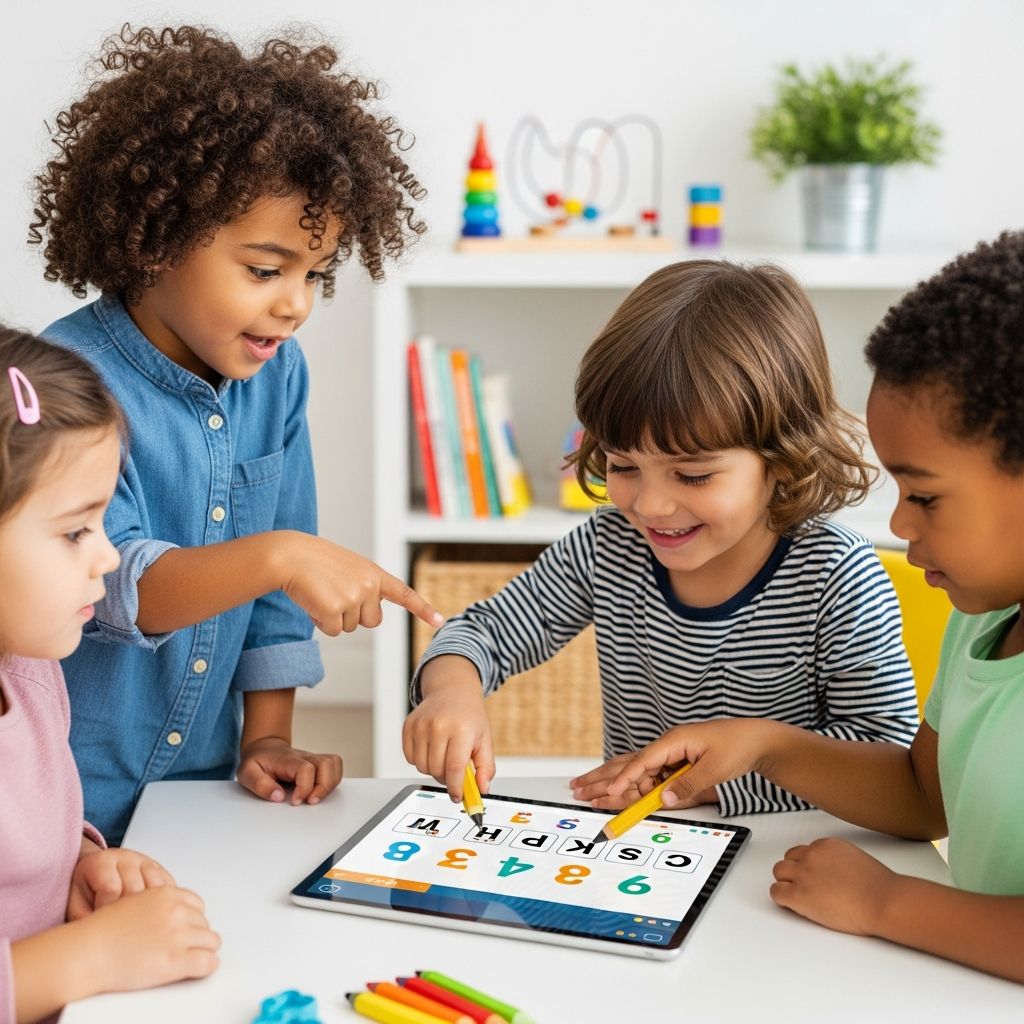
Online preschool and kindergarten programs provide structured yet adaptable education for children aged 3 to 6, blending live interactive sessions, recorded content, and hands-on activities accessible from home. These virtual options leverage certified teachers and digital tools to build foundational skills while accommodating family schedules and individual needs.
Core Elements of Virtual Preschool and Kindergarten
Virtual early education combines synchronous live classes with asynchronous materials to create a balanced learning rhythm. Teachers deliver real-time lessons via video platforms, incorporating songs, group discussions, and collaborative games that mimic in-person interactions. Pre-recorded videos and printable resources allow children to revisit concepts at their own pace, reinforcing literacy, numeracy, and motor skills through play-based methods.
Programs emphasize developmental milestones such as letter recognition, counting, shape identification, and basic social etiquette. Interactive elements like virtual storytimes and digital crafts engage young minds, while progress tracking tools help parents monitor growth. State-certified educators, often specialized in early childhood, guide sessions and offer feedback to ensure steady advancement.
Key Advantages for Young Learners and Families
One primary strength of online programs is their adaptability to diverse family dynamics. Parents working irregular hours or managing multiple children find it easier to integrate learning without rigid drop-off times. This setup eliminates commuting stress and allows siblings to share a learning space, streamlining daily routines.
- Schedule Flexibility: Access lessons anytime, fitting around naps, meals, or travel, which suits remote or traveling families.
- Personalized Pace: Adaptive platforms adjust difficulty based on performance, preventing frustration or boredom for gifted or slower learners.
- Cost Savings: Many public virtual schools offer free tuition, contrasting with private in-person fees, while selective enrollment in courses reduces expenses.
- Safety Focus: Home-based learning minimizes exposure to illnesses, providing a controlled environment during health concerns.
Digital exposure builds tech familiarity early, teaching navigation of apps and devices essential for future schooling. Parental oversight fosters closer bonds, with adults serving as learning coaches to facilitate activities and discussions.
Building Social and Emotional Foundations Virtually
Critics once questioned virtual socialization for toddlers, but modern platforms counter this with breakout rooms, peer pairing, and group projects. Children connect with diverse classmates nationwide, practicing turn-taking, sharing, and empathy through moderated play. Features like virtual show-and-tell encourage expression and build confidence.
Emotional growth thrives in smaller virtual groups, offering more teacher attention than crowded physical classes. Programs incorporate mindfulness exercises and emotion-identification games, supporting self-regulation. Research affirms that quality virtual preschool aids kindergarten readiness, with participants showing gains in language and cooperation skills.
Determining Readiness: Ages and Developmental Signs
Most programs target ages 3-5 for preschool and 5 for kindergarten, but readiness varies. Look for signs like sustained attention for 10-15 minutes, interest in peers, following simple instructions, and curiosity about books or numbers. Advanced potty training and basic self-help skills ease transitions, though many programs accommodate beginners.
| Age Range | Typical Readiness Indicators | Program Focus |
|---|---|---|
| 3-4 Years | Curiosity, short attention span, emerging speech | Play-based exploration, basic concepts |
| 4-5 Years | Longer focus, social interest, counting to 10 | Pre-literacy, simple math, group activities |
| 5+ Years | Independent tasks, letter sounds, sharing | Kindergarten prep, reading foundations |
Setting Up an Effective Home Learning Space
Success hinges on a dedicated area free from distractions, equipped with a reliable computer, headset, webcam, and stable internet. Stock supplies like crayons, paper, manipulatives, and fidget toys to support tactile learning. Establish routines with visual schedules to build predictability.
Parents act as facilitators, logging in for classes, pausing for questions, and extending lessons offline. Orientation sessions familiarize families with platforms, while coach resources provide training videos and forums for tips. Dedicate 2-4 hours daily, blending screen time with physical play to maintain engagement.
Customization and Support for Diverse Needs
Virtual platforms excel in tailoring education, integrating methods like Montessori sensory activities or Reggio Emilia project-based learning. For special needs, adjustable interfaces, speech-to-text, and one-on-one sessions accommodate challenges. Teachers collaborate with parents to modify goals, ensuring inclusivity.
Resources abound: printable worksheets, app-based games, and community events enrich curricula. Progress dashboards highlight strengths, guiding supplements like library visits or nature walks.
Enrollment Process for Online Programs
Steps typically include:
- Eligibility Check: Enter zip code on public school sites for tuition-free options.
- Application Submission: Provide residency proof, birth certificate, and prior records.
- Orientation Attendance: Virtual tours and tech setup guides.
- Supply Gathering: Curriculum kits often shipped free.
- School Year Start: Aligns with state calendars, with year-round access in some.
Public virtual charters like those supported by established providers serve residents statewide, expanding access.
Addressing Common Parental Concerns
Will my child miss hands-on play? Virtual kinesthetic activities bridge gaps via household items. Screen fatigue? Short sessions and outdoor extensions mitigate this. Teacher quality? Demand certification in early education and online pedagogy. Cost? Free public options abound, with low-fee privates available.
Families report reduced anxiety, stronger routines, and eager learners, validating the model for busy or rural households.
Frequently Asked Questions (FAQs)
What daily time commitment is needed?
Typically 2-3 hours of structured time, plus play-based extensions, adjustable to family life.
Are live teachers involved?
Yes, state-certified early childhood specialists lead interactive classes several times weekly.
Does it prepare for traditional kindergarten?
Absolutely, with aligned standards in academics, social skills, and independence.
What if my child has special needs?
Programs offer IEPs, adaptations, and specialist consultations.
Is technology provided?
Many public schools loan devices; check enrollment details.
Virtual early education empowers families with quality, accessible learning that nurtures holistic development in a digital era.
References
- National Institute for Early Education Research Preschool Study — NIEER. 2023. https://nieer.org/research-reports
- Online Learning for Preschoolers: Benefits and Implementation — U.S. Department of Education. 2024-06-15. https://www.ed.gov/news/press-release/ed-releases-report-online-early-learning
- Early Childhood Online Education Guidelines — NAEYC (National Association for the Education of Young Children). 2025-01-10. https://www.naeyc.org/resources/pubs/yc/online-early-childhood
- Virtual Kindergarten Readiness Research — Harvard Graduate School of Education. 2024. https://www.gse.harvard.edu/news/2024/virtual-kindergarten-study
- State Virtual School Enrollment Data — NCES (National Center for Education Statistics). 2025-02-01. https://nces.ed.gov/programs/state_virtschools

- Integrated M.A. in Applied Linguistics, University of Hyderabad
- 5+ years in editorial, instructional, SEO, and research-based writing
Sneha is a relationships and lifestyle writer with a strong foundation in applied linguistics and certified training in relationship coaching. She brings over five years of writing experience to theskillvault, crafting thoughtful, research-driven content that empowers readers to build healthier relationships, boost emotional well-being, and embrace holistic living. Her writing and insights reflect the belief that beauty, happiness, and wellness…