
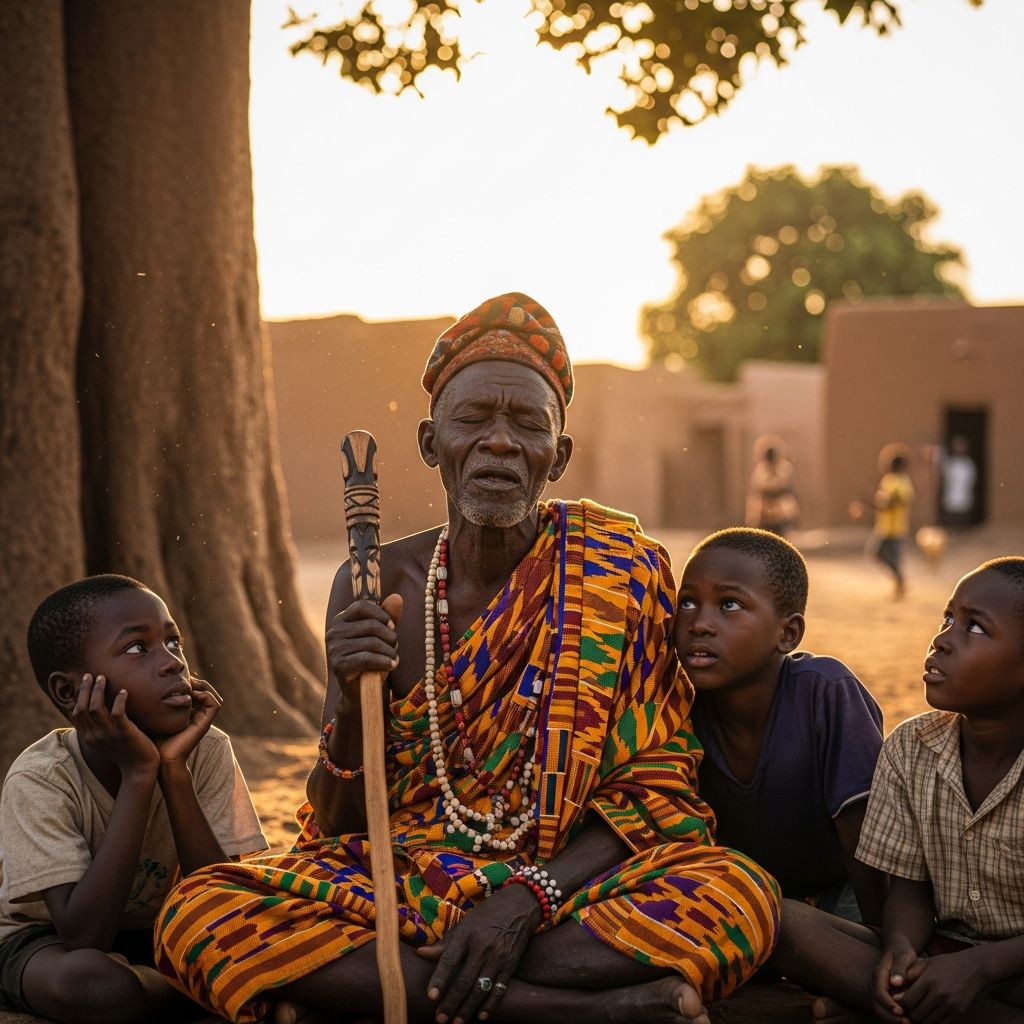
Understanding the Foundation of Cultural Continuity
Oral traditions represent humanity’s most enduring and widespread method for preserving cultural knowledge, history, and collective identity. Rather than relying solely on written records, communities have transmitted essential information, values, and stories through spoken word, music, and performance for millennia. This mode of communication predates written language itself and remains vital in contemporary societies, functioning as a dynamic living system that connects generations through shared narratives and communal experience.
The concept of oral tradition extends far beyond casual conversation. It encompasses a sophisticated framework through which societies encode their most important knowledge—from legal systems and religious beliefs to artistic expressions and practical skills. Unlike static written texts, oral traditions remain fluid, adapting to contemporary contexts while maintaining core cultural values and historical accuracy. This flexibility allows communities to keep their heritage vibrant and relevant across changing times.
The Mechanisms of Verbal Knowledge Transfer
Oral traditions function through multiple interconnected channels of communication, each serving distinct cultural purposes. These mechanisms include:
- Narrative storytelling: Structured accounts of historical events, cultural heroes, and moral lessons that transmit complex information in memorable formats
- Musical and poetic expression: Songs, chants, and verse that enhance memorability through rhythm, melody, and linguistic patterns
- Ceremonial performance: Formal contexts where traditions are enacted, validated, and reinforced within community settings
- Practical demonstration: Direct instruction in skills, crafts, medicines, and techniques through hands-on teaching and apprenticeship
- Proverbs and sayings: Condensed wisdom that encapsulates cultural values and life lessons in concise, memorable language
These diverse mechanisms work together to create redundancy and resilience in knowledge transmission. When information appears in multiple formats—as story, song, ritual, and saying—it becomes deeply embedded in collective consciousness and resists degradation across generations. Specialized practitioners, known by various cultural names such as griots in West African societies or bards in European traditions, dedicate their lives to mastering and performing these traditions, serving as repositories of cultural knowledge.
Preservation Without Paper: How Communities Maintain Accuracy
One common misconception assumes that oral traditions inevitably distort information through successive retellings, much like the children’s game of telephone. However, research demonstrates that highly structured oral traditions can be remarkably reliable.[10] Many cultures developed sophisticated mnemonic devices and rigid performance protocols that preserve content with considerable fidelity across centuries.
Aboriginal and First Nations communities exemplify this principle. These societies developed complex, performative knowledge systems incorporating storytelling, ceremonial practices, dancing, and drumming to document and transmit their histories. Rather than viewing oral cultures as lacking documentation, scholars now recognize that oral societies created elaborate and effective record-keeping systems suited to their contexts and values.
The reliability of oral transmission depends significantly on how traditions are structured and valued within a culture. Traditions deemed crucial for cultural identity, legal authority, or spiritual significance typically receive more formal, controlled transmission with less variation than casual narratives. Some oral traditions are performed with such precision that they function almost identically to written texts across multiple performances and generations.[10]
Diverse Forms and Cultural Expressions
Oral traditions manifest across an expansive spectrum of cultural forms, each reflecting the particular values and communication styles of different societies. These expressions include:
| Tradition Type | Primary Function | Cultural Context |
|---|---|---|
| Epics and hero narratives | Establishing cultural identity and values | Foundational stories like Gilgamesh and the Ramayana |
| Folktales and fairy tales | Teaching moral lessons and social norms | Adaptive stories that evolve within local contexts |
| Proverbs and riddles | Condensing wisdom into memorable phrases | Quick-reference guidance for daily decision-making |
| Legends and local history | Connecting communities to specific places | Stories featuring culture heroes or supernatural phenomena |
| Sacred songs and chants | Spiritual practice and ceremonial function | Religious contexts requiring precise, formal recitation |
| Memorates | Recording personal supernatural experiences | Ghost stories and spirit encounters shared in community |
In African contexts, oral traditions encompass proverbs, folktales, songs, dances, customs, traditional medicine knowledge, and religious practices that collectively teach lessons about life, social structures, spirituality, and proper conduct. These diverse forms allow communities to encode different types of knowledge through formats optimized for retention, transmission, and cultural impact.
The Role of Specialized Practitioners
Across cultures, certain individuals emerge as custodians and performers of oral traditions, dedicating themselves to mastering the artistic, narrative, and mnemonic skills required for effective transmission. These specialists employ sophisticated techniques that enhance both audience engagement and information retention.
West African griots exemplify this specialization. These trained professionals memorize vast repositories of genealogies, histories, and narratives, serving their communities as living libraries and cultural ambassadors. Similarly, European bards, Indian vedic scholars, and Aboriginal knowledge keepers represent distinct traditions of specialized training where individuals undergo rigorous education to become authorized transmitters of their culture’s most significant knowledge.
Contemporary storytellers employ techniques including improvisational adaptation, stock phrases that aid memorability, and strategic use of pause and emphasis to maintain audience attention while reinforcing key content. This combination of structure and flexibility allows specialists to preserve core information while making traditions relevant to changing audiences and circumstances.
The Living Continuity of Contemporary Practice
Despite widespread literacy and technological advancement, oral traditions remain central to cultural life in societies worldwide. Rather than being displaced by writing and digital media, oral traditions continue evolving, often interacting with written and electronic forms in complementary ways.
In many communities, oral transmission serves functions that written records cannot fulfill as effectively. Family meals where elders share stories about ancestors, ceremonial contexts where cultural authority is validated through formal recitation, and informal settings where practical knowledge transfers across generations all represent living oral traditions. These contexts provide more than factual information; they create communal bonds, reinforce cultural identity, and connect participants emotionally to their heritage.
First Nations and Aboriginal communities continue valuing oral transmission as an intrinsic aspect of their cultures despite adopting written tools for documentation. This reflects recognition that oral traditions serve social and spiritual functions distinct from information recording. The performed, communal, and adaptive nature of oral traditions creates experiences that enhance cultural continuity in ways pure documentation cannot replicate.
Oral Traditions and Cultural Identity Formation
Communities rely on oral traditions to transmit not merely historical facts but entire worldviews, value systems, and social structures. Through storytelling and performance, young people learn what their culture considers important, how social relationships should function, what behaviors merit approval or censure, and how to understand their place within both family and broader community.
This educational function addresses fundamental human needs beyond information transfer. Oral traditions create opportunities for collective participation, establish cultural continuity across generations, and provide frameworks through which individuals understand their identity and purpose. Stories become repositories of collective wisdom that guide decision-making and behavior in ways that transcend explicit instruction.
The Variability and Vitality of Tradition
While oral traditions can introduce variability through successive retellings—a characteristic sometimes viewed as a limitation—this flexibility also represents a crucial strength. Stories adapt to reflect changing social conditions, contemporary examples, and audience needs while maintaining underlying themes and messages. Folktales demonstrate this principle clearly, with versions of similar narratives appearing across cultures with variations reflecting local contexts and values.
This adaptive capacity allows oral traditions to remain vibrant and meaningful across generations rather than becoming antiquated historical artifacts. Traditions can simultaneously preserve authentic ancestral knowledge and respond to contemporary circumstances, creating bridges between past and present. This dynamic quality distinguishes oral traditions from static written records and explains their continued cultural relevance.
Institutional Recognition and UNESCO Support
International cultural organizations increasingly recognize oral traditions as essential heritage deserving protection and support. UNESCO designates oral traditions and expressions as a distinct category of intangible cultural heritage, encompassing the enormous variety of spoken forms including proverbs, riddles, tales, nursery rhymes, legends, myths, epic songs, poems, charms, prayers, chants, dramatic performances, and beyond.
This institutional recognition reflects growing understanding that oral traditions play crucial roles in keeping cultures alive and transmitting knowledge that might otherwise be lost. By documenting and supporting oral practitioners and contexts, cultural organizations help ensure that these ancient systems continue functioning in contemporary contexts.
Frequently Asked Questions
Q: How do oral traditions differ from written history?
A: Oral traditions are dynamic, adaptive systems that remain embedded in community performance and social practice, while written history creates static records. Oral traditions often preserve information with remarkable accuracy when highly valued culturally, yet their strength lies in maintaining living cultural continuity rather than creating unchanging documentation.[10]
Q: Can oral traditions reliably preserve information over many generations?
A: Yes, structured oral traditions can be as reliable as other knowledge-recording methods when cultures value precise transmission.[10] The key factors determining reliability include the cultural importance assigned to specific traditions, the specialization of transmitters, and the formal structures through which information is preserved and performed.
Q: Are oral traditions still relevant in modern digital societies?
A: Absolutely. Despite literacy and technology, oral traditions remain the most widespread form of human communication and cultural transmission worldwide. They serve functions—community bonding, cultural identity formation, and emotional connection—that written and digital media cannot fully replace.
Q: How do communities decide which knowledge deserves oral transmission?
A: Communities typically preserve knowledge deemed significant for cultural identity, spiritual practice, legal authority, practical survival, or moral instruction through oral traditions. This selective preservation reflects cultural values regarding what knowledge matters most for maintaining community cohesion and cultural continuity.
Q: What role do specialized practitioners play in maintaining oral traditions?
A: Specialists such as griots, bards, and knowledge keepers dedicate themselves to mastering complex narrative, mnemonic, and performance techniques. These practitioners serve as repositories of cultural knowledge and skilled performers who enhance both memorability and engagement, ensuring accurate and effective transmission across generations.
Q: How do oral traditions adapt while maintaining cultural authenticity?
A: Oral traditions balance preservation with adaptation through maintaining core themes, messages, and structures while allowing variations in specific details, contemporary examples, and performance styles. This flexibility enables traditions to remain culturally relevant and meaningful across changing social conditions.
References
- Oral Tradition Definition & Meaning — Dictionary.com. 2026. https://www.dictionary.com/browse/oral-tradition
- Oral Tradition | Social Sciences and Humanities | Research Starters — EBSCO. 2026. https://www.ebsco.com/research-starters/social-sciences-and-humanities/oral-tradition
- Oral Tradition — Britannica. 2026. https://www.britannica.com/topic/oral-tradition
- Oral Traditions and Expressions Including Language as a Vehicle — UNESCO Intangible Cultural Heritage. 2026. https://ich.unesco.org/en/oral-traditions-and-expressions-00053
- Oral Traditions — Indigenous Foundations, University of British Columbia. 2026. https://indigenousfoundations.arts.ubc.ca/oral_traditions/
- Oral Tradition Definition, Purpose & Examples — Study.com. 2026. https://study.com/academy/lesson/video/characteristics-of-oral-tradition-in-world-literature.html
- Oral Tradition — Milwaukee Public Museum. 2026. https://www.mpm.edu/educators/wirp/great-lakes-traditional-culture/oral-tradition

Medha Deb is an editor with a master's degree in Applied Linguistics from the University of Hyderabad. She believes that her qualification has helped her develop a deep understanding of language and its application in various contexts. Medha specializes in the areas of beauty, health, sports, and wellness and is committed to ensuring that the content on the website is…