
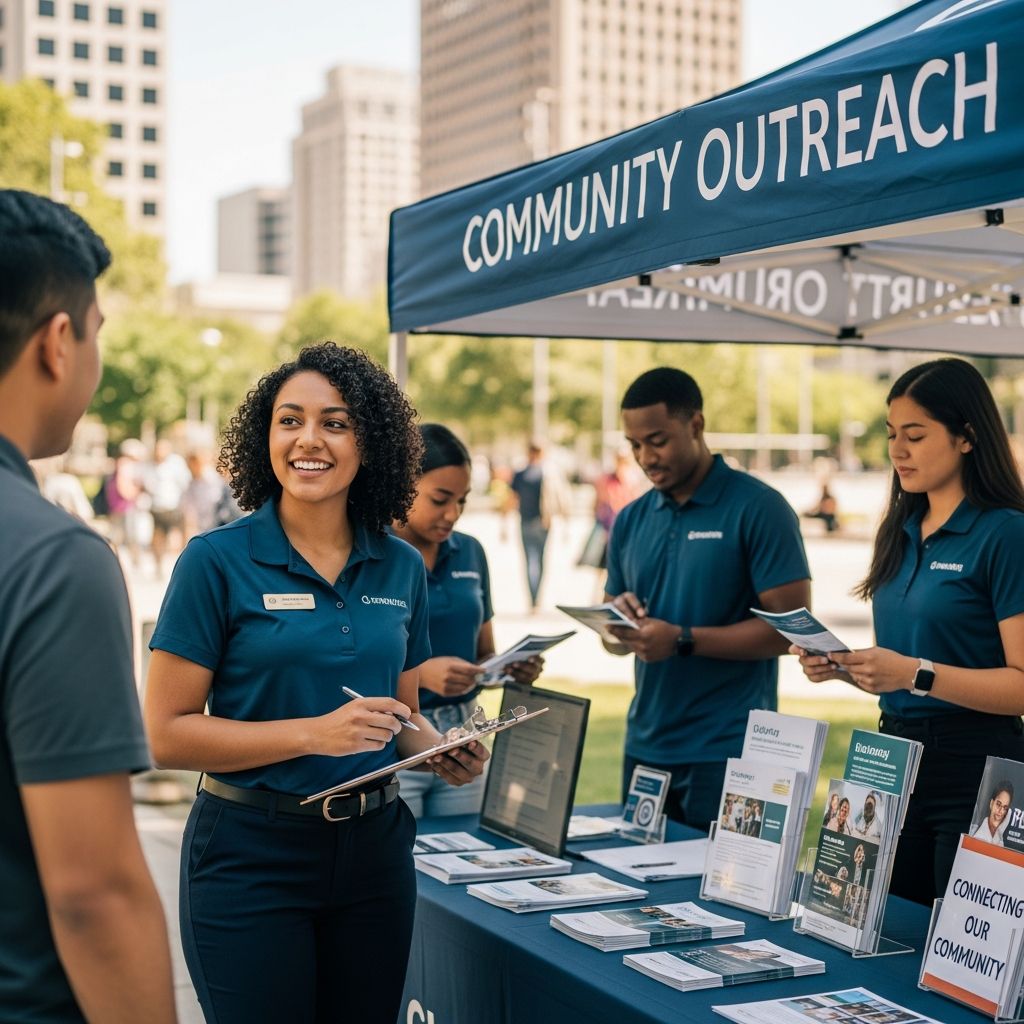
Outreach specialists play a pivotal role in connecting organizations with communities, fostering partnerships, and delivering impactful programs across sectors like education, healthcare, and social services. Success in this dynamic field demands a blend of interpersonal prowess, strategic planning, and adaptability to diverse environments.
Understanding the Outreach Specialist Role
At its core, the outreach specialist position involves bridging gaps between institutions and target audiences. Professionals in this role identify needs, build relationships, and implement initiatives that promote wellness, education, or support services. Whether working for nonprofits, educational institutions, or health agencies, they serve as frontline ambassadors who translate organizational goals into tangible community benefits.
The versatility of this career is evident in varied applications. In educational settings, specialists partner with schools and student groups to promote academic programs. In healthcare, they engage vulnerable populations to connect them with resources. Nonprofits rely on them for event planning and membership growth. This breadth requires a proactive mindset and cultural sensitivity to navigate different contexts effectively.
Key Responsibilities That Define Success
Daily tasks revolve around proactive engagement and meticulous execution. Specialists develop outreach strategies, conduct assessments, and facilitate access to services. They organize events, manage communications, and track program outcomes to ensure sustained impact.
- Assess community needs through interviews, surveys, and on-site visits to tailor programs effectively.
- Build and nurture partnerships with local leaders, organizations, and stakeholders for collaborative efforts.
- Plan and execute events such as workshops, health fairs, and informational sessions to raise awareness.
- Maintain detailed records, enter data into management systems, and generate reports on outreach activities.
- Provide direct support, including referrals to housing, counseling, or educational resources based on individual assessments.
In high-stakes environments like youth homelessness prevention, specialists perform street outreach safely, adhering to protection policies while guiding individuals toward solutions. For alumni programs, they coordinate engagement activities to empower networks and foster loyalty.
Essential Skills for Outstanding Performance
Excellence hinges on a robust skill set. Strong communication—both verbal and written—is non-negotiable, enabling clear presentations, empathetic interviews, and persuasive advocacy. Interpersonal abilities help in forging trust with diverse groups, from seniors to at-risk youth.
| Skill Category | Description | Application Example |
|---|---|---|
| Communication | Articulate ideas across formats and audiences | Presenting at community meetings or writing reports |
| Relationship Building | Foster long-term partnerships | Collaborating with local leaders on joint initiatives |
| Organization | Manage schedules, data, and logistics | Coordinating event calendars and referral logs |
| Problem-Solving | Address complex challenges creatively | Navigating barriers to service access for participants |
| Cultural Competence | Understand and respect diverse backgrounds | Tailoring programs for underserved populations |
Technical proficiency in databases and tools for tracking progress is increasingly vital. Multitasking thrives those who prioritize deadlines while maintaining attention to detail.
Qualities That Set Top Performers Apart
Beyond skills, innate qualities drive distinction. Passion for community service fuels persistence in challenging scenarios. Resilience helps rebound from setbacks, such as low event turnout or resistant stakeholders. A results-oriented approach focuses efforts on measurable outcomes, like enrollment increases or service connections.
Empathy stands out, allowing specialists to grasp nuanced needs during assessments. Proactivity—spotting opportunities without direction—amplifies impact. Ethical integrity ensures confidentiality and adherence to regulations, building credibility.
- Demonstrate initiative by identifying service gaps and proposing solutions.
- Cultivate adaptability to shift between office administration and field work seamlessly.
- Embrace continuous learning through training on aging issues or public health trends.
Navigating Daily Challenges Effectively
Outreach work presents hurdles like resource limitations, stakeholder resistance, or unpredictable field conditions. Successful specialists mitigate these by prioritizing safety protocols, especially in street outreach, and leveraging data to justify expansions.
Time management counters heavy workloads from assessments, events, and reporting. Burnout risks demand self-care routines and boundary-setting. When gaps emerge, such as underserved areas, proactive reporting to supervisors prompts systemic improvements.
Strategies for Career Advancement
Ascending in this field involves gaining experience, pursuing education, and networking. Entry often requires a bachelor’s in social services, public health, or related fields, though lived experience substitutes in community-focused roles.
Advanced positions demand proven results, like program growth metrics. Certifications in counseling or event planning enhance profiles. Networking at coalitions and advisory boards opens doors to leadership.
- Document achievements quantitatively, e.g., “Connected 200 individuals to services annually.”
- Seek mentorship from seasoned professionals for guidance.
- Volunteer for cross-sector projects to broaden expertise.
- Pursue graduate studies for senior roles in policy or management.
Measuring Impact and Ensuring Sustainability
Quantifying success involves metrics like participation rates, referral completions, and feedback scores. Tools track progress, informing refinements. Long-term, specialists build coalitions for enduring change, such as policy advocacy for senior services.
Sustainability comes from diversifying funding, training successors, and evaluating programs rigorously. This ensures initiatives outlast individual tenures.
FAQs
What education is needed to become an outreach specialist?
A bachelor’s degree in social work, public health, or a related field is typical, but relevant experience can suffice.
Do outreach specialists work in the field or office?
Both: field work for engagements and assessments, office for planning and reporting.
How can I prepare for an outreach specialist interview?
Highlight communication examples, community involvement, and problem-solving scenarios.
What salary can outreach specialists expect?
Varries by sector and location, often $45,000–$65,000 annually based on experience.
Is prior experience mandatory?
Preferred but not always; passion and transferable skills matter.
References
- Outreach Specialist Job Description — 100Hires. 2023. https://100hires.com/outreach-specialist-job-description.html
- Outreach Specialist Job Description [PDF] — Areawide Aging Agency. 2024-05. http://www.areawideaging.org/wp-content/uploads/2024/05/Job-Description-Outreach-Specialist.pdf
- Outreach Specialist: What Is It? and How to Become One? — ZipRecruiter. 2024. https://www.ziprecruiter.com/career/Outreach-Specialist/What-Is-How-to-Become

Medha Deb is an editor with a master's degree in Applied Linguistics from the University of Hyderabad. She believes that her qualification has helped her develop a deep understanding of language and its application in various contexts. Medha specializes in the areas of beauty, health, sports, and wellness and is committed to ensuring that the content on the website is…