
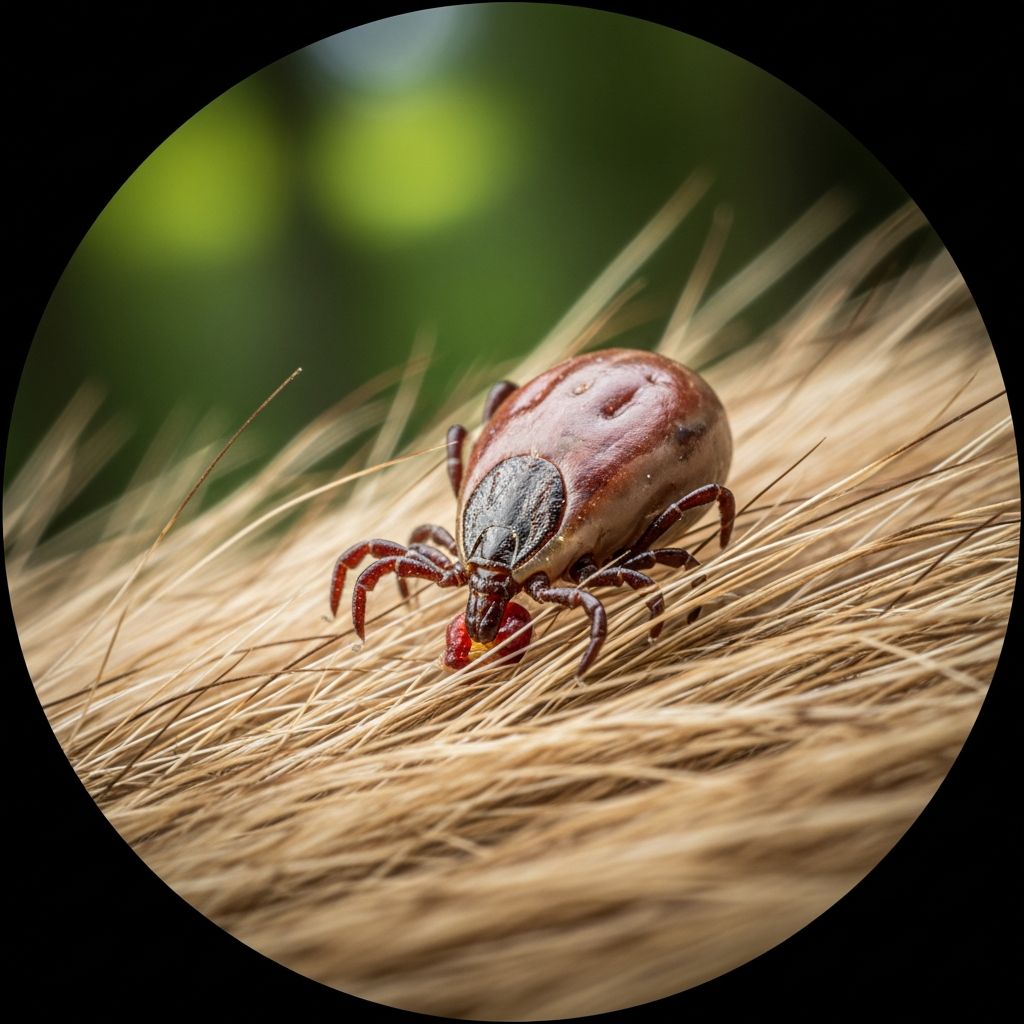
Understanding Parasitic Relationships in Biological Systems
Parasitism represents one of the most fascinating and widespread biological interactions found throughout nature. At its core, parasitism describes a symbiotic relationship where one organism, termed the parasite, derives nutrition or shelter from another organism, called the host, while simultaneously causing harm or disadvantage to that host. Unlike mutualistic relationships where both parties benefit, or commensal relationships where one benefits without affecting the other, parasitism is inherently one-sided, creating a dynamic where the parasite’s gain directly correlates with the host’s loss.
This form of interaction has evolved over millions of years, resulting in remarkable adaptations and survival strategies. Parasites have developed sophisticated mechanisms to locate, penetrate, and exploit their hosts while minimizing their own vulnerability to detection or destruction. The relationship between parasite and host often represents an evolutionary arms race, where hosts continuously evolve defensive mechanisms while parasites counter-adapt to overcome these defenses.
Defining the Parasite-Host Dynamic
The relationship between a parasite and its host operates on a fundamental principle: resource extraction. The parasite obtains essential nutrients, shelter, or other survival resources directly from the host organism. This extraction occurs at the host’s biological expense, meaning the host experiences reduced fitness, diminished energy reserves, or compromised health. The parasite achieves this without providing any reciprocal benefit to its host.
Parasites exhibit remarkable specificity in host selection. Many parasites have evolved to infect only particular host species or even specific tissues within those species. This specialization reflects millions of years of coevolution, where parasites and hosts have become intricately linked through adaptive radiation. Some parasites demonstrate such refined host preferences that they cannot survive in alternative hosts, creating a biological lock-and-key relationship.
The defining characteristic separating parasitism from predation lies in the duration and intent of the relationship. Predators consume their prey entirely and relatively quickly. Parasites, conversely, maintain prolonged associations with living hosts, carefully extracting resources over extended periods to ensure host survival until maximum exploitation is achieved.
Distinguishing Between Parasite Categories
Parasites occupy diverse ecological niches and have evolved varied strategies for exploiting their hosts. Understanding these distinctions illuminates the complexity of parasitic adaptations.
External Parasites
Ectoparasites represent parasites that inhabit the external surfaces of their hosts. These organisms exist on skin, fur, feathers, or other external structures, feeding on blood, skin cells, or other accessible tissues. Common examples include ticks, fleas, lice, and certain mites. These parasites have evolved specialized mouthparts and attachment mechanisms that allow them to pierce skin or penetrate protective barriers. Many ectoparasites transmit diseases while feeding, amplifying their harmful effects beyond simple nutrient extraction.
Internal Parasites
Endoparasites live within their hosts’ bodies, inhabiting various tissues and organ systems. These parasites have evolved remarkable strategies for surviving hostile internal environments, including the ability to evade immune system detection and withstand digestive processes. Tapeworms, hookworms, and various protozoans exemplify this category. Internal parasites often cause more severe host damage than external parasites because they directly compromise vital organ function and absorb nutrients from digestive systems.
Parasites of Parasites
A particularly intriguing category involves parasites that themselves become parasitized. Known as hyperparasites or epiparasites, these organisms feed on other parasites. For instance, a protozoan might parasitize a flea that itself parasitizes a dog, creating a multi-level parasitic hierarchy. This phenomenon demonstrates that parasitic relationships permeate biological systems at multiple ecological levels.
Social Parasitism
Some organisms exploit the behavioral and social structures of other species rather than extracting physical resources. Social parasites manipulate host societies, often forcing hosts to provide labor or care without receiving compensation. Certain ant species exemplify this strategy, infiltrating colonies and compelling workers to provision the parasite’s offspring.
Specialized Parasitic Strategies
Reproductive Manipulation Through Brood Parasitism
Brood parasites have evolved one of nature’s most deceptive strategies: convincing host organisms to raise offspring that are not their own. The cuckoo bird exemplifies this approach, depositing eggs in the nests of other bird species. Host birds unknowingly incubate and feed the parasitic chick, diverting critical resources from their own offspring. The parasitic chick often develops larger than host chicks, monopolizing food brought by the exhausted foster parents. Many brood parasites have evolved eggs that mimic host egg coloration, further deceiving their hosts. Some parasitic chicks even produce vocalizations that trigger intense feeding responses, manipulating parental instincts to maximize resource acquisition.
Closely Related Host Selection
Certain parasites, termed adelphoparasites, specifically target hosts that are closely related to themselves—sometimes even members of the same species. This strategy minimizes the physiological shock of parasitism while exploiting the host’s high genetic similarity. Insects in the family Aphelinidae demonstrate this behavior, creating intricate dynamics within narrowly defined ecological niches.
Disease Vectors and Parasitic Transmission
Beyond direct resource extraction, parasites frequently serve as vectors for pathogenic organisms. Mosquitoes transmit Plasmodium species, causing malaria in millions of people annually. These parasites represent some of humanity’s most significant health threats, combining parasitic exploitation with disease transmission into devastating biological weapons. The mosquito essentially becomes a mobile syringe, injecting parasitic protozoans into vertebrate hosts during feeding.
Similarly, ticks transmit Lyme disease and numerous other pathogens while simultaneously feeding on host blood. Fleas historically transmitted plague bacteria, resulting in some of history’s most catastrophic pandemics. Understanding parasite-disease relationships illuminates why parasitic infections demand urgent public health interventions.
Host Defense Mechanisms and Evolutionary Consequences
Hosts subjected to parasitic pressure have evolved sophisticated defensive mechanisms. Immune system development has been partly shaped by the need to combat parasitic infections. Many parasites produce antigens that trigger host immune responses, yet many parasites simultaneously evolve ways to evade or suppress these defenses through molecular mimicry or immunosuppressive secretions.
Behavioral adaptations also emerge as hosts attempt to reduce parasitic exposure. Grooming behavior, for instance, helps many mammals remove ectoparasites. Some organisms exhibit avoidance behaviors, keeping distance from parasitism hotspots. Certain birds cooperatively mob parasitic cuckoos, attempting to drive them away before they can deposit eggs.
Parasites, meanwhile, evolve counteradaptations to overcome host defenses, creating an ongoing evolutionary dialogue. This arms race ensures that parasitism remains a dynamic rather than static biological phenomenon, with neither party achieving permanent advantage.
Parasitic Diversity Across Kingdoms
Parasitic Animals
Animal parasites encompass remarkable diversity. Nematodes (roundworms) infect billions of humans, particularly in developing regions with inadequate sanitation. Cestodes (tapeworms) inhabit intestinal systems, absorbing pre-digested nutrients directly from host digestive tracts. Trematodes (flukes) parasitize various tissues, from blood vessels to bile ducts. Arthropod parasites including insects and arachnids have evolved millions of years of host associations, resulting in precisely adapted feeding mechanisms and life cycles.
Parasitic Plants
Plant parasitism demonstrates how parasitic strategies transcend animal kingdom boundaries. Some plants have entirely lost photosynthetic capability, instead parasitizing other plants for all nutritional needs. Dodder represents a remarkable example, producing threadlike stems that wrap around host plants while sending haustoria (specialized penetrating structures) directly into host vascular tissues. Other parasitic plants retain partial photosynthetic capacity, supplementing solar energy capture with parasitic resource extraction.
Ecological and Evolutionary Significance
Parasitism fundamentally shapes ecosystem structure and evolutionary trajectories. Parasitic pressure drives host evolution, potentially increasing overall species fitness as populations adapt to parasitic threats. Paradoxically, this evolutionary pressure may enhance host vigor by selecting for more resistant genotypes. Parasites also regulate host populations, preventing any single species from achieving overwhelming ecological dominance. This regulatory function contributes to biodiversity maintenance and ecosystem stability.
Furthermore, parasitic relationships influence food web dynamics. Parasites consume significant portions of host biomass, redirecting energy flows through parasitic rather than predatory pathways. In some ecosystems, parasitic biomass rivals or exceeds predator biomass, demonstrating parasitism’s substantial ecological footprint.
Common Parasitic Examples Across Nature
- Malaria parasites: Plasmodium species transmitted by anopheline mosquitoes, affecting millions globally
- Intestinal worms: Helminths including hookworms, roundworms, and tapeworms infecting billions
- Head lice: Pediculus humanus capitis, persistent human parasites throughout history
- Ticks and fleas: Ectoparasites transmitting numerous diseases while extracting blood
- Cuckoo birds: Brood parasites manipulating host species into raising their offspring
- Parasitic wasps: Depositing larvae inside host insects, larvae consuming hosts from within
- Barnacles: Parasitic crustaceans attaching to marine hosts
- Mistletoe: Parasitic plants penetrating host tree vascular systems
Distinguishing Parasitism from Related Symbiotic Relationships
| Relationship Type | Organism 1 Benefit | Organism 2 Benefit | Host Effect | Example |
|---|---|---|---|---|
| Parasitism | Benefits | Harmed | Negative | Tick feeding on human blood |
| Mutualism | Benefits | Benefits | Positive | Flowering plant and pollinating bee |
| Commensalism | Benefits | Unaffected | Neutral | Remora fish attached to shark |
| Predation | Benefits | Harmed | Fatal | Lion consuming antelope |
Frequently Asked Questions About Parasitism
Q: What distinguishes a parasite from a predator?
A: Predators consume prey entirely and relatively quickly, while parasites maintain prolonged relationships with living hosts, carefully extracting resources over extended periods to ensure the host survives until maximum exploitation is achieved. Parasites depend on host survival, whereas predators do not.
Q: Can parasites eventually become beneficial to hosts through coevolution?
A: While some parasitic relationships may become less harmful through coevolution, parasitism by definition involves the parasite benefiting at the host’s expense. Relationships that become truly beneficial to both parties evolve into mutualism rather than remaining parasitic.
Q: How do internal parasites survive harsh stomach environments?
A: Internal parasites have evolved numerous protective mechanisms including thick protective outer layers, production of antienzyme compounds, and locations in the intestines rather than stomach chambers where digestive conditions are less severe.
Q: Are all parasites harmful to human health?
A: Most parasites cause measurable harm to human health through nutrient competition, tissue damage, or disease transmission. However, some parasitic infections may cause minimal acute symptoms while causing chronic effects that accumulate over time.
Q: How prevalent is parasitism compared to other ecological interactions?
A: Parasitism is among the most common ecological relationships, affecting nearly all wild populations to varying degrees. Studies suggest parasitic biomass in many ecosystems rivals or exceeds predator biomass, highlighting parasitism’s massive ecological significance.
Q: Can humans eliminate parasitic diseases completely?
A: Complete elimination of parasitic diseases remains challenging due to the complexity of parasite life cycles and environmental reservoirs. However, targeted interventions addressing sanitation, vector control, and treatment significantly reduce parasitic disease burden in populations where implemented.
References
- Parasitism – Definition and Examples — Biology Online Dictionary. Accessed April 2026. https://www.biologyonline.com/dictionary/parasitism
- About Parasites — Centers for Disease Control and Prevention (CDC). Accessed April 2026. https://www.cdc.gov/parasites/about/index.html
- Parasitism — Encyclopedia Britannica. Accessed April 2026. https://www.britannica.com/science/parasitism
- Parasitism — Wikipedia. Accessed April 2026. https://en.wikipedia.org/wiki/Parasitism
- Parasitism | Definition, Types & Examples – Lesson — Study.com. Accessed April 2026. https://study.com/learn/lesson/parasitism-types-examples.html
- Definitions of parasitism, considering its potentially opposing effects — National Center for Biotechnology Information (NCBI/PMC). Accessed April 2026. https://pmc.ncbi.nlm.nih.gov/articles/PMC10478066/
- Parasitic Relationships — New England Complex Systems Institute. Accessed April 2026. https://necsi.edu/parasitic-relationships

Medha Deb is an editor with a master's degree in Applied Linguistics from the University of Hyderabad. She believes that her qualification has helped her develop a deep understanding of language and its application in various contexts. Medha specializes in the areas of beauty, health, sports, and wellness and is committed to ensuring that the content on the website is…