
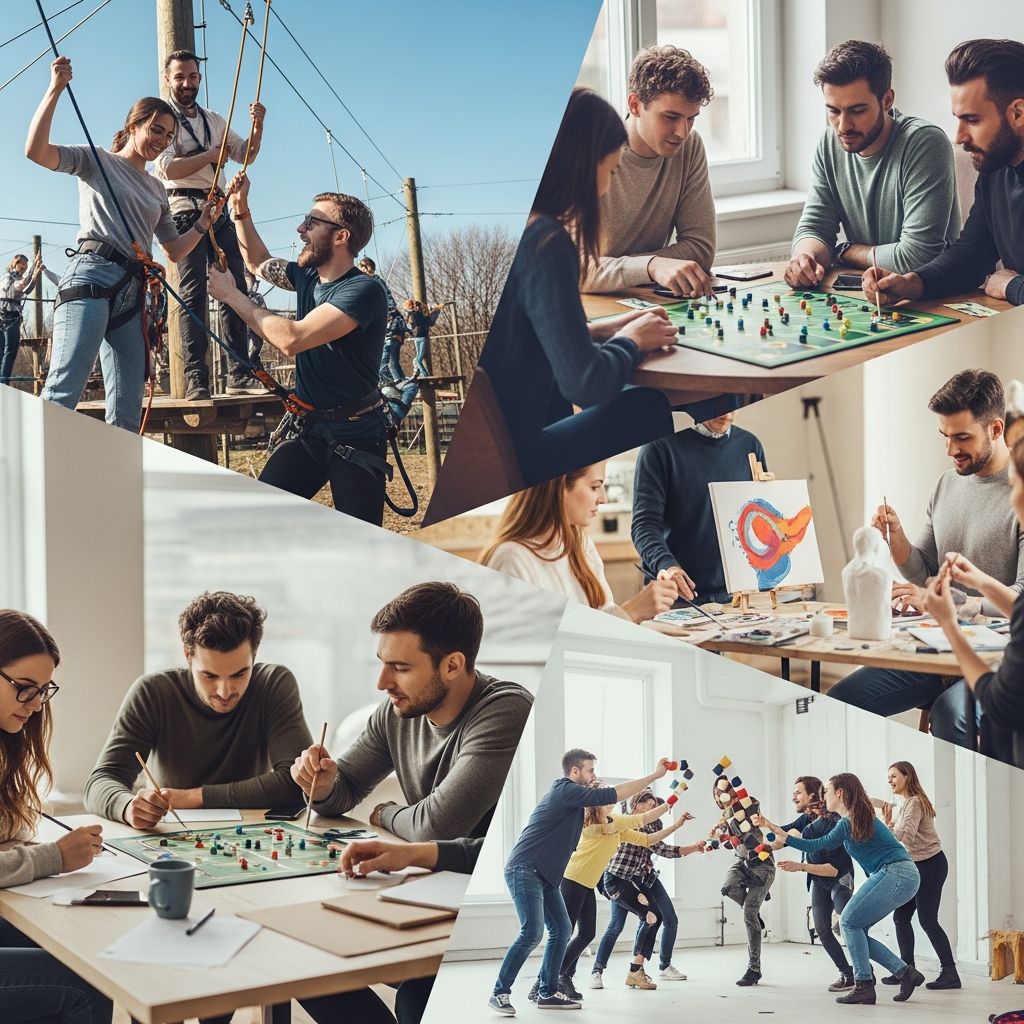
Creating effective team-building experiences is one of the most challenging aspects of modern workplace management. Organizations invest significant resources in these activities, hoping to strengthen bonds between employees, improve communication, and boost morale. Yet many initiatives fall short because they fail to account for a fundamental reality: not everyone engages the same way. A high-energy outdoor scavenger hunt might energize some team members while leaving others feeling exhausted and disconnected. Similarly, a quiet brainstorming session might appeal to thoughtful employees but bore those who thrive on dynamic interaction.
The solution lies in understanding personality diversity and designing team-building initiatives that accommodate different working styles, communication preferences, and energy levels. By recognizing that individuals process social situations, solve problems, and build relationships in distinctly different ways, organizations can create more inclusive, effective, and genuinely enjoyed team experiences.
Understanding the Foundation: Personality Diversity in the Workplace
Personality frameworks help organizations move beyond stereotypes and appreciate genuine differences in how employees think, communicate, and interact. These frameworks typically categorize individuals across several dimensions, including how they direct their energy (inward or outward), how they gather information (through concrete details or abstract patterns), how they make decisions (through logic or values), and how they structure their lives (organized or flexible).
When designing team-building activities, recognizing these differences becomes crucial. An activity that seems perfectly reasonable to one personality type might create anxiety or disengagement in another. For instance, individuals who direct energy inward typically prefer smaller group settings and time for reflection, while those who direct energy outward thrive in large group dynamics with immediate interaction and stimulation.
Energizing Approaches for Socially Oriented Personalities
Some employees naturally gravitate toward group interaction, spontaneous collaboration, and social engagement. These individuals typically energize others through enthusiasm and bring momentum to team projects. When designing activities for these personality types, prioritize experiences that create immediate social connection and allow for dynamic participation.
Competitive group games and tournaments work exceptionally well for these personalities. Sports competitions, office Olympics, and field day events provide the combination of social interaction, friendly competition, and immediate feedback that these individuals crave. The key is ensuring these activities have clear rules, visible competition, and opportunities to celebrate wins collectively. These formats allow socially oriented employees to shine while contributing energy to the entire group.
Interactive workshops and live demonstrations also resonate strongly with these personalities. Cooking competitions, film-making challenges, and creative workshops provide hands-on engagement with immediate results. The combination of learning, collaboration, and tangible output appeals to those who want to see progress and involve others in the process. These activities generate natural enthusiasm and keep the energy level high throughout.
Large-scale cultural and social events create platforms where socially oriented individuals can share their personalities and interests. Cultural exchange fairs and diversity celebrations allow these employees to take active roles in planning, presenting, and hosting. Their natural inclination toward people-oriented activity makes them excellent hosts and enthusiastic participants in events designed around human connection.
Reflective Approaches for Internally Focused Personalities
Not all employees find energy in large group settings or spontaneous social interaction. Many employees think deeply before speaking, prefer smaller group discussions, and build relationships gradually through meaningful one-on-one or small-group conversations. Designing activities for these individuals requires creating space for reflection, meaningful conversation, and deeper connection without overwhelming social demands.
Problem-solving and puzzle-based activities appeal strongly to internally focused personalities. Escape room challenges and puzzle races provide structured environments where individuals can contribute their analytical thinking and problem-solving skills without needing to be highly socially performative. These activities reward careful thinking, attention to detail, and the kind of methodical approach these personalities naturally employ. Success in these activities comes from concentration and strategic thinking rather than social energy.
Small group workshops and skill-development sessions create learning environments where internally focused employees feel comfortable. Design thinking workshops, creative classes, and professional development programs allow these individuals to engage deeply with content while building relationships in smaller, less overwhelming settings. These formats respect the need for preparation, thoughtful discussion, and gradual relationship building.
Paired and small-group activities facilitate meaningful connection without overwhelming social demands. Activities like the Hand to Hand exercise, where participants exchange personal facts with partners, or the My Dream Desk exercise, where employees describe their ideal workspace, allow for genuine personal sharing in manageable contexts. These formats let internally focused employees build authentic connections at their own pace.
Analytical Approaches for Logic-Oriented Personalities
Some employees approach decisions, problems, and situations through a primarily logical lens. They want to understand systems, appreciate clear frameworks, and solve problems through structured analysis. Team-building activities for these personalities should emphasize learning, clear objectives, and demonstrable outcomes.
Structured innovation activities appeal to logic-oriented individuals. Hackathons, where teams develop solutions within specific parameters and timeframes, provide the combination of clear goals, technical challenge, and measurable results that appeal to these personalities. These individuals appreciate knowing what success looks like and understanding the technical requirements of a challenge.
Strategy-based games and competitions engage logic-oriented employees effectively. Board game tournaments, particularly those involving strategy and planning, allow these individuals to apply analytical thinking while building team relationships. The combination of clear rules, strategic depth, and measurable outcomes creates an engaging format for these personality types.
Data-driven team challenges can transform traditional activities into analytical exercises. Transform puzzle races by tracking completion times, comparing approaches, and analyzing problem-solving strategies. This framework appeals to individuals who want to understand not just the activity but also patterns in how teams function and solve problems.
Values-Based Approaches for Relationship-Focused Personalities
While some employees lead with logic, others naturally prioritize impact on people and alignment with values. These individuals want to understand how activities contribute to team cohesion, organizational mission, or broader purposes. Activities designed for these personalities should connect to larger meanings and demonstrate care for team members.
Volunteer and community-focused team activities strongly resonate with values-oriented personalities. DIY project days that create art for office spaces or contribute to community improvement align with their desire to make meaningful contributions. These activities satisfy both the team-building objective and the desire to contribute to something larger than the immediate group.
Wellness and mindfulness-focused activities appeal to individuals who prioritize wellbeing and interpersonal harmony. Yoga retreats and mindfulness sessions address multiple values simultaneously: employee wellness, stress reduction, and team care. These activities demonstrate organizational investment in employee wellbeing while creating calming shared experiences.
Storytelling and personal sharing activities allow values-oriented employees to connect authentically. Activities that encourage sharing personal stories, discussing passions, or exploring core values create the meaningful human connection these individuals seek. These formats honor the relational focus and help team members understand each other more deeply.
Flexible Approaches for Spontaneous Personalities
Some employees prefer flexibility, variety, and the freedom to adapt as circumstances change. These personalities often become bored with rigid structures and appreciate activities that allow for creativity, improvisation, and changing approaches. Team-building for these individuals should include elements of surprise and adaptability.
Brainstorming and rapid-ideation activities suit spontaneous personalities perfectly. Rapid-fire brainstorming sessions, where teams generate numerous ideas within short timeframes, energize these individuals. The fast pace, variety of ideas, and freedom to explore creative directions without premature evaluation appeal to their preference for flexibility and possibility.
Adaptive and evolution-based activities engage spontaneous personalities by allowing change. Role-playing scenarios that evolve based on participant decisions, or challenge-based activities where approaches can shift, provide the flexibility these individuals value. The ability to respond creatively to changing circumstances keeps these personalities engaged.
Multi-option activity menus let spontaneous employees choose pathways through team-building experiences. Rather than a single mandatory activity, offering several simultaneous options allows these individuals to select formats that appeal to them. This approach respects their preference for autonomy and variety.
Structured Approaches for Organized Personalities
Conversely, some employees appreciate clear structure, well-defined procedures, and clear endpoints. These personalities want to understand expectations, know what will happen, and appreciate preparation and planning. Activities for these individuals should have transparent rules, clear schedules, and defined objectives.
Scheduled and planned activities with clear agendas appeal to organized personalities. Team-building workshops that follow structured curricula, professional development programs with defined learning objectives, and competitions with transparent rules create the clarity these individuals prefer. These formats allow for proper preparation and understanding of what to expect.
Project-based activities with phases and milestones align with organized personalities’ preference for structure. Film-making challenges with defined phases (planning, creation, review), creative projects with stage gates, or multi-round competitions provide the organizational framework these individuals appreciate. The ability to understand progress and accomplish defined stages provides satisfaction.
Clear communication and planning materials support organized personalities’ engagement. Providing detailed activity descriptions, schedules, participant roles, and success criteria ensures these individuals feel prepared and confident in their participation. This reduces anxiety and increases genuine engagement.
Hybrid and Balanced Approaches for Mixed Teams
Most organizations include diverse personality types working together. Rather than creating separate activities for each personality type, which would be impractical, designing experiences that offer multiple engagement pathways allows diverse individuals to participate authentically while contributing to shared team outcomes.
Tiered participation models
Activities can include various participation levels. A sports tournament might include competitive teams for those seeking intense competition, a casual participation tier for those wanting less pressure, and volunteer roles (scorekeeping, organization) for those who prefer supporting rather than competing. This approach allows everyone to contribute meaningfully.
Choice-based components
Within larger events, offering choices respects personality diversity. A team-building day might include scheduled large-group activities combined with optional smaller-group options, individual reflection time, and structured networking. This combination accommodates both socially oriented and internally focused personalities.
Blended format activities
Some activities naturally accommodate diverse personalities. Escape room challenges require both quick decision-makers and careful thinkers. Hackathons need both socially oriented coordinators and analytically focused technicians. Design thinking workshops blend creative ideation with structured analysis. These formats leverage personality diversity as a strength rather than a complication.
Implementation Considerations
Successfully executing personality-aligned team building requires thoughtful planning. Begin by assessing your team’s composition and identifying which personality types are represented. This doesn’t require formal personality assessments; observing how different employees naturally engage and communicate reveals important patterns.
Communicate activity details clearly in advance, allowing employees to understand what to expect and make informed participation choices. This transparency particularly supports internally focused and organized personalities who appreciate preparation time.
Include optional elements and multiple participation pathways within larger activities. This flexibility accommodates personality differences while ensuring shared team experiences. Avoid forced participation in activities that genuinely conflict with employees’ working styles; instead, offer meaningful alternatives.
Debrief team-building experiences by discussing what you learned about how different team members approach problems, communicate, and work together. This reflection transforms team-building from an activity into a genuine tool for understanding and appreciating personality diversity.
Frequently Asked Questions
Q: Do I need to conduct formal personality assessments to design personality-aligned activities?
A: Formal assessments can be helpful but aren’t necessary. Observing how team members naturally communicate, make decisions, and interact provides sufficient insight. Many organizations find that simply explaining personality diversity frameworks and inviting employees to self-identify their preferences provides valuable guidance for activity design.
Q: What if my team includes personalities that seem incompatible?
A: Personality diversity strengthens teams when leveraged effectively. Socially oriented and internally focused individuals often complement each other; analytical and values-oriented personalities provide balance. Design activities that help these different types appreciate how their approaches strengthen team outcomes rather than viewing differences as obstacles.
Q: Can one activity really accommodate multiple personality types?
A: Yes, with thoughtful design. Activities that include choice, offer multiple participation pathways, and allow different types of contributions can engage diverse personalities. Escape rooms, for instance, require both quick decision-makers and careful analysts; both personality types contribute meaningfully to success.
Q: How often should organizations conduct team-building activities?
A: Frequency depends on organizational culture and needs. Monthly smaller activities that accommodate diverse personalities often prove more effective than rare large-scale events. Consistency allows team members to increasingly appreciate personality differences and builds genuine working relationships.
Q: What’s the most important factor in personality-aligned team building?
A: Genuine respect for personality diversity is fundamental. When employees feel that their natural working styles are valued rather than requiring them to act against their personalities, they engage authentically. This honest appreciation builds stronger teams than forcing everyone into identical activity formats.
References
- 17 Ideas for Corporate Team Building Activities — Bizzabo. 2025. https://www.bizzabo.com/blog/team-building-event-ideas
- Fun Team Building Activities & Exercises for Work — TeamBuilding.com. 2025. https://teambuilding.com/blog/team-building-activities
- 25 Best Team Building Activities for Work in 2025 — Workhuman. 2025. https://www.workhuman.com/blog/team-building-activities/
- 53 Team Building Activities to Improve Teamwork — SessionLab. 2025. https://www.sessionlab.com/blog/team-building-activities/

- Integrated M.A. in Applied Linguistics, University of Hyderabad
- 5+ years in editorial, instructional, SEO, and research-based writing
Sneha is a relationships and lifestyle writer with a strong foundation in applied linguistics and certified training in relationship coaching. She brings over five years of writing experience to theskillvault, crafting thoughtful, research-driven content that empowers readers to build healthier relationships, boost emotional well-being, and embrace holistic living. Her writing and insights reflect the belief that beauty, happiness, and wellness…