
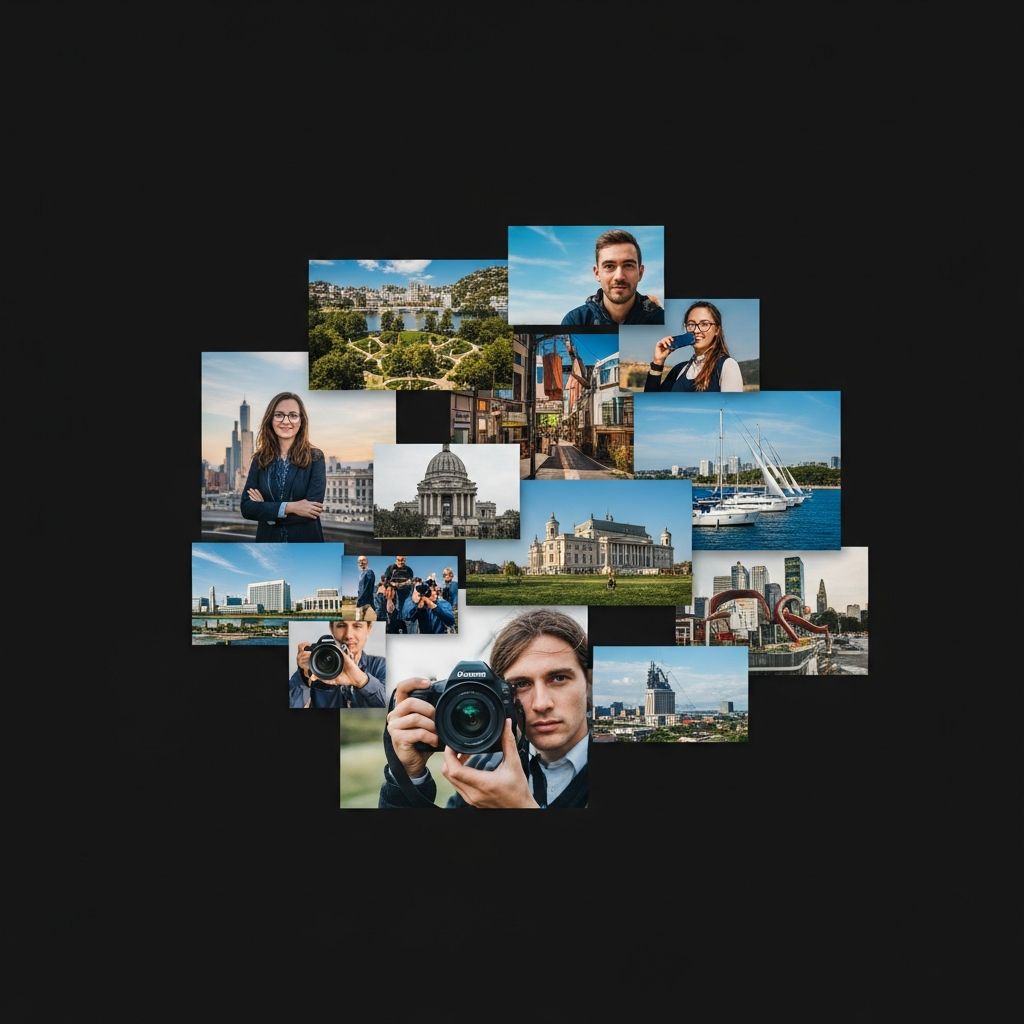
Earning a photography degree opens doors to a remarkably wide range of professional opportunities. The skills acquired during photography education—technical proficiency, creative vision, post-production expertise, and project management—translate into demand across numerous industries and sectors. Rather than limiting graduates to studio-based portrait work, a photography background equips professionals to excel in advertising, journalism, visual effects, marketing, education, and specialized fields like scientific and medical imaging. Understanding the full spectrum of available career options helps graduates make informed decisions about their professional trajectories and identify roles that align with their strengths and interests.
Mainstream Professional Photography Roles
The most direct career path for photography graduates involves roles where technical and creative skills form the foundation of daily work. These positions leverage the core competencies developed through photography education and offer established career progression frameworks.
Commercial and Product Photography
Commercial photographers specialize in creating visual content for business applications, including product catalogs, advertising campaigns, website imagery, and marketing materials. This sector represents one of the more financially rewarding photography specializations, as businesses invest significantly in high-quality product visualization to support sales and brand positioning. Commercial photographers work with diverse subjects—from consumer goods and real estate properties to corporate facilities and industrial equipment—adapting their techniques to showcase each subject’s best features. Success in this field requires understanding client objectives, managing tight deadlines, and producing consistent, professional results that meet specific brand guidelines and marketing goals.
Portrait and Event Photography
Portrait photographers create compelling images of individuals and families, operating either from dedicated studios or on-location settings. Event photographers capture weddings, corporate functions, conferences, and celebrations, requiring both technical skill and the ability to work efficiently under dynamic conditions. These specializations offer flexibility in work arrangements, with many professionals operating as independent contractors or small business owners. The personal nature of portrait and event work builds strong client relationships and generates opportunities for repeat business and referrals.
Editorial and Journalistic Photography
Photography graduates pursuing editorial paths work with publications, news organizations, and media companies to create visual narratives that accompany written content or stand independently as visual storytelling.
Photojournalism and News Photography
Photojournalists document newsworthy events, people, and environments for newspapers, magazines, and digital news platforms. These professionals must combine technical photography expertise with journalistic ethics, visual storytelling ability, and the capacity to work under pressure. Photojournalists cover diverse subjects—from political events and sporting competitions to natural disasters and human interest stories—capturing moments that inform and engage public audiences. Work may be full-time with a publication, freelance on a project basis, or a hybrid arrangement. The role demands not only excellent camera work but also understanding of news cycles, editorial guidelines, and the visual language that communicates stories effectively to diverse audiences.
Documentary and Specialized Editorial Work
Documentary photographers create visual records of significant events, environments, and cultural phenomena with historical or social importance. Unlike photojournalists focused on immediate news, documentary photographers often undertake longer-term projects exploring specific themes, communities, or issues. Magazine editors managing photography departments oversee photographers, assign shoots, evaluate submissions, and make final decisions about published imagery. These editorial leadership roles suit photographers who develop strong visual judgment and interest in publication management and curation.
Technical and Production Roles in Visual Media
Numerous careers leverage photography expertise within broader film, television, and digital media production contexts, where professionals apply photographic knowledge to collaborative creative projects.
Camera Operation and Video Production
Camera operators record video content for film, television, music videos, corporate productions, and commercials, translating directorial vision into visual sequences through technical camera control and creative framing. These professionals understand lighting, composition, focus management, and the technical requirements of motion picture production. Many camera operators transition from still photography to video work, applying their foundational knowledge of light, color, and composition to moving images. The field offers positions with production companies, broadcast networks, freelance opportunities, and specialized roles in documentary, commercial, and artistic video work.
Post-Production and Image Editing
Photo editors and retouchers work with photographers and production teams to refine images through digital manipulation, color correction, and compositional adjustments. Photo retouchers enhance digital images using specialized software, removing imperfections, adjusting colors, and modifying backgrounds according to client specifications or creative direction. These technical roles suit photographers who excel at detail work and have strong software proficiency. Photo technicians handle the practical aspects of converting camera data into finished photographic products, including digital processing, film development, and quality control.
Creative and Design-Adjacent Careers
Photography degrees provide strong foundations for careers in adjacent creative fields, where visual literacy and technical skills transfer effectively into different professional contexts.
Graphic Design and Visual Communication
Graphic designers integrate photography with typography, layout, and design principles to create visual communications for various media. Many graphic designers incorporate photography extensively into their work, requiring strong understanding of image selection, composition, and visual hierarchy. Web design similarly depends on photography expertise for selecting, optimizing, and integrating images into digital experiences. These roles exist across design agencies, corporate marketing departments, publishing companies, and freelance practices.
Visual Effects and Motion Graphics
Visual effects artists and compositors create digital imagery and special effects for film, television, and digital media, often drawing on foundational photography knowledge about light, composition, and visual aesthetics. While VFX work involves specialized software and techniques distinct from traditional photography, the visual sensibility developed through photography training proves valuable. These technical creative roles offer opportunities in entertainment production, corporate video, advertising, and game development.
Curatorial and Institutional Roles
Photography professionals transition into leadership positions within galleries, museums, and cultural institutions, bringing both technical expertise and creative judgment to curatorial work.
Gallery and Museum Curation
Museum and gallery curators select, organize, and present photography collections and exhibitions, requiring deep understanding of photographic history, artistic merit, and audience engagement. These positions combine creative decision-making with research, conservation knowledge, and exhibition design. Curators work with artists, coordinate installations, develop educational programming, and manage collections. These roles offer intellectual engagement with photographic traditions and contemporary practice, though they often require additional graduate study in museum studies or art history.
Marketing, Advertising, and Digital Content
The visual nature of modern marketing and digital communication creates substantial opportunities for photography graduates in corporate and agency environments.
Content Creation and Digital Marketing
Content producers develop visual materials for digital platforms, creating and formatting photographs and videos for websites, social media, newsletters, and digital advertising. These roles span corporate marketing departments, creative agencies, and content studios. Digital marketers leverage photography skills to develop compelling visual campaigns across digital channels. The emphasis on visual content in contemporary digital marketing creates consistent demand for professionals who understand both photography and platform-specific requirements.
Advertising and Brand Development
Advertising art directors oversee visual concepts and photography for advertising campaigns across media formats. These leadership roles suit photographers who develop strong creative direction abilities and understand marketing objectives. Advertising photographers create specific imagery for campaigns, working closely with art directors and copywriters to develop cohesive visual messages. Photography expertise in these roles directly influences campaign effectiveness and brand perception.
Specialized and Niche Photography Careers
Beyond mainstream roles, photography graduates pursue specialized careers serving specific industries and clientele with distinct visual requirements.
Scientific, Medical, and Technical Photography
Scientific photographers create visual documentation for research, medical, and technical applications, requiring both photography expertise and domain-specific knowledge. Medical illustrators produce detailed images of anatomical structures and medical procedures for educational and professional use. These specialized roles offer intellectual engagement with scientific content and serve critical functions in professional and educational communication. Opportunities exist in research institutions, hospitals, educational facilities, and publishing companies specializing in scientific and medical content.
Niche and Lifestyle Specializations
Food photographers create appetizing images for cookbooks, restaurant marketing, food blogs, and culinary publications. Landscape photographers capture outdoor scenery for fine art, travel publications, stock imagery, and environmental documentation. Real estate photographers specialize in property visualization for listings and architectural promotion. Adventure photographers document travel experiences and outdoor activities for publications and personal brands. These specialized niches allow photographers to develop expertise in specific visual languages and client bases.
Freelance and Entrepreneurial Paths
Many photography graduates establish independent practices, offering advantages in autonomy, diverse project work, and financial potential, though requiring strong business management skills.
Freelance and Contract Work
Freelance photographers work on project-based assignments across industries, maintaining independence and managing diverse client relationships. This path offers exposure to varied work, flexibility in scheduling, and potential for higher earnings, but requires skills in business management, marketing, client acquisition, and financial management. Successful freelancers develop strong reputations, maintain consistent quality, and build reliable client networks.
Stock Photography and Digital Assets
Stock photographers create images sold through digital platforms to clients needing affordable visual content. While individual image sales generate modest returns, photographers building extensive portfolios create ongoing passive income streams. This model requires understanding market demands, creating technically excellent images meeting commercial standards, and consistently expanding library collections.
Educational and Professional Development Roles
Photography expertise supports careers in education and professional instruction, sharing knowledge while maintaining engagement with the field.
Photography educators teach in higher education institutions, community colleges, and private instruction settings. These positions suit photographers who enjoy mentoring, curriculum development, and contributing to emerging photographers’ training. Faculty roles typically require advanced degrees and demonstrated expertise. Photography technicians teach equipment operation, darkroom processes, and digital workflow in educational settings, supporting students’ technical development. School photographers provide student portrait photography and yearbook services in educational institutions. These roles offer stable employment, intellectual engagement with photographic practice, and opportunities to shape next-generation practitioners.
Employment Landscape and Compensation
| Career Position | Average Annual Salary | Primary Work Environment |
|---|---|---|
| Photo Technician | $42,005 | Labs, studios, post-production facilities |
| Camera Operator | $42,524 | Film/TV sets, production studios |
| Photojournalist | $39,564 | News organizations, publications |
| Photographer | $43,335 | Studios, on-location, freelance |
| Photo Editor | $49,965 | Publications, media organizations |
| Photo Retoucher | $53,207 | Studios, agencies, remote |
| Content Producer | $58,450 | Agencies, corporate, production studios |
Key Competencies Beyond Technical Photography
Success across diverse photography careers requires capabilities extending beyond camera operation and image capture. Professional photographers develop strong communication abilities, working effectively with clients, collaborators, and team members to understand requirements and deliver satisfactory results. Business acumen—including pricing strategies, contract negotiation, marketing, and financial management—becomes essential for independent practitioners. Project management skills help photographers meet deadlines, coordinate complex shoots, and deliver consistent quality. Technical proficiency extends beyond photography to include post-processing software, digital asset management systems, and emerging technologies. Adaptability allows photographers to evolve with technological changes and shifting market demands, maintaining relevance throughout extended careers.
Starting Your Photography Career
Photography graduates benefit from strategic approaches to career launching. Building a strong portfolio showcasing best work in target specializations creates essential marketing materials. Gaining experience through internships, freelance assignments, and part-time positions in relevant settings—including galleries, photo labs, rental companies, and media organizations—develops practical skills while building professional networks. Pursuing additional certifications or training in specialized areas (post-production software, specific camera systems, specialized photography genres) enhances competitiveness. Developing online presence through websites, social media, and portfolio platforms makes work accessible to potential clients and employers. Networking with established photographers, joining professional organizations, and participating in industry events creates opportunities for mentorship and collaboration.
Conclusion
A photography degree provides flexibility in career direction, with opportunities ranging from direct photography specializations to adjacent creative fields leveraging visual expertise. The technical foundation, creative development, and diverse skill-building inherent in photography education prepare graduates for success across commercial, editorial, institutional, and independent professional contexts. By understanding the spectrum of available career paths and strategically developing relevant experience and credentials, photography graduates position themselves for fulfilling professional trajectories aligned with their interests and ambitions.
References
- What can I do with a photography degree? — Prospects.ac.uk (UK Higher Education Careers Service). Accessed 2026. https://www.prospects.ac.uk/careers-advice/what-can-i-do-with-my-degree/photography
- What Can You Do With a Photography Degree? — Indeed Career Advice. Updated July 27, 2025. https://www.indeed.com/career-advice/finding-a-job/photography-degree-jobs
- 32 Careers in Photography — Indeed.com. https://www.indeed.com/career-advice/finding-a-job/list-of-careers-in-photography
- Five Photography Careers That Pay the Bills — All Art Schools. https://www.allartschools.com/photography/photography-careers-that-pay/
- Photographers: Occupational Outlook Handbook — U.S. Bureau of Labor Statistics. https://www.bls.gov/ooh/media-and-communication/photographers.htm

Medha Deb is an editor with a master's degree in Applied Linguistics from the University of Hyderabad. She believes that her qualification has helped her develop a deep understanding of language and its application in various contexts. Medha specializes in the areas of beauty, health, sports, and wellness and is committed to ensuring that the content on the website is…