
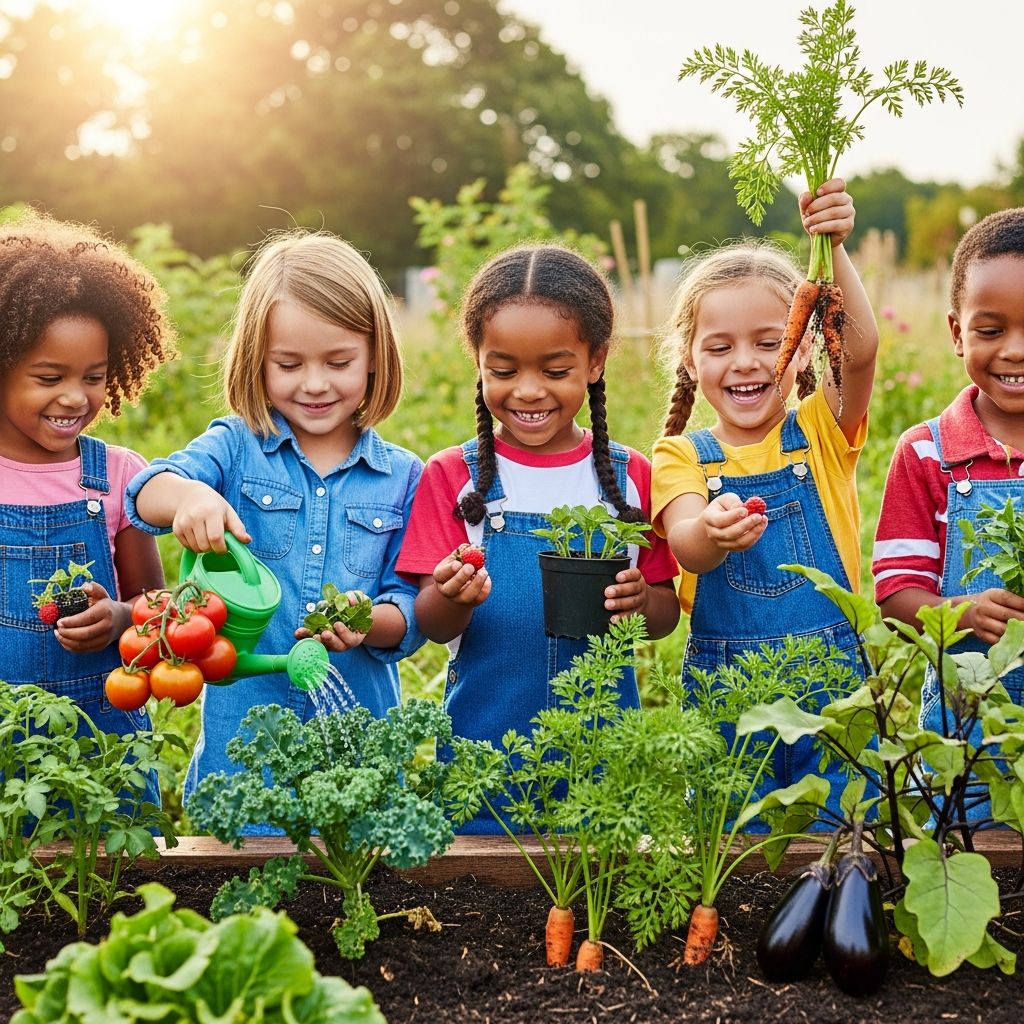
Introducing children to the wonders of plant-based foods can transform their relationship with nutrition, turning picky eaters into enthusiastic explorers of fruits, vegetables, and herbs. By combining hands-on activities like gardening and cooking with educational insights, parents and teachers can instill appreciation for how plants fuel growing bodies. This approach not only boosts intake of essential nutrients but also cultivates responsibility, curiosity, and environmental awareness.
Why Plants Pack a Nutritional Punch for Young Bodies
Plants are nature’s superheroes, loaded with vitamins, minerals, fiber, and phytonutrients that support children’s development. These compounds help prevent health issues like heart disease and diabetes while enhancing memory and immune function. For instance, colorful produce offers diverse phytonutrients—red tomatoes provide lycopene for heart health, while leafy greens deliver folate for brain growth.
Research indicates that kids who engage directly with plant foods consume more variety, leading to better physical and mental health outcomes. Gardening exposes them to fresh produce, sparking interest where store-bought items might fail. Unlike processed snacks, plants provide sustained energy without the crashes from sugars and fats.
Building Foundations: Starting Conversations About Plant Power
Begin by explaining plants’ roles in simple terms: roots anchor and absorb water, leaves capture sunlight to make food, stems transport nutrients, flowers become fruits, and seeds ensure new growth. Use visuals like diagrams to show how carrots (roots), spinach (leaves), celery (stems), broccoli (flowers), and apples (fruits) all contribute uniquely to meals.
- Roots: Like underground storage units, providing vitamins A and C for vision and immunity.
- Leaves: Green powerhouses rich in iron and calcium for strong bones.
- Stems: Crunchy hydrators that aid digestion with fiber.
- Flowers and Fruits: Sweet sources of antioxidants fighting illness.
- Seeds: Tiny nutrient bombs with healthy fats for brain health.
Frame discussions around empowerment: “Plants give you superhero strength!” This shifts focus from restrictions to exciting benefits, making kids eager to try new items.
Hands in the Dirt: Gardening as the Ultimate Learning Tool
Gardening bridges the gap between farm and fork, teaching kids the full lifecycle of food. Studies show children are far more likely to eat what they’ve nurtured, as the effort builds emotional investment. Start small to ensure success and enthusiasm.
| Age Group | Recommended Activities | Easy Plants to Grow |
|---|---|---|
| Preschool (3-5) | Digging, watering, simple planting | Radishes, sunflowers, cherry tomatoes |
| Elementary (6-9) | Weeding, harvesting, measuring growth | Lettuce, beans, strawberries |
| Tweens (10+) | Planning layouts, pest control, composting | Peppers, zucchini, herbs like basil |
Assign roles like watering or pest-spotting to foster responsibility. Choose climate-appropriate, quick-growing varieties to minimize frustration—purple carrots or rainbow chard add visual excitement. Indoor options like herbs in windowsills extend the fun year-round.
Growing a Rainbow: Colorful Nutrition Lessons
Teach the “eat a rainbow” concept by planting veggies in every hue, linking colors to health perks. Red peppers fight inflammation, orange carrots boost eyesight, yellow squash aids digestion, green kale builds muscles, blue potatoes provide antioxidants, and purple cabbage supports brain health.
Involve kids in seed selection from catalogs, comparing familiar carrots with exotic purple ones for taste tests at harvest. This sensory engagement—smelling herbs, feeling textures—makes abstract nutrition tangible and memorable.
From Garden to Table: Cooking Up Excitement
Harvest time is magic; rinse produce and dive into prep. Programs like “Plants to Plates” pair growing with kitchen skills, helping kids connect growth to gourmet meals. Involve them in age-appropriate tasks: chopping soft veggies, stirring dips, or assembling salads.
- Create snack gardens with no-prep eats like snap peas and baby carrots, paired with yogurt dips as chip alternatives.
- Make salsas from garden tomatoes to show versatility.
- Build pizzas topped with homegrown basil and peppers.
Model enjoyment: Eat together, praising flavors. Start with one plant-based meal weekly, veganizing favorites like tacos or nuggets gradually. Pride in creation boosts willingness to taste.
Overcoming Hurdles: Tips for Picky Eaters
Not all kids dive in immediately. Address pickiness by offering choices, hiding veggies in smoothies initially, then revealing them. Use games: blind taste tests or “veggie art” plates. Consistency matters—exposure without pressure works over time.
Gardening teaches problem-solving: staking floppy plants or adjusting water builds resilience, mirroring nutrition challenges. Avoid pesticides; use compost for natural fertilizing, tying into sustainability.
Year-Round Strategies for Sustained Learning
Extend beyond summer with indoor lights for sprouts or winter seed planning. Visit farms or markets for real-world ties. Track growth journals noting heights, colors, and tastes to reinforce science and math skills.
Integrate into school: Garden clubs or lessons on edible plant parts make nutrition curriculum vibrant. Families benefit too—shared outdoor time cuts screen time, promotes exercise.
Frequently Asked Questions
What if my child refuses vegetables even after gardening?
Patience is key. Offer repeated exposures through fun prep; involve them in recipes they love, gradually increasing plant portions. Success builds over time.
Which plants grow fastest for quick kid wins?
Radishes (ready in 3 weeks), microgreens, and beans provide rapid harvests, keeping motivation high.
Is gardening safe and chemical-free for kids?
Yes—opt for organic methods, hand-pick pests, and use gloves for harvesting. Teach safe watering to avoid bacteria.
How does plant eating impact long-term health?
It lowers risks of obesity, diabetes, and heart issues while supporting growth via fiber, vitamins, and phytonutrients.
Can indoor gardening work in apartments?
Absolutely—use pots, grow lights for herbs, tomatoes, and greens on windowsills year-round.
Plant-Based Meal Ideas Table
| Meal Type | Key Plants | Kid-Friendly Twist |
|---|---|---|
| Breakfast | Banana, spinach, berries | Smoothie “monsters” with fun faces |
| Lunch | Cucumber, carrots, hummus | Snack garden platter with dips |
| Dinner | Broccoli, tomatoes, zucchini | Personalized veggie pizzas |
| Snack | Snap peas, apples | Yogurt-dipped “picks” |
These methods create lasting habits, equipping kids with tools for healthy, sustainable choices. Gardening and cooking demystify plants, proving they’re delicious allies in wellness journeys.
References
- Kids in the Garden: A Nutritious and Fun Experience — Academy of Nutrition and Dietetics. Accessed 2026. https://www.eatright.org/food/planning/food-security-and-sustainability/kids-in-the-garden-nutritious-and-fun
- Teaching Nutrition in the Garden — KidsGardening. Accessed 2026. https://kidsgardening.org/resources/gardening-basics-teaching-nutrition-in-the-garden-4/
- Introduce Your Kids To Healthy Foods Through Gardening — Henry Ford Health. 2023-04. https://www.henryford.com/Blog/2023/04/Introduce-Your-Kids-To-Healthy-Foods-Through-Gardening
- Plants to Plates Activity Guide — Ecology Action Centre. 2022-06. https://ecologyaction.ca/sites/default/files/2022-06/OFP%20-%20Plants%20to%20Plates%20Activity%20Guide%20-%20Online_1.pdf
- Plant-Based Eating for Kids — Torrance Memorial. Accessed 2026. https://www.torrancememorial.org/healthy-living/blog/plant-based-eating-for-kids/
- A FREE School Nutrition Lesson: Edible Parts of a Plant — Sunnyside Up Nutrition. Accessed 2026. https://sunnysideupnutrition.com/a-school-nutrition-lesson-the-edible-parts-of-a-plant/

Medha Deb is an editor with a master's degree in Applied Linguistics from the University of Hyderabad. She believes that her qualification has helped her develop a deep understanding of language and its application in various contexts. Medha specializes in the areas of beauty, health, sports, and wellness and is committed to ensuring that the content on the website is…