
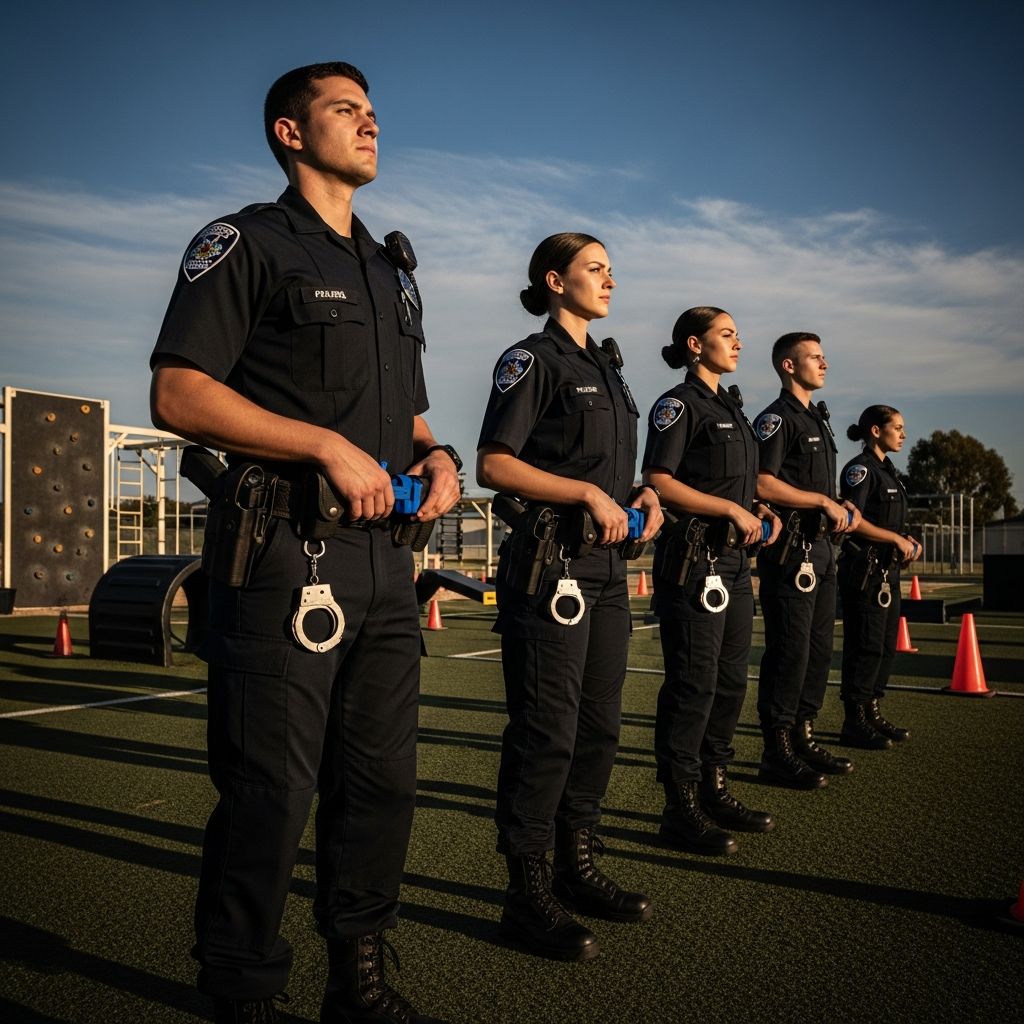
Understanding the Police Officer Career Path
Law enforcement represents one of the most rewarding and challenging career paths available in the public service sector. Police officers play a critical role in maintaining community safety, enforcing laws, and protecting citizens’ rights. Those considering this profession should understand that it requires dedication, physical capability, strong character, and a commitment to ongoing professional development. The journey from civilian to certified law enforcement officer involves multiple stages of evaluation, training, and certification that ensure only the most qualified individuals enter this demanding field.
Foundational Requirements for Entry
Before pursuing a career in law enforcement, potential candidates must satisfy several baseline requirements that serve as gatekeepers to the profession. These requirements are established at both federal and state levels to maintain professional standards across the industry.
Age and Citizenship Qualifications
The minimum age requirement for law enforcement officer positions is typically 21 years old at the time of application, though some federal positions may allow applicants within six months of reaching this age. Citizenship status is a non-negotiable requirement, as officers must be United States citizens or nationals. This requirement reflects the sensitive nature of law enforcement work and the need for officers to fully understand and uphold American legal principles and constitutional protections.
Educational Foundation
A high school diploma or General Educational Diploma (GED) represents the minimum educational requirement for entry-level law enforcement positions. However, many departments increasingly prefer or require some college education. Some federal agencies and specialized positions mandate an Associate’s degree or higher from an accredited institution. This educational background ensures that officers possess fundamental communication skills, critical thinking abilities, and the capacity to understand complex legal concepts essential to the job.
Character and Background Considerations
Demonstrating good moral character is essential for becoming a police officer. This assessment goes far beyond a simple background check—it involves a comprehensive evaluation of an applicant’s personal history, financial responsibility, and decision-making patterns. The background investigation typically examines employment history dating back ten years, personal references, driving records, credit history, criminal history, drug history, and academic records.
Any felony convictions are disqualifying, as are misdemeanors related to perjury or false statements. Additionally, a dishonorable discharge from any branch of the United States Armed Forces will prevent someone from becoming an officer. Domestic violence convictions, particularly those classified as misdemeanors, automatically disqualify applicants from firearm possession and therefore from law enforcement employment.
Physical and Medical Standards
Law enforcement officers must meet rigorous physical and medical standards to ensure they can perform their duties safely and effectively. These standards protect both the officer and the public they serve.
Medical Examination Requirements
Candidates must successfully complete a comprehensive medical examination conducted by a licensed physician. This examination is far more thorough than a standard physical and includes blood work, drug screening, height and weight measurements, stress tests, electrocardiograms (EKG), vision testing, hearing assessment, and body fat composition analysis. These tests ensure that officers are free from conditions that would impair their ability to respond to emergencies or handle the physical demands of the job.
Vision and Hearing Standards
Vision requirements are particularly stringent in law enforcement. Corrected vision must meet 20/20 or better binocularly, with each eye having at least 20/40 vision. Uncorrected distant visual acuity should be 20/100 or better binocularly. Applicants must pass color deficiency testing, as the ability to distinguish colors is critical for law enforcement work. Hearing requirements mandate that applicants pass hearing tests without the use of hearing aids, ensuring they can respond appropriately to acoustic signals and communicate effectively in various environments.
Physical Ability Testing
Beyond basic medical fitness, candidates must demonstrate practical physical capability through formal Physical Abilities Tests (PAT). These standardized assessments evaluate the functional strength and endurance necessary for police work. Testing components typically include:
- Slalom runs requiring navigation around cones over considerable distances, demonstrating agility and cardiovascular fitness
- Stair climbing exercises performed in repeated series to assess leg strength and endurance
- Weighted object dragging to simulate rescue scenarios and measure functional strength
- Grip strength assessments through trigger-pull exercises performed with each hand
These tests ensure that officers possess the physical capability to pursue suspects, assist citizens in distress, and handle equipment effectively during their careers.
Educational Pathways and Advancement Opportunities
While a high school diploma satisfies minimum entry requirements, additional education provides significant advantages in the competitive law enforcement job market and opens doors to advancement.
College Education Benefits
Many police departments and federal agencies now prefer candidates with at least some college coursework or an Associate’s degree. A bachelor’s degree in criminal justice, police science, or a related field is increasingly becoming standard for promotion to higher ranks and specialized assignments. This advanced education provides officers with deeper understanding of criminal law, investigative techniques, constitutional principles, and community policing strategies.
Military Service as Alternative Experience
Active duty military service can substitute for or supplement educational requirements. Typically, a minimum of three years of active duty military service qualifies as relevant experience, though military police and security specialists may qualify with as little as one year of service. This recognition reflects the transferable skills developed in military training, including discipline, chain-of-command understanding, and emergency response protocols.
The Application and Selection Process
The hiring process for law enforcement positions is comprehensive and multi-staged, designed to thoroughly evaluate candidates’ suitability for the profession.
Written Examinations and Testing
The Police Officer Selection Test (POST) serves as a standardized assessment tool used by many agencies to evaluate candidate qualifications. This examination typically consists of four components: mathematics, spelling, reading comprehension, and report writing. A passing score, usually set at 70% or higher, is required to advance in the hiring process. These sections assess the cognitive skills necessary for understanding legal procedures, documenting incidents accurately, and communicating effectively in written form.
Background Investigation
Upon advancing past initial testing, candidates undergo an exhaustive background investigation that may take several weeks or months to complete. This investigation verifies all information provided in the application and explores areas that might reveal concerns about character, reliability, or judgment. Financial history receives particular scrutiny, as debt or poor money management can sometimes indicate vulnerability to corruption or illegal activities.
Polygraph and Psychological Evaluation
Many departments require polygraph examinations to verify the accuracy of information provided during the application process and to detect any undisclosed concerns. Following the polygraph, candidates typically undergo psychological evaluation by a licensed mental health professional. This assessment evaluates emotional stability, stress management capacity, judgment under pressure, and the candidate’s ability to use appropriate discretion in difficult situations.
Oral Interview Process
Candidates who successfully pass previous evaluations typically face an oral interview, often with a panel of experienced officers, supervisors, and sometimes community representatives. This interview allows evaluators to assess communication skills, critical thinking ability, situational judgment, and alignment with departmental values. Candidates should demonstrate knowledge of community policing principles, understanding of constitutional law, and commitment to ethical conduct.
Training and Certification Requirements
Becoming a certified law enforcement officer requires completion of formal training programs that provide the knowledge and skills necessary for the profession.
Basic Law Enforcement Training
Most states mandate completion of a Basic Law Enforcement training program through accredited criminal justice academies. In South Carolina, for example, the Basic Law Enforcement (BLE) program spans twelve weeks and must be completed within the first twelve months of employment. This intensive training covers constitutional law, criminal law, procedure, officer safety techniques, evidence collection, community relations, and firearms proficiency. Upon successful completion, graduates achieve Class 1 Law Enforcement Officer certification.
Departmental Training Programs
Beyond academy training, new officers typically complete department-specific training that varies by jurisdiction. Many departments operate their own basic candidate schools lasting six to eight weeks, followed by federally-mandated training at facilities like the Federal Law Enforcement Training Center (FLETC) for certain positions. New officers also typically complete field training programs lasting several weeks to months, during which they work alongside experienced officers who evaluate their readiness for independent patrol duties.
Ongoing Professional Development
Law enforcement is not a static profession. Officers must participate in continuing education to maintain certifications, stay current with legal developments, and acquire specialized skills. Training topics may include emerging crime patterns, new technologies, mental health crisis response, implicit bias, and advanced investigative techniques. This commitment to ongoing learning ensures that officers remain effective throughout their careers.
Specialized Roles and Career Advancement
Once certified as a basic law enforcement officer, career paths diverge based on interest, experience, and departmental needs.
Investigative Positions
Detectives and investigators typically require several years of patrol experience before advancement. These roles demand advanced skills in evidence analysis, witness interviewing, case development, and courtroom testimony. Some specialized investigations units, such as homicide or fraud divisions, may require specific training certifications or educational backgrounds.
Supervisory and Management Track
Officers aspiring to leadership positions progress through ranks of sergeant, lieutenant, captain, and higher. These promotions typically require passing competitive examinations, demonstrating leadership capability, and often obtaining higher educational credentials. A bachelor’s degree becomes increasingly important at management levels.
Specialized Assignments
Many departments offer specialized career opportunities including K-9 units, SWAT teams, community policing units, gang task forces, and traffic enforcement. Each specialization requires additional training and often has specific prerequisites regarding experience level and performance ratings.
Federal Law Enforcement Opportunities
Beyond municipal and state police departments, numerous federal agencies employ law enforcement professionals. Federal positions often have more stringent requirements but may offer different career trajectories and benefits.
Federal agencies such as the Supreme Court Police, FBI, Secret Service, and DEA typically require higher educational credentials, may impose age limits, and often mandate prior law enforcement experience or military service. These positions may also require security clearances and extensive background investigations beyond what state and local departments require. However, federal positions often offer advantages including competitive salaries, specialized training opportunities, and career advancement potential across agency types.
Physical Fitness and Wellness Considerations
The physical demands of law enforcement extend throughout an officer’s career, not just during the initial hiring process. Maintaining fitness is essential for officer safety and effectiveness.
Regular physical training helps officers maintain the cardiovascular endurance needed for pursuing suspects, the muscular strength required for restraint techniques and equipment handling, and the flexibility necessary to prevent injuries. Many departments encourage or mandate regular fitness assessments throughout officers’ careers to maintain standards. Additionally, mental health and wellness programs are increasingly recognized as critical components of officer health, addressing the psychological stresses inherent in police work.
Understanding the Role and Responsibilities
Before pursuing a law enforcement career, prospective candidates should thoroughly understand what the job entails. Police officers enforce federal and state laws as well as local ordinances, patrol assigned areas, respond to emergencies, conduct investigations, prepare reports and testimony for court proceedings, and maintain equipment and vehicles. The job involves irregular hours, including nights, weekends, and holidays. Officers may face dangerous situations, witness traumatic events, and make split-second decisions with significant consequences.
Successful officers demonstrate strong communication skills, sound judgment, ethical commitment, and the ability to remain calm under pressure. Community-oriented policing approaches increasingly emphasize problem-solving, collaboration with residents, and preventive strategies alongside traditional enforcement activities.
Frequently Asked Questions
Q: What is the typical probationary period for new police officers?
A: Most departments require new officers to successfully complete a one-year probationary period following hire. During this time, officers’ performance is closely monitored and evaluated. Failure to meet standards during probation can result in termination. This probationary period allows departments to assess whether officers are suitable for permanent employment and gives officers time to demonstrate competency in real-world situations.
Q: Can individuals with prior arrests or misdemeanors become police officers?
A: Felony convictions are automatically disqualifying. Most misdemeanors do not automatically disqualify candidates, though certain misdemeanors—particularly those involving dishonesty, violence, or moral turpitude—may be disqualifying depending on departmental standards and state law. Driving under the influence, drug possession, and domestic violence convictions typically pose significant obstacles to becoming an officer. Candidates with concerns about their background should research specific departmental policies.
Q: How long does the police officer hiring process typically take?
A: The complete hiring process from initial application through job offer can take anywhere from three months to a year or longer, depending on the department size, application volume, and complexity of background investigations. Smaller departments may move faster, while large metropolitan departments with extensive applicant pools may take considerably longer. Patience and persistence are essential during this extended process.
Q: Are there age limits for police officer careers?
A: Generally, the minimum age requirement is 21 years old at application. Most federal positions have a maximum age requirement of 39 years at the time of application, though exceptions exist for candidates with prior federal law enforcement experience or those able to achieve 20 years of service before mandatory retirement age. Age requirements vary by jurisdiction and position type, so interested candidates should research specific requirements for their target agencies.
Q: What happens if I fail the physical abilities test?
A: Failing the PAT typically results in elimination from that particular hiring cycle. Many departments allow candidates to reapply for future recruitment cycles and attempt the test again. Some departments permit a single retest during the same recruitment cycle. Using the time between attempts to improve physical fitness through targeted training increases the likelihood of passing subsequent tests.
Q: Is prior police experience required to become an officer?
A: No, many departments hire entry-level candidates with no prior law enforcement experience. However, relevant experience—whether from military service, security work, or other related fields—can be advantageous and may accelerate advancement or help candidates stand out among applicants. Entry-level candidates typically receive comprehensive training through academy programs designed specifically for those new to the profession.
References
- Qualifications – City of Orangeburg, SC — City of Orangeburg, South Carolina. Accessed 2026-01-19. https://www.orangeburg.sc.us/public-safety/careers/qualifications
- Qualifications and Requirements – Supreme Court Police — Supreme Court of the United States Police. Accessed 2026-01-19. https://www.scuspd.gov/career/qualifications.aspx
- Department Job Openings – South Carolina Law Enforcement Officers Association — South Carolina Law Enforcement Officers Association. 2024-05-20. https://www.scleoa.org/page/DepartmentJobOpenings
- Selection Process – City of Columbia Police Department — City of Columbia Police Department. Accessed 2026-01-19. https://columbiapd.net/selection-process/
- Basic Law Enforcement – South Carolina Criminal Justice Academy — South Carolina Criminal Justice Academy. Accessed 2026-01-19. https://sccja.sc.gov/basic-law-enforcement/
- Selection Process – S.C. Department of Public Safety — South Carolina Department of Public Safety. Accessed 2026-01-19. https://scdps.sc.gov/careers/scstp/selection

- Integrated M.A. in Applied Linguistics, University of Hyderabad
- 5+ years in editorial, instructional, SEO, and research-based writing
Sneha is a relationships and lifestyle writer with a strong foundation in applied linguistics and certified training in relationship coaching. She brings over five years of writing experience to theskillvault, crafting thoughtful, research-driven content that empowers readers to build healthier relationships, boost emotional well-being, and embrace holistic living. Her writing and insights reflect the belief that beauty, happiness, and wellness…