
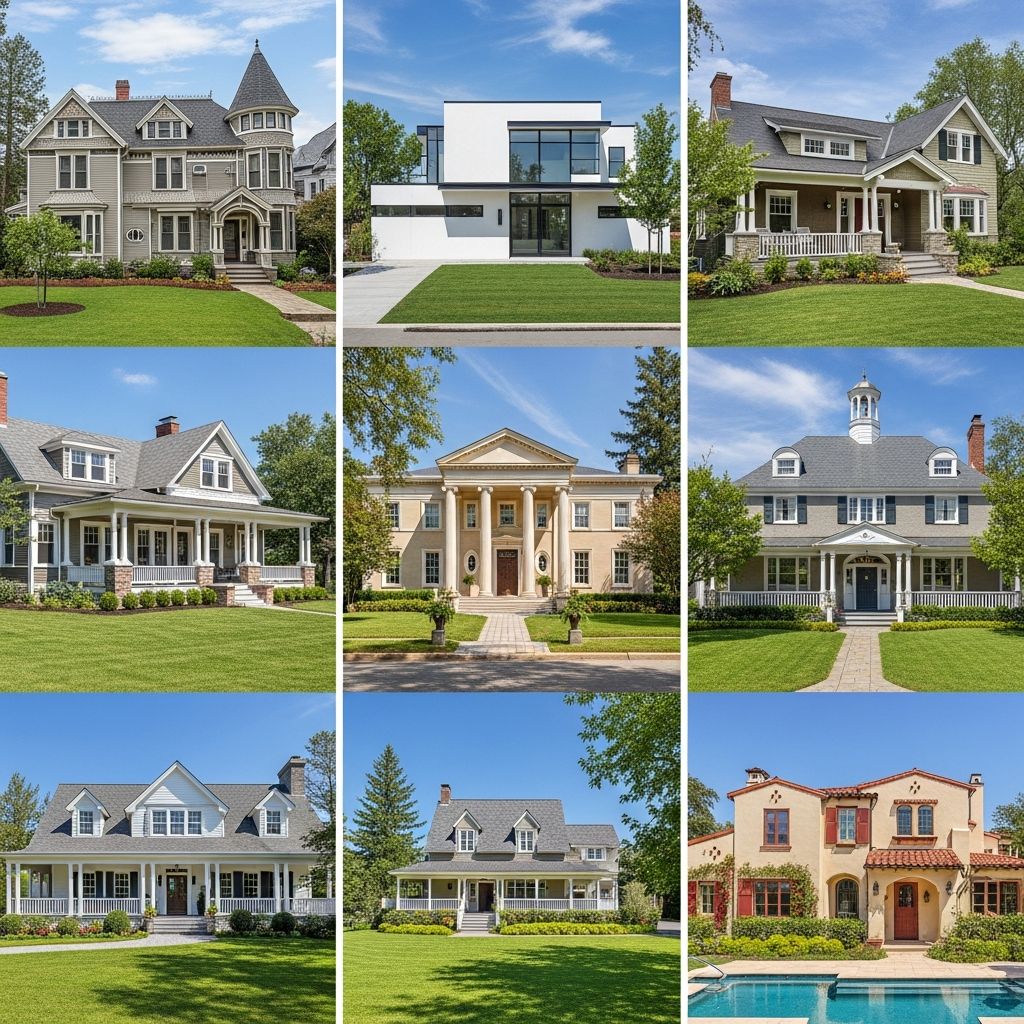
Architectural house styles define not just the look of a neighborhood but also the lifestyle and personality of its residents. From timeless classics to modern innovations, each style offers distinct features that blend form, function, and cultural heritage. This guide explores the most popular designs, drawing from enduring trends and regional favorites to help you identify your perfect match.
Why Architectural Styles Matter in Home Design
Choosing a house style goes beyond aesthetics; it influences daily living, energy efficiency, and property value. Popular styles evolve with societal needs, incorporating elements like open floor plans for family gatherings or sustainable materials for eco-conscious buyers. In regions like coastal Florida or historic Philadelphia’s Main Line, styles reflect climate, history, and luxury preferences.
Trends show a surge in versatile designs. For instance, single-story ranches appeal to multigenerational families, while farmhouse aesthetics provide rustic warmth in urban settings. Understanding these helps buyers and builders create spaces that endure.
Craftsman: The Epitome of Handcrafted Charm
Craftsman homes emerged in the early 20th century as a backlash against ornate Victorian excess, emphasizing honest materials and skilled workmanship. Low-pitched gabled roofs, overhanging eaves, and tapered columns on porch supports are signature exteriors. Interiors boast built-in cabinetry, exposed beams, and natural wood tones for a cozy, inviting feel.
These homes thrive in suburban neighborhoods, offering functional layouts with front porches that foster community. Their popularity persists due to adaptability—modern updates include energy-efficient windows while preserving artisanal details. Ideal for families seeking warmth without formality.
- Key Exterior Features: Battered porch columns, knee braces under eaves, multi-pane windows.
- Interior Highlights: Mission-style furniture, earthy colors, open living areas.
- Best For: Buyers valuing craftsmanship and low-maintenance elegance.
Colonial Revival: Symmetry and Timeless Elegance
Rooted in 18th-century American roots, Colonial Revival homes gained prominence in the early 1900s, symbolizing national pride. Symmetrical facades, multi-pane double-hung windows, and central front doors with pediments define their balanced proportions. Brick or clapboard siding adds durability.
In upscale areas like Philadelphia’s Main Line, these homes feature spacious layouts with formal entry halls leading to entertaining spaces. Updates often include gourmet kitchens blended seamlessly with classic moldings. Their enduring appeal lies in structured permanence and curb appeal.
| Feature | Traditional | Modern Adaptation |
|---|---|---|
| Roof | Gabled, slate or asphalt | Solar-integrated |
| Windows | 6-over-6 panes | Energy-efficient double-glazed |
| Entry | Columned portico | Smart lighting |
Farmhouse: Rustic Comfort for Everyday Living
Farmhouse style, once tied to rural America, now dominates suburbs with its approachable vibe. White shiplap walls, gabled roofs, and wraparound porches create an idyllic retreat. Interiors mix vintage finds with modern appliances, using neutral palettes accented by black hardware.
Not limited to countryside, these homes adapt to city lots with board-and-batten siding and metal roofs. Their open-concept designs suit busy households, promoting flow from kitchen to outdoor spaces. Popularity stems from emotional appeal—evoking simplicity and gatherings.
- Exterior Must-Haves: Board-and-batten siding, dormer windows, gravel drives.
- Interior Vibes: Shiplap, barn doors, vintage lighting.
- Pro Tip: Pair with landscaping for a seamless farm-to-table aesthetic.
Ranch: Single-Story Simplicity and Accessibility
Ranch homes, popularized post-WWII, prioritize horizontal lines and indoor-outdoor connectivity. Long, low profiles with picture windows and attached garages make them practical. Sliding glass doors blur boundaries with patios.
Today’s ranches feature open plans with vaulted ceilings and smart home tech, appealing across ages. In sunny climates, deep eaves provide shade. Their broad appeal lies in accessibility—no stairs—and customization potential.
Contemporary and Modern: Sleek Innovation
Contemporary designs push boundaries with flat roofs, clean lines, and expansive glass. Materials like steel, concrete, and glass create minimalist statements. Floor-to-ceiling windows flood spaces with light, ideal for view-heavy sites.
Modern interiors favor neutral tones, sleek furniture, and multifunctional spaces. Energy efficiency via passive solar design adds value. Perfect for tech-savvy owners embracing minimalism.
Tudor Revival: Romantic English Heritage
Tudor Revival draws from medieval England with steeply pitched roofs, half-timbering, and stone accents. Arched doors and leaded windows add whimsy. Interiors feature dark woods and cozy nooks.
Blended with modern expansions, they suit large lots. Their dramatic exteriors contrast warm, intimate rooms, attracting history buffs.
Mediterranean Revival: Sun-Drenched Luxury
Inspired by Spanish villas, these stucco homes boast red-tile roofs, arches, and courtyards. Wrought-iron details enhance romance. Open loggias promote al fresco living.
High ceilings and tile floors keep interiors cool. Popular in warm climates for elegance and outdoor integration.
Victorian: Ornate Victorian Grandeur
Victorian homes dazzle with turrets, gingerbread trim, and colorful exteriors. Steep roofs and bay windows maximize verticality. Interiors boast high ceilings and intricate woodwork.
Restored versions mix vintage charm with modern baths. Ideal for those loving eclectic, statement-making designs.
Coastal and Key West: Breezy Beach Vibes
Coastal styles emphasize light woods, blues, and open layouts. Metal roofs withstand hurricanes; shutters add charm. Perfect for vacation-like daily life.
Stone Farmhouses and Georgian Classics
Stone farmhouses offer rugged charm with thick walls and slate roofs. Georgian homes refine this with brick symmetry and pilasters, exuding sophistication.
Comparing Popular Styles: A Quick Guide
| Style | Era | Climate Fit | Family Appeal |
|---|---|---|---|
| Craftsman | 1900s-1920s | Temperate | High |
| Farmhouse | Modern Revival | Any | Very High |
| Ranch | 1950s+ | Warm/Dry | High |
| Contemporary | Today | Coastal | Medium |
Trends Shaping Tomorrow’s Homes
Hybrid styles blend old and new—think Craftsman with smart tech or Farmhouse minimalism. Sustainability drives choices like metal roofs and native plants. Data shows Farmhouse leading in 2024 popularity, followed by Craftsman and Ranch.
Frequently Asked Questions
What is the most popular house style right now?
Farmhouse tops lists for its versatile, cozy appeal, per recent housing surveys.
Which style is best for small lots?
Ranch or Cottage styles maximize space with single-story efficiency.
Are Victorian homes hard to maintain?
Yes, due to ornate details, but updates ease upkeep.
Can I mix architectural styles?
Absolutely—many modern homes fuse elements like Tudor exteriors with Contemporary interiors.
What defines Mid-Century Modern?
Clean lines, large windows, and nature integration, often linked to Ranch evolutions.
References
- 8 Most Popular Architectural House Styles — Breakers West Properties. 2023. https://breakerswestproperties.com/blog/8-most-popular-architectural-house-styles
- Most Popular Architectural House Styles — The MacDonald Team. 2023. https://themacdonaldteam.com/blog/most-popular-architectural-house-styles
- Most and Least Popular Home Styles — New Home Source. 2024. https://www.newhomesource.com/learn/most-least-popular-home-styles/
- The 30 Most Iconic Interior Design Styles — House Beautiful. 2023. https://www.housebeautiful.com/design-inspiration/g41613197/types-of-interior-design-styles/
- Search by Architectural Style — Houseplans.net. 2024. https://www.houseplans.net/styles/

- Integrated M.A. in Applied Linguistics, University of Hyderabad
- 5+ years in editorial, instructional, SEO, and research-based writing
Sneha is a relationships and lifestyle writer with a strong foundation in applied linguistics and certified training in relationship coaching. She brings over five years of writing experience to theskillvault, crafting thoughtful, research-driven content that empowers readers to build healthier relationships, boost emotional well-being, and embrace holistic living. Her writing and insights reflect the belief that beauty, happiness, and wellness…