
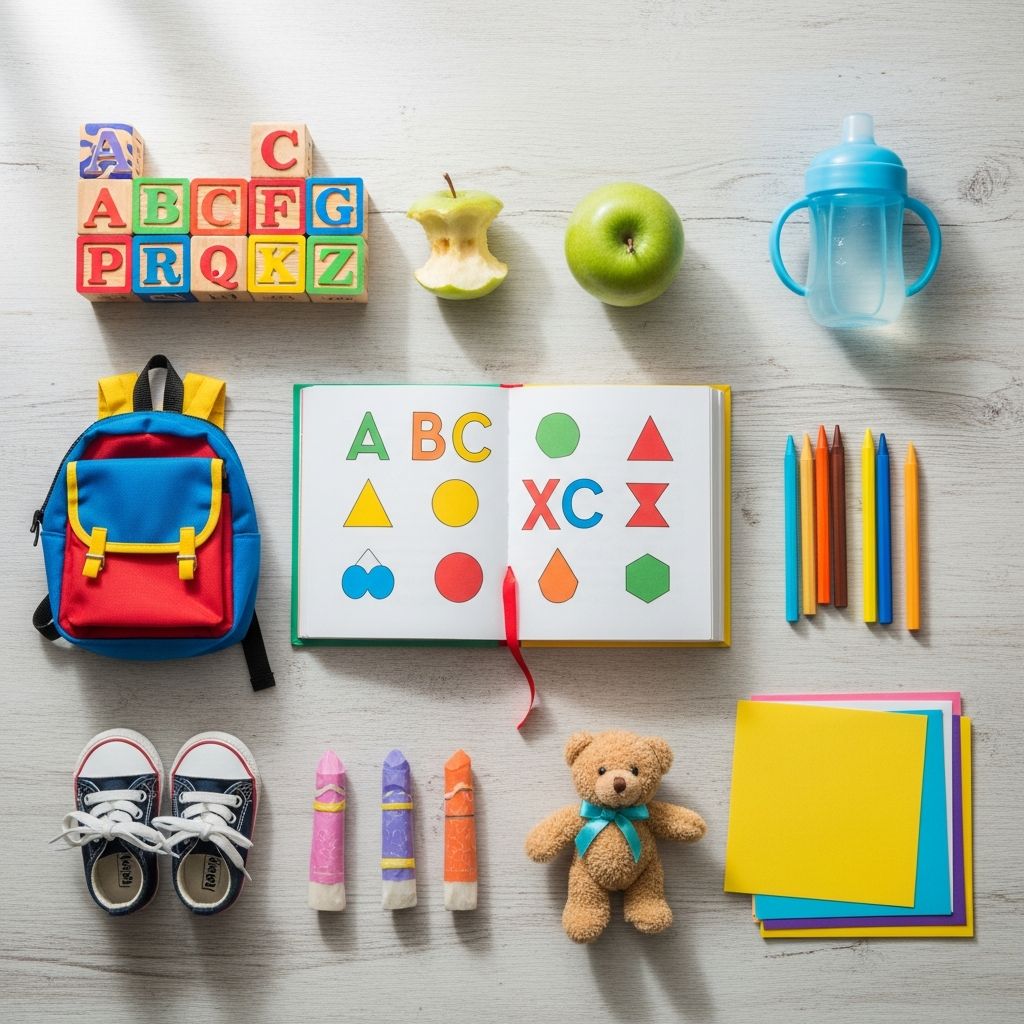
Preschool represents a critical phase in a child’s development, offering structured environments where young minds flourish through play, interaction, and guided learning. High-quality programs equip children aged 3 to 5 with essential skills that pave the way for kindergarten success and beyond. Research consistently demonstrates that early education yields measurable gains in cognition, socialization, and emotional regulation, often producing returns far exceeding initial investments.
Core Developmental Advantages of Early Education
Participation in preschool fosters holistic growth, addressing multiple facets of child development simultaneously. Children engage in activities designed to stimulate curiosity, enhance motor abilities, and build resilience. According to the U.S. Department of Education, attendees of quality programs show reduced needs for special education and higher high school graduation rates. These outcomes stem from targeted interventions that prevent early gaps in learning.
Cognitive and Academic Foundations
Preschool introduces foundational concepts in literacy and numeracy through interactive methods. Children develop pre-reading skills like phonemic awareness and vocabulary expansion, while math exposure includes counting, shapes, and basic patterns. The Learning Policy Institute highlights that such programs significantly boost early literacy and mathematics proficiency, preparing children for formal schooling.
- Enhanced problem-solving via puzzles and games.
- Introduction to scientific inquiry through exploration.
- Boosted memory and attention spans in structured routines.
Social and Emotional Growth
Interacting with peers and educators teaches vital interpersonal skills. Children learn to share, negotiate conflicts, and express emotions constructively. The National Association for the Education of Young Children (NAEYC) emphasizes how group play builds self-control and empathy, enabling better peer relationships. Emotional literacy—recognizing feelings in oneself and others—forms a cornerstone of these experiences.
| Skill Area | Preschool Benefit | Long-Term Impact |
|---|---|---|
| Socialization | Cooperation and friendship-building | Stronger adult relationships, reduced isolation |
| Emotional Regulation | Managing frustration and anger | Lower rates of behavioral issues in school |
| Self-Esteem | Encouragement in tasks | Increased perseverance and confidence |
Long-Term Outcomes and Societal Returns
Beyond immediate gains, preschool attendance correlates with enduring success. Studies from the National Institute for Early Education Research (NIEER) reveal up to $17 in social benefits per dollar invested, including higher earnings, reduced crime, and better health. The Urban Institute notes improved educational attainment and mobility from poverty, particularly for disadvantaged children.
Georgetown University research indicates preschool alumni are more likely to pursue advanced courses, graduate on time, and attend college. Head Start participants, for instance, exhibit lower middle-school substance use and even reduced mortality rates later in life. These findings underscore preschool’s role in breaking cycles of disadvantage.
Equity and Access Considerations
High-quality preschool promotes educational equity by leveling the playing field across socioeconomic, racial, and geographic lines. Children from low-income families often enter kindergarten behind peers in vocabulary and social skills; early programs mitigate this. The NEA advocates for diverse, affordable options to dismantle barriers, ensuring all children benefit.
Choosing the Right Preschool Environment
Selecting an optimal program involves evaluating key indicators of quality. Look for low student-teacher ratios, certified educators, and curricula aligned with developmental milestones. Programs emphasizing play-based learning over rote instruction yield superior results, as supported by Brookings Institution analyses.
- Accreditation from bodies like NAEYC.
- Balanced daily schedules blending structured and free play.
- Inclusive practices for diverse needs, including dual-language learners.
- Parental involvement opportunities for continuity at home.
Parents should visit facilities, observe interactions, and inquire about assessment methods. Safety protocols, nutritious meals, and outdoor spaces are non-negotiable for comprehensive development.
Daily Routines That Drive Progress
Effective preschools feature predictable yet flexible schedules. Morning circles build community, while centers for art, blocks, and reading encourage choice-making. Afternoon small-group lessons target specific skills, culminating in reflective sharing. This rhythm nurtures executive function—planning, focus, and adaptability—crucial for future academics.
Addressing Common Parental Concerns
Many parents worry about readiness or separation anxiety. Evidence shows most children adapt quickly, gaining independence that eases transitions. Programs with gradual enrollment support emotional security. Cost is another barrier, but subsidies and universal initiatives are expanding access, with proven ROI justifying investment.
| Concern | Evidence-Based Response |
|---|---|
| Is my child too young? | 3-4-year-olds thrive; brain plasticity peaks now. |
| Will it be too structured? | Play-driven approaches dominate quality sites. |
| What about costs? | Returns exceed expenses long-term. |
Emerging Trends in Preschool Innovation
Modern programs integrate technology sparingly, prioritizing hands-on experiences. STEM-focused activities spark innovation, while mindfulness practices enhance emotional health. Inclusive models accommodate special needs, fostering environments where every child progresses. Research from Brighter Futures Indiana links early education to 25% higher high school graduation rates.
Hybrid options blending home and center learning cater to working families, maintaining continuity. As neuroscience advances understanding of early brain wiring, curricula evolve to maximize synaptic connections formed in these formative years.
Frequently Asked Questions
What age is best for starting preschool?
Typically 3-4 years, when children benefit most from peer interactions and structured play, aligning with peak developmental windows.
How does preschool differ from daycare?
Preschool emphasizes educational goals like literacy and math alongside care, whereas daycare focuses primarily on supervision.
Can preschool help children with special needs?
Yes, quality programs reduce special education needs by early intervention and socialization support.
What ROI does preschool offer?
Up to $17 per dollar invested in benefits like higher earnings and lower crime rates.
How to spot a high-quality program?
Seek NAEYC accreditation, trained staff, and play-based curricula with parental engagement.
References
- 25+ Benefits of Enrolling Your Child in Preschool — U.S. Department of Education via LVDS. 2023. https://lvds.com/preschool-benefits/
- What Does the Research Really Say About Preschool Effectiveness? — Learning Policy Institute. 2023. https://learningpolicyinstitute.org/press-release/what-does-research-really-say-about-preschool-effectiveness
- Access to Preschool — Urban Institute. 2023. https://upward-mobility.urban.org/framework/education/preschool
- Quality Preschool is More than ABCs — National Education Association. 2023. https://www.nea.org/nea-today/all-news-articles/quality-preschool-more-abcs
- Kids Need an Early Start — Brookings Institution. 2023. https://www.brookings.edu/articles/kids-need-an-early-start-universal-preschool-education-may-be-the-best-investment-americans-can-make-in-our-childrens-education-and-our-nations-future/
- What Do Children Learn in a High-Quality Preschool Program? — NAEYC. 2023. https://www.naeyc.org/our-work/families/what-do-children-learn-preschool-program
- The Benefits of Enrolling Children in Early Childhood Education — Children’s National. 2023. https://riseandshine.childrensnational.org/the-benefits-of-enrolling-children-in-early-childhood-education/

- Integrated M.A. in Applied Linguistics, University of Hyderabad
- 5+ years in editorial, instructional, SEO, and research-based writing
Sneha is a relationships and lifestyle writer with a strong foundation in applied linguistics and certified training in relationship coaching. She brings over five years of writing experience to theskillvault, crafting thoughtful, research-driven content that empowers readers to build healthier relationships, boost emotional well-being, and embrace holistic living. Her writing and insights reflect the belief that beauty, happiness, and wellness…