
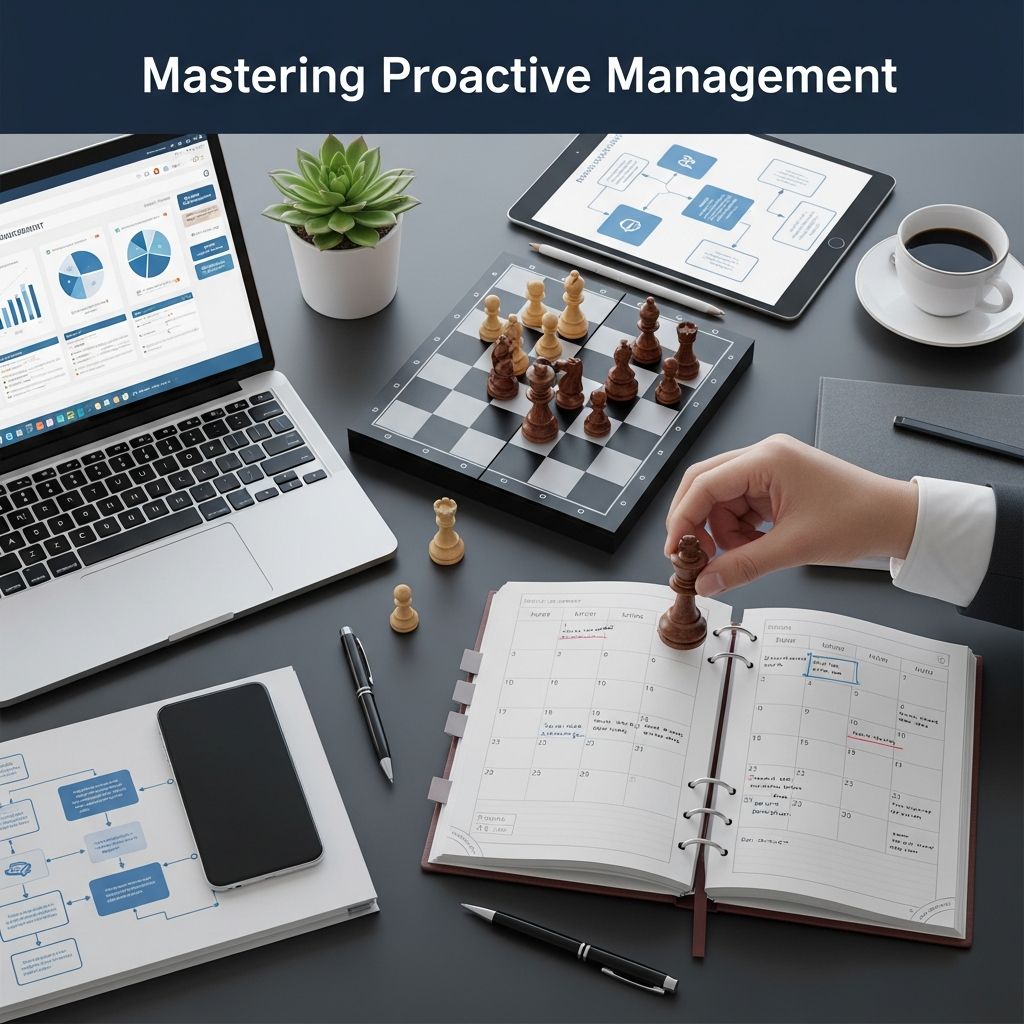
Proactive management represents a paradigm shift in leadership, prioritizing anticipation over reaction to steer organizations toward sustained success. This approach empowers leaders to identify potential obstacles early, allocate resources effectively, and cultivate an environment primed for innovation and adaptability.
Understanding the Essence of Proactive Management
At its core, proactive management involves leaders who actively scan their operational landscape for emerging trends, risks, and opportunities. Unlike traditional reactive styles that address crises post-occurrence, this method builds resilience by embedding foresight into daily decision-making processes. Leaders employing this strategy develop comprehensive foresight, enabling them to align team efforts with long-term objectives while minimizing disruptions.
Key to this philosophy is the recognition that business environments are dynamic, influenced by market shifts, technological advancements, and internal dynamics. Proactive managers invest in tools and practices that provide real-time insights, allowing for timely interventions that safeguard productivity and profitability.
Core Principles Driving Proactive Leadership
Effective proactive management rests on foundational principles that guide actions and foster a culture of preparedness. These elements ensure organizations not only survive but thrive amid uncertainties.
- Anticipatory Foresight: Continuously evaluating internal and external factors to predict disruptions. This involves trend analysis and scenario planning to stay ahead of curves.
- Strategic Resource Planning: Allocating assets based on projected needs rather than immediate demands, optimizing efficiency and reducing waste.
- Risk Mitigation Focus: Systematically identifying vulnerabilities through assessments and implementing safeguards before issues escalate.
- Commitment to Continuous Enhancement: Promoting a cycle of evaluation, learning, and refinement to evolve operations dynamically.
- Team Empowerment: Encouraging all levels to contribute insights, building collective ownership and agility.
These principles, when integrated, create a robust framework that transforms potential threats into strategic advantages.
Reactive vs. Proactive: A Critical Comparison
Distinguishing between reactive and proactive management highlights the transformative impact of the latter. Reactive approaches expend resources extinguishing fires, often leading to higher costs and eroded morale, whereas proactive methods invest in prevention for compounded long-term gains.
| Aspect | Reactive Management | Proactive Management |
|---|---|---|
| Focus | Crisis response after occurrence | Prevention through anticipation |
| Cost Implications | High emergency expenditures | Controlled planned investments |
| Team Morale | Frequent disruptions, stress | Stability, empowerment |
| Outcomes | Short-term fixes | Sustainable growth |
| Agility | Limited by surprises | Enhanced adaptability |
This table illustrates how proactive strategies yield superior results in efficiency and resilience.
Key Benefits of Adopting Proactive Management
Organizations embracing proactive management reap multifaceted advantages that bolster competitiveness. Enhanced agility allows swift pivots to market changes, reducing downtime and capitalizing on opportunities.
Problem prevention frees resources for innovation, with studies showing reduced crisis management time leading to up to 30% productivity gains in forward-thinking firms. Moreover, it fosters trust and motivation, as teams operate in predictable environments, enhancing retention and performance.
- Cost savings through averted emergencies.
- Improved decision-making via data-driven insights.
- Stronger stakeholder relationships from reliable operations.
- Cultivation of innovative cultures.
These benefits position proactive leaders as architects of enduring success.
Practical Steps to Implement Proactive Strategies
Transitioning to proactive management requires deliberate actions. Begin by cultivating a forward-oriented mindset across the organization, supported by training in strategic thinking.
- Deploy Monitoring Systems: Integrate analytics tools for real-time data on operations, enabling early anomaly detection.
- Conduct Regular Risk Audits: Schedule assessments to pinpoint vulnerabilities and devise mitigation plans.
- Formulate Flexible Strategies: Develop adaptable plans with scenario contingencies, reviewed quarterly.
- Empower Through Training: Equip teams with skills for initiative-taking and problem anticipation.
- Measure and Iterate: Track key performance indicators related to prevention efforts and refine approaches continuously.
Implementation demands commitment but yields exponential returns in operational smoothness.
Real-World Applications Across Industries
Proactive management shines in diverse sectors. In manufacturing, predictive maintenance via IoT sensors prevents equipment failures, minimizing downtime. Healthcare leaders use data analytics to foresee patient surges, optimizing staffing and resources.
Tech firms apply it through agile roadmapping, anticipating user needs and iterating features preemptively. Retailers leverage market trend analysis to stock inventories proactively, avoiding shortages during peaks. These examples demonstrate universal applicability, driving efficiency and customer satisfaction.
Overcoming Common Challenges in Proactive Adoption
Shifting paradigms invites hurdles like initial resistance or resource strain. Counter this by demonstrating quick wins, such as a pilot monitoring project yielding immediate savings.
Address data overload with prioritized metrics and user-friendly dashboards. Leadership buy-in is crucial; model proactive behaviors to inspire cultural shifts. Patience is key, as full benefits emerge over 6-12 months.
Tools and Technologies Enhancing Proactivity
Modern tools amplify proactive efforts. AI-driven analytics platforms forecast risks with high accuracy. Project management software like Asana or Jira facilitates scenario planning.
ERP systems integrate resource forecasting, while collaboration tools like Slack promote idea-sharing for collective foresight. Selecting scalable, integrable solutions ensures seamless adoption.
Frequently Asked Questions (FAQs)
What sets proactive management apart from reactive management?
Proactive management anticipates and prevents issues through planning, while reactive addresses them post-occurrence, often at greater cost.
How does proactive management improve business agility?
By preparing for scenarios in advance, it enables quick adaptations to changes, minimizing disruptions.
What are essential tools for proactive monitoring?
Analytics dashboards, AI predictive software, and risk assessment platforms provide critical insights.
Can small businesses implement proactive strategies?
Yes, starting with basic risk audits and team training yields significant benefits regardless of size.
How long does it take to see results from proactive management?
Initial improvements appear in months, with full impacts over a year through consistent application.
Building a Proactive Culture for Lasting Impact
Sustaining proactivity demands embedding it into organizational DNA. Recognize proactive contributions, integrate into performance metrics, and lead by example. Over time, this evolves reactive teams into resilient powerhouses.
In summary, proactive management is not merely a tactic but a leadership ethos that secures futures. By prioritizing foresight, organizations unlock unprecedented potential.
References
- Reactive vs Proactive Management: The Real Cost to Your Business — Netguru. 2023-05-15. https://www.netguru.com/blog/reactive-vs-proactive-management
- Why Proactive Management Is Key to Long-Term Success — The Happy Manager. 2024-02-10. https://the-happy-manager.com/proactive-management/
- What Is Proactive Management? — Qualee. 2024-08-22. https://www.qualee.com/hr-glossary/proactive-management
- Proactive Management Definition, Features & Examples — Study.com. 2023-11-01. https://study.com/academy/lesson/proactive-management-definition-benefits-example.html
- Key Term – Proactive Leadership — Aurora Training Advantage. 2024-01-18. https://auroratrainingadvantage.com/leadership/key-term/proactive-leadership/

- Integrated M.A. in Applied Linguistics, University of Hyderabad
- 5+ years in editorial, instructional, SEO, and research-based writing
Sneha is a relationships and lifestyle writer with a strong foundation in applied linguistics and certified training in relationship coaching. She brings over five years of writing experience to theskillvault, crafting thoughtful, research-driven content that empowers readers to build healthier relationships, boost emotional well-being, and embrace holistic living. Her writing and insights reflect the belief that beauty, happiness, and wellness…