
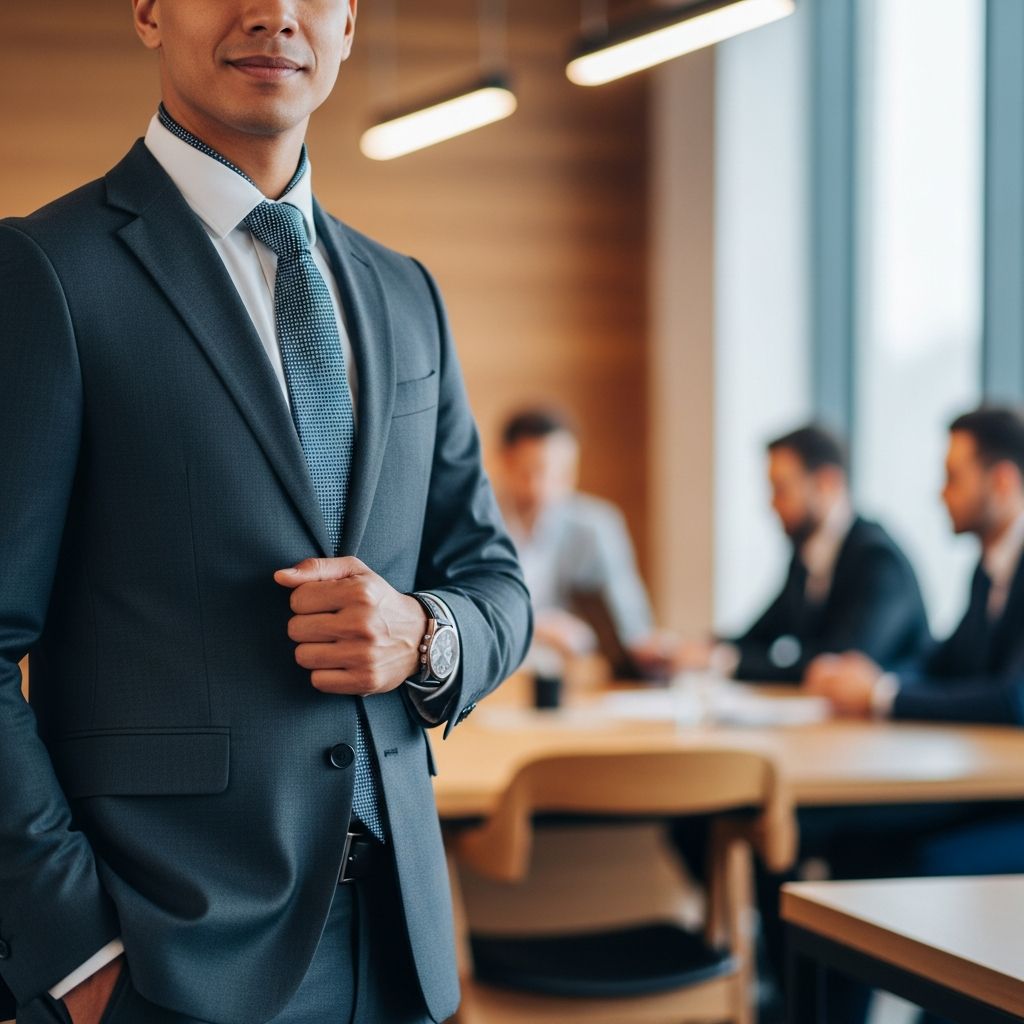
Understanding the Impact of Professional Appearance in Career Advancement
Your clothing choices communicate volumes about your professionalism, attention to detail, and respect for workplace standards before you ever speak a word. The relationship between appearance and career success is well-established in professional environments, where first impressions often influence opportunities, credibility, and advancement potential. When you invest time in understanding and executing appropriate workplace attire, you signal competence, reliability, and commitment to your professional role.
Professional appearance extends beyond vanity; it reflects your understanding of workplace culture, industry norms, and the expectations surrounding your position. Employees who dress appropriately for their role and industry tend to report higher confidence levels, better relationships with colleagues, and increased opportunities for leadership positions. Your wardrobe becomes part of your professional toolkit, complementing your skills and expertise.
The Four Tiers of Business Dress Standards
Modern workplaces operate within a spectrum of formality levels, each requiring different approaches to attire. Understanding these distinctions helps you make appropriate clothing choices regardless of your industry or specific role.
Formal Business Settings
The highest formality level in workplace dress codes establishes the most stringent guidelines for professional appearance. This standard applies in industries such as law, finance, government, and high-level corporate environments where tradition and conservative presentation hold significant weight. Formal business dress conveys authority, trustworthiness, and adherence to institutional standards.
For men, formal business attire consists of a well-tailored dark suit in navy, charcoal, or black paired with a crisp white or light blue dress shirt and a conservative silk tie. The suit jacket should be properly fitted, with the button stance at the natural waist and sleeve length reaching the wrist bone. Accessories remain minimal and classic: a leather belt matching shoe color, a simple watch, and possibly cufflinks. Footwear should be polished dress shoes, preferably oxfords or similar traditional styles in black or dark brown.
Women in formal settings typically wear tailored suits with skirts or trousers, paired with structured blouses in neutral tones. Skirt length should reach the knee or slightly above, and pantyhose in skin tone or neutral shades are encouraged. Closed-toe shoes with modest heels or flats complete the ensemble. Jewelry should be understated and elegant, avoiding anything that clinks or distracts. Hairstyles should be neat and pulled away from the face, with minimal makeup applied in natural tones.
Business Professional Attire
One step below formal dress, business professional represents the standard in most corporate offices, professional services firms, and client-facing roles. This level maintains polish and formality while allowing slightly more flexibility than the highest tier.
Men’s business professional attire includes a sports jacket or blazer with dress pants, complemented by a button-down collared shirt and optional tie depending on company culture. The jacket need not be part of a matched suit, offering flexibility in color coordination. Dress shoes in leather remain essential, as do coordinating belt and socks that match the pants color.
Women can choose between tailored pants, knee-length skirts, or professional dresses in neutral or muted colors. Blazers or structured cardigans add polish without requiring a full suit. Blouses should be pressed and neat, avoiding low necklines or transparent fabrics. Closed-toe shoes in neutral tones maintain the professional appearance.
Business Casual Environments
Business casual represents the most common dress code in contemporary workplaces, particularly in creative industries, technology companies, and modern corporate settings. This standard eliminates the jacket requirement while maintaining professional expectations about fit, cleanliness, and overall presentation.
Men can wear tailored chinos or dress pants with collared shirts, polo shirts, or conservative sweaters. Ties become optional, and sports jackets can be added for a more polished appearance. Shoes shift toward loafers, oxfords, or clean, fashionable sneakers, though leather options remain preferred.
Women have considerable flexibility with blouses, tailored tops, or stylish knitwear paired with trousers, dress pants, or knee-length skirts. Jeans may be acceptable in some business casual environments if they are well-fitted and styled appropriately. Layering with cardigans or casual blazers adds dimension and professionalism.
Casual Professional Settings
The most relaxed tier of professional dress codes appears in creative agencies, startups, and technology companies where innovation and individual expression are valued. Even in these environments, “casual” maintains professional boundaries and avoids personal leisure wear.
Stylish jeans, tailored trousers, or fashionable pants can be paired with fitted polo shirts, casual button-ups, or unique patterned shirts. Layering with jackets, cardigans, or vests adds polish without formality. Trendy sneakers, boots, or well-maintained casual shoes are acceptable, along with statement accessories and more distinctive styling choices.
Essential Components of a Professional Wardrobe
Building a functional professional wardrobe requires strategic investment in versatile pieces that can be mixed and matched across multiple outfits and occasions.
Foundation Garments
Suiting options form the backbone of formal and professional wardrobes. A well-fitted dark suit in navy or charcoal serves countless occasions, from important meetings to client presentations. Consider adding a second suit in a complementary neutral tone to expand outfit combinations. Blazers and sport coats can be worn independently, increasing versatility beyond the suit.
Shirt and blouse selection should prioritize neutral colors like white, light blue, cream, and soft pastels that pair easily with various bottoms. Long-sleeved options provide the foundation for formal settings, while short-sleeved styles work in business casual environments. Collared shirts create immediate polish, while structured blouses offer feminine alternatives without sacrificing professionalism.
Bottom wear in neutral tones—black, navy, gray, khaki, and charcoal—creates the basis for numerous combinations. Tailored dress pants with proper hemming and fit establish the standard for professional environments. Chinos offer versatility in business casual settings, while knee-length skirts provide options for varied silhouettes.
Layering Pieces
Blazers, cardigans, and structured sweaters add dimension to outfits while maintaining professionalism. These pieces serve multiple functions: they create visual interest, provide warmth in varying office temperatures, and elevate casual basics to professional standards. A tailored cardigan can transform jeans into acceptable business casual attire, while a structured blazer immediately formalizes any outfit.
Footwear Standards
Professional shoes serve both aesthetic and practical purposes. Dress shoes in leather represent the gold standard in formal and professional environments. Oxfords, loafers, and closed-toe heels or flats offer variety while maintaining polish. For business casual settings, clean, fashionable sneakers have become acceptable in many workplaces. Regardless of style, shoes should be clean, polished, and in good repair, communicating attention to detail.
Accessories and Details
Belts should coordinate with shoes and pants, serving both functional and visual purposes. Jewelry should remain minimal and elegant in formal settings, avoiding anything that jingles or distracts. Watches, simple earrings, and understated necklaces enhance professional appearance without drawing attention. Scarves can add color and interest while maintaining professionalism.
The Non-Negotiables of Professional Presentation
Certain standards apply across all workplace environments, regardless of formality level. These fundamentals communicate respect for yourself and your professional environment.
Cleanliness and Condition
Clothing must be impeccably clean, pressed, and free from stains, holes, wrinkles, and visible wear. Even the finest suit loses its professional impact when wrinkled or soiled. Regular laundering, proper storage, and timely repairs maintain your wardrobe’s integrity. Fabrics should not appear faded, stretched, or worn, as these conditions suggest neglect or carelessness.
Proper Fit and Tailoring
Ill-fitting clothing, whether too tight or too loose, undermines professionalism and appears unprepared. Investment in tailoring transforms standard pieces into polished essentials. Trousers should have appropriate hemming that reaches the shoe break, sleeves should extend to the wrist bone, and jackets should follow the natural waist line. Proper fit also prevents visible undergarments and creates clean silhouettes.
Grooming and Personal Hygiene
Professional presentation extends to personal grooming standards. Hair should be neat, trimmed, and either styled away from the face or maintained in a professional style. Nails should be clean and well-groomed, with chipped polish avoided entirely. Makeup, when worn, should appear natural and enhance rather than overwhelm features. Fragrance should be minimal and subtle, avoiding overpowering colognes or perfumes that can distract colleagues.
Avoiding Inappropriate Content
Clothing must be free from offensive images, words, logos, or graphics that could be considered inappropriate in professional settings. This includes graphic designs, slogans, or symbols that might offend colleagues or damage professional relationships. Content restrictions extend to low-cut styles, visible undergarments, and anything suggesting personal leisure activities rather than professional engagement.
Industry-Specific Considerations
While general professional standards apply across sectors, specific industries maintain particular expectations about attire and presentation.
| Industry | Typical Dress Code | Key Characteristics |
|---|---|---|
| Law and Finance | Business Formal to Professional | Conservative colors, traditional styling, emphasis on polish and authority |
| Corporate Management | Business Professional | Suits for important meetings, business casual for daily operations |
| Technology and Startups | Business Casual to Casual | Flexibility with individual expression, minimal formality requirements |
| Healthcare | Business Casual to Scrubs | Practical considerations, minimal jewelry for safety, clean and neat appearance |
| Education | Business Casual to Professional | Approachable yet credible appearance, varying based on institution level |
| Creative Services | Business Casual to Casual | Individual style valued, emphasis on creativity while maintaining professionalism |
Strategies for Building a Professional Wardrobe on Any Budget
Professional appearance need not require excessive spending. Strategic purchasing and smart styling maximize wardrobe versatility and longevity.
Prioritizing Foundation Pieces
Invest in quality basics that work across multiple occasions: neutral blazers, well-fitting trousers, and classic dress shoes. These foundational pieces form the basis for numerous outfits and justify higher investment because of their frequent use and longevity.
Mixing Quality Levels
Pair investment pieces with more affordable options. A quality blazer paired with less expensive trousers still creates professional appearance. Focus spending on visible, frequently-worn items while economizing on layering pieces or items worn beneath jackets.
Building Color Coordination
Selecting a consistent color palette—typically neutrals with one or two accent colors—ensures pieces coordinate easily. This approach minimizes the number of items needed while maximizing outfit combinations. Neutral tones in navy, charcoal, black, gray, khaki, and white provide endless pairing possibilities.
Shopping Off-Season
Professional clothing can be purchased at reduced prices during off-season sales. Building wardrobe pieces gradually through strategic shopping prevents large expenses while allowing for quality selection.
Adapting Your Appearance for Different Professional Scenarios
Even within a single workplace, different occasions may require adjusting your standard dress code approach.
Job Interviews
Interview settings typically warrant dressing one level more formally than the standard office dress code. If the position operates in business casual, interview attire should be business professional. This choice demonstrates respect for the opportunity and commitment to professionalism.
Client Meetings and Presentations
Client-facing situations often require elevated dress standards regardless of normal office attire. Adding a blazer, upgrading to dress shoes, or wearing a tie creates the polish and authority appropriate for representing your organization.
Conference and Event Attendance
Professional conferences typically follow business professional standards. Even casual-dress workplaces usually expect more formal attire at industry events, where you represent both yourself and your organization to broader professional communities.
Remote Work and Virtual Meetings
Professional appearance matters in virtual settings, even when only visible from the shoulders up. Dressing professionally, even for video calls, maintains appropriate professional boundaries and reinforces your professional identity during working hours.
Common Mistakes to Avoid in Professional Dressing
Even well-intentioned professionals sometimes undermine their appearance through common errors.
- Ignoring garment care: Failing to properly launder, press, and maintain clothing diminishes impact regardless of initial quality.
- Neglecting proper fit: Wearing incorrectly sized clothing draws negative attention and appears careless.
- Over-accessorizing: Excessive jewelry, scarves, or belts creates visual clutter and distraction.
- Wearing casual shoes to professional settings: Sneakers or sandals clash with otherwise professional outfits.
- Choosing comfort over appropriateness: Athletic wear, yoga pants, or overly casual clothing signals lack of respect for professional norms.
- Ignoring dress code guidelines: Assuming casual Friday applies to client meetings or assuming business casual allows denim in formal environments.
- Mismatched accessories: Belts that don’t coordinate with shoes or poorly chosen jewelry undermines polish.
- Inappropriate necklines or hemlines: Clothing that draws attention to body rather than professionalism damages credibility.
Frequently Asked Questions About Professional Attire
Q: Can I wear jeans to a business casual workplace?
A: This depends on your specific workplace culture. Some business casual environments accept well-fitted, styled jeans without distressing, while others maintain a “no denim” policy. Observe what colleagues wear and ask HR if unsure. When in doubt, err toward more formal options like chinos or dress pants.
Q: What should I wear to a job interview if I don’t know the dress code?
A: Research the company’s typical dress code through their website, social media, or by calling HR. If the normal environment is casual, still wear business professional attire for interviews. If the environment is business professional or formal, wear business formal. Dressing more formally than required is always safer than underdressing for interviews.
Q: How often should professional clothing be cleaned or laundered?
A: Dress shirts and blouses should be laundered after each wear, while pants and skirts can typically be worn twice before cleaning if not visibly soiled. Suits and blazers may be worn multiple times before dry cleaning unless stained. Proper storage and airing out between wears extends the time between cleanings.
Q: Is it acceptable to express personal style in professional dress?
A: Personal style can be expressed within professional boundaries through color choices within appropriate palettes, accessory selection, and styling details. Business casual and casual environments typically allow more individual expression than business formal settings. Always ensure personal style choices don’t violate dress code guidelines or distract from professionalism.
Q: What’s the best investment for a professional wardrobe on a limited budget?
A: Invest in one well-fitted, versatile suit in a neutral color that works for your industry. Add basic neutral bottoms, simple blouses or shirts, and professional shoes. These foundational pieces create numerous outfit combinations and justify higher investment due to frequent use and longevity.
Q: How do I know if my clothing fits properly?
A: Properly fitting professional clothing should not pull, bunch, or gape at seams. Jacket sleeves should reach your wrist bone, pants should break slightly at the shoe, and there should be no visible undergarments. When in doubt, consult a professional tailor who can ensure perfect fit.
References
- The Dos and Don’ts of Workplace Dress Codes — Axcethr. 2024. https://blog.axcethr.com/the-dos-and-donts-of-workplace-dress-codes
- How To Write a Dress Code Policy (Examples Included) — Lands’ End Business. 2024. https://business.landsend.com/articles/how-to-write-a-dress-code-policy/
- Dress for Success: Unlocking Professional Dress Codes — Virginia Tech Career Services. 2024. https://career.vt.edu/resources/professional-dress-codes/
- Professional Dress Guide — Embry-Riddle Aeronautical University. 2024. https://careerservices.erau.edu/resources/professional-dress-guide
- Dress Code Policy: Attire and Professional Appearance — University of Michigan Office of Enrollment Management. 2024. https://enrollment.umich.edu/sites/default/files/OEM-Dress-Code-Policy.pdf
- Dress for Success Reference Guide — The University of Oklahoma Price College of Business. 2024. https://www.ou.edu/price/jcpl/professional-attire-reference.html

Medha Deb is an editor with a master's degree in Applied Linguistics from the University of Hyderabad. She believes that her qualification has helped her develop a deep understanding of language and its application in various contexts. Medha specializes in the areas of beauty, health, sports, and wellness and is committed to ensuring that the content on the website is…