
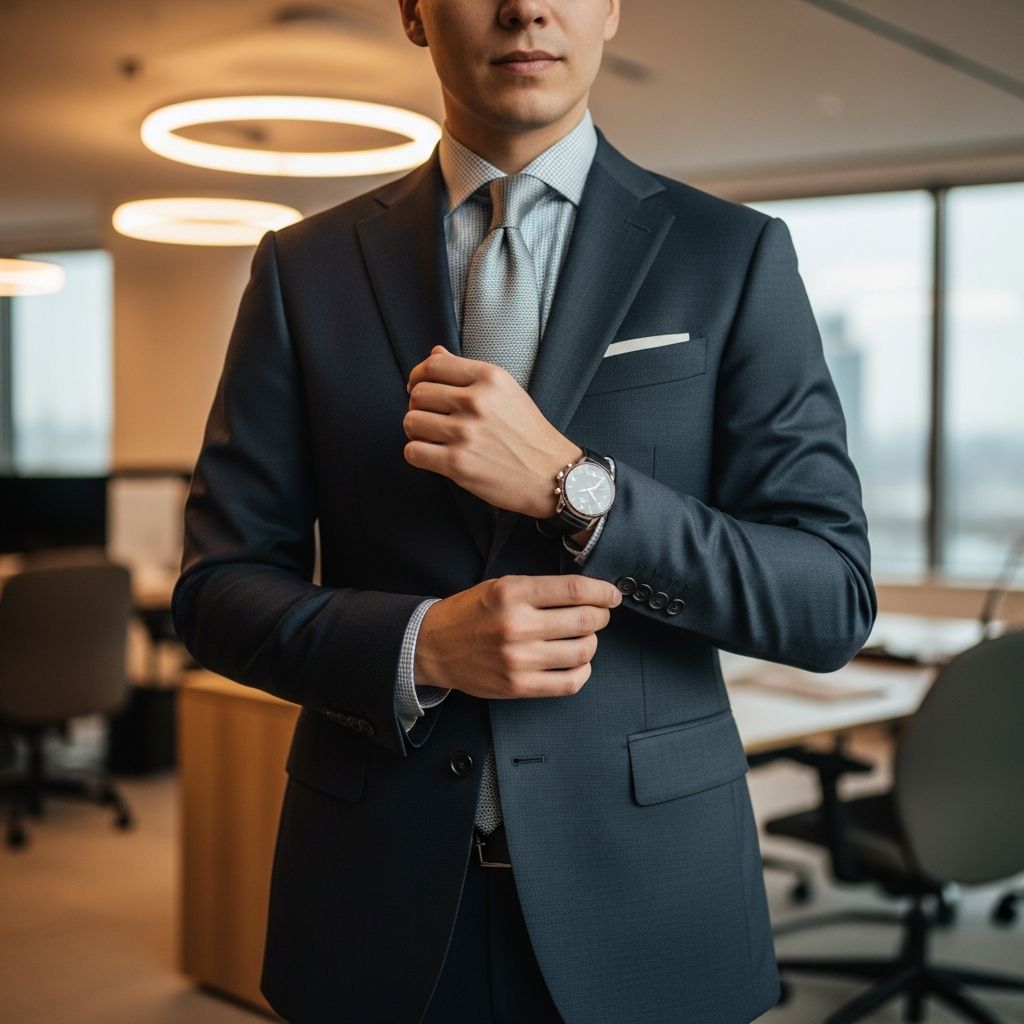
Strategic clothing choices in professional settings profoundly influence perceptions, performance, and advancement opportunities. Research indicates that well-dressed individuals often experience heightened confidence and productivity, with over 80% of managers associating professional attire with superior work output. This guide explores the psychology, practical guidelines, and evolving trends in workplace dressing to help you project competence and achieve career goals.
The Psychological Power of Professional Clothing
Clothing serves as more than mere fabric; it shapes mindset and behavior. Studies reveal that formal attire enhances cognitive function, abstract thinking, and negotiation abilities, fostering a sense of authority. When individuals don structured suits, they report feeling more powerful and competent compared to casual wear.
This phenomenon, often termed “enclothed cognition,” demonstrates how attire influences psychological states. For instance, wearing a tailored blazer can sharpen focus and detail orientation, signaling to oneself and others a commitment to excellence. In high-stakes environments like finance or law, such presentation builds immediate credibility.
- Confidence Boost: Formal clothing correlates with elevated self-perception and poise during interactions.
- Productivity Surge: Managers observe that professionally attired teams deliver higher output.
- Focus Enhancement: Distinct work outfits help transition into a productive mindset, separating professional from personal life.
Navigating Formal Business Attire Standards
Formal business attire demands precision, emphasizing clean, conservative, and coordinated elements to project unity and sophistication. Suits must be neatly pressed, tailored for proper fit, and feature current styles without stains or wrinkles. For men, this includes double-breasted options in neutral tones, paired with polished shoes and conservative ties. Women opt for knee-length skirts or pantsuits with skin-toned hosiery and minimal accessories.
| Element | Men | Women |
|---|---|---|
| Suit | Single or double-breasted, dark colors | Tailored pantsuit or skirt suit |
| Shirt/Blouse | Crisp dress shirt, white or light | Button-up blouse, conservative |
| Footwear | Polished leather oxfords | Closed-toe pumps, 2-3 inch heel |
| Accessories | Simple tie, cufflinks | Pearls or studs, minimal jewelry |
Grooming complements attire: neatly trimmed hair, natural makeup, clean nails, and subtle fragrances ensure a polished image. This level suits client meetings, interviews, or conservative industries where first impressions form in seconds.
Adapting to Business Casual Dynamics
Business casual dominates modern offices, blending professionalism with comfort while prioritizing business over leisure. It permits relaxed versions of formal wear, such as collared shirts without ties, khakis, or blouses with slacks. The key remains conservatism: avoid flashy patterns, ripped jeans, or graphic tees.
Employers mitigate confusion by outlining boundaries—no midriff exposure, flip-flops, or offensive slogans—to maintain standards. This code fosters inclusivity and creativity, yet requires vigilance to prevent slippage into unprofessionalism, especially during external engagements.
- Acceptable: Polo shirts, loafers, midi skirts.
- Prohibited: Athletic wear, shorts, heavily distressed denim.
Hybrid and Remote Work Dressing Strategies
Post-pandemic shifts have blurred office boundaries, with 80% of hybrid workers altering attire habits. Remote settings demand intentionality: upper-body professionalism for video calls pairs with comfortable bottoms, signaling effort and focus. In-office returns revive formal codes to rebuild cohesion and mindset.
Err toward formality when uncertain, as it conveys dedication. Trends like “quiet luxury” (understated elegance) and “dopamine dressing” (vibrant yet refined colors) allow personality within bounds.
Building a Versatile Professional Wardrobe
A smart wardrobe features timeless, mix-and-match pieces for versatility across codes. Invest in quality fabrics that withstand wear, prioritizing fit over trends. Core items include neutral suits, button-downs, and blazers adaptable from formal to casual.
- Assess workplace culture via observation or policy review.
- Select 5-7 foundational garments for rotation.
- Incorporate seasonal adaptations without compromising polish.
- Schedule maintenance: dry cleaning, ironing routines.
For career mobility, maintain a “promotion-ready” outfit accessible anytime, mirroring student strategies for impromptu networking.
Industry-Specific Attire Insights
Dress codes vary by sector. Creative fields embrace individualism with bold textures, while corporate realms insist on uniformity. Healthcare mandates practical scrubs or lab coats signaling hygiene. Tech leans casual yet branded, balancing innovation with approachability.
| Industry | Dress Code | Key Tip |
|---|---|---|
| Finance/Law | Formal | Opt for pinstripes, power ties |
| Tech/Startups | Business Casual | Hoodies over polos for culture fit |
| Creative/Media | Smart Casual | Express via accessories, colors |
| Healthcare | Functional Professional | Clean lab coats, closed shoes |
Cultural and Inclusivity Considerations in Dressing
Global workplaces demand sensitivity to diverse norms. What signifies professionalism in one culture may offend in another. Policies should accommodate religious attire, body types, and gender expressions while upholding hygiene and safety. Clear guidelines promote equity, ensuring attire enhances rather than hinders inclusion.
Frequently Asked Questions (FAQs)
What is the most common workplace dress code?
Business casual prevails in most offices, featuring collared shirts, slacks, and loafers while maintaining a professional edge.
Does clothing really impact productivity?
Yes, over 80% of managers link professional dress to higher productivity, with attire boosting focus and confidence.
How should I dress for hybrid work?
Prioritize camera-ready tops with comfortable bottoms; formalize for in-office days to match evolving norms.
What if the company has no dress code?
Observe peers and lean formal to demonstrate effort and respect for the environment.
Can casual dress harm my career?
Excessive casualness risks undermining credibility, especially in client-facing roles, per manager surveys.
Sustaining Long-Term Dressing Habits
Consistency in professional attire compounds benefits: respect from peers, promotion readiness, and ingrained discipline. Track feedback from mentors, update seasonally, and align with personal branding. In a competitive landscape, attire becomes a silent advocate, distinguishing you amid talent pools.
Ultimately, mastering workplace attire equips you for success across formats—virtual, hybrid, or traditional—transforming clothing into a career accelerator.
References
- Dress Codes in the Workplace and Their Impact on the Professional Image — Engage for Success. 2023. https://engageforsuccess.org/dress-codes-in-the-workplace-and-their-impact-on-the-professional-image/
- Dress for Success: Unlocking Professional Dress Codes — Virginia Tech Career Services. 2024. https://career.vt.edu/resources/professional-dress-codes/
- Why is Dressing for Success Critical to Workplace and Overall Career Success — Suits Unlimited. 2023-10-15. https://www.suitsunlimited.net/post/why-is-dressing-for-success-critical-to-workplace-and-overall-career-success
- The Return of Business Attire: Why Professional Dress Codes Are Making a Comeback — HIM Business School. 2024. https://www.him-business-school.com/en/news/career-advice/return-business-attire-why-professional-dress-codes-are-making-comeback/
- The Office Dress Code: What Has Changed, and What Has Not? — Babson College Entrepreneurship. 2023. https://entrepreneurship.babson.edu/office-dress-code/

- Integrated M.A. in Applied Linguistics, University of Hyderabad
- 5+ years in editorial, instructional, SEO, and research-based writing
Sneha is a relationships and lifestyle writer with a strong foundation in applied linguistics and certified training in relationship coaching. She brings over five years of writing experience to theskillvault, crafting thoughtful, research-driven content that empowers readers to build healthier relationships, boost emotional well-being, and embrace holistic living. Her writing and insights reflect the belief that beauty, happiness, and wellness…