
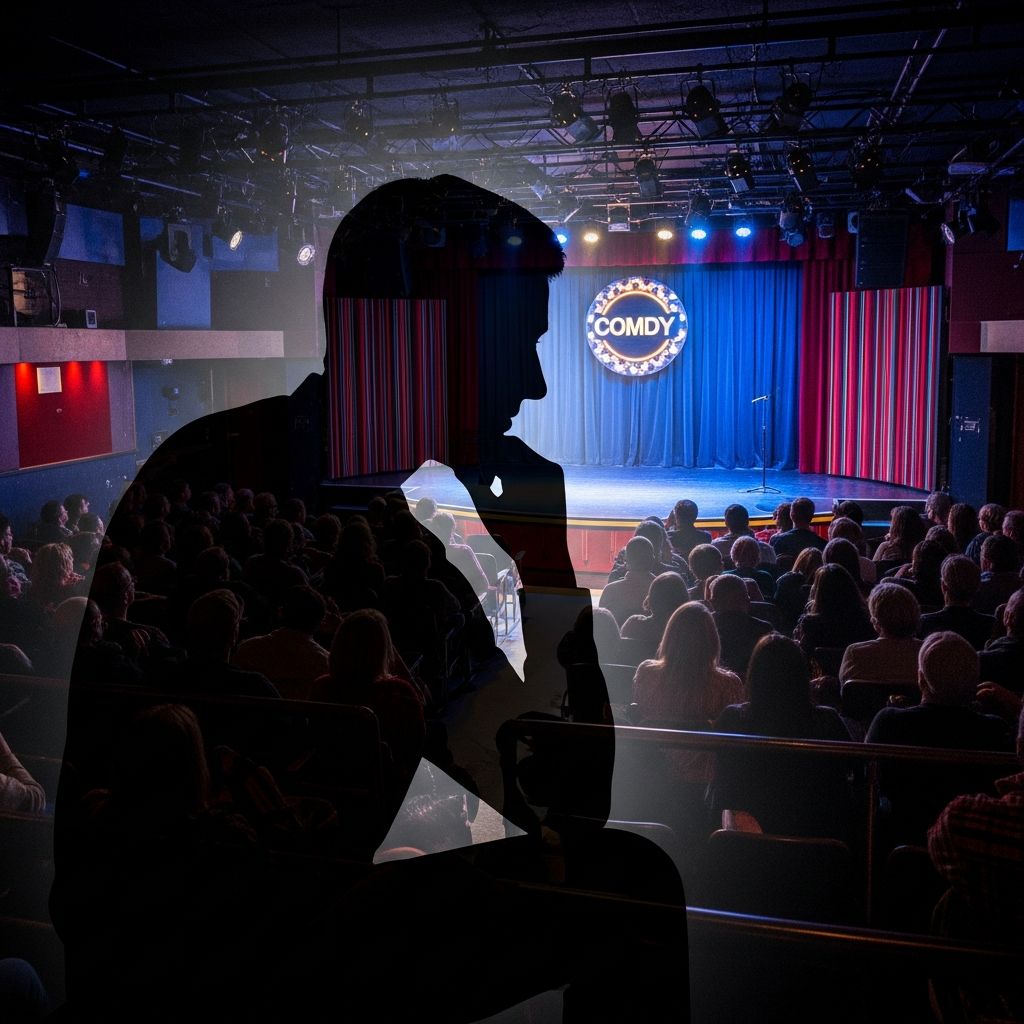
Psychologists are often pictured in quiet offices, not in the chaos of late-night comedy clubs. Yet, high-pressure creative environments can be some of the places where mental health support is needed most. This article explores the life and work of a clinical psychologist who practices in a stand-up comedy club setting, using that unique role as a lens to understand training, boundaries, ethics, and sustainable career design in psychology.
While this story is inspired by a real-life psychologist working with comedians, it is written in original language and organized to highlight practical lessons for anyone interested in mental health careers at the intersection of creativity and performance.
The Unconventional Setting: Why Comedians Need a Psychologist
Comedy clubs might look carefree, but behind the scenes performers often face intense stress, unstable income, constant evaluation, and public criticism. These are all factors that can increase psychological vulnerability and stress-related symptoms.1 For some performers, the club psychologist becomes a vital confidential resource—someone who understands both mental health and the culture of comedy.
Common challenges comedians bring to therapy include:
- Managing anxiety before and after performances
- Dealing with rejection, public failure, and online criticism
- Navigating substance use and late-night lifestyles
- Balancing authenticity on stage with privacy off stage
- Handling relationship strain related to touring and odd hours
At the same time, humor itself can be a powerful coping tool and is associated with better stress management when used adaptively, such as through affiliative and self-enhancing humor styles.2 A psychologist in a comedy setting must distinguish between humor that heals and humor that hides deeper pain.
Training for a Nontraditional Clinical Role
The path to becoming a psychologist in any niche, including comedy clubs, follows the same rigorous foundations as other clinical roles.
Core Educational Path
- Undergraduate degree in psychology or a related field
- Graduate training (PhD or PsyD in clinical or counseling psychology)
- Supervised clinical hours in diverse settings (e.g., hospitals, community clinics, university counseling centers)
- Licensure requirements, including national and/or state exams, continuing education, and adherence to professional ethics codes3
What differentiates a psychologist in a creative industry is not a special degree, but how they choose practicum sites, internships, and early jobs. Someone drawn to working with performers may seek out:
- University counseling centers with strong performing arts populations
- Specialty clinics that focus on anxiety, performance, or creativity
- Research or training in performance anxiety, perfectionism, or public speaking
Skills That Matter Most in a Performance Environment
| Core Skill | How It Shows Up in a Comedy Club |
|---|---|
| Risk assessment | Evaluating self-harm, substance risk, or acute crises after a difficult show or major career setback4 |
| Cultural competence | Understanding the language, norms, and dark humor typical in stand-up without overreacting or dismissing real distress |
| Boundary management | Maintaining clinical neutrality and confidentiality inside a tight-knit, gossip-prone community |
| Brief, focused interventions | Offering targeted support in limited time windows between rehearsals, sets, or tours |
| Flexibility | Adjusting schedules around late-night shows, festivals, or tapings while still protecting the psychologist’s own well-being |
What a Typical Workweek Can Look Like
No two weeks look exactly the same, but patterns emerge. A psychologist embedded in a comedy venue might divide time between on-site sessions and more traditional office work, while also handling emergencies and consultations.
Sample Weekly Rhythm
- Afternoons: Scheduled individual therapy sessions, often with club-affiliated performers and staff
- Early evenings: Drop-in hours before shows for brief check-ins, grounding strategies, or crisis triage
- Late nights: On-call support during high-profile events or after particularly intense performances
- Daytime blocks: Documentation, treatment planning, continuing education, and supervision or consultation
Many psychologists in such roles also maintain a private practice outside the club, blending more traditional caseloads with specialized work with performers. This diversity can help reduce financial instability and emotional overidentification with a single workplace.
Core Therapeutic Themes with Comedians
Although every client is different, several recurring themes often appear when working with comics and other performers.
1. Identity: Person vs. Persona
Comedians craft on-stage personas that may or may not match how they feel off stage. Therapy often explores questions such as:
- Who am I when I’m not performing?
- How much of my pain should become material?
- What happens when my stage persona reinforces unhealthy patterns?
2. Anxiety, Self-Doubt, and Rejection
Stand-up can magnify fears of failure and social judgment. Evidence-based approaches such as cognitive behavioral therapy (CBT) and exposure-based strategies are commonly used to address performance anxiety.5 Techniques may include:
- Identifying and reframing catastrophic thoughts about bombing on stage
- Developing pre-show routines to regulate breathing and arousal
- Gradual exposure to feared situations, like testing new material in small rooms
3. Substance Use and Coping Styles
The combination of late nights, free alcohol, and chronic stress can elevate risk for problematic substance use. Psychologists may integrate motivational interviewing and relapse-prevention strategies, always balancing honesty with nonjudgmental support.
4. Relationships and Lifestyle Balance
Touring, open mics, and inconsistent schedules can disrupt friendships, dating relationships, and family life. Therapy gives performers space to re-examine what they want from life beyond career milestones and to design more sustainable routines where possible.
Ethics and Boundaries in a Tight-Knit Community
Working in a confined social ecosystem like a comedy club intensifies ethical challenges that are already central to psychological practice. Professional organizations emphasize confidentiality, informed consent, and maintaining appropriate boundaries as non-negotiable standards.3
Managing Dual Relationships
In small communities, a psychologist may frequently encounter clients outside of sessions. To preserve trust, clear ground rules are essential:
- Planning how to handle casual encounters in the club (e.g., a simple nod vs. conversation)
- Avoiding friendships, business partnerships, or romantic relationships with clients
- Declining gifts, favors, or special treatment that could compromise neutrality
Confidentiality Under the Spotlight
In any performance community, curiosity and gossip travel fast. The psychologist must consistently communicate that:
- Attendance in therapy is private information
- Content of sessions is never shared with club management without explicit, informed consent, except in situations involving safety or legal obligations
- Clinical decisions are independent of booking decisions or career outcomes
Protecting the Psychologist’s Own Mental Health
Working closely with high-stress performers can be rewarding but draining. Psychologists are vulnerable to burnout and compassion fatigue when exposed to constant emotional intensity.6 Intentional self-care and structural boundaries are crucial.
Key Practices to Prevent Burnout
- Scheduled downtime: Preserving non-negotiable off-hours, even when shows run late
- Peer consultation: Regular meetings with colleagues to discuss cases (anonymously), ethical dilemmas, and countertransference
- Personal therapy: Many clinicians use their own therapy to process emotional residue and maintain perspective
- Physical health habits: Sleep hygiene, nutrition, and movement to counter irregular hours and sedentary listening
Designing a Career on Your Own Terms
The story of a psychologist in a comedy club highlights a broader point: psychological training is flexible, and clinicians can build careers that reflect their personal interests and values.
Questions to Shape Your Own Path
- Which communities or populations am I genuinely curious about?
- What types of problems do I feel energized helping with (e.g., trauma, identity, performance, relationships)?
- How much structure versus variety do I want in my week?
- What income streams (employment, private practice, consulting, teaching) could I blend together?
Psychologists may find creative roles in:
- Film, television, and writers’ rooms
- Music and touring productions
- Sports and performance coaching
- Corporate wellness and leadership development
In each setting, the core clinical foundation remains the same. What changes is the culture, the language, and the specific pressures clients face.
Practical Tips for Aspiring Psychologists in Creative Industries
If you are drawn to work with comedians, artists, or performers, it helps to combine strong clinical skills with real familiarity with the industry.
Build Relevant Experience Early
- Seek practicum or internship placements that serve creative or high-stress populations (e.g., student athletes, performing arts schools).
- Volunteer with festivals, theaters, or local arts organizations to understand the environment from the inside.
- Develop expertise in anxiety, mood disorders, and addiction, which are common in performance communities.
Learn the Culture Without Trying to Be “One of the Gang”
Respect comes from understanding the work and being consistent, not from trying to be a comic yourself. Helpful steps include:
- Attending shows as an observer
- Reading or listening to interviews where comedians talk openly about mental health and craft
- Staying humble about what you don’t know and allowing clients to teach you about the industry
Communicate Your Role Clearly
From the beginning, clarify what you offer and what you do not:
- You are not a talent manager or career coach, though sessions may explore career choices.
- You are not giving notes on material; you are focused on the performer’s well-being.
- You are not a substitute for medical care and will coordinate with physicians or psychiatrists as needed.
Frequently Asked Questions (FAQs)
Q: Do you have to be funny to be a psychologist for comedians?
No. What matters is being clinically competent, respectful, and culturally aware. You do not need to share the same talents as your clients; you need to understand their context and maintain professional boundaries.
Q: Is the work more emotionally intense than traditional practice?
Intensity varies, but performers often share deeply personal material, sometimes linked to trauma or identity struggles. Strong supervision, self-care, and clear limits are crucial to avoid burnout.
Q: How do you separate the jokes from real distress?
Humor can be both a healthy coping tool and a defense mechanism. The psychologist listens for patterns: Does the client avoid feelings by joking, or can they step out of humor to discuss painful experiences directly when needed?
Q: Can a psychologist ever attend clients’ shows?
Policies differ. Some clinicians avoid performances to reduce dual relationships; others attend occasionally with prior discussion about boundaries. The priority is always how attendance might impact therapy and confidentiality.
Q: What if a client makes jokes about self-harm on stage?
Jokes alone do not prove intent, but they warrant careful assessment. In session, the psychologist explores the meaning of the material, evaluates risk using standard frameworks, and follows legal and ethical guidelines if there is concern for safety.4
References
- Mental Health in the Performing Arts: A Systematic Review — van den Eynde J. et al., International Journal of Environmental Research and Public Health. 2023-01-10. https://doi.org/10.3390/ijerph20021445
- Humor Styles, Stress, and Well-Being — Martin R.A. et al., Journal of Research in Personality. 2003-06-01. https://doi.org/10.1016/S0092-6566(02)00534-2
- Ethical Principles of Psychologists and Code of Conduct — American Psychological Association. 2017-01-01. https://www.apa.org/ethics/code
- Practice Guideline for the Assessment and Treatment of Patients With Suicidal Behaviors — American Psychiatric Association. 2003-11-01. https://psychiatryonline.org/pb/assets/raw/sitewide/practice_guidelines/guidelines/suicide.pdf
- Cognitive-Behavioral Therapy for Anxiety Disorders: An Update on the Empirical Evidence — Hofmann S.G. et al., Dialogues in Clinical Neuroscience. 2012-03-01. https://www.ncbi.nlm.nih.gov/pmc/articles/PMC5573566/
- Burnout and Health Care Professionals: A Systematic Review — National Academy of Medicine / Shanafelt T. et al. 2019-10-23. https://nam.edu/burnout-in-health-care-professionals-a-call-to-explore-and-address-this-underrecognized-threat-to-safe-high-quality-care/

Medha Deb is an editor with a master's degree in Applied Linguistics from the University of Hyderabad. She believes that her qualification has helped her develop a deep understanding of language and its application in various contexts. Medha specializes in the areas of beauty, health, sports, and wellness and is committed to ensuring that the content on the website is…