
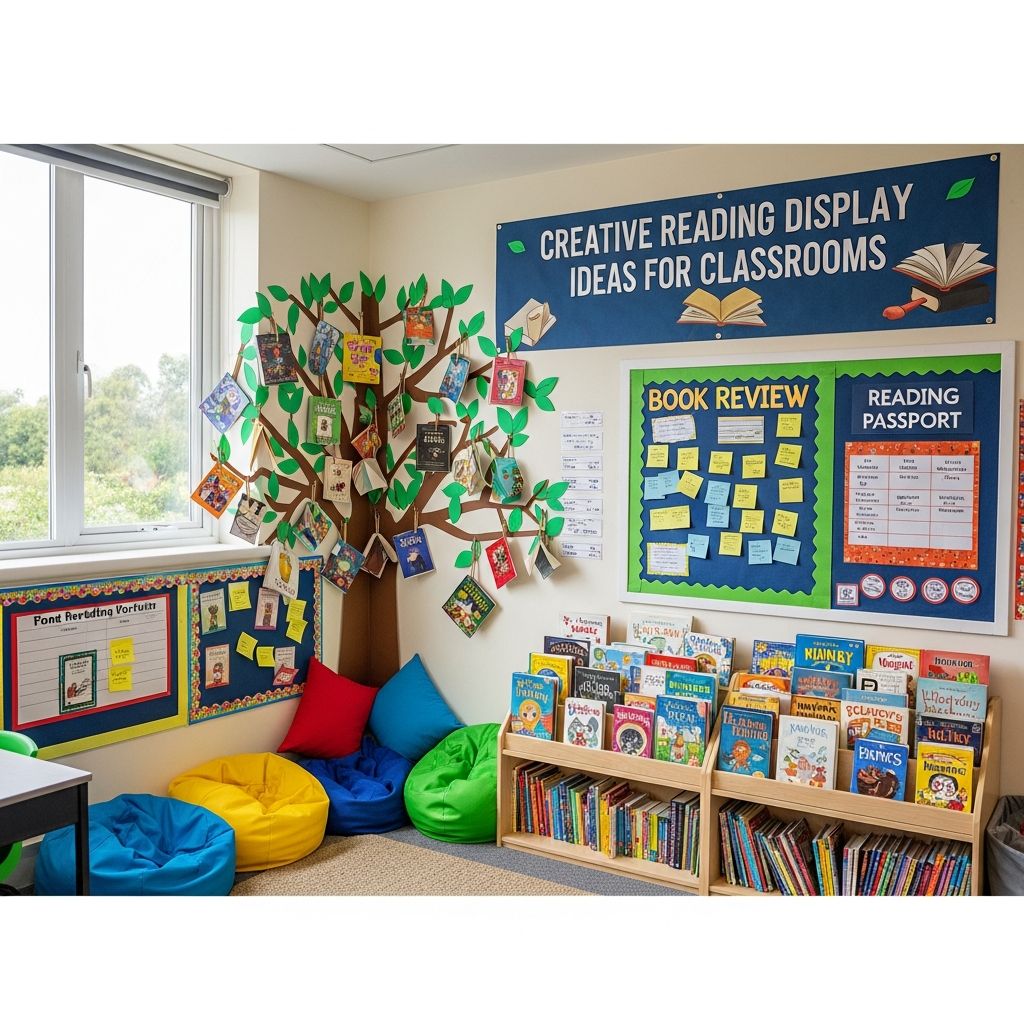
Engaging visual displays play a pivotal role in cultivating a passion for reading among students. These bulletin boards not only beautify the learning environment but also serve as dynamic tools for motivation, instruction, and community building. By incorporating student input, thematic elements, and interactive features, teachers can create spaces that invite exploration and celebrate literary achievements.
Building a Reading Community Through Shared Displays
One of the most effective ways to foster a collective love for books is by highlighting what everyone in the class is enjoying. Imagine a central board where each student has a dedicated spot—a small frame or pocket with their name. As they finish or start a new title, they update it with a colorful card featuring the book’s cover, title, and a quick note on why it’s captivating. This setup sparks conversations during breaks, as peers glance over and ask, “What’s that one about?” It builds excitement and normalizes diverse reading choices, from graphic novels to chapter books.
To enhance interactivity, add a monthly rotation where the class votes on a “Book of the Month.” Surround it with student drawings of key scenes or short summaries written in their own words. Such displays reinforce that reading is a shared journey, encouraging even reluctant readers to participate.
- Personalized student slots for current reads.
- Monthly featured book with class contributions.
- Peer recommendation arrows pointing to favorites.
Thematic Journeys: Taking Reading to New Worlds
Transform your board into a portal for adventure by using travel motifs. Picture a large map of the world or a whimsical road dotted with landmarks, where each destination represents a genre or cultural setting. Students “travel” by pinning postcards or flags after completing a book from that area—perhaps a mystery set in Paris or a folktale from Africa. Include prompts like “Pack your bag for fantasy lands” to guide selections from the classroom library.
For seasonal twists, align themes with holidays or weather. In autumn, leaves bearing book quotes flutter around a harvest of recommended reads. Winter brings snowy paths leading to cozy story nooks. These evolving displays keep the space fresh and tie reading to real-world rhythms, making it feel alive and relevant.
| Season | Theme Idea | Interactive Element |
|---|---|---|
| Spring | Blossoming Stories | Students plant paper flowers for each chapter finished. |
| Summer | Beach Reads Escape | Sandcastle pockets hold beachy book suggestions. |
| Fall | Leafy Literature Trail | Fallen leaves with hidden quotes to discover. |
| Winter | Frozen Tales Igloo | Ice block reveals warming book recommendations. |
Interactive Challenges to Boost Engagement
Turn passive viewing into active participation with challenge-based boards. Design a “Reading Quest” grid resembling a game board, complete with milestones like “Read 5 pages daily” or “Try a new author.” Students move avatars—drawn characters or photos—across the board as they meet goals, earning stickers or digital badges if tech-integrated. This gamification taps into competitive spirits while tracking progress visibly.
Another approach: a genre exploration wheel divided into slices like sci-fi, historical fiction, and poetry. Spin a pointer (or draw lots) to assign weekly reads, then have students add review stars or thumbs-up icons post-reading. These mechanics make selecting books fun and ensure variety, preventing ruts in preferences.
Strategy-Focused Boards for Skill Development
Beyond fun, bulletin boards can anchor reading instruction. Create a vibrant anchor chart wall outlining key strategies: predicting outcomes, visualizing scenes, or inferring character emotions. Use icons—a crystal ball for predictions, an eye for visualization—to make them memorable. Students reference these during independent reading, and you can add their examples from recent class books.
For deeper dives, dedicate sections to vocabulary builders. Weekly words from current reads appear with illustrations, synonyms, and sentence starters. Students contribute by writing their own usages on sticky notes, building a collective word bank that grows over time.
- Prediction prompts with story starters.
- Visualization doodle spaces.
- Vocabulary jars filling with contributions.
Age-Appropriate Adaptations for Every Grade
Early Elementary: Visual and Playful
For kindergarten through second grade, prioritize bold colors, large images, and hands-on elements. A “Story Hungry Monster” devours book covers as students “feed” it finished reads. Pair with rhyme boards where pictures prompt simple predictions, easing beginners into comprehension.
Upper Elementary: Building Independence
Third to fifth graders thrive on ownership. Let them co-design boards, like a rating system with stars and comments for library returns. Introduce debate corners with prompts like “Best plot twist?” to hone opinions.
Middle and High School: Thought-Provoking
Older students engage with sophisticated themes. A graffiti-style quote wall invites sharpie scribbles of impactful lines from YA novels. Or a current events tie-in board links books to news, sparking discussions on themes like identity or justice.
Seasonal and Holiday Inspirations
Align displays with calendar highlights for sustained interest. Back-to-school: a rocket launch of reading goals, with boosters as personal targets. Halloween: spooky shelves of mystery picks. Holidays: gift-wrapped recommendations under a tree. End-of-year: a reflection rainbow of favorites achieved. These tie-ins make the board a classroom heartbeat, pulsing with the year’s events.
Practical Tips for Stunning, Sustainable Boards
Start with quality materials: fadeless paper, velcro for easy swaps, and LED strips for glow. Plan for updates—weekly for challenges, monthly for themes. Involve students in setup to boost buy-in. Measure impact by noting library checkouts or reading logs pre- and post-installation.
For budget-friendliness, repurpose recyclables: cardboard for 3D elements, fabric scraps for textures. Digital hybrids work too—QR codes linking to audio summaries or class vlogs.
Frequently Asked Questions (FAQs)
What materials are best for durable reading boards?
Use bulletin board paper, border trim, push pins or velcro, and laminated student work for longevity. Fadeless options from educational suppliers prevent fading.
How often should I change the board?
Bi-weekly for interactivity, monthly for themes, to maintain freshness without overwhelming prep time.
Can these ideas work in non-traditional spaces?
Yes, adapt to walls, doors, or even digital platforms like class Padlets for hybrid learning.
How do I include diverse books?
Curate inclusively by genre, culture, and ability levels; rotate based on student interests and librarian recommendations.
What’s a quick setup for busy teachers?
A simple “Current Reads” sticky note wall—title, author, one fun fact—updates in minutes daily.
Measuring Success and Evolving Your Displays
Track engagement through surveys: “Did the board inspire a new book?” Observe increased discussions or checkouts. Evolve by student feedback—poll favorites quarterly. These boards aren’t static; they’re living testaments to your class’s literary growth, adapting as readers do.
Incorporating such displays aligns with educational research emphasizing visual cues for motivation. Studies from the National Council of Teachers of English highlight how interactive literacy environments enhance comprehension and enjoyment.
References
- Standards for the English Language Arts — National Council of Teachers of English. 1996-01-01. https://ncte.org/standards/
- Classroom Libraries and Student Reading Achievement — University of Southern California Rossier School of Education. 2022-09-15. https://rossier.usc.edu/news-insights/news/classroom-libraries-and-student-reading-achievement
- Visual Literacy in the Classroom — American Library Association. 2023-05-10. https://www.ala.org/tools/programming/visual-literacy
- Engaging Reluctant Readers — International Literacy Association. 2024-02-20. https://www.literacyworldwide.org/docs/default-source/where-we-stand/ila-engaging-reluctant-readers.pdf
- Creating Inspiring Classroom Displays — U.S. Department of Education. 2021-11-05. https://www.ed.gov/sites/ed/files/2021/11/creating-inspiring-classroom-displays.pdf

Medha Deb is an editor with a master's degree in Applied Linguistics from the University of Hyderabad. She believes that her qualification has helped her develop a deep understanding of language and its application in various contexts. Medha specializes in the areas of beauty, health, sports, and wellness and is committed to ensuring that the content on the website is…