
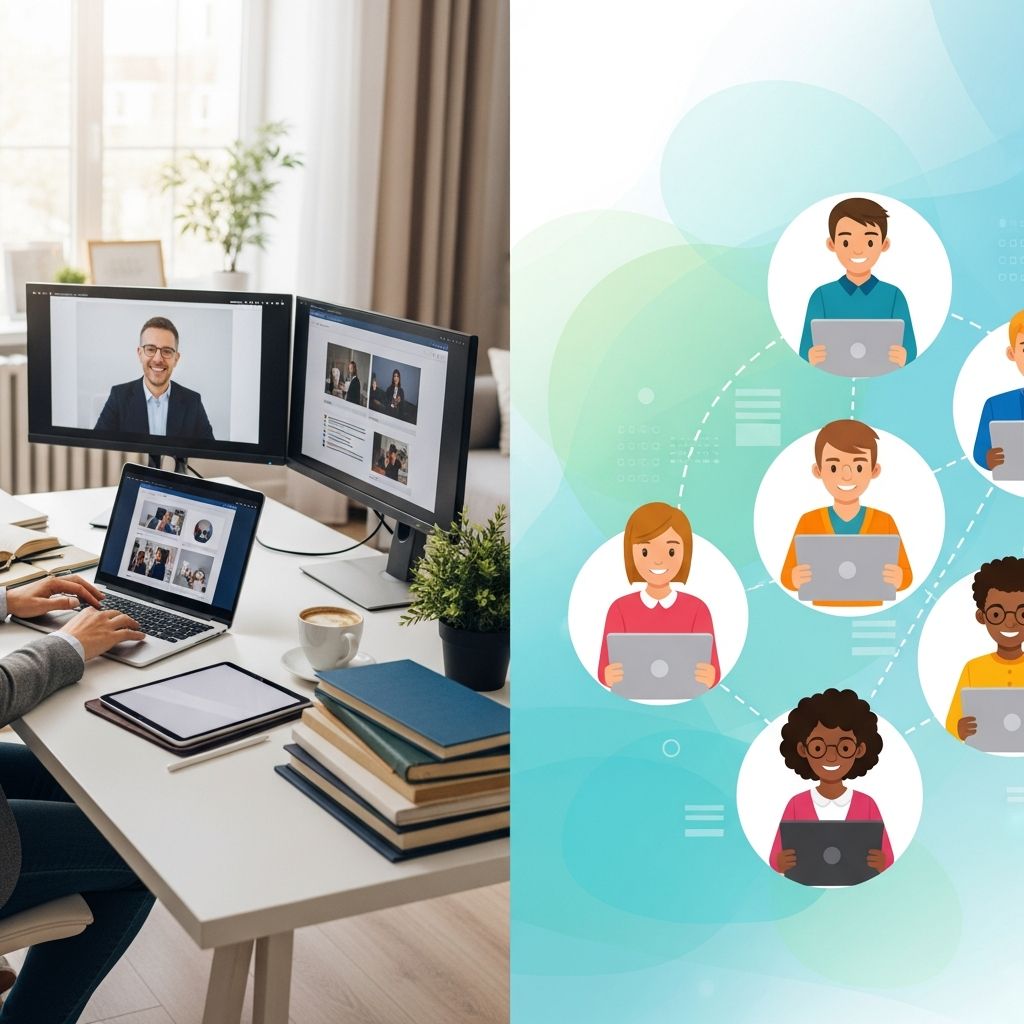
Remote education has transformed how knowledge is delivered and acquired, providing unprecedented access to learning opportunities regardless of geographical barriers. This guide explores the foundations, practical implementation, and advanced strategies for thriving in virtual academic settings.
Understanding the Foundations of Remote Education
Remote education, often interchangeable with terms like distance or online learning, refers to instructional methods where teachers and students are separated by time and space, relying on digital platforms for interaction. According to the National Center for Education Statistics, approximately 7.5 million U.S. students engage in online higher education courses, a trend accelerated by global events like the COVID-19 pandemic.
This model encompasses various formats, from fully asynchronous self-paced modules to synchronous live sessions via video conferencing. Institutions now integrate proprietary platforms where learners access materials, submit assignments, and track progress seamlessly.
Core Models and Formats in Remote Learning
Remote education operates through distinct models tailored to different needs:
- Synchronous Learning: Real-time interactions using tools like video calls, mimicking traditional classrooms with immediate feedback.
- Asynchronous Learning: Flexible access to pre-recorded lectures, readings, and quizzes, ideal for working professionals.
- Hybrid Approaches: Combining online and in-person elements for balanced engagement.
- Postal-Based Systems: Traditional mail delivery of materials, though less common in digital eras.
Additionally, Massive Open Online Courses (MOOCs) democratize education by offering free or low-cost access to university-level content globally.
Key Advantages Driving Remote Education Adoption
Remote learning excels in flexibility, allowing students to study at their own pace and location. It reduces costs associated with commuting and physical infrastructure while accommodating diverse schedules. Research highlights improved access for underserved populations, including those in rural areas or with disabilities, through inclusive digital tools.
| Aspect | Remote Education | Traditional Classroom |
|---|---|---|
| Flexibility | High – Self-paced | Fixed schedules |
| Accessibility | Global reach | Location-bound |
| Cost | Lower overhead | Higher facilities costs |
| Personalization | Adaptive tech | One-size-fits-all |
This comparison underscores why remote formats are increasingly preferred for lifelong learning.
Essential Technological Infrastructure
Success hinges on robust tech setups. Core components include:
- Learning Management Systems (LMS): Platforms like Moodle or Blackboard for course organization, assignments, and grading.
- Video Conferencing: Tools for live sessions, ensuring interactive discussions.
- Collaboration Software: Shared documents and forums for group work.
- Multimedia Resources: Interactive videos, quizzes, and embeds enhancing engagement.
Institutions must prioritize user-friendly interfaces to minimize frustration, with 88.9% of instructors emphasizing navigable setups for retention.
Overcoming Common Challenges in Virtual Classrooms
Despite benefits, hurdles like digital divides, isolation, and motivation dips persist. Learners in remote settings often lack peer accountability, making self-discipline paramount. Technical glitches and poor internet exacerbate inequities.
To mitigate:
- Implement accessibility standards for diverse needs.
- Use gamification and peer activities to boost motivation.
- Provide ongoing tech support and training.
Proven Strategies for Student Success
Thriving in remote education demands proactive habits. Top tips include:
- Establish Routines: Dedicate fixed times for coursework to combat procrastination.
- Organize Workspaces: Create distraction-free zones with reliable internet.
- Master Time Management: Use planners or apps for deadlines and blocks.
- Engage Actively: Participate in forums, collaborate on projects.
- Seek Support: Utilize tutoring, libraries, and advisor communications.
- Verify Accreditation: Ensure program legitimacy before enrolling.
- Balance Pace: Avoid burnout by pacing asynchronous content.
These practices foster discipline, turning potential pitfalls into strengths.
Instructor Best Practices for Effective Delivery
Educators play a pivotal role. Key approaches:
- Design Intuitive Courses: Clear navigation and multimedia for sticky experiences.
- Foster Communities: Build safe online spaces for collaboration.
- Blend Modalities: Mix synchronous discussions with asynchronous resources.
- Assess Dynamically: Use quizzes, projects, and analytics for feedback.
- Promote Inclusivity: Accommodate varied learning styles and abilities.
AACSB’s top practices emphasize organization and engagement, with data-driven tweaks ensuring quality.
Support Systems Enhancing Remote Learning Outcomes
Comprehensive support is vital: digital libraries for research, mental health resources, career advising, and tech helpdesks. Feedback loops via surveys and analytics drive continuous improvement.
Future Directions and Innovations in Remote Education
Emerging tech like AI personalization, VR simulations, and blockchain credentials promise deeper immersion. Macro research on MOOCs informs global standards, while K-12 adoption grows. Post-pandemic, hybrid models dominate, blending best of both worlds.
Frequently Asked Questions
What distinguishes remote education from traditional schooling?
Remote education separates teachers and students by distance, using digital tools, unlike in-person classrooms with fixed locations.
Is remote learning suitable for all learners?
Yes, with proper support, though it requires strong self-motivation; hybrid options suit varied preferences.
What are must-have tools for remote students?
LMS platforms, video tools, and productivity apps like calendars are essential for organization and interaction.
How can instructors keep students engaged online?
Through interactive content, clear structures, and community-building activities.
Does remote education offer recognized credentials?
Accredited programs provide valid degrees; always verify institutional status.
What role did the pandemic play in remote learning?
It accelerated adoption, shifting millions to online formats worldwide.
References
- The Complete Guide To Distance Learning Program — AIU.edu. 2024-05-13. https://www.aiu.edu/blog/guide-to-successful-distance-learning-program/
- Distance Learning – A Comprehensive Guide — WeVideo. N/A. https://www.wevideo.com/blog/distance-learning
- 7 Tips For Being A Successful Distance Learning Student — IACET. N/A. https://www.iacet.org/events/iacet-blog/blog-articles/7-tips-for-being-a-successful-distance-learning-student/
- The Ultimate Guide to Distance Learning — International Schooling. N/A. https://internationalschooling.org/blog/ultimate-guide-to-distance-learning
- Distance Learning: The Top 10 Practices — AACSB. 2020-10. https://www.aacsb.edu/insights/articles/2020/10/distance-learning-top-ten-thumbnail
- Distance Learning – Standards, Perspectives, and Best Practices — EdTech Books. 2021. https://edtechbooks.org/foundations_of_learn/dl

- Integrated M.A. in Applied Linguistics, University of Hyderabad
- 5+ years in editorial, instructional, SEO, and research-based writing
Sneha is a relationships and lifestyle writer with a strong foundation in applied linguistics and certified training in relationship coaching. She brings over five years of writing experience to theskillvault, crafting thoughtful, research-driven content that empowers readers to build healthier relationships, boost emotional well-being, and embrace holistic living. Her writing and insights reflect the belief that beauty, happiness, and wellness…