
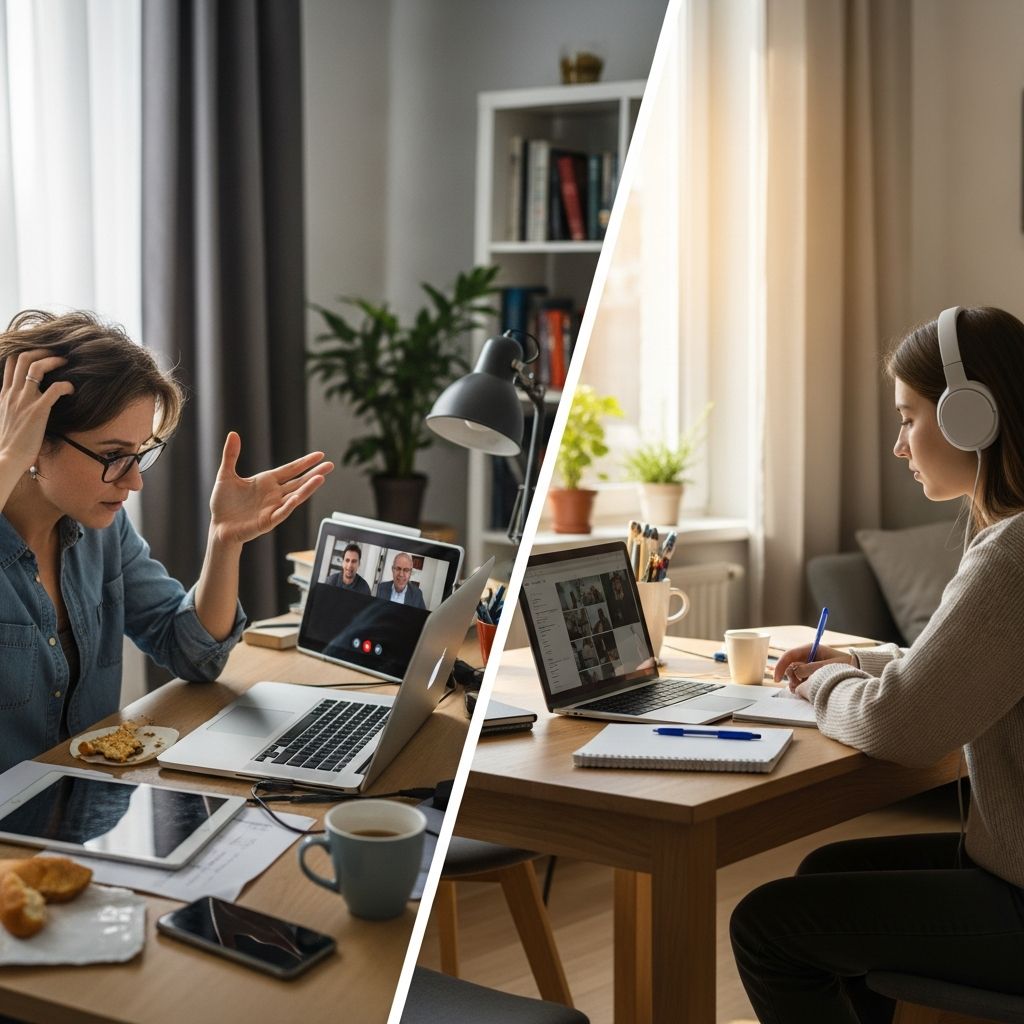
The COVID-19 pandemic forced an unprecedented pivot to remote learning worldwide, transforming classrooms into virtual spaces overnight. Teachers faced immense pressures to adapt, balancing pedagogy, technology, and personal lives while ensuring student continuity. This article examines these realities through credible research, revealing both hurdles and insights gained.
The Sudden Shift to Virtual Classrooms
In spring 2020, schools shuttered globally, compelling educators to deliver instruction remotely with minimal preparation. This abrupt change introduced pedagogical, technological, and psychological strains, as teachers navigated uncharted territory.
Studies indicate that only about 60% of students engaged regularly in remote activities, with significant variations by demographics. High-poverty and majority-Black schools reported even lower participation due to access issues.
Technological Barriers and the Digital Divide
Access to reliable devices and internet was a primary obstacle, exacerbating existing inequalities. In lower-income districts, students often shared family laptops or lacked connectivity, leading to attendance drops of 30-50%.
- Households earning under $20,000 had nearly 50% without internet in 2017, compared to 6% for those over $75,000.
- Teachers in under-resourced areas reported frequent issues with bandwidth and digital literacy among families.
- Elementary students required heavy parental support for platforms like Google Classroom, which weren’t optimized for young learners.
These gaps widened disparities, as wealthier districts accessed better tools and guidance.
Teachers’ Emotional and Cognitive Struggles
Remote teaching imposed heavy emotional burdens. Teachers missed non-verbal cues, feeling isolated without student feedback—31% reported emotional deprivation.
Cognitive overload was rampant, with 46% citing distractions from home environments for both themselves and students. Yet, 47% felt self-efficacious, adapting through resilience.
| Challenge Category | Prevalence | Example Impact |
|---|---|---|
| Emotional | 31% | Lack of student eye contact and feedback |
| Cognitive Load | 46% | Home distractions and overload |
| Self-Efficacy | 47% | Ability to adapt despite challenges |
Mid-career teachers with children at home struggled most to juggle roles, while veterans were less comfortable with tech tools.
Student Engagement and Well-Being Impacts
Engagement plummeted, particularly among vulnerable groups. Teachers estimated 60% average participation, with gaps along racial and socioeconomic lines.
Younger children faced heightened anxiety, tantrums, and emotion regulation issues during remote periods. Families noted poorer social-emotional development without peer interactions.
Discipline and assessment proved difficult; 13% of teachers struggled with classroom control online, and 10% found evaluations unreliable.
Pedagogical Adaptations and Shortcomings
Teachers innovated with synchronous tools like Zoom and asynchronous resources, but many platforms lacked evidence-based design for K-12 novices.
Negative experiences included 19% viewing online learning as ineffective overall, with 8% citing techno-pedagogical hurdles. Supportive school conditions boosted teacher success rates.
- Synchronous sessions via video calls for real-time interaction.
- Asynchronous assignments to accommodate schedules.
- Hybrid models emerged as ‘new normal’ post-2020.
Inequities Across Districts and Demographics
Pandemic response was uneven; New Jersey’s 584 districts received scant state guidance beyond platform suggestions, leaving teachers to improvise—sometimes buying resources out-of-pocket.
Lower-income areas faced device shortages and higher stress, potentially deepening digital divides.
Schools serving marginalized students reported dramatic engagement challenges, lacking tech access.
Support Systems and Professional Growth
Strong administrative support correlated with better outcomes. Districts offering training and resources helped teachers maintain efficacy.
Communities shared ideas rapidly, with educators collaborating across networks to build virtual classrooms. Post-pandemic, focus sharpened on sustainable online strategies.
Lessons for Future Preparedness
Retrospectives urge audits: enhance digital infrastructure, train on evidence-based tools, and address equity proactively.
Hybrid models blending in-person and online persist, demanding refined skills in both modalities.
Investing in teacher well-being and student mental health remains critical to mitigate long-term effects.
Frequently Asked Questions (FAQs)
What was the average student engagement in remote learning?
Teachers reported about 60% regular engagement, lower in high-poverty schools.
How did the digital divide affect remote education?
Lower-income students faced device shortages, poor connectivity, and literacy gaps, leading to 30-50% attendance drops.
Did teachers feel emotionally impacted by online teaching?
Yes, 31% experienced emotional deprivation from lack of feedback; 42% noted interpersonal strains.
What tools were commonly used in distance learning?
Platforms like Zoom, Google Classroom, and Microsoft Teams for synchronous and asynchronous delivery.
How can schools prepare for future disruptions?
Conduct audits, provide training, ensure equitable tech access, and integrate hybrid models.
References
- From face-to-face to online: Teachers’ perceived experiences… — PMC/NCBI. 2023. https://pmc.ncbi.nlm.nih.gov/articles/PMC10168189/
- Teachers’ Experiences Working from Home During the COVID-19… — Brown University. 2020-06-25. https://education.brown.edu/news/2020-06-25/teachers-experiences-working-home-during-covid-19-pandemic
- Remote Teaching During the Pandemic Disadvantages Students… — Rutgers University. 2023. https://www.rutgers.edu/news/remote-teaching-during-pandemic-disadvantages-students-new-jerseys-lower-income-school
- Distance Education and Covid-19 — Western Washington University. 2021. https://wce.wwu.edu/distance-education-and-covid-19

- Integrated M.A. in Applied Linguistics, University of Hyderabad
- 5+ years in editorial, instructional, SEO, and research-based writing
Sneha is a relationships and lifestyle writer with a strong foundation in applied linguistics and certified training in relationship coaching. She brings over five years of writing experience to theskillvault, crafting thoughtful, research-driven content that empowers readers to build healthier relationships, boost emotional well-being, and embrace holistic living. Her writing and insights reflect the belief that beauty, happiness, and wellness…