
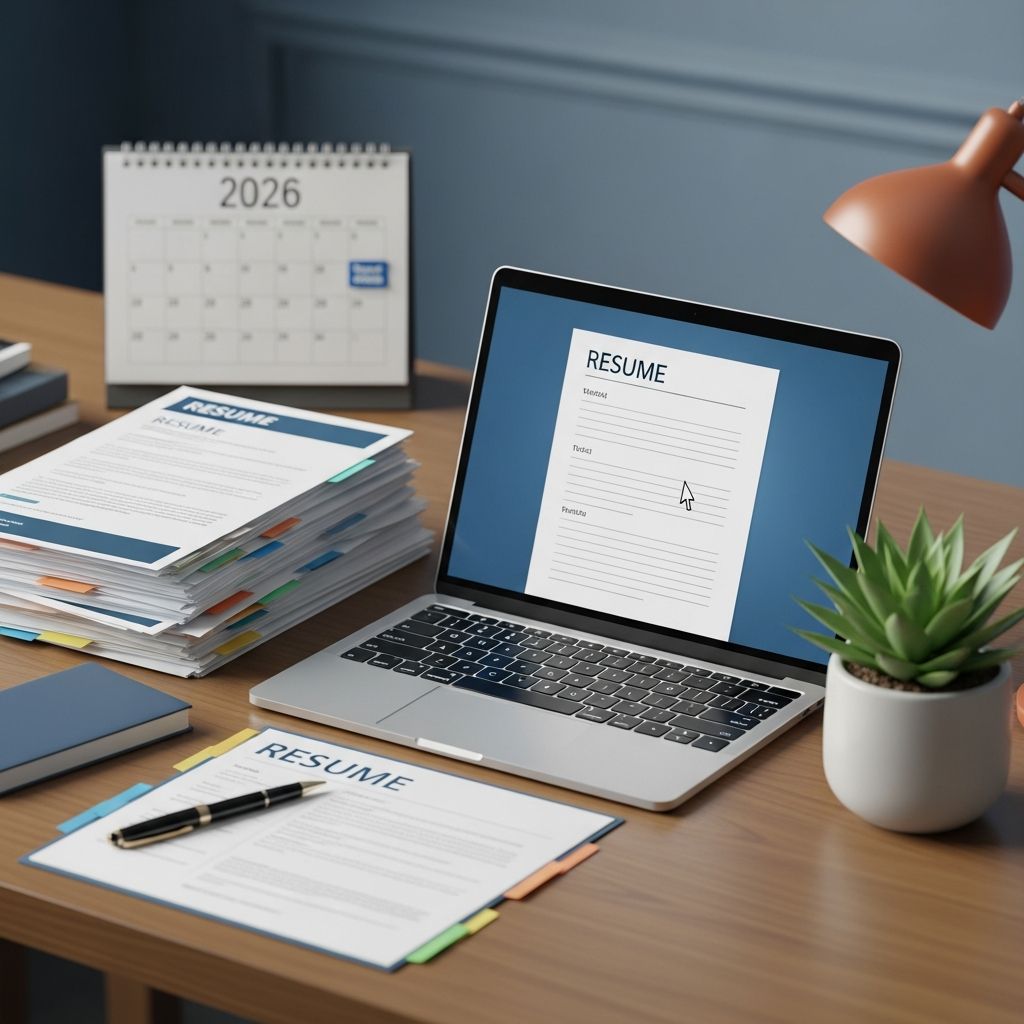
In the fast-evolving job market of 2026, your resume is your first impression—and often your only shot at an interview. With applicant tracking systems (ATS) filtering up to 75% of applications and recruiters spending mere seconds scanning profiles, adhering to modern resume etiquette is non-negotiable. This guide draws from expert recommendations to equip you with actionable strategies that balance machine readability and human appeal.
Choosing the Optimal Resume Structure
The foundation of an effective resume lies in its structure. For most professionals, a reverse-chronological format reigns supreme, listing experience from most recent to oldest. This approach showcases career progression clearly, making it ideal for ATS parsing and recruiter scans.
Alternative formats include:
- Functional resumes: Prioritize skills over timeline, best for career changers or those with employment gaps. However, they risk ATS rejection due to non-standard layouts.
- Combination (hybrid) resumes: Blend skills upfront with chronological history, suiting experienced candidates highlighting transferable expertise.
Stick to one page for early-career applicants or two pages maximum for seniors with 10+ years of experience. Brevity forces focus on high-impact details.
ATS-Friendly Formatting Essentials
ATS software scans for keywords and structure before human eyes ever see your resume. Prioritize simplicity to ensure seamless parsing.
| Do | Don’t |
|---|---|
| Use standard fonts like Arial, Calibri, or Times New Roman (10-12 pt) | Employ fancy scripts, cursive, or fonts under 10 pt |
| Set margins at 0.5-1 inch; left-align text | Justify text, use columns, tables, or graphics |
| Include clear section headers: ‘Professional Experience,’ ‘Skills,’ ‘Education’ | Creative headers like ‘My Career Adventure’ |
| Save as PDF to preserve layout | Use Word docs or images that ATS can’t read |
These practices prevent common pitfalls like data scrambling in systems from Workday or Taleo. One study notes ATS-compatible resumes receive 2.3 times more interviews.
Crafting a Compelling Header and Professional Summary
Your header should boldly feature your full name (largest font, 18-24 pt), phone, professional email, LinkedIn URL, and location (city/state). Mirror the target job title exactly—e.g., ‘Senior Data Analyst’—to trigger ATS matches.
Follow with a resume headline: A one-line pitch like “Results-Driven Marketing Manager with 8+ Years in Digital Strategy.” Then, a 3-5 sentence summary (or 4-6 bullets) spotlighting quantifiable wins, core skills, and unique value. Formula: [Title] with [X] years excelling in [Achievement]. Expert in [Skills]. Delivered [Impact].
Example:
- Dynamic Project Manager with 10+ years directing cross-functional teams.
- Boosted efficiency 30% via Agile implementations at Fortune 500 firms.
- Proficient in Jira, PMP-certified, adept at stakeholder alignment.
Avoid pronouns (‘I’ or ‘my’)—keep it declarative and punchy.
Quantifying Achievements in Work History
The experience section is your spotlight. List roles in reverse-chronological order, limiting to 10-15 recent years. For each: Job Title | Company | Dates | Location.
Use 3-5 bullets per role, starting with powerful action verbs (e.g., spearheaded, optimized, engineered) and hard metrics (percentages, dollars, timelines). Ditch duties for results.
Poor: “Responsible for team management.”
Better: “Led 12-person team to cut project timelines by 25%, saving $150K annually.”
Action verb categories:
- Leadership: Orchestrated, mentored, spearheaded.
- Analytics: Analyzed, forecasted, quantified.
- Technical: Developed, automated, deployed.
Recruiters favor resumes with numbers; they boost callback rates by up to 140%. Tailor bullets to echo job description keywords naturally.
Building a Strategic Skills Inventory
Dedicate a section to 10-20 hard (e.g., Python, Salesforce) and soft skills (e.g., collaboration, adaptability), pulled verbatim from the posting. Group them: Technical | Soft | Certifications.
Include languages, tools, and creds like AWS or Google Analytics. This section often ranks high in ATS scoring.
Sample:
- Technical: SQL, Tableau, AWS Cloud Practitioner
- Soft: Cross-functional collaboration, problem-solving
- Languages: Spanish (fluent), Mandarin (conversational)
Streamlining Education and Extras
Place education after experience unless you’re a recent grad. List: Degree | Major | Institution | Graduation Year (omit if 10+ years post-grad). Add GPA (3.5+), relevant coursework, or honors if entry-level.
Enhance with optional sections:
- Certifications: List with issuing body and date.
- Projects/Volunteer: Quantify impact if job-related.
- Interests: Brief, relevant only (e.g., ‘Marathon runner—endurance in high-pressure environments’).
Skip references—’Available upon request’ is outdated.
Proofreading and Final Polish
Errors torpedo credibility. Triple-check spelling, consistency (dates, formatting), and ATS readiness via free scanners like Jobscan. Use tools like Grammarly, then get a peer review. Tailor per application: Swap keywords, reorder for relevance.
File naming: Firstname_Lastname_Position_Company.pdf (e.g., Jane_Doe_SoftwareEngineer_Google.pdf). Pair with a customized cover letter emphasizing fit.
Common Resume Pitfalls to Avoid in 2026
Steer clear of:
- Overly long profiles exceeding two pages.
- Generic templates without customization.
- Vague language lacking metrics.
- Photos, personal details (age, marital status)—bias risks and ATS issues.
- Inconsistent tense: Present for current role, past for others.
Embrace trends: Subtle color accents (navy/blue), white space for scannability, mobile optimization.
Emerging Resume Trends for 2026
AI integration demands hyper-personalization; tools like ChatGPT aid drafting, but human oversight ensures authenticity. Emphasize AI skills, remote leadership, and sustainability impacts. Video resumes gain traction for creative fields, but text-first rules.
Quantify soft skills: ‘Facilitated 50+ virtual collaborations across time zones.’ Focus on outcomes amid hybrid work.
Frequently Asked Questions (FAQs)
What is the ideal resume length for 2026?
One page for <10 years experience; two pages max for seniors. Conciseness wins.
How do I beat ATS filters?
Mirror job keywords, use standard formatting, avoid visuals.
Should I include a photo on my resume?
No—risks bias; illegal in many regions for screening.
Can I use colors in my resume?
Subtle accents yes; ensure grayscale readability for ATS/print.
How often should I update my resume?
Quarterly or per application; refresh achievements immediately.
Mastering these etiquette rules positions your 2026 resume as a standout tool for career advancement. Implement iteratively, test with mock scans, and watch opportunities surge.
References
- How to Write a Resume for 2026 — Jobscan. 2026. https://www.jobscan.co/blog/how-to-write-a-resume/
- Resume Guidelines: 22 Formatting & Writing Rules for 2026 — ResumeGenius. 2026. https://resumegenius.com/blog/resume-help/resume-guidelines
- How to Refresh Your Resume for 2026: An ATS-Friendly Guide — Sedona Staffing. 2026. https://www.sedonastaffing.com/how-to-refresh-your-resume-for-2026-an-ats-friendly-guide-that-actually-works
- Create a Strong Resume — Harvard Mignone Center for Career Success (.edu). 2026. https://careerservices.fas.harvard.edu/resources/create-a-strong-resume/
- What’s the Best Resume Format in 2026? — Johnson & Johnson Careers (.jnj.com). 2026. https://www.careers.jnj.com/en/employee-stories/career-tips/what-s-the-best-resume-format-in-2026/

- Integrated M.A. in Applied Linguistics, University of Hyderabad
- 5+ years in editorial, instructional, SEO, and research-based writing
Sneha is a relationships and lifestyle writer with a strong foundation in applied linguistics and certified training in relationship coaching. She brings over five years of writing experience to theskillvault, crafting thoughtful, research-driven content that empowers readers to build healthier relationships, boost emotional well-being, and embrace holistic living. Her writing and insights reflect the belief that beauty, happiness, and wellness…