
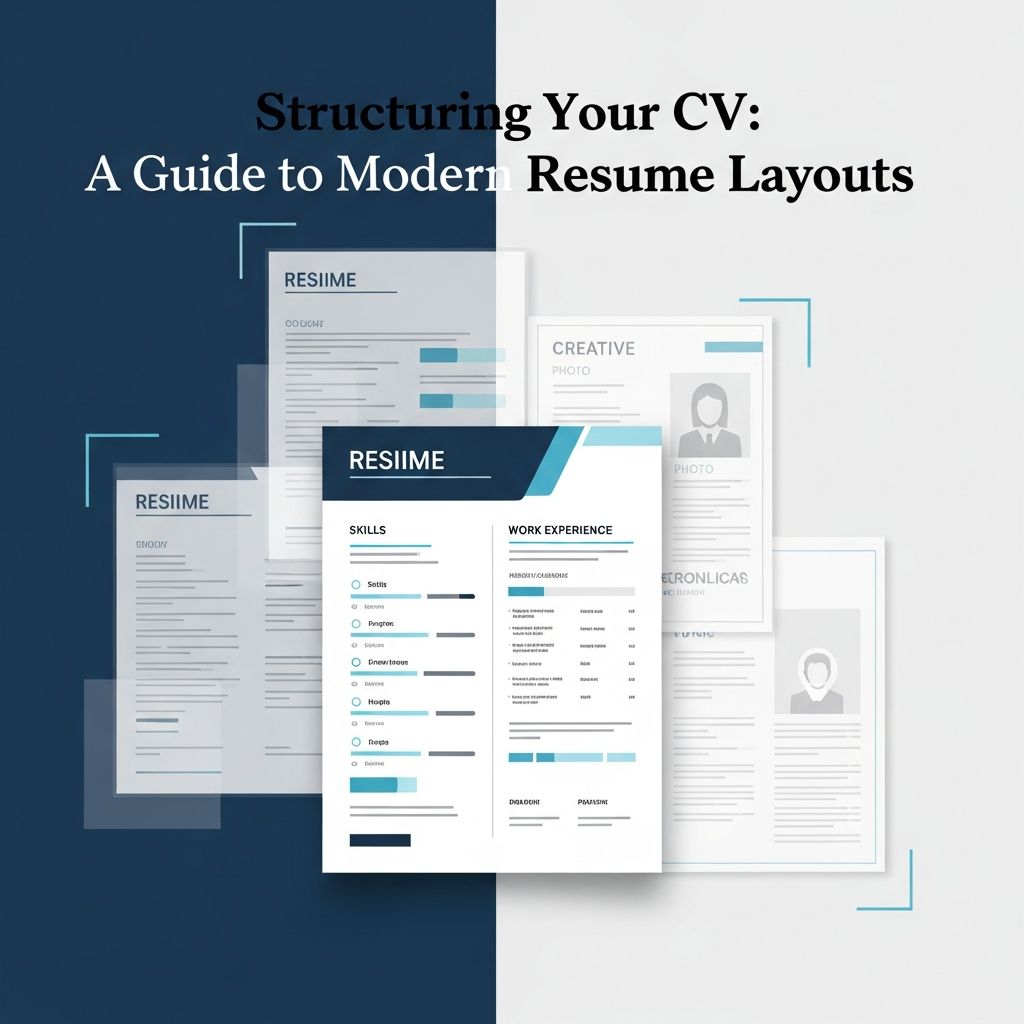
Understanding Modern Resume Architecture
Your resume serves as a professional document that communicates your qualifications, experience, and capabilities to potential employers. The way you organize and present this information—what we call your resume’s architecture or structure—significantly influences how hiring managers and applicant tracking systems perceive your candidacy. In today’s competitive employment landscape, choosing the right structural approach can be the difference between securing an interview and being overlooked entirely.
The structure you select should reflect your unique career narrative while aligning with industry norms and expectations. Rather than a one-size-fits-all approach, modern resume architecture offers flexibility to highlight your strongest attributes and present your professional story in the most compelling way possible.
The Chronological Architecture Approach
The chronological structure remains the most widely recognized and utilized format in professional hiring environments. This approach organizes your career history in reverse order, beginning with your most recent position and working backward through your employment timeline. This structure creates a clear, linear narrative of your professional progression that hiring managers can quickly comprehend.
The strength of this organizational method lies in its transparency and straightforwardness. When recruiters review your resume using this structure, they immediately understand your career trajectory, growth opportunities you’ve pursued, and the logical progression of your roles. This format proves particularly effective for professionals who have consistently advanced within their field or who demonstrate steady career growth.
The chronological structure typically emphasizes work experience as the primary section, with other components such as skills, education, and certifications playing supporting roles. Within each position, you would describe your responsibilities and achievements using metrics and quantifiable results to demonstrate your impact.
Optimal use cases for chronological architecture:
– Professionals with consistent employment history and minimal career gaps- Those seeking positions within the same industry or field- Candidates whose job titles demonstrate clear advancement and progression- Industries that prioritize traditional hiring practices such as finance, law, or healthcare
The Skills-Centered Structural Framework
The skills-focused structure inverts the traditional emphasis by placing your capabilities and competencies at the forefront of your document. Rather than organizing your professional narrative around employment history, this architectural approach groups your abilities into thematic categories, with your work experience serving as supporting evidence that validates these claimed skills.
This structural format proves particularly valuable for professionals navigating significant career transitions, managing employment gaps, or possessing extensive expertise in specialized technical domains. By leading with your capabilities rather than your chronological history, you direct the reader’s attention toward what makes you valuable to a prospective employer.
Within this structure, you would organize your skills into meaningful categories—perhaps technical proficiencies, leadership capabilities, project management expertise, and interpersonal strengths. Under each category, you might indicate your proficiency level and provide brief examples of how you’ve applied these abilities in professional settings.
Scenarios where skills-centered architecture excels:
– Career changers seeking to emphasize transferable capabilities- Freelancers, consultants, and project-based professionals- Those with notable employment gaps they wish to de-emphasize- Technical specialists and professionals in rapidly evolving fields
The Hybrid Structural Model
The hybrid structure represents a synthesis of the chronological and skills-focused approaches, combining the strengths of both architectural philosophies. This balanced format typically presents a robust skills section near the beginning, followed by a chronological work history that demonstrates how you’ve applied these competencies in real-world professional contexts.
This structural approach has gained considerable traction among mid-career professionals because it addresses a fundamental challenge: showcasing both valuable capabilities and relevant professional experience without compromising either narrative. The hybrid model provides flexibility to emphasize different elements depending on your specific career situation and the requirements of the position you’re pursuing.
Within a hybrid structure, your skills section becomes more prominent than in a traditional chronological resume, but your employment history maintains enough detail and organization to provide clear context for your professional development. This allows employers to understand both what you can do and where you’ve done it.
Professional scenarios suited to hybrid architecture:
– Mid-career professionals balancing skill demonstration with experience- Those transitioning into related positions within their field- Candidates in competitive industries where differentiation matters- Professionals seeking to highlight both technical and soft skills equally
Emerging Specialized Structures for 2025
The ATS-Optimized Configuration
As applicant tracking systems become increasingly sophisticated, resume architecture must account for how digital systems parse and evaluate documents. An ATS-optimized structure incorporates specific formatting choices, keyword placement, and organizational patterns that help these systems accurately interpret your qualifications.
This structural approach maintains a clear, logical flow while strategically positioning relevant keywords and industry-specific terminology throughout your document. Rather than using complex formatting elements that digital systems might misinterpret, ATS-optimized architecture prioritizes clarity and straightforward organization that both human readers and automated systems can easily process.
The Visual-Strategic Layout
For professionals in creative, design-oriented, or innovation-focused fields, a visual-strategic structure incorporates thoughtful design elements alongside traditional resume content. This architectural approach maintains professional credibility while incorporating visual hierarchy, strategic whitespace, and carefully selected design elements that reflect your creative sensibilities.
Rather than replacing the fundamental resume content with visual flourishes, this structure uses design as a tool to enhance readability and create a distinctive professional presence. Color schemes, typography choices, and layout organization communicate your aesthetic judgment and design awareness.
The Enhanced Chronological Framework
Building upon the traditional chronological model, the enhanced version incorporates modern elements that optimize the structure for contemporary hiring practices. This approach maintains the familiar reverse-chronological timeline while integrating achievement-focused language, quantified results, and strategically selected keywords that align with target positions.
The enhancement lies not in reinventing the fundamental structure but in maximizing its effectiveness through strategic content selection and presentation. Each position includes specific metrics, outcomes, and accomplishments that demonstrate your impact in quantifiable terms.
Selecting Your Structural Approach
Career Stage Considerations
Your position within your career trajectory should significantly influence your structural choice. Early-career professionals typically benefit from structures that emphasize their educational foundation and emerging professional experiences, with chronological architecture providing the clarity they need to demonstrate their foundational competencies.
Mid-career professionals often find hybrid approaches most effective, as they need to balance the demonstration of accumulated skills with a solid track record of relevant experience. Senior executives might leverage enhanced chronological structures to showcase their progression to leadership roles, or visual-strategic approaches to establish distinctive executive presence.
Industry and Sector Expectations
Different professional sectors maintain varying expectations regarding resume structure. Technical fields including information technology, engineering, and data science often respond exceptionally well to skills-based architectures where specific technical competencies receive prominent positioning.
Creative industries—design, marketing, advertising, and the arts—frequently appreciate visual-strategic structures that demonstrate creative sensibility and design awareness. Traditional sectors including finance, law, healthcare, and accounting generally prefer enhanced chronological structures that maintain conventional professionalism while showcasing relevant experience.
Innovation-focused organizations and emerging startups often appreciate hybrid or enhanced chronological structures that balance skills demonstration with clear career progression.
Employment History Factors
The nature of your professional background should influence your structural decisions. Those with consistent, progressive employment history and minimal gaps often succeed with chronological architecture that emphasizes this strength. Professionals with notable employment gaps, multiple career transitions, or project-based work might benefit from skills-focused or hybrid approaches that de-emphasize chronological progression.
Essential Structural Components
Regardless of which structural framework you select, certain fundamental sections should appear in your resume. Your document should include clear contact information positioned prominently, followed by a professional summary or objective that frames your candidacy. Your experience section should receive substantial space and detail, supported by a skills section that highlights your relevant capabilities.
Educational credentials deserve appropriate emphasis based on your career stage and industry expectations. For recent graduates or those pursuing academic careers, education might appear higher in your structural hierarchy. For experienced professionals, education typically appears toward the end of your document.
Additional sections might include certifications, professional affiliations, published work, volunteer experience, or other relevant information that strengthens your candidacy for specific positions.
Structural Formatting Best Practices
Regardless of your chosen architecture, consistent formatting enhances readability and creates a professional appearance. Modern professional documents typically employ sans-serif typefaces such as Calibri or Arial, which display clearly both in digital and printed formats. Maintain consistent date formatting throughout your document, typically using month and year format for employment dates.
Strategic whitespace, clear heading hierarchy, and consistent bullet-point formatting improve scanability for both human readers and applicant tracking systems. Limit your document to one or two pages for most positions, ensuring that content remains focused and impactful.
Comparing Structural Approaches
| Structural Framework | Primary Emphasis | Best For | Key Consideration |
|---|---|---|---|
| Chronological | Employment history and progression | Consistent career advancement | Clear timeline may expose gaps |
| Skills-Focused | Competencies and capabilities | Career transitions and gaps | Requires strong achievement examples |
| Hybrid | Balanced skills and experience | Mid-career professionals | Requires careful prioritization |
| Enhanced Chronological | Progression with achievement focus | Traditional industries | Needs strong metric integration |
| Visual-Strategic | Creative capability demonstration | Design and creative roles | Must maintain professional credibility |
| ATS-Optimized | Digital system compatibility | Online applications | Requires keyword research |
Common Questions About Resume Structuring
Q: Which structure works best for entry-level positions?
A: Early-career professionals typically benefit most from chronological or enhanced chronological structures that clearly present their education, internships, and initial professional experiences. These formats help demonstrate your foundational knowledge and available skills even without extensive employment history.
Q: Can I use a visual structure if my industry is traditional?
A: While traditional industries generally prefer conventional structures, you can incorporate subtle visual elements—strategic use of whitespace, consistent typography, professional color choices—without compromising traditional credibility. Research your specific organization’s preferences before incorporating extensive visual elements.
Q: How should I structure a career change resume?
A: Career changers often succeed with hybrid or skills-focused structures that emphasize transferable capabilities relevant to your target position, while still demonstrating professional experience and credibility. Position your most relevant qualifications prominently regardless of when you acquired them.
Q: Does my structure need to account for applicant tracking systems?
A: Yes, your structure should support ATS compatibility by using standard formatting, clear headings, consistent organization, and strategic keyword placement. All resume structures can be optimized for ATS while maintaining their core architectural approach.
Q: Should different positions receive different structural approaches?
A: You might strategically adapt your structure for different roles while maintaining a consistent overall framework. For example, emphasize different skills sections or reorder components to highlight relevant experience first, but maintain recognizable structural integrity.
Finalizing Your Structural Choice
Your resume’s structural architecture represents a strategic decision that directly influences how employers perceive your candidacy and how automated systems process your information. Rather than viewing structure as merely a formatting preference, recognize it as a communication tool that shapes your professional narrative.
Evaluate your specific circumstances—your career stage, employment history, target industry, and the positions you’re pursuing—to select an architecture that authentically represents your strengths while aligning with professional expectations. The most effective resume structures balance clarity, professionalism, and strategic emphasis to present your qualifications in their most compelling form.
By thoughtfully selecting and executing your chosen structural approach, you create a document that serves as an effective introduction to your professional qualifications and increases your likelihood of securing meaningful career opportunities.
References
- 5 Resume Formats That Will Dominate 2025 — The Interview Guys. 2025. https://blog.theinterviewguys.com/5-resume-formats-that-will-dominate/
- The Best Resume Format for 2025 (Templates & Examples) — Resume Genius. 2025. https://resumegenius.com/blog/resume-help/resume-format
- What’s the best resume format in 2025? — Johnson & Johnson Careers. 2025. https://www.careers.jnj.com/en/employee-stories/career-tips/what-s-the-best-resume-format-in-2025/
- Best Resume Templates to Get Hired in 2025 — ResumeNerd. 2025. https://www.resumenerd.com/resume-templates
- Create a Strong Resume — Harvard University, Mignone Center for Career Success. https://careerservices.fas.harvard.edu/resources/create-a-strong-resume/
- Current Resume Trends for 2025 — ResumeBuilder.com. 2025. https://www.resumebuilder.com/career-center/resume-trends/
- Resume Format Guide (With Examples and Tips) — Indeed.com. https://www.indeed.com/career-advice/resumes-cover-letters/resume-format-guide-with-examples

- Integrated M.A. in Applied Linguistics, University of Hyderabad
- 5+ years in editorial, instructional, SEO, and research-based writing
Sneha is a relationships and lifestyle writer with a strong foundation in applied linguistics and certified training in relationship coaching. She brings over five years of writing experience to theskillvault, crafting thoughtful, research-driven content that empowers readers to build healthier relationships, boost emotional well-being, and embrace holistic living. Her writing and insights reflect the belief that beauty, happiness, and wellness…