
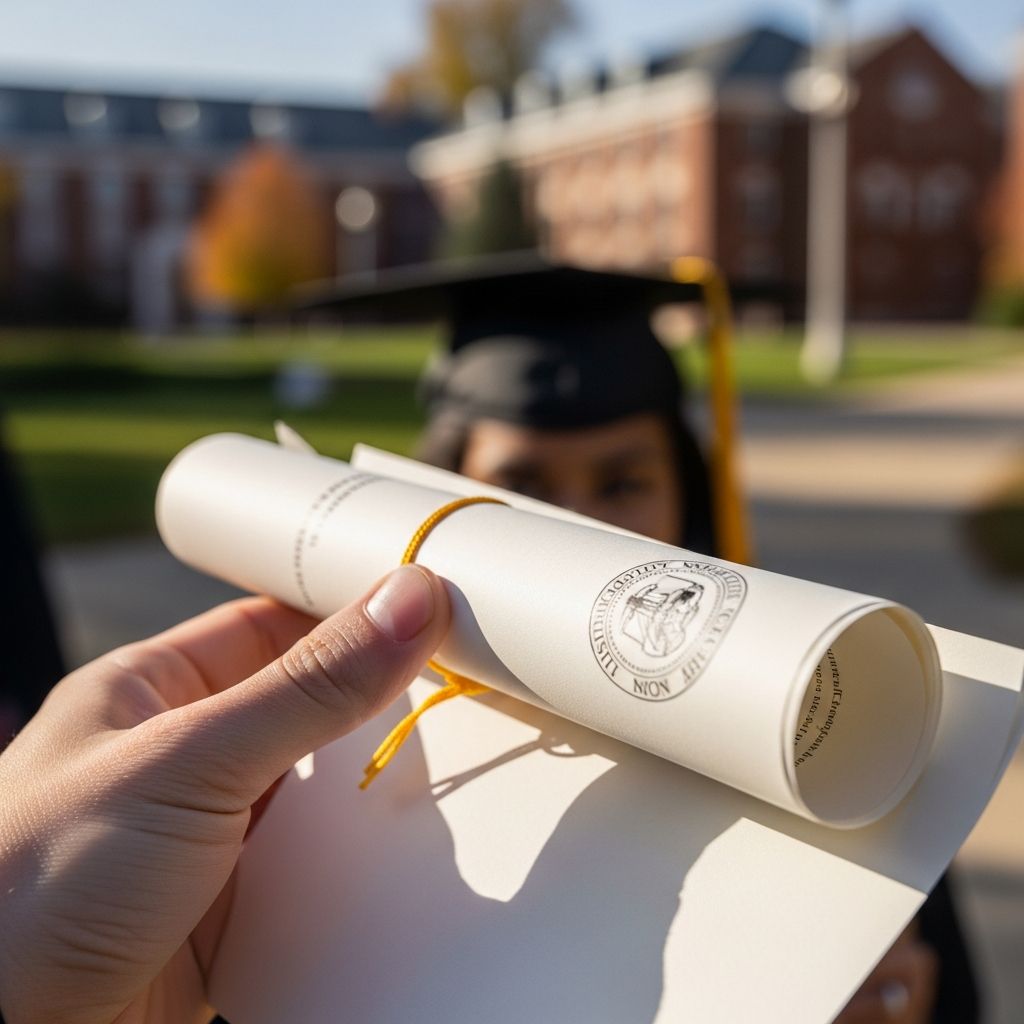
The college application landscape encompasses various pathways, and one increasingly popular option is the rolling admissions model. This system represents a fundamental shift from traditional admission processes, offering both opportunities and strategic considerations for prospective students. Understanding how this mechanism operates can significantly impact your college selection and application timeline.
The Fundamentals of Continuous Application Processing
Rolling admissions represent a distinctive approach to evaluating student applications where institutions process submissions in the order they arrive rather than establishing a fixed cutoff date. Unlike conventional admission cycles that collect all applications before beginning review, rolling institutions begin their evaluation process immediately when applications arrive. This continuous processing model means admission committees work throughout the academic year, making acceptance decisions as they complete each application review.
The distinction matters considerably for applicants. When a college operates on a rolling basis, your response timeline depends directly on when you submit materials. Students who complete and submit applications early in the cycle typically receive decisions within four to six weeks, while those applying later may face extended waiting periods or, in some cases, deferral to future terms. This real-time evaluation creates a fundamentally different dynamic than institutions where all applicants wait for a simultaneous decision release date.
How the Rolling Timeline Operates Throughout the Year
Rolling admission institutions typically open their application portals in late summer or early fall, though the exact timing varies by school. The application window remains active continuously, remaining open until the institution has accepted sufficient students to fill available spots in their incoming class. This creates what amounts to a first-come, first-served component within the admissions process, where earlier applicants enjoy certain advantages simply through timing.
Once you submit your application to a rolling admissions school, the evaluation process begins immediately. Admissions officers incorporate your materials into their review workflow without waiting for additional applicants to complete their submissions. When decisions are made, you receive notification relatively quickly compared to schools that batch their reviews. However, if you apply after a rolling admissions school has filled its class capacity for a particular semester, your application may be redirected for consideration in the next academic term rather than rejected outright.
Priority Deadlines and Financial Aid Considerations
While rolling admissions schools accept applications throughout the year, many still establish internal priority dates that differ from absolute application deadlines. These priority deadlines represent cutoff dates for consideration of additional benefits beyond basic admission, including financial aid packages, merit scholarships, honors program eligibility, and housing selection preferences. Understanding these nuanced deadlines is crucial because applying before the priority deadline can substantially affect your total cost of attendance and academic opportunities.
The relationship between application timing and financial aid is particularly significant. Institutions typically allocate their financial aid budgets sequentially as they admit students, meaning early applicants often receive more generous aid packages than similarly qualified students who apply later. This creates a financial incentive to apply early in the rolling cycle, beyond the psychological advantage of receiving an early acceptance decision.
Most rolling admissions institutions recommend submitting applications during the fall semester or early spring for the following academic year. While technically you could submit applications throughout the summer, doing so risks receiving either a denial letter or minimal financial aid allocation as institutional funds become depleted. This timing recommendation creates a practical window that, while longer than traditional deadlines, still involves meaningful strategic considerations.
Comparing Rolling Admissions Against Alternative Pathways
| Admission Type | Application Timeline | Decision Timing | Binding Status | Financial Aid Process |
|---|---|---|---|---|
| Rolling Admissions | Open from fall; continues until full | 4-6 weeks after submission | Non-binding | Earlier applicants receive more aid |
| Early Action | Typically November 1 deadline | December release | Non-binding | Limited availability |
| Early Decision | Typically November 1 deadline | December release | Binding commitment | Limited availability |
| Regular Decision | January 1 – February 1 typically | March – April release | Non-binding | Standardized evaluation |
The primary distinction separating rolling admissions from other pathways involves the continuous nature of evaluation. Early action and early decision programs operate within compressed timelines with specific deadlines and synchronized decision announcements. Regular decision processes maintain strict cutoff dates and batch evaluation procedures. Rolling admissions, conversely, eliminate the batch component entirely, creating an ongoing process that continues until institutional capacity is reached.
Another meaningful difference relates to flexibility and commitment. Early decision requires a binding commitment, meaning acceptance obligates enrollment. Rolling admissions decisions remain non-binding, allowing you to consider multiple acceptances before making a final commitment. This flexibility extends your decision window and permits strategic consideration of financial aid packages across multiple institutions.
Strategic Advantages of Submitting Applications Early
The mechanics of rolling admissions create inherent advantages for early applicants. When fewer applications have been processed, acceptance rates may appear higher simply due to the volume of available spots still remaining. Additionally, early applicants face less competition for specific program slots or honors designations that might fill up as the cycle progresses. Priority housing selection and course registration preferences often depend on admission timing as well, with earlier admits receiving superior options.
Beyond quantifiable advantages, applying early in the rolling cycle provides psychological benefits. Receiving an acceptance decision while still in your junior year or early senior year of high school allows you to approach the remainder of the application season from a position of confidence rather than uncertainty. This can reduce stress associated with the overall college selection process and provide concrete validation of your academic competitiveness.
Characteristics of Institutions Using Rolling Models
Rolling admissions prevail particularly among certain categories of institutions. Most community colleges operate on rolling admission schedules, reflecting their open-access mission and the need for continuous enrollment to maintain consistent student populations. Many mid-sized public universities have adopted rolling admission processes to streamline their operations and allow admissions offices to work throughout the year rather than managing intense review periods after fixed deadlines.
Selective four-year universities represent a more mixed category. Some elite institutions have experimented with rolling components, though most continue employing traditional regular decision processes. However, a substantial number of well-regarded public universities, including Penn State, Indiana University, and Arizona State University, operate on rolling bases. Prospective students should investigate individual institution policies rather than assuming school type determines admission approach.
Navigating the Application Process Under Rolling Conditions
Your application strategy should account for whether target schools operate on rolling or traditional bases. For rolling admissions institutions you’re genuinely interested in attending, submitting applications by October is advisable to secure priority consideration and optimal financial aid packages. This timing allows you to potentially receive acceptance decisions by November or December, giving you concrete information to inform your broader application strategy.
However, early submission should not compromise application quality. Rushing to meet early deadlines while submitting subpar essays or incomplete materials is counterproductive. Your priority should be submitting complete, thoughtful applications as early as feasible, not simply submitting applications early regardless of quality. Some rolling admissions institutions may reconsider applications if you resubmit improved materials, but relying on this possibility is unwise.
If you’re applying to rolling admissions schools alongside early decision, early action, or regular decision institutions, coordinate your timeline thoughtfully. You can simultaneously apply to rolling schools (which may give you decisions before other application deadlines) while pursuing applications to early decision and early action programs on their respective timelines. This parallel approach leverages rolling admissions’ flexibility while maintaining optionality across multiple admission pathways.
Potential Limitations and Considerations
While rolling admissions offer genuine advantages, students should recognize potential drawbacks. Schools using rolling processes don’t conduct comparative evaluation across an entire applicant pool simultaneously. This can occasionally mean that exceptional late applicants might receive denials despite possessing stronger profiles than some early acceptances, simply because available spots were filled before their applications were reviewed. Additionally, the pressure to apply early in rolling cycles may cause students to rush decisions about where to apply rather than thoughtfully curating their college lists.
The non-binding nature of rolling decisions also creates complexity. You might receive an acceptance in November from a rolling admissions school but be obligated to maintain interest while continuing the applications process for months. Some institutions track demonstrated interest through campus visits and communications, making rolling admissions acceptance alone insufficient to secure enrollment.
Key Takeaways for Strategic Application Planning
- Timing matters significantly: Earlier applications typically receive decisions faster and qualify for better financial aid packages
- Priority deadlines exist within rolling windows: Even rolling admissions schools often establish internal deadlines for aid and honors consideration
- Quality supersedes speed: Submitting excellent applications in October beats submitting rushed applications in August
- Rolling admissions are non-binding: You retain flexibility to consider multiple acceptances before committing
- Application strategy should diversify: Combining rolling admissions applications with early decision, early action, and regular decision options creates a comprehensive approach
- Research individual institutions: Rolling policies vary considerably, so verify specific deadlines and priority dates for each school
- Consider financial aid timing: Early applications can significantly impact your total cost of attendance through larger aid packages
Frequently Asked Questions About Rolling Admissions
When should I submit my application to a rolling admissions school?
Most institutions recommend applying by October or November to secure priority consideration. While applications remain technically open longer, submitting before or shortly after the start of the academic year maximizes your chances of favorable outcomes regarding acceptance, financial aid, and housing options.
Can I apply to rolling admissions schools and early decision schools simultaneously?
Yes. You can apply to rolling admissions schools immediately while simultaneously pursuing early decision applications at other institutions. However, remember that early decision commitments are binding, so you should only apply early decision to a school you’re genuinely prepared to attend.
What happens if a rolling admissions school fills its class before I apply?
If you apply after a rolling admissions school has admitted enough students to fill available spots, your application may be deferred to the next semester (spring or following fall) rather than rejected outright. Some institutions will review you for consideration in subsequent terms.
Do rolling admissions decisions count as binding acceptances?
No. Rolling admissions acceptances are non-binding, meaning you have until the institution’s deadline to decide whether to attend. This differs from early decision, where acceptance is binding.
How does financial aid differ for rolling admissions students?
Earlier applicants typically receive more substantial financial aid packages because institutions allocate financial aid budgets sequentially. As the cycle progresses and more students are admitted, remaining funds may be distributed less generously to subsequent applicants.
References
- Rolling Admission Meaning: What It Is & How It Works — College Ave. https://www.collegeave.com/articles/rolling-admission-meaning/
- What Does Rolling Admissions Mean? — C2 Education. https://www.c2educate.com/what-does-rolling-admissions-mean/
- College Decisions: What Is Rolling Admission? — Coursera. https://www.coursera.org/articles/what-is-rolling-admission
- What Does Rolling Admission Mean and How Does It Work? — College Raptor. https://www.collegeraptor.com/getting-in/articles/college-admissions/how-rolling-admissions-works/

- Integrated M.A. in Applied Linguistics, University of Hyderabad
- 5+ years in editorial, instructional, SEO, and research-based writing
Sneha is a relationships and lifestyle writer with a strong foundation in applied linguistics and certified training in relationship coaching. She brings over five years of writing experience to theskillvault, crafting thoughtful, research-driven content that empowers readers to build healthier relationships, boost emotional well-being, and embrace holistic living. Her writing and insights reflect the belief that beauty, happiness, and wellness…