
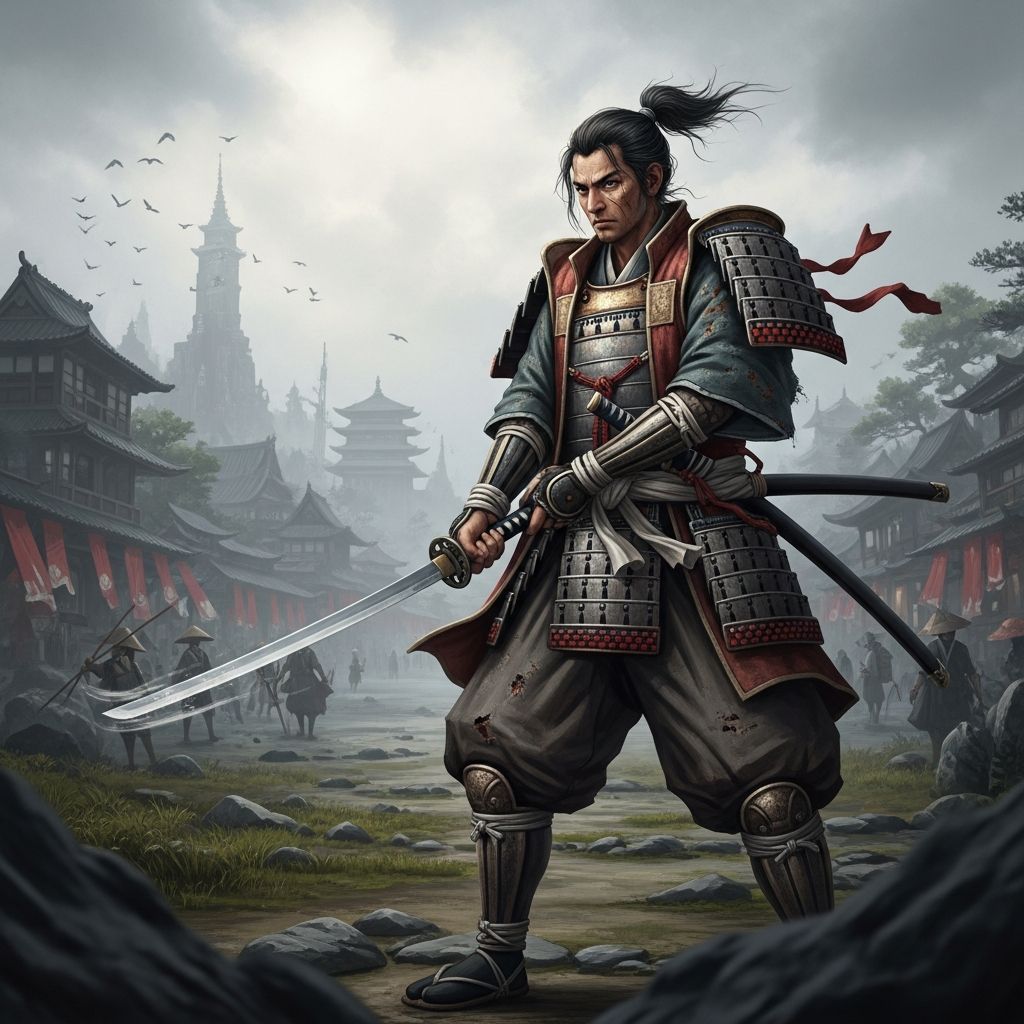
In the hierarchical world of feudal Japan, samurai embodied loyalty, honor, and martial prowess. But what happened when a warrior lost his lord? These individuals became known as ronin, masterless samurai who drifted through society, often facing hardship and stigma. This article examines their historical context, societal roles, notable exploits, and enduring legacy.
Origins and Etymology of the Ronin
The term “ronin” derives from Japanese characters meaning “wave person,” evoking images of a wanderer adrift like floating seaweed. Initially used in the Nara and Heian periods (710–1185), it described serfs who fled their lands, becoming vagrants outside the strict census system. By the 12th century, during the Kamakura period, the label shifted to samurai dispossessed of their lords due to battle losses, lordly deaths, or personal failings.
Feudal Japan’s samurai class emerged around 1185 with the rise of the shogunate, tying warriors’ status to service under a daimyo (feudal lord). Losing this patronage stripped them of income, privileges, and social standing, reducing them to near-commoner level despite retaining sword rights.
The Samurai Hierarchy and Ronin Status
Samurai society operated under bushido, the warrior code emphasizing loyalty above all. A samurai’s identity hinged on serving a lord; without one, they faced dishonor. Ideally, bushido dictated seppuku (ritual suicide) to preserve dignity, but many ronin chose survival over death.
- Causes of Ronin Status: Death of lord (e.g., in battle), dismissal for misconduct, or domain dissolution during unification wars.
- Social Fallout: Loss of stipends (koku rice payments), exclusion from elite circles, and suspicion as potential troublemakers.
- Daily Realities: Many turned to farming, merchant work, or banditry, clashing with samurai ideals.
During the late Muromachi (1336–1573) and Sengoku (1467–1603) periods, civil wars swelled ronin numbers, turning them into mercenaries or rebels disrupting order.
Ronin in the Edo Period: Peace and Precariousness
The Tokugawa shogunate (1603–1868) ushered in 250 years of peace, slashing samurai needs. Daimyo consolidated power, leaving thousands jobless. Policies like sankin-kotai (alternate attendance) strained domains, prompting layoffs.
Ronin proliferated, estimated at tens of thousands. The shogunate viewed them as threats, enacting restrictions like sword bans or forced commoner assimilation to curb unrest. Many eked out lives in poverty, tutoring, guarding, or joining rebellions like the Shimabara (1637–1638), where disgruntled ronin bolstered Christian rebels.
| Aspect | Employed Samurai | Ronin |
|---|---|---|
| Income | Stipends in rice | Unreliable odd jobs |
| Social Status | Elite warrior class | Marginalized wanderers |
| Loyalty | To daimyo | To self or ideals |
| Role in Society | Administrators, guards | Mercenaries, farmers |
Iconic Tale: The 47 Ronin Vendetta
The most famous ronin story is the 47 Ronin (Chushingura), from 1701–1703. Lord Asano Naganori attacked Kira Yoshinaka in Edo Castle over alleged insults. Asano committed seppuku, his domain confiscated, leaving 47 retainers as ronin.
Led by Oishi Kuranosuke, they feigned dissipation for two years to lull Kira. On a snowy night in 1702, they stormed his mansion, beheaded him, and presented the head at Asano’s grave. All were sentenced to seppuku, cementing their legend as ultimate loyalty exemplars.
This vendetta influenced kabuki, bunraku, and modern media, romanticizing ronin as noble outcasts despite shogunate condemnation.
Ronin in Late Feudal Upheaval and Meiji Transition
By the 19th century, Western pressures and economic woes radicalized ronin. Many joined Sonno joi (Revere Emperor, Expel Barbarians), assassinating pro-foreign officials and foreigners, fueling the Meiji Restoration (1868).
Post-restoration, the samurai class dissolved. Ronin-like figures adapted or perished; the term evolved to describe unemployed graduates or jobless salarymen.
Cultural Depictions and Modern Interpretations
Ronin feature prominently in literature like Tales of the Otori and films such as Yojimbo (Toshiro Mifune as a wandering swordsman). They symbolize freedom from feudal bonds but also isolation.
- Positive Views: Independent heroes upholding personal honor.
- Negative Views: Vagrants threatening stability, as in Edo policies.
Today, “ronin” idiomatically means exam-failing students “wandering” before university, echoing historical rootlessness.
Daily Life Challenges for Ronin
Without stipends, ronin bartered skills: fencing instruction, bodyguard duty, or ronin bands (kompeito). Women ronin managed households or became entertainers. Strict class laws barred marriage into samurai families, deepening alienation.
Psychologically, loss of purpose bred despair; some turned to ronin-zamurai (pseudo-samurai) games or crime. Yet, figures like Miyamoto Musashi thrived as ronin swordsmen and philosophers.
Legacy and Global Fascination
Ronin embody bushido’s tensions: loyalty vs. survival. Their stories inspire Western media like The Last Samurai. In Japan, they remind of rigidity’s costs, paralleling modern gig economy precarity.
Frequently Asked Questions (FAQs)
What defines a ronin?
A ronin is a samurai without a lord, often due to the lord’s death or dismissal, leading to a life of wandering and hardship.
Did all ronin become bandits?
No, while some did, many pursued legitimate work like teaching or farming, though poverty tempted crime.
Why is the 47 Ronin story famous?
It exemplifies extreme loyalty; the ronin avenged their lord after years of pretense, dying honorably.
Are there ronin today?
Metaphorically, yes—unemployed youth or job-seekers are called ronin in Japan.
How did the shogunate handle ronin?
They restricted arms and pushed assimilation to prevent rebellions.
References
- Rōnin – Wikipedia — Wikipedia contributors. 2023-10-15. https://en.wikipedia.org/wiki/R%C5%8Dnin
- Rōnin | Samurai, Bushido, Feudal Japan — Britannica. 2024-01-20. https://www.britannica.com/topic/ronin
- Ronin Explained: Japan’s Masterless Samurai and Their Struggles — Romance of Men. 2023-05-12. https://romanceofmen.com/blogs/samurai-culture/ronin-explained-japan-s-masterless-samurai-and-their-struggles
- What is a rōnin in Japan, and how is it different to a samurai? — History Extra. 2023-08-07. https://www.historyextra.com/period/medieval/what-is-a-ronin-difference-to-samurai-comparison-japan/
- What were Ronin? – YouTube — YouTube (Video transcript). 2022-11-03. https://www.youtube.com/watch?v=VBsikl5ddsc

- Integrated M.A. in Applied Linguistics, University of Hyderabad
- 5+ years in editorial, instructional, SEO, and research-based writing
Sneha is a relationships and lifestyle writer with a strong foundation in applied linguistics and certified training in relationship coaching. She brings over five years of writing experience to theskillvault, crafting thoughtful, research-driven content that empowers readers to build healthier relationships, boost emotional well-being, and embrace holistic living. Her writing and insights reflect the belief that beauty, happiness, and wellness…