
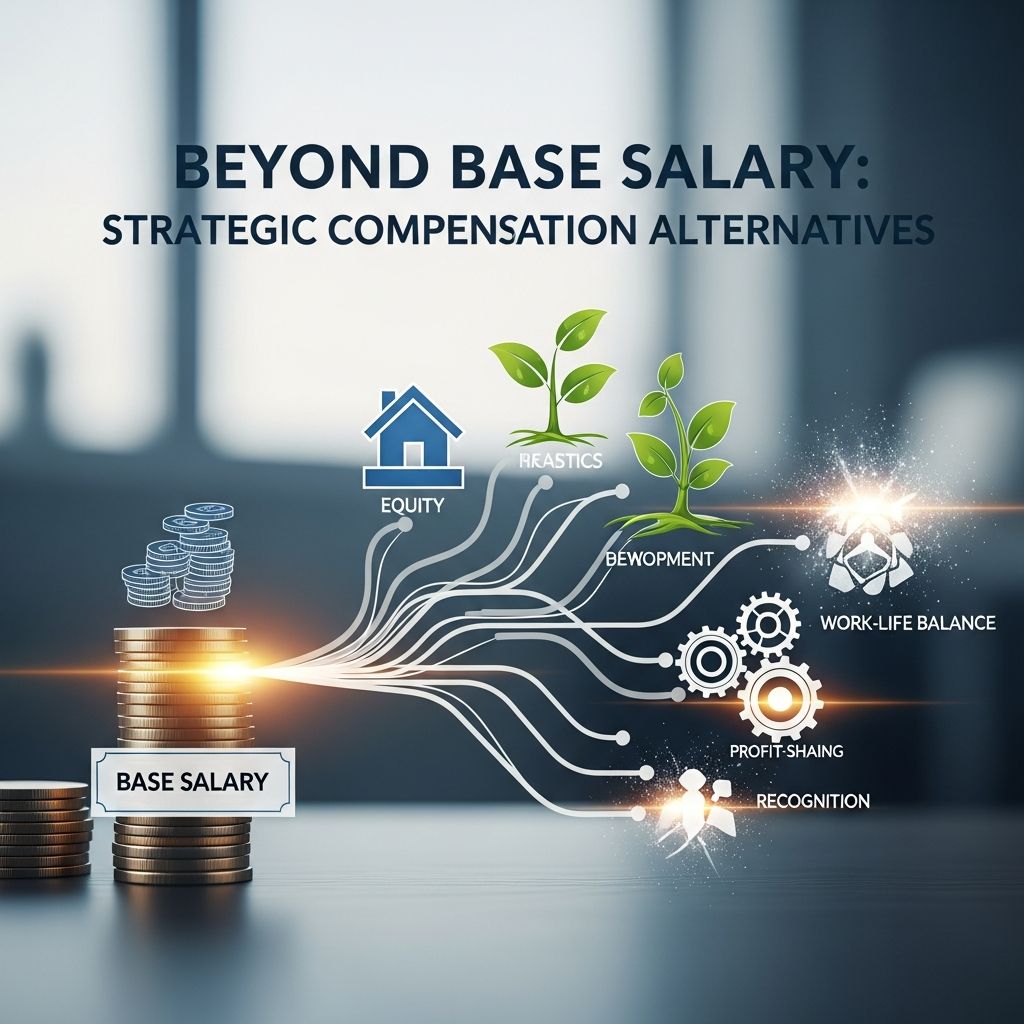
When Salary Growth Isn’t an Option: Exploring Valuable Alternatives
In today’s economic landscape, many employers face constraints that limit their ability to offer traditional salary increases. Whether due to budget limitations, market conditions, or organizational restructuring, companies often seek alternative ways to demonstrate employee value and maintain competitive compensation packages. Understanding these alternatives is equally important for employees navigating career conversations with management.
Research shows that 75% of employers anticipate difficulty meeting employee salary increase expectations in the coming years. Rather than accepting stagnant compensation, both employers and employees can explore a diverse range of benefits and perks that substantially enhance overall compensation value. Studies indicate that approximately 4 out of 5 employees express preference for additional workplace benefits over modest salary increases. This shift in employee priorities creates opportunities for creative compensation strategies that benefit both parties.
The Economics of Non-Monetary Compensation
Non-monetary benefits offer a strategic advantage for organizations managing tight budgets. Unlike salary increases that permanently expand payroll obligations, alternative benefits often provide comparable value at significantly lower costs. For employers, this means better budget allocation; for employees, this means tangible improvements to their quality of life and financial security.
The appeal of non-monetary compensation extends beyond mere cost savings. Employees increasingly prioritize benefits that directly impact their daily lives and long-term security. Enhanced benefits packages demonstrate organizational commitment to employee wellbeing, fostering loyalty and engagement that salary alone cannot achieve. Companies investing strategically in alternative benefits report improved retention rates and stronger workplace cultures.
Flexible Work Arrangements: Redefining the Workplace
Among the most sought-after benefits today, workplace flexibility addresses a fundamental employee need: achieving balance between professional and personal responsibilities. Flexibility encompasses various arrangements that allow employees greater control over how, when, and where they work.
Types of Flexible Work Options
- Remote Work Capabilities: Allowing employees to work from home full-time, part-time, or on a hybrid schedule eliminates commuting costs and time, directly improving financial circumstances and quality of life.
- Flexible Scheduling: Permitting employees to adjust start and end times or work compressed workweeks enables better management of personal obligations and reduces daily stress.
- Seasonal Variations: Implementing programs like Summer Fridays or seasonal schedule adjustments provides valuable time-off benefits without permanent payroll increases.
Beyond employee satisfaction, workplace flexibility drives organizational benefits. Employees with control over their work arrangements demonstrate higher productivity, improved focus, and greater motivation. The reduced commuting burden translates directly to employee savings on transportation and fuel expenses, providing real financial value.
Professional Development and Skill Enhancement
When salary progression stalls, investment in employee growth becomes an alternative form of career advancement. Professional development represents a powerful non-monetary benefit that increases employee market value and career trajectory.
Development Opportunities Worth Offering
- Tuition Reimbursement Programs: Supporting employees pursuing advanced degrees or professional certifications demonstrates commitment to their long-term career success.
- Training and Upskilling Courses: Providing access to industry-relevant training, workshops, and certifications keeps employees’ skills current and competitive.
- Professional Certification Support: Covering costs for industry-specific credentials that enhance career marketability and earning potential.
- Conference and Seminar Attendance: Funding participation in professional events provides networking opportunities and exposure to industry innovations.
Strategic advantage: certain government programs reimburse employers for employee training investments, effectively reducing net costs while supporting workforce development. This creates a win-win scenario where employees gain valuable skills and employers build a more capable workforce at reduced expense.
Enhanced Time-Off and Leave Policies
Paid time off represents one of the most valued employee benefits, with many workers preferring increased holiday allowances to modest salary increases. Beyond standard vacation days, progressive leave policies demonstrate organizational respect for employee wellbeing.
Comprehensive Leave Offerings
- Unlimited Paid Time Off (PTO): Allowing employees to take needed time off without accrual caps provides flexibility and reduces burnout. Even when organizations establish reasonable guidelines, unlimited PTO frameworks typically exceed traditional vacation structures.
- Extended Family Leave: Offering enhanced maternity, paternity, and parental leave policies shows genuine support for family responsibilities.
- Specialized Leave Categories: Providing bereavement leave, carers leave for family medical situations, and sabbatical options acknowledges diverse life circumstances.
- Bonus Holiday Days: Adding extra vacation days beyond statutory requirements combats burnout and improves long-term productivity.
The productivity correlation is significant: employees who receive adequate rest return to work with renewed energy and improved output capacity. Organizations offering generous time-off policies often see reduced employee turnover and increased job satisfaction.
Health, Wellness, and Financial Security Benefits
Healthcare and wellness benefits represent critical components of employee security and satisfaction. These benefits address fundamental needs that directly impact quality of life and financial wellbeing.
Health and Wellness Offerings
- Comprehensive Healthcare Coverage: Providing or enhancing health insurance plans ensures access to necessary medical care and financial protection.
- Fitness and Wellness Programs: Offering gym membership reimbursements, on-site fitness facilities, nutrition classes, and wellness stipends promotes employee health.
- Mental Health Support: Providing access to counseling services, meditation apps, or wellness coaching addresses holistic employee wellbeing.
- Health Reimbursement Arrangements (HRAs): Individual Coverage HRAs and Qualified Small Employer HRAs allow customizable healthcare contributions with flexibility for different organizational sizes and budgets.
Financial Incentives and Equity-Based Compensation
While not salary increases, financial incentives and equity-based benefits provide tangible monetary value and align employee interests with organizational success.
Performance-Based and Equity Compensation
- One-Time Bonuses: Strategic bonus payments recognize achievement and motivation without permanently affecting salary structure. Clear performance metrics and timelines foster high-performance cultures.
- Stock Options and Profit Sharing: Offering employees ownership stakes creates psychological and financial investment in company success, enhancing long-term commitment and engagement.
- Performance Incentive Plans: Structured bonus programs tied to specific key performance indicators drive desired behaviors and outcomes.
These approaches provide direct financial incentives for superior performance while distributing compensation in ways that don’t permanently burden payroll budgets.
Lifestyle Perks and Quality-of-Life Benefits
Beyond core compensation, lifestyle and entertainment perks create workplace appeal and improve daily employee experiences.
Popular Lifestyle and Entertainment Options
- Subscription Services: Offering Netflix, Spotify, or other entertainment subscriptions provides affordable personal enjoyment.
- Workplace Amenities: Free coffee, healthy snacks, and beverage stations enhance daily workplace experience.
- Meal Reimbursements and Gift Cards: Occasional meal allowances for special occasions or quarterly team celebrations provide tangible appreciation without significant cost.
- Employee Discounts: Negotiated discounts with local retailers and service providers extend employee purchasing power.
Commuter and Allowance Benefits
Addressing everyday financial burdens through targeted allowances provides meaningful relief while demonstrating employer understanding of employee needs.
Cost-Alleviating Benefits
- Commuter Allowances: Providing stipends for public transportation, parking, or fuel expenses reduces daily costs.
- Wellness Stipends: Custom monthly allowances for wellness services, fitness, or health-related expenses.
- Shopping Vouchers: Targeted vouchers for specific needs reduce household expenses.
- Cashback Schemes: Negotiated arrangements returning percentages on employee purchases extend household budgets.
Workplace Environment and Equipment Investments
Investing in office environment quality and providing necessary equipment demonstrates respect for employee comfort and productivity.
Workplace Improvements
- Ergonomic Equipment: Supplying ergonomic chairs, standing desks, and proper workstation setup prevents musculoskeletal injuries and improves comfort.
- Technology Infrastructure: Providing additional monitors, quality headphones, keyboards, and technical devices enhances productivity and work quality.
- Office Environment: Creating spaces employees can take pride in, with appealing design and functional amenities, improves workplace satisfaction.
These investments qualify as business expenses while directly improving employee wellbeing and work output.
Comparing Employee Preferences: What Actually Motivates
Understanding employee priorities helps organizations allocate resources effectively. Research reveals nuanced preferences in what motivates workforce engagement:
| Motivation Factor | Employee Preference Percentage |
|---|---|
| Higher Base Salary | 37% |
| Expanded Workplace Perks | 22% |
| Performance-Based Raises | 21% |
| Supervisor Recognition | 9% |
| Team-Building Initiatives | 4% |
| Employee Input Opportunities | 4% |
| Unexpected Time Off | 2% |
While base salary remains the primary motivator for 37% of employees, nearly 43% value performance-based compensation, expanded perks, or recognition. This distribution reveals substantial opportunity for employers to enhance compensation packages through non-salary alternatives.
Crafting a Strategic Benefits Approach
Effective alternative compensation requires thoughtful strategy. Rather than implementing random perks, organizations should:
- Assess Employee Needs: Directly ask employees which benefits would most improve their lives and job satisfaction.
- Analyze Budget Impact: Calculate total compensation value of proposed benefits versus salary increase costs.
- Communicate Value: Help employees understand the total compensation package value, including benefits often overlooked.
- Ensure Consistency: Apply benefits fairly across employee groups while allowing customization where possible.
- Evaluate Impact: Track retention, satisfaction, and engagement metrics to refine benefits strategies over time.
Frequently Asked Questions
Q: Can offering benefits actually replace salary increases in terms of employee satisfaction?
A: Approximately 4 out of 5 employees express preference for additional perks over salary increases, but preferences vary by individual. A comprehensive approach combining modest salary growth with enhanced benefits typically produces optimal results. The key is understanding individual employee priorities and offering meaningful options that address their specific circumstances.
Q: What benefits provide the most significant perceived value relative to cost?
A: Flexible work arrangements, additional paid time off, and professional development opportunities consistently rank among the highest-value, most cost-effective benefits. These provide substantial employee benefit while requiring minimal monetary investment compared to salary increases.
Q: How should organizations communicate benefit value to employees?
A: Organizations should quantify the monetary value of offered benefits, explain how they address specific employee needs, and provide clear information about eligibility and usage. Regular communication about benefit improvements demonstrates ongoing organizational commitment to employee wellbeing.
Q: Are there tax implications for offering certain benefits?
A: Tax treatment varies by benefit type. Meal reimbursements qualify as de minimis fringe benefits with favorable tax treatment, while gift cards are generally taxable income requiring employment tax withholding. Organizations should consult tax professionals regarding specific benefit structures.
Q: How can employees negotiate for benefits when salary increases aren’t available?
A: Employees should research what benefits competitors offer, understand personal priorities, and propose specific alternatives aligned with organizational budget constraints. Focusing on solutions that cost employers less than salary increases—such as flexible arrangements or professional development—increases negotiation success likelihood.
References
- 8 Meaningful Alternatives to a Salary Increase (and What NOT to do) — Stribe HQ. 2024. https://stribehq.com/resources/alternatives-to-salary-increase/
- 20 Affordable Benefits To Offer Instead of Raise — PeopleKeep by Remodel Health. 2024. https://www.peoplekeep.com/blog/affordable-benefits-to-offer-instead-of-raise
- Employees Pick Perks and Benefits Over Pay Raises — Blue Horizon Benefits. 2024. https://bluehorizonbenefits.com/employees-pick-perks-and-benefits-over-pay-raises/
- 9 Perks Your Employees May Value More Than a Pay Raise — Starred. 2024. https://www.starred.com/blog/the-9-perks-your-employees-may-value-more-than-a-pay-raise
- 5 Ultimate Alternative Benefits Strategy Ideas for a Pay Hike — Randstad USA. 2024. https://www.randstadusa.com/business/business-insights/workforce-management/5-ultimate-alternative-benefits-strategy-ideas/
- Best Employee Perks and Benefits: Your Guide for 2026 — Robert Half. 2025. https://www.roberthalf.com/us/en/insights/research/best-employee-benefits-and-perks

Medha Deb is an editor with a master's degree in Applied Linguistics from the University of Hyderabad. She believes that her qualification has helped her develop a deep understanding of language and its application in various contexts. Medha specializes in the areas of beauty, health, sports, and wellness and is committed to ensuring that the content on the website is…