
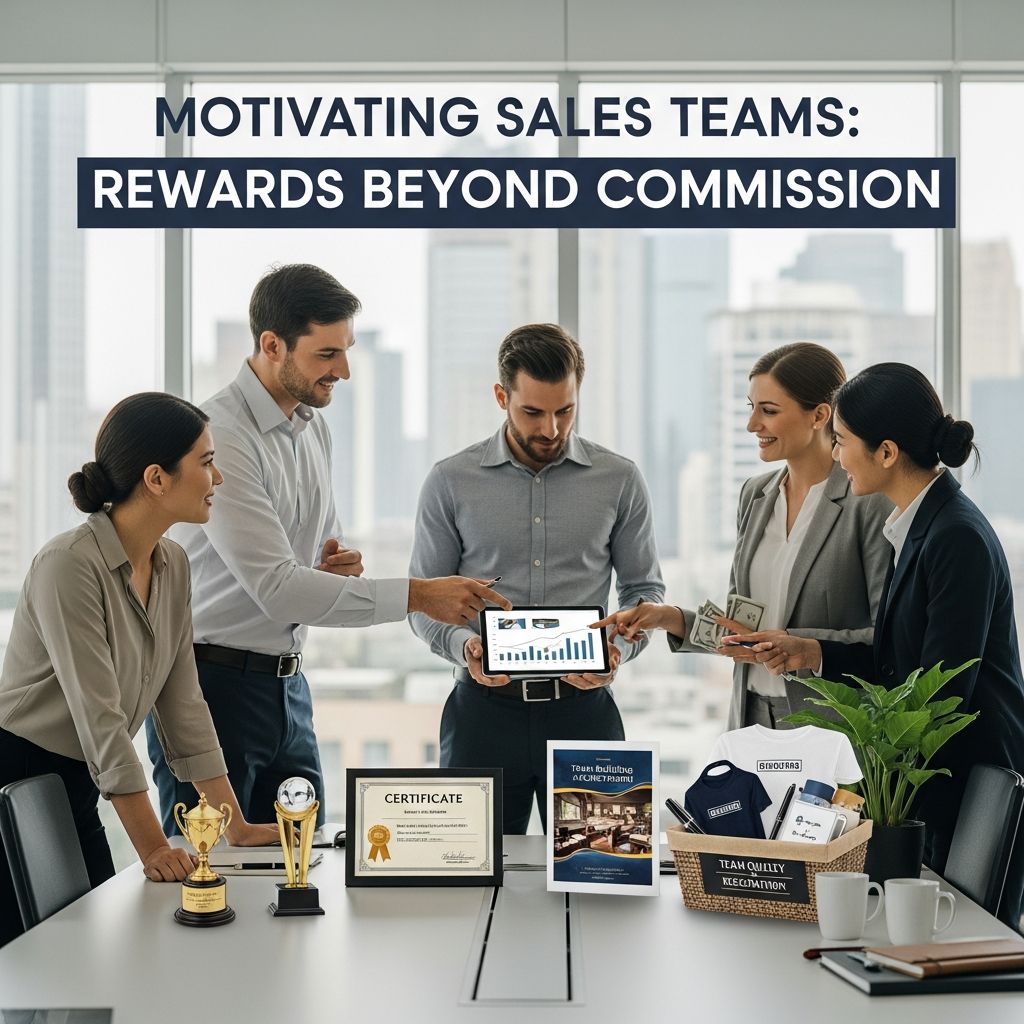
Building a Comprehensive Incentive Strategy for Sales Excellence
The foundation of any thriving sales organization rests not solely on compensation structures, but on a multifaceted approach to motivation that recognizes the diverse needs and preferences of individual team members. While many organizations default to traditional commission-based models, forward-thinking companies are discovering that blending multiple incentive categories creates a more resilient and engaged workforce. The most successful sales leaders understand that what motivates one representative may leave another indifferent, necessitating a portfolio approach to rewards and recognition.
Modern sales environments face unprecedented competitive pressures, talent retention challenges, and the need to maintain consistent performance across varying market conditions. In this context, designing an incentive framework requires careful consideration of how different reward types interact and complement one another. Research demonstrates that employees respond most enthusiastically when they perceive fairness in distribution, transparency in achievement criteria, and genuine personal relevance in the rewards offered.
Financial Incentives: The Foundation of Motivation
Monetary rewards remain the cornerstone of most sales incentive programs, and for good reason. Direct financial compensation provides immediate, tangible recognition of achievement and directly impacts employee earning potential. However, the structure and delivery of these rewards significantly influence their motivational impact.
Commission Structures and Performance Tiers
Commission models vary considerably in sophistication and design philosophy. A standard approach involves paying a percentage of revenue for each closed deal, establishing a direct connection between sales activity and compensation. However, organizations increasingly recognize that revenue alone may not capture the full picture of desirable sales behavior.
Tiered commission structures escalate earning potential as representatives exceed baseline targets, creating incentives for overachievement rather than simply meeting quota. This progressive model encourages representatives to push beyond minimum expectations, knowing that additional effort directly translates to enhanced earnings. The psychological impact of increasing commission rates cannot be understated—it provides representatives with a clear pathway to dramatically improve their compensation through sustained effort.
Profitability-Focused Compensation
Progressive organizations are shifting focus from pure revenue generation to profit-conscious selling. This approach compensates representatives based on deal profitability rather than gross revenue, discouraging aggressive discounting that erodes margins. By aligning individual compensation with company profitability, organizations ensure that representative interests mirror organizational objectives. This creates a natural alignment where the fastest path to higher earnings involves making smarter, more sustainable deals rather than pursuing volume at the expense of profitability.
Milestone and Bonus Structures
Beyond ongoing commission, strategic bonus payments recognize achievement of specific milestones. New hire sign-on bonuses, for instance, provide immediate financial recognition that validates career decisions and demonstrates organizational commitment. Milestone bonuses for reaching quota thresholds, acquiring specific customer segments, or closing enterprise-level deals create additional motivation pathways independent of base commission structures.
Recognition and Status-Based Incentives
While financial rewards drive action, recognition and status create lasting motivation rooted in human psychology and social needs. Status-based incentives cost organizations minimal financial resources while often delivering disproportionate motivational impact, particularly among competitive sales professionals.
Visible Status Symbols
Physical recognition serves as constant reminder of achievement and creates aspirational goals for other team members. Premium parking locations represent a simple yet effective symbol of top performer status. Reserved office spaces, priority equipment access, or enhanced workspace amenities provide daily recognition that extends beyond monetary compensation. These tangible status markers satisfy fundamental human needs for recognition and belonging while creating visible motivation for peers to elevate their performance.
Public Acknowledgment Programs
Recognition through public channels amplifies motivational impact by elevating status within team hierarchies. Featuring top performers in company communications, hosting lunch-and-learns where successful representatives share strategies, and highlighting achievements in internal newsletters create prestige that many professionals value as highly as financial compensation. These recognition mechanisms cost virtually nothing while generating meaningful motivation and facilitating knowledge transfer across the organization.
Peer Recognition Platforms
Modern recognition software enables peer-to-peer acknowledgment, creating a culture where team members actively appreciate and recognize one another’s contributions. These platforms democratize recognition beyond management channels, allowing bottom-up appreciation that often resonates more powerfully than top-down accolades. The cumulative effect of regular peer recognition creates psychological safety and team cohesion while providing data-driven insights into which behaviors and achievements the organization most values.
Experience-Based Rewards and Their Lasting Impact
Experiential rewards occupy a unique psychological space where they combine tangible benefit with memorable impact. Unlike material goods that may be forgotten, experiences create lasting memories and conversation points that amplify their motivational value through social reinforcement.
Travel and Vacation Incentives
All-expense-paid vacations to desirable locations represent the gold standard of aspirational rewards. These packages create powerful motivation by offering escape from routine, quality time with loved ones, and experiences that improve overall wellbeing. Travel incentives work particularly well for high-performer recognition programs, where earning a luxury vacation trip provides motivation throughout extended performance cycles. When structured as team experiences—such as destination conferences or company retreats in prestigious locations—travel incentives strengthen team bonds while recognizing achievement.
Entertainment and Cultural Access
Providing access to premium entertainment events—sporting events, concerts, theater productions, or exclusive experiences—appeals to representatives’ desires for cultural engagement and leisure time enhancement. These rewards demonstrate organizational understanding of individual interests while providing enjoyment and stress relief. Sports season tickets or coveted concert tickets create ongoing value through extended use rather than one-time consumption, potentially providing motivation throughout entire seasons.
Unique Experiential Opportunities
Beyond traditional entertainment, organizations create distinction through unique experiences: executive shadowing opportunities, customer facility visits, exclusive leadership forums, or specialized training experiences in desired locations. These experiential rewards appeal to professionals who value growth and unique opportunities over material goods, creating motivation for ambitious team members seeking accelerated development.
Professional Development and Career Advancement Incentives
Many sales professionals—particularly younger or ambitious representatives—prioritize career development as highly as monetary compensation. Offering growth-oriented rewards creates multi-layered motivation while improving organizational capability and employee retention.
Skill Enhancement and Professional Credentials
Sponsoring advanced training, professional certifications, or industry conferences demonstrates organizational investment in individual growth. Representatives who earn professional development opportunities gain competitive advantages in the job market while deepening their expertise and value to the organization. Funding attendance at prestigious industry conferences or advanced sales training programs creates dual benefits: immediate performance improvement and long-term retention through career development investment.
Mentorship and Knowledge-Sharing Programs
Pairing high performers with emerging talent creates structured development pathways while recognizing top performers in meaningful ways. Representatives selected as mentors gain status, expanded influence, and satisfaction from contributing to organizational growth beyond their individual sales numbers. This approach systematizes knowledge transfer, creates internal talent pipelines, and provides non-monetary recognition valued by ambitious professionals.
Leadership and Speaking Opportunities
Recognizing top performers through platform opportunities—conference speaking engagements, internal training delivery, or thought leadership visibility—appeals to representatives seeking professional recognition. Many sales professionals value third-party validation of expertise and opportunities to build personal brands alongside organizational affiliation. Supporting speaking engagements or content creation initiatives creates motivation while enhancing organizational brand through representative advocacy.
Flexible Benefits and Lifestyle Incentives
Individual circumstances and priorities vary considerably among sales teams. Offering flexibility in how rewards are distributed and structured ensures relevance across diverse preferences and life situations.
Time-Based Benefits
Additional paid time off represents a universally valued incentive, appealing across generational and demographic categories. Offering extra vacation days, flexible scheduling for top performers, or sabbatical opportunities for long-term high achievers creates benefits directly aligned with work-life balance priorities. Extended time off for exceptional performers acknowledges that burnout prevention and wellbeing matter as much as sales metrics, particularly in demanding sales environments.
Technology and Lifestyle Allowances
Providing technology allowances for home office equipment, devices, or connectivity improvements enhances work-from-home effectiveness while offering practical benefits. Gadget incentives appeal to technically inclined representatives, whether through smartphones, laptops, wireless devices, or entertainment technology. These tangible rewards provide ongoing utility rather than one-time consumption, extending their motivational impact over extended periods.
Wellness and Lifestyle Support
Health and wellness benefits—fitness memberships, spa experiences, wellness retreats—recognize that sales success requires sustainable personal health. Wellness-focused incentives appeal to representatives prioritizing long-term wellbeing while addressing stress inherent in high-pressure sales environments. Flexible wellness choices allow individuals to select benefits aligned with personal priorities, whether active recreation, relaxation, or fitness improvement.
Team and Gamification-Based Approaches
While individual incentives drive personal performance, team-based and gamified approaches build camaraderie, knowledge sharing, and collective achievement. These mechanisms create environments where competition motivates without creating destructive conflict.
Competitive Gamification Structures
Sales Olympics, leaderboard competitions, and themed challenges transform performance metrics into engaging games. These structures appeal to natural competitiveness while creating novelty and excitement around achievement. Mystery reward boxes, daily prize drawings, and weekly competitions maintain engagement through unpredictability and frequent recognition opportunities. When structured thoughtfully, competitive gamification motivates consistent effort without creating demoralizing gaps between top and struggling performers.
Collaborative Incentive Programs
Buddy systems pairing high and emerging performers create opportunities for knowledge transfer while providing team-based incentives. Rather than purely individual competition, these structures reward collective improvement, encouraging experienced representatives to invest in colleague development. Team lunches, group celebrations for milestone achievements, and collaborative reward structures strengthen organizational culture while maintaining motivation for performance excellence.
Charitable and Purpose-Driven Incentives
Allowing representatives to direct company charitable donations toward causes they support creates meaningful incentives beyond personal consumption. Many professionals seek purpose beyond profit, finding satisfaction in contributing to social good. Offering choice in charitable allocation respects individual values while creating positive impact that extends beyond organizational boundaries.
Tailoring Incentives to Role Requirements
| Sales Role | Primary Motivators | Recommended Incentive Mix |
|---|---|---|
| New Business Development | Commission potential, status, growth | Tiered commissions, milestone bonuses, professional development |
| Account Management | Stability, relationship quality, retention focus | Base salary emphasis, upsell commissions, team recognition |
| Inside Sales/Transactional | Daily achievement, friendly competition, variety | Daily prizes, activity-based bonuses, frequent recognition |
| Enterprise/Complex Sales | Prestige, partnership opportunities, significant rewards | Larger bonuses, travel incentives, executive recognition |
| Channel/Partner Sales | Status, support, collaborative success | SPIFFs, recognition programs, partner incentives |
Implementation Best Practices for Maximum Impact
Designing incentive programs requires careful attention to fairness, transparency, and relevance. The most effective programs communicate achievement criteria clearly, distribute rewards consistently according to stated criteria, and regularly assess whether incentives drive desired behaviors without creating unintended consequences.
Transparent communication about incentive mechanics prevents misunderstanding and builds trust. Representatives should understand exactly how their actions translate into compensation and rewards. Regular program reviews ensure incentives remain aligned with evolving business priorities while preventing gaming or manipulation of metrics that disconnect incentive structure from organizational objectives.
Frequently Asked Questions
What percentage of compensation should be variable versus base salary in sales roles?
The ideal balance depends on role and industry. New business development roles typically feature 60-70% variable compensation, while account management might emphasize 80% base with 20% variable. High-velocity inside sales may operate on pure commission models. Balance must allow financial stability while maintaining strong performance incentives.
How often should incentive programs be evaluated and adjusted?
Quarterly reviews ensure programs remain effective and aligned with business objectives. Annual comprehensive restructuring allows organizations to incorporate market changes, competitive developments, and internal strategy shifts. However, avoid frequent changes that create uncertainty or reduce trust in program consistency.
Can non-monetary incentives be as motivating as cash compensation?
Research demonstrates that non-monetary incentives frequently deliver disproportionate motivational impact relative to financial value. The key is ensuring alignment between offered rewards and individual preferences. For many professionals, recognition, development opportunities, and experiences provide lasting motivation exceeding equivalent cash values.
How should organizations handle unequal distribution of incentives across team members?
Transparent criteria that clearly connect performance to rewards reduce perception of unfairness. Ensure multiple pathways to recognition exist—not everyone can lead in revenue, but improvement metrics, activity recognition, or specialized achievements create opportunities for diverse team members. Communicate explicitly how incentive allocation reflects objective performance data.
What role should team-based versus individual incentives play?
Most effective programs balance both elements. Individual incentives drive personal performance and accountability, while team-based rewards encourage collaboration and knowledge sharing. A typical allocation might weight 70-80% individual, 20-30% team-based incentives, though ratios should adjust based on whether organizational strategy prioritizes individual excellence or collaborative achievement.
References
- Top 10 Sales Incentives That Actually Work — Salesforce. 2024. https://www.salesforce.com/blog/sales-incentives/
- 10 Sales Incentive Plan Examples That Actually Work — Everstage. 2024. https://www.everstage.com/sales-incentive/sales-incentive-plan-examples
- 33+ Best Incentives for Sales Ideas for Teams: 2025 Guide — Matter. 2025. https://matterapp.com/blog/incentives-for-sales
- How to design a sales incentive plan (that actually drives results) — Ravio. 2024. https://ravio.com/blog/sales-incentive-plans
- Sales Incentive Ideas to Motivate Reps in 2025 — Tremendous. 2025. https://www.tremendous.com/blog/sales-incentives/
- Sales Incentive Plan Examples — Treeline, Inc. 2024. https://www.treelineinc.com/blog/what-are-the-most-effective-sales-incentive-plan-examples-for-employers/

- Integrated M.A. in Applied Linguistics, University of Hyderabad
- 5+ years in editorial, instructional, SEO, and research-based writing
Sneha is a relationships and lifestyle writer with a strong foundation in applied linguistics and certified training in relationship coaching. She brings over five years of writing experience to theskillvault, crafting thoughtful, research-driven content that empowers readers to build healthier relationships, boost emotional well-being, and embrace holistic living. Her writing and insights reflect the belief that beauty, happiness, and wellness…