
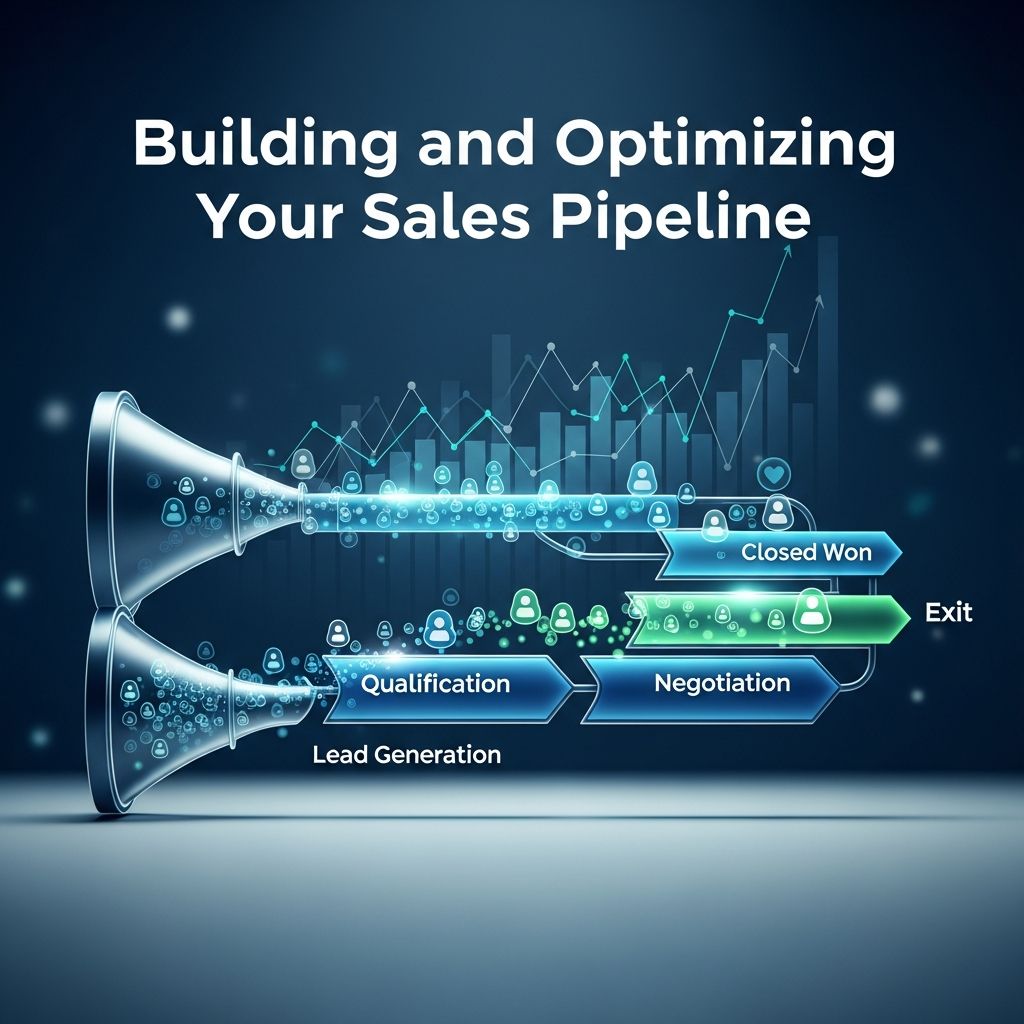
Understanding the Foundation of Modern Sales Operations
In today’s competitive business environment, having a structured approach to managing customer relationships is essential. A sales pipeline serves as the backbone of any successful revenue operation, providing visibility into where deals stand and what actions need to happen next. Unlike random or ad-hoc sales approaches, a well-designed pipeline transforms selling into a predictable, repeatable process that enables teams to meet targets consistently and forecast revenue accurately.
The fundamental purpose of building a sales pipeline is to create a systematic way of moving potential customers from initial awareness through to becoming paying clients. This structured progression prevents deals from falling through cracks and ensures that no opportunity is overlooked. Teams that implement effective pipeline management report higher close rates, shorter sales cycles, and improved team morale because everyone understands their role in the process.
The Essential Progression: Understanding Pipeline Stages
Every organization that sells products or services relies on some variation of pipeline stages, though the specific names and number of stages may differ based on industry and sales model. The most common frameworks include between five and seven distinct stages, each representing a meaningful progression in the buyer’s journey.
Stage One: Initial Prospect Identification
The journey begins when you identify individuals or organizations that could potentially benefit from your offering. This stage focuses on casting a wide net through various channels. Your team might use research tools to find companies matching your ideal customer profile, attend industry events to network with potential buyers, or leverage digital advertising and content marketing to attract inbound interest. The goal is volume—building a list of people who fit your target criteria and might have the problems you solve.
Stage Two: Determining Fit and Capability
Once you’ve identified potential prospects, you need to qualify them. This means verifying that they actually have the financial resources, decision-making authority, and genuine need for your solution. During qualification conversations, you ask strategic questions about their budget constraints, who makes purchasing decisions, and whether they recognize a problem that your product addresses. This filtering stage prevents your team from wasting time on deals that will never close, allowing them to focus on high-probability opportunities.
Stage Three: Uncovering Specific Requirements
After confirming basic fit, you move into deeper discovery. This stage involves detailed conversations where you learn about the prospect’s exact challenges, goals, operational workflows, and success metrics. By understanding their business problems in granular detail, you can position your solution as perfectly aligned with their needs. Sales professionals gather information about competing products they’re considering, key stakeholders involved in the decision, and timeline expectations. This understanding forms the foundation for all future conversations.
Stage Four: Presenting Your Solution
With a clear understanding of the prospect’s situation, you now present how your offering addresses their specific needs. This might involve formal product demonstrations, written proposals detailing implementation plans, or comprehensive presentations showing how your solution delivers measurable value. The focus is on customization—showing that you understand their unique situation and have tailored your recommendations accordingly rather than offering a generic pitch.
Stage Five: Working Through Objections and Terms
Few deals move forward without some negotiation. Prospects raise concerns about pricing, contract terms, implementation timelines, or specific features. Your team addresses these objections by providing additional information, offering compromises, or adjusting terms where appropriate. This stage requires patience and skill—the goal is finding solutions that satisfy both parties rather than trying to force acceptance of your original proposal.
Stage Six: Finalizing and Completing the Transaction
Once both parties agree on terms, you move to closing. This involves signing contracts, processing payments, and handling any remaining administrative requirements. While it might seem like the endpoint, this stage sets the tone for what comes next by ensuring smooth handoffs and clear expectations.
Stage Seven: Building the Long-Term Relationship
The relationship doesn’t end at purchase. Post-sale activities include onboarding new customers, training them on your solution, providing ongoing support, and seeking opportunities for expansion or additional purchases. This stage often generates the most profitable revenue because existing customers are far more likely to buy again than new prospects.
Designing Your Custom Pipeline Architecture
While the stages described above provide a common framework, your specific pipeline should reflect your unique sales process. Building a customized pipeline requires gathering input from multiple sources within your organization.
Identify Your Ideal Customer Profile
Before designing anything, be crystal clear about who you serve best. Define the characteristics of companies and individuals most likely to succeed with your solution. Consider factors like industry type, company size, revenue levels, geographic location, technology infrastructure, and specific challenges they face. A well-defined target profile ensures every prospect entering your pipeline has a genuine potential to become a customer.
Map Your Buyer’s Experience
Understand the actual journey your customers take from first awareness of a problem through making a purchase decision. Interview your most successful customers about how they found you, what information they needed at each stage, what obstacles they encountered, and what finally convinced them to buy. This research reveals the natural progression and decision points inherent in your sales cycle.
Define Acceptance Criteria for Each Stage
For prospects to advance through your pipeline, they must meet specific criteria at each stage. For example, a lead might only qualify for your negotiation stage if they’ve received and reviewed a proposal, expressed genuine interest, and confirmed they have decision-making authority. Clear acceptance criteria prevent false optimism about deals and ensure consistency across your sales team.
Assign Concrete Activities and Responsibilities
Each pipeline stage should have associated activities that move deals forward. Prospecting might include sending introduction emails and LinkedIn messages. Qualification might involve scheduling discovery calls. Proposal stage might include creating customized presentations. Document who is responsible for each activity to prevent confusion or dropped balls.
Measuring What Matters: Pipeline Metrics
An effective pipeline requires tracking meaningful metrics that reveal how well your process is working. Rather than vanity metrics, focus on indicators directly connected to revenue outcomes.
| Metric | Purpose | How to Improve |
|---|---|---|
| Conversion Rate by Stage | Shows percentage of deals advancing from one stage to the next | Identify bottleneck stages and implement targeted coaching |
| Average Deal Size | Reveals typical revenue per transaction | Focus on qualifying larger opportunities and cross-selling |
| Sales Cycle Length | Measures time from initial contact to closing | Streamline activities and improve prospect engagement |
| Win Rate | Percentage of proposals that result in closed deals | Improve proposal quality and objection handling |
| Pipeline Coverage Ratio | Total pipeline value divided by monthly revenue target | Maintain sufficient prospects entering pipeline each month |
Practical Implementation Strategies
Understanding pipeline theory is one thing; implementing it effectively is another. Here are practical approaches to building pipeline discipline within your organization.
Start with Process Documentation
Create a written document detailing your pipeline stages, acceptance criteria, required activities, and expected outcomes. This becomes the reference guide that keeps everyone aligned, especially as your team grows. Include real examples from recent deals to illustrate what each stage looks like in practice.
Establish Regular Pipeline Reviews
Schedule consistent meetings—typically weekly or bi-weekly—where you examine pipeline health, discuss deals stuck in particular stages, and identify prospects ready for advancement. These reviews keep pipeline management from becoming an afterthought and allow you to intervene quickly when issues arise.
Implement Technology Support
Customer relationship management (CRM) software automates pipeline tracking and provides visibility that manual spreadsheets cannot offer. A good CRM system captures all prospect interactions, tracks where deals stand, generates forecasts, and alerts you when deals need attention. This technology frees your team from administrative work and lets them focus on selling.
Provide Continuous Training
Your sales team needs to understand not just what the pipeline is, but why each stage matters and what specific skills are required to move deals forward. Invest in training around discovery questioning, proposal writing, objection handling, and negotiation. Regular coaching and feedback help reps improve their ability to move prospects through stages efficiently.
Overcoming Common Pipeline Challenges
Even well-designed pipelines encounter problems. Recognizing and addressing these issues quickly prevents them from derailing your revenue goals.
Stalled Deals and Stuck Prospects
Deals sometimes stall in a particular stage for weeks or months. When this happens, the original champion might have lost interest, organizational priorities shifted, or your team failed to follow up adequately. Combat this by establishing a systematic check-in protocol. If a deal hasn’t progressed in a defined timeframe, trigger an action plan: reconnect with the prospect, ask what would help move forward, or agree to close the opportunity if progress isn’t possible.
Inconsistent Qualification Standards
Different team members sometimes have different ideas about when a deal is ready to advance. This inconsistency leads to false confidence about pipeline quality. Establish clear, objective criteria for each stage and conduct monthly calibration meetings where the team reviews deals together and aligns on standards.
Inadequate Pipeline Visibility
If leadership can’t see pipeline details, it’s impossible to manage proactively. Without visibility, you discover problems at the end of the month when deals haven’t closed rather than weeks earlier when you could have intervened. Implement systems and processes that make pipeline status transparent to all stakeholders in real-time.
Advanced Pipeline Optimization
Once you have a functioning baseline pipeline, these advanced tactics drive additional improvement.
Segment Prospects by Characteristics
Different types of deals sometimes require different approaches. A large enterprise deal might move slowly and require stakeholder alignment, while a small business deal might close quickly but need lower-touch engagement. Consider creating separate pipeline tracks for different customer segments, each with customized stages and activities.
Analyze Historical Data
Review your closed deals from the past year and identify patterns. Which types of prospects convert most consistently? What activities correlate with closing deals? At what stage do most deals stall or get lost? This analysis reveals where to focus effort for maximum impact.
Establish Forecasting Discipline
Revenue forecasting requires assigning probability percentages to deals at each stage based on historical conversion data. A deal in the early qualification stage might be 20% likely to close, while a deal in negotiation might be 80% likely. Using weighted pipeline rather than simple sum totals gives leadership more accurate revenue predictions.
Common Questions About Sales Pipeline Management
Q: How many stages should my sales pipeline have?
A: Most effective pipelines contain between 5 and 7 stages. Fewer stages provide insufficient detail for management, while more than 7 stages often becomes administratively burdensome. Choose stages that meaningfully reflect your actual sales process and buying cycle.
Q: How often should I review pipeline metrics?
A: Establish a regular cadence—typically weekly for active sales teams and monthly for leadership reviews. More frequent reviews allow faster intervention when issues arise, while less frequent reviews miss opportunities to help stuck deals move forward.
Q: What’s the right pipeline coverage ratio?
A: A healthy pipeline typically contains 3-5 times your monthly revenue target. This cushion accounts for deals that will be lost while still allowing you to hit targets. Lower ratios leave no margin for error, while higher ratios might indicate ineffective qualification.
Q: How do I prevent pipeline inflation?
A: Pipeline inflation occurs when deals advance prematurely or stay in the pipeline even though they’re effectively dead. Combat this through strict acceptance criteria, regular pipeline cleansing to remove stalled deals, and honest conversations with reps about deal status.
Q: Should every prospect move through every stage?
A: Not necessarily. Some prospects might enter at a later stage if they’re referrals or inbound leads already aware of your solution. However, ensure you still validate that they meet acceptance criteria before moving them forward.
Q: How do I handle prospects who want to skip stages?
A: While you can occasionally accelerate movement, avoid skipping critical stages like qualification or needs analysis. These stages exist to reduce wasted time on bad-fit prospects. Even enthusiastic prospects should move through qualifying activities to ensure they’re genuinely qualified.
Conclusion: The Competitive Advantage of Pipeline Excellence
Building an effective sales pipeline transforms selling from an art practiced inconsistently across individuals into a science that compounds results. Teams with disciplined pipeline management consistently outperform those relying on ad-hoc approaches. They hit revenue targets more reliably, forecast more accurately, and retain top talent because reps know exactly what’s expected and can see clear paths to success.
The investment required to implement a structured pipeline pays dividends through improved predictability, better resource allocation, and accelerated growth. Start by documenting your current process, define meaningful stages and acceptance criteria, establish regular reviews, and commit to continuous improvement based on actual results. Over time, you’ll build a competitive advantage that’s difficult for competitors to replicate.
References
- 7 Main Stages of Sales Pipeline and How to Build One — Cirrus Insight. 2025. https://www.cirrusinsight.com/blog/sales-pipeline-stages
- Mastering the Sales Pipeline Stages: A Step-by-Step Guide — SalesIntel. 2025. https://salesintel.io/blog/sales-pipeline-stages/
- Understand the 7 Sales Pipeline Stages in B2B (and Build Yours) — Spekit. 2025. https://www.spekit.com/blog/sales-pipeline-stages
- Sales Pipelines: A Comprehensive Guide for Sales Leaders and Reps — HubSpot. 2025. https://blog.hubspot.com/sales/sales-pipeline
- Mastering CRM Sales Pipeline Stages: A Comprehensive Guide — Activated Scale. 2025. https://www.activatedscale.com/blog/key-crm-pipeline-stages

- Integrated M.A. in Applied Linguistics, University of Hyderabad
- 5+ years in editorial, instructional, SEO, and research-based writing
Sneha is a relationships and lifestyle writer with a strong foundation in applied linguistics and certified training in relationship coaching. She brings over five years of writing experience to theskillvault, crafting thoughtful, research-driven content that empowers readers to build healthier relationships, boost emotional well-being, and embrace holistic living. Her writing and insights reflect the belief that beauty, happiness, and wellness…