
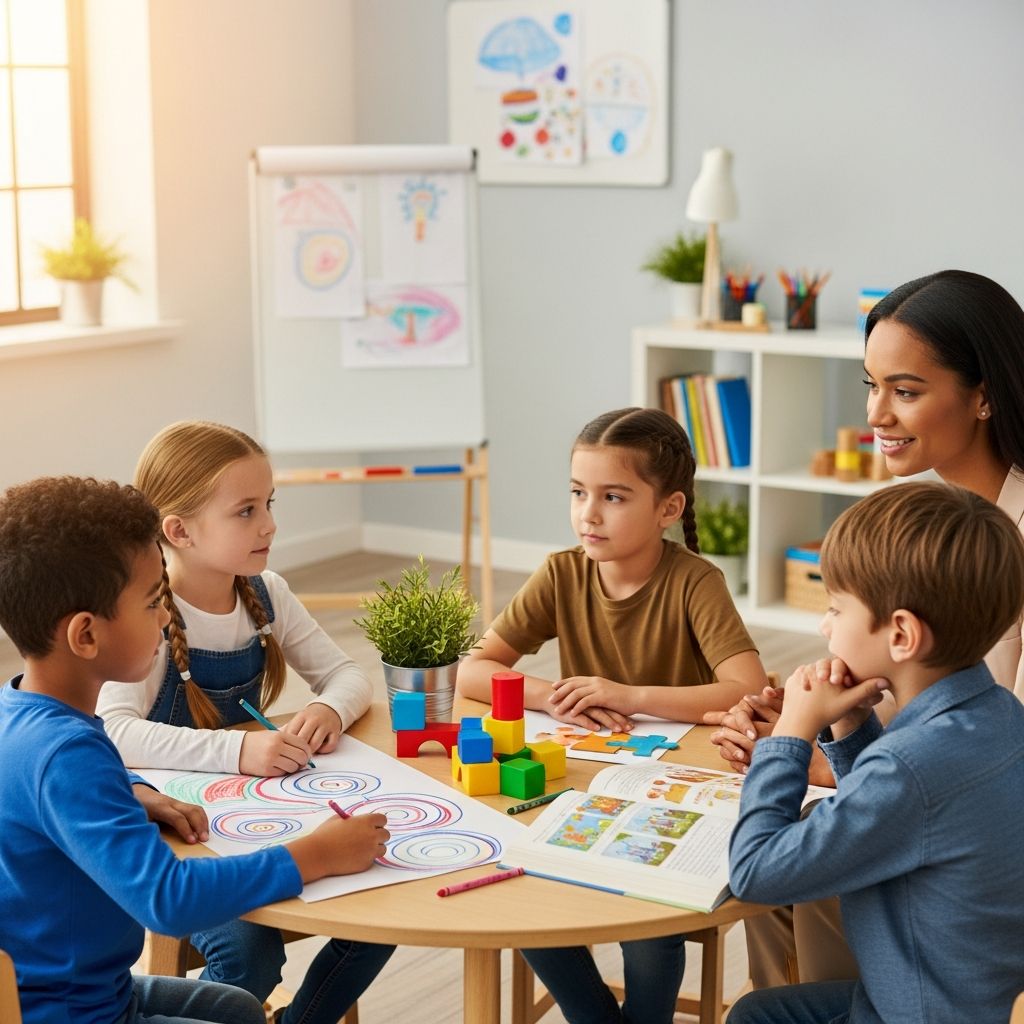
Conflicts are inevitable in any school setting, where diverse personalities, high emotions, and daily interactions create opportunities for disagreements. Effective conflict resolution transforms these challenges into teachable moments, promoting empathy, communication, and collaboration among students, teachers, and administrators. By equipping schools with structured approaches, educators can cultivate environments where learning thrives without disruption.
Understanding the Roots of School Conflicts
School conflicts often stem from misunderstandings, competition for resources, or differing perspectives on rules and expectations. Recognizing these origins is the first step toward resolution. For instance, student disputes may arise from playground disagreements, while teacher-parent tensions could involve academic performance or behavioral concerns. Early identification prevents escalation, allowing interventions that address underlying issues rather than surface symptoms.
Conflicts manifest in various forms: verbal arguments, bullying, or group exclusions. Data from educational resources highlights that proactive awareness reduces incident frequency by fostering a culture of respect. Administrators play a key role by modeling calm responses and encouraging open dialogue from the outset.
Core Principles of Effective Conflict Management
Successful conflict resolution in schools relies on foundational principles like active listening, empathy, and neutrality. These elements ensure all parties feel heard, reducing defensiveness and opening pathways to mutual understanding.
- Active Listening: Involves fully concentrating on the speaker, acknowledging their feelings without interruption.
- Empathy Building: Encourages participants to view situations from others’ viewpoints, humanizing the conflict.
- Neutral Facilitation: A third party guides discussions impartially, focusing on facts over blame.
Implementing these principles requires training. Schools that integrate them report fewer recurring issues and stronger community bonds.
Step-by-Step Protocols for Classroom Disputes
Classroom conflicts demand quick, structured responses to minimize learning disruptions. A proven protocol includes timed steps that prioritize expression and compromise.
- Hear Perspectives (3 minutes per person): Allow each student to share their side uninterrupted, using prompts like “What happened from your view?” This builds respect and lowers tensions.
- Identify Shared Goals (2 minutes): Guide parties to find common interests, such as maintaining group harmony or fair play.
- Propose Compromises (3 minutes): Brainstorm actionable steps both can endorse, like alternating roles in activities.
- Agree and Follow Up: Document the resolution and check progress later to reinforce accountability.
This method, adapted from classroom management best practices, empowers students as problem-solvers while teaching lifelong skills.
Leadership Roles in Institutional Conflict Resolution
Educational leaders set the tone for conflict handling. Principals and counselors must establish clear policies, communication channels, and training programs to address disputes systematically.
| Leadership Strategy | Description | Benefits |
|---|---|---|
| Open Communication | Create accessible forums for voicing concerns | Prevents buildup of resentments |
| Policy Clarity | Define behavioral expectations upfront | Reduces ambiguity in disputes |
| Training Initiatives | Offer workshops on resolution techniques | Builds staff competence |
| Mediation Services | Provide neutral facilitators | Ensures fair outcomes |
Leaders who adopt these strategies, as seen in successful school turnarounds, create proactive cultures that mitigate conflicts before they intensify.
Peer Mediation: Empowering Student Leaders
Peer mediation programs train students to resolve disputes among themselves, promoting ownership and reducing adult intervention needs. Selected peers undergo training in listening, neutrality, and agreement facilitation.
Key components include:
- Recruitment of empathetic, mature students.
- Structured sessions with private, safe spaces.
- Follow-up to monitor agreement adherence.
Evidence shows these programs decrease bullying by 20-30% and enhance school climate, as students gain confidence in handling everyday tensions.
Training Educators and Staff in Resolution Skills
Professional development is crucial. Workshops should cover emotional recognition, de-escalation, and restorative practices. The SOAR model—Stop, Observe, Assess, React—offers a simple framework for real-time application.
Role-playing exercises simulate scenarios like parent-teacher disagreements or staff rivalries, building practical skills. Schools committing to annual training see sustained improvements in conflict outcomes.
Restorative Practices for Long-Term Healing
Beyond resolution, restorative justice repairs relationships by focusing on harm and reconciliation. Circles or conferences bring parties together to discuss impacts and make amends.
- Victim-Offender Dialogue: Facilitated talks emphasizing accountability.
- Community Building Circles: Regular sessions to strengthen ties.
- Reintegration Plans: Support for returning students post-conflict.
These approaches, rooted in educational guides, shift punitive mindsets to collaborative ones, fostering enduring peace.
Preventive Measures: Building a Conflict-Resistant Culture
Prevention outperforms reaction. Integrate social-emotional learning (SEL) curricula that teach “I-statements” for expressing feelings non-accusatorily, like “I feel upset when…”.
Other tactics:
- Positive reinforcement for cooperative behaviors.
- Regular team-building activities.
- Clear anti-bullying campaigns with bystander intervention training.
A positive culture anticipates issues, using them as growth opportunities rather than crises.
Real-World Applications: Case Studies in Action
High School Teacher-Student Turnaround
In one high school, frequent grading disputes led to a mediation program. Training teachers in active listening and compromise reduced complaints by half within a semester. Open channels allowed early flagging, preventing escalations.
Elementary Playground Harmony
An elementary school implemented SOAR and peer coaching. Students practiced during recess, cutting fights by 40%. Teachers noted improved focus in class post-intervention.
Parent Involvement Success
A district used collaborative problem-solving for IEP conflicts. Regular conferences and neutral mediators aligned parents and educators, boosting student outcomes.
Measuring Success and Continuous Improvement
Track progress via surveys, incident logs, and climate assessments. Adjust strategies based on feedback, ensuring adaptability to evolving school dynamics.
Frequently Asked Questions (FAQs)
What is the first step in resolving a student conflict?
Allow each party to speak uninterrupted to ensure all perspectives are heard, building a foundation of respect.
How can schools train for peer mediation?
Select reliable students, provide workshops on listening and neutrality, and practice with role-plays.
Why use restorative justice over punishment?
It repairs harm and relationships, leading to lower recidivism and stronger community ties.
What role does empathy play in resolution?
Empathy helps parties understand each other, facilitating compromises and preventing future issues.
How often should conflict training occur?
Annually for staff, with ongoing refreshers and integration into SEL curricula for students.
References
- Conflict Resolution in the Schools: A Manual for Educators — ERIC. 1996. https://eric.ed.gov/?id=ED403257
- Resolving Conflicts in Education: A Leader’s Guide — Parallel Learning. 2023. https://www.parallellearning.com/post/resolving-conflicts-in-education-a-leaders-guide
- Managing Classroom Conflict — Cornell University Center for Teaching Innovation. 2023. https://teaching.cornell.edu/resource/managing-classroom-conflict
- An Effective Protocol for Student Conflict Resolution — Edutopia. 2023. https://www.edutopia.org/article/conflict-resolution-students-protocol/
- Teaching Conflict Resolution: A Guide For Educators — Pollack Peacebuilding Systems. 2023. https://pollackpeacebuilding.com/blog/teaching-conflict-resolution/
- Coaching Children in Handling Everyday Conflicts — Responsive Classroom. 2023. https://www.responsiveclassroom.org/coaching-children-in-handling-everyday-conflicts/

Medha Deb is an editor with a master's degree in Applied Linguistics from the University of Hyderabad. She believes that her qualification has helped her develop a deep understanding of language and its application in various contexts. Medha specializes in the areas of beauty, health, sports, and wellness and is committed to ensuring that the content on the website is…