
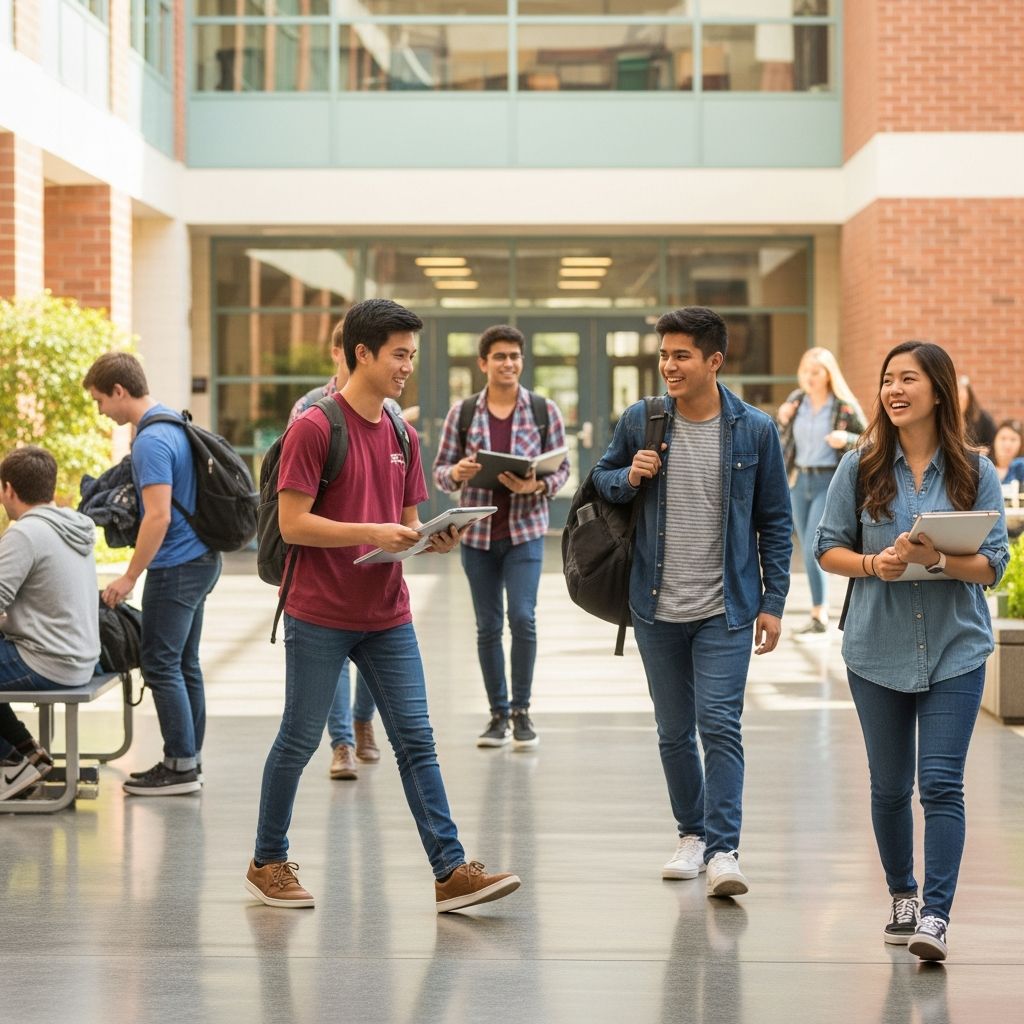
Your senior year represents a significant transition point in your life. This period offers a unique window of opportunity to engage in activities that will shape your memories, strengthen your friendships, and prepare you for the next chapter. Rather than viewing this year as merely a checkpoint before college, consider it a chance to intentionally craft experiences that align with your interests and values.
Understanding the Importance of Senior Year Engagement
The final year of high school carries particular significance because it represents the culmination of your secondary education journey. Research on student development indicates that meaningful engagement during this period contributes to overall well-being and helps students transition more successfully to higher education. By participating in diverse activities, you create a sense of closure while simultaneously building confidence for future endeavors.
Senior year engagement extends beyond academics. It encompasses social connections, personal exploration, and community involvement. When you intentionally pursue meaningful experiences, you develop stronger relationships with peers, discover new interests, and gain perspective on your capabilities and aspirations.
School-Based Social Milestones Worth Experiencing
Your school community offers numerous traditional events and celebrations that have marked the passage of generations of students. Participating in these events allows you to be part of a larger cultural continuum while creating personal memories.
School dances and celebrations provide opportunities to dress up, celebrate with friends, and participate in collective experiences. Whether you attend homecoming, prom, or themed school dances, these events offer memorable moments and help foster school spirit. Even if formal dances aren’t typically your style, attending at least one provides a shared experience with classmates.
Athletic events and school spirit create a sense of community and collective identity. Attending football games, basketball games, or other sporting events allows you to support your peers while experiencing the energy and excitement of school athletics. Getting involved with spirit weeks and wearing school colors demonstrates your connection to your institution.
Performances and cultural events at your school showcase the talents of your classmates. Whether attending theatrical productions, concerts, or art exhibitions, you gain appreciation for your peers’ achievements while exploring cultural offerings within your school.
Personal Documentation and Memory Preservation
Creating physical and digital records of your senior year ensures that memories remain accessible long after graduation. In an era where digital content often remains scattered across various platforms, intentional documentation becomes increasingly valuable.
Consider these preservation strategies:
- Senior portraits: Professional photographs capture how you look and present yourself during this pivotal year. These images become valuable keepsakes and often feature in yearbooks and family archives.
- Yearbook involvement: Beyond simply purchasing a yearbook, seek opportunities to be featured in its pages. Getting interviewed or participating in special sections creates lasting documentation.
- Personal scrapbooking: Compiling photos, ticket stubs, and written reflections into a scrapbook creates a tangible record of your experiences. Unlike digital files, physical scrapbooks resist the degradation of forgotten passwords and changing platforms.
- Digital playlists: Creating a playlist of songs that defined your senior year provides a soundtrack to your memories. Music carries powerful associations and can transport you back to specific moments.
- Time capsule letters: Writing letters to your future self creates a bridge between your current perspective and your future understanding. These letters reveal your hopes, concerns, and personality at a specific moment in time.
Strengthening Relationships and Creating Shared Experiences
Senior year provides limited time to deepen relationships with friends before everyone transitions to different paths. Intentionally creating shared experiences strengthens these bonds and provides material for lasting memories.
Group adventures and outings range from simple to elaborate. Whether you organize a day trip to nearby attractions, plan a weekend camping adventure, or simply have an extended hangout session, these shared experiences create common reference points and stories that you’ll recall for years.
Celebration and recognition activities honor your relationships and those who have influenced you. Writing thank-you letters to teachers, coaches, and parents who made meaningful impacts provides closure for those relationships while expressing gratitude. Similarly, organizing gatherings that celebrate your friend group creates intentional moments of appreciation.
Trying new experiences together expands your shared repertoire. Whether it’s attending a concert you’ve never been to, trying a new restaurant, or participating in an unfamiliar activity as a group, novel experiences create stronger memories than routine activities.
Personal Growth and Skill Development
Your senior year offers opportunities to develop capabilities that will serve you well in college and beyond. Rather than waiting until college to learn essential life skills, acquiring them now provides practice and confidence.
Practical life skills include basic cooking abilities, laundry management, budgeting, and household maintenance. These competencies reduce stress during your first year away from home and demonstrate self-sufficiency. Many colleges expect students to manage personal responsibilities independently, making prior experience valuable.
Intellectual exploration extends beyond your required curriculum. Taking online classes in subjects that intrigue you, watching educational content, or reading books in areas of personal interest demonstrates intellectual curiosity. These pursuits often reveal new potential majors or career interests.
Hobby development and skill acquisition contribute to your overall well-being. Learning an instrument, improving your photography abilities, developing writing skills, or exploring artistic pursuits provides outlets for creativity and stress relief. These hobbies often become portable sources of joy that accompany you to college.
Community Involvement and Service Activities
Engaging with your broader community during senior year provides perspective beyond your immediate social circle and school environment. Service-oriented activities offer multiple benefits including personal fulfillment, skill development, and meaningful contributions to causes you care about.
Volunteer work allows you to identify causes that resonate with you while developing professional skills. Whether volunteering at local nonprofits, participating in community cleanups, or helping at youth programs, these activities provide tangible ways to contribute while building your resume for college applications.
Running events or participating in fundraisers combines physical activity with community support. Participating in 5K races, charity walks, or organized fundraising events demonstrates commitment to causes while engaging in healthy activities.
Mentorship and peer support involve helping younger students navigate their high school journey. Whether informally supporting underclassmen or formally participating in peer mentoring programs, helping others reinforces your own learning and leadership development.
Exploration and Adventure Activities
Your senior year provides opportunity for exploration before college responsibilities potentially limit your flexibility. Adventure-oriented activities create distinctive memories and expand your comfort zone.
Travel experiences range from day trips to extended excursions. Visiting nearby towns, exploring natural attractions, or taking road trips with friends exposes you to new environments and perspectives. These experiences need not be expensive or elaborate to be meaningful.
Nature-based activities provide physical exercise, stress relief, and appreciation for natural environments. Hiking local trails, visiting parks, camping, or exploring beaches offer refreshing escapes from typical school routines.
Stepping outside comfort zones might involve trying activities you’ve previously avoided, visiting unfamiliar neighborhoods, or engaging in social situations outside your typical circles. These experiences build confidence and reveal capabilities you might not have discovered otherwise.
Preparation for College Transition
While senior year is certainly about celebration and enjoyment, it also represents a practical transition point. Engaging in preparation activities eases your adjustment to college life.
College campus visits familiarize you with potential schools while helping you envision your college experience. Walking through buildings, attending information sessions, and exploring surrounding communities make college feel more concrete and achievable.
Dorm room planning involves both practical and creative elements. Creating Pinterest boards for dorm decoration, shopping for bedding and storage solutions, and buying a plant for your future space allows you to envision and create your college living environment. These activities, while practical, also provide emotional preparation for the transition.
Purchasing college gear from your potential institution creates a tangible connection to your future school. Wearing apparel from your chosen college demonstrates your commitment while beginning to build your college identity.
Reflective Practices and Gratitude Activities
Senior year benefits from intentional reflection practices that help you process your experiences and recognize growth. These activities serve both emotional and practical purposes.
Gratitude practices including journaling about positive experiences, acknowledging people who supported you, and recognizing your own accomplishments contribute to emotional well-being. Starting a gratitude journal during senior year creates a daily practice that reinforces positive perspective.
Memory documentation through regular reflection ensures that significant moments don’t fade from memory. Whether through journaling, photographs, or conversation, regularly acknowledging experiences cements them in your long-term memory.
Goal-setting activities help you clarify your aspirations for college and beyond. Writing down your long-term plans, identifying skills you want to develop, and articulating your values provides direction as you transition to new chapters.
Creating Your Personalized Senior Year Plan
Rather than attempting to accomplish every possible activity, create a personalized approach that aligns with your interests, values, and circumstances. Consider these planning elements:
- Identify 5-7 activities that genuinely appeal to you rather than those you feel obligated to do
- Balance social activities with personal growth opportunities
- Schedule activities throughout the year to maintain sustained engagement rather than cramming experiences into final months
- Include both group activities and solo pursuits
- Build in flexibility for spontaneous opportunities that arise
- Ensure activities are accessible within your financial and time constraints
Making Senior Year Meaningful Beyond a Checklist
While bucket lists provide useful frameworks for planning, the most meaningful senior year experiences often arise from genuine engagement rather than obligation. Rather than treating activities as checkboxes to complete, approach them as opportunities for connection, growth, and enjoyment.
The value of your senior year ultimately derives from the relationships you strengthen, the experiences you genuinely appreciate, and the person you become through these experiences. Focus on quality over quantity, intentional engagement over rushed completion, and authentic participation over obligatory attendance.
Your final year of high school is simultaneously an ending and a beginning. By engaging thoughtfully in activities that matter to you, you honor the community that shaped you while building confidence and joy as you transition to your next phase of life.
References
- College Express: The Ultimate Bucket List for All 4 Years of High School — College Express. Accessed 2026. https://www.collegexpress.com/articles-and-advice/student-life/blog/the-ultimate-bucket-list-for-all-four-years-of-high-school/
- College Avenue: Bucket List Ideas for High School Senior Families — College Avenue. Accessed 2026. https://www.collegeave.com/articles/bucket-list-ideas-for-high-school-families/
- Grown and Flown: Parent’s Last Call List for High School Senior Year — Grown and Flown. Accessed 2026. https://grownandflown.com/last-call-list-for-senior-year/
- College Vine: Senior Year Bucket List – 52 Things to Do Before Graduation — College Vine. Accessed 2026. https://blog.collegevine.com/senior-year-bucket-list
- My Click Journal: Senior Year Bucket List 2022 – 42 Things To Do Before You Graduate — My Click Journal. Accessed 2026. https://myclickjournal.com/senior-year-bucket-list/

Medha Deb is an editor with a master's degree in Applied Linguistics from the University of Hyderabad. She believes that her qualification has helped her develop a deep understanding of language and its application in various contexts. Medha specializes in the areas of beauty, health, sports, and wellness and is committed to ensuring that the content on the website is…