
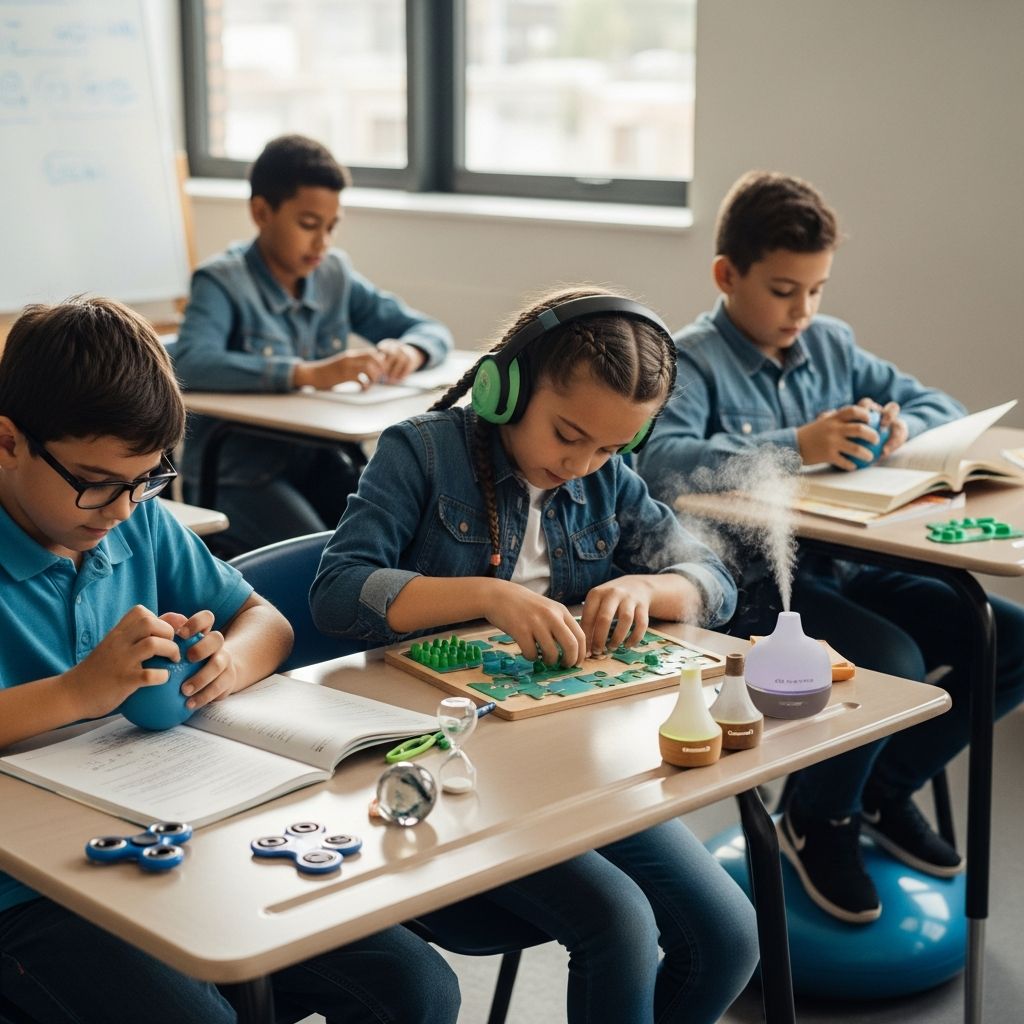
Sensory integration strategies offer a powerful way to help students maintain concentration and thrive in school by addressing how their brains process sensory information like touch, movement, sound, and balance. These approaches create supportive learning spaces that benefit everyone, especially those with sensory processing challenges, leading to better attention and reduced disruptions.
Understanding Sensory Processing in Learning Environments
The brain constantly receives sensory inputs from the environment, and effective sensory integration allows students to organize these inputs for optimal learning. When sensory processing works smoothly, children can ignore distractions, focus on lessons, and participate actively. Disruptions in this process, common in conditions like ADHD or autism, can lead to fidgeting, anxiety, or withdrawal, hindering academic progress.
In classrooms, sensory-friendly practices help students filter irrelevant stimuli, improving their ability to concentrate on teachers’ instructions amid background noise or visual clutter. Research highlights that sensory-rich activities enhance cognitive functions by promoting neural connections essential for attention and problem-solving.
Key Benefits of Sensory Integration for Student Success
Implementing sensory strategies yields measurable improvements across multiple areas of child development. Here’s a breakdown of the primary advantages:
- Improved Attention and Concentration: Sensory activities help students regulate arousal levels, making it easier to sustain focus during tasks. Studies show classrooms with sensory tools see up to 35% better task completion rates for students with ADHD.
- Enhanced Emotional Regulation: Tactile and movement-based experiences provide outlets for stress, fostering resilience and empathy. This creates a calmer classroom dynamic with fewer emotional outbursts.
- Better Motor Skill Development: Activities targeting proprioception—awareness of body position—strengthen coordination, handwriting, and physical confidence, which support seated learning.
- Reduced Behavioral Issues: Sensory access points like calming corners decrease meltdowns and disruptions, benefiting the entire class.
- Inclusive Learning for All: These tools extend advantages to neurotypical students, promoting equity and a positive school culture aligned with diversity initiatives.
Creating Sensory-Supportive Classroom Spaces
Transform ordinary classrooms into sensory havens with dedicated zones. A sensory corner equipped with soft seating, fidget tools, and textured items serves as a quick recharge spot, helping overstimulated students reset without leaving the room. These mini-oases reduce noise and provide tactile comfort, essential for maintaining group harmony.
For larger setups, consider multi-sensory environments (MSEs) with elements like bubble tubes for visual calm or balance beams for motor challenges. Such spaces not only aid neurodiverse learners but elevate focus and creativity for all, as sensory regulation sharpens cognitive receptivity.
Daily Sensory Activities to Embed in Schedules
Integrate short, targeted activities throughout the school day to prevent sensory overload. These breaks act as resets, boosting readiness for academic work.
Proprioceptive Exercises for Body Awareness
Heavy work activities like wall pushes, chair squeezes, or carrying weighted bags activate muscles and joints, grounding students. Perform these for 2-5 minutes before seated tasks to enhance posture and attention.
Vestibular Movements for Balance and Calm
Incorporate spinning on swivel chairs, gentle rocking, or jumping jacks. These stimulate the inner ear’s balance system, helping hyperactive students channel energy productively.
Tactile Explorations for Fine Motor Focus
Set up bins with rice, slime, or therapy putty for hand-strengthening play. Pair with math manipulatives to blend sensory input with learning objectives.
Auditory and Visual Calming Techniques
Use noise-cancelling headphones or dimmable lights during transitions. Soft music or visual timers signal breaks, easing anxiety.
Schedule these in a rotating system: 10-minute morning proprioceptive session, mid-morning movement break, and afternoon tactile zone access. Adapt based on class needs for maximum impact.
Practical Implementation Guide for Educators
Start small to build buy-in. Survey students on preferred sensory inputs, then stock low-cost tools like stress balls or resistance bands. Train aides to monitor usage and track improvements via simple logs of focus duration or incident rates.
Collaborate with occupational therapists for tailored plans, especially for students with IEPs. Professional input ensures activities align with therapeutic goals, amplifying benefits.
Parental involvement extends gains homeward—share activity ideas for evenings, reinforcing school habits.
Evidence from Research and Real-World Applications
Peer-reviewed studies affirm sensory integration’s efficacy. For instance, occupational therapy programs report gains in attention and self-regulation through structured sensory play.
In inclusive settings, sensory supports improve social interactions and academic performance across abilities, as seen in schools with dedicated sensory rooms showing decreased behavioral incidents.
Overcoming Common Challenges in Sensory Integration
Limited space? Use portable kits or wall-mounted tools. Budget constraints? Opt for DIY options like textured wall panels from recyclables. Resistance from administration? Pilot a single class and share data on improved outcomes to advocate for expansion.
Monitor for overuse—balance is key to avoid dependency. Regular feedback loops ensure strategies evolve with student needs.
FAQs on Sensory Integration in Schools
What is sensory integration?
It refers to the neurological process of organizing sensory information for use in daily activities, crucial for focus and behavior.
Who benefits most from these activities?
All students, particularly those with ADHD, autism, or sensory processing disorder, but neurotypical peers gain enhanced regulation too.
How often should sensory breaks occur?
Every 20-30 minutes for short bursts, adjusted per age and needs.
Can parents replicate these at home?
Yes, with household items like playdough or obstacle courses for consistent support.
What results can be expected?
Typically, better focus, fewer disruptions, and higher engagement within weeks.
Long-Term Impact on Academic Trajectories
Consistent sensory support builds lifelong skills like self-advocacy and resilience. Students internalize regulation techniques, leading to sustained academic growth and positive social outcomes. Schools adopting these practices report stronger teacher retention and family satisfaction, creating thriving educational ecosystems.
By prioritizing sensory health, educators unlock each child’s potential, turning potential distractions into pathways for excellence.
References
- The Crucial Role of Sensory Integration and Play in Classroom Learning — Mama It Takes a Village. 2023. https://www.mamaittakesavillage.com/post/the-crucial-role-of-sensory-integration-and-play-in-classroom-learning
- Enhancing Sensory Integration in Schools: A Unified Approach — Sensory Integration Education. 2024. https://www.sensoryintegrationeducation.com/pages/news-enhancing-sensory-integration-in-schools-a-unified-approach
- The Benefits of Sensory-Friendly Learning Environments — Heartwise Support. 2023. https://www.heartwisesupport.org/post/the-benefits-of-sensory-friendly-learning-environments-in-educational-assistance-programs
- Special Report: The Rise of Sensory Integration Therapy in Classrooms — Achieve Psychology. 2024. https://www.achievepsychology.org/post/special-report-the-rise-of-sensory-integration-therapy-in-classrooms
- The Importance of Sensory Integration — TheraYouth Foundation. 2023. https://therayouth.org/the-importance-of-sensory-integration/
- Sensory Support in the Inclusive Classroom — Austills. 2024. https://austills.com/sensory-support-in-the-inclusive-classroom-what-works-and-why/
- Sensory Integration Therapy’s Role in Occupational Therapy — Salt Lake Community Health Centers (slchc.edu). 2023. http://slchc.edu/occupational-therapy/role-of-occupational-therapy/sensory-integration-therapys-role-in-occupational-therapy/

Medha Deb is an editor with a master's degree in Applied Linguistics from the University of Hyderabad. She believes that her qualification has helped her develop a deep understanding of language and its application in various contexts. Medha specializes in the areas of beauty, health, sports, and wellness and is committed to ensuring that the content on the website is…