
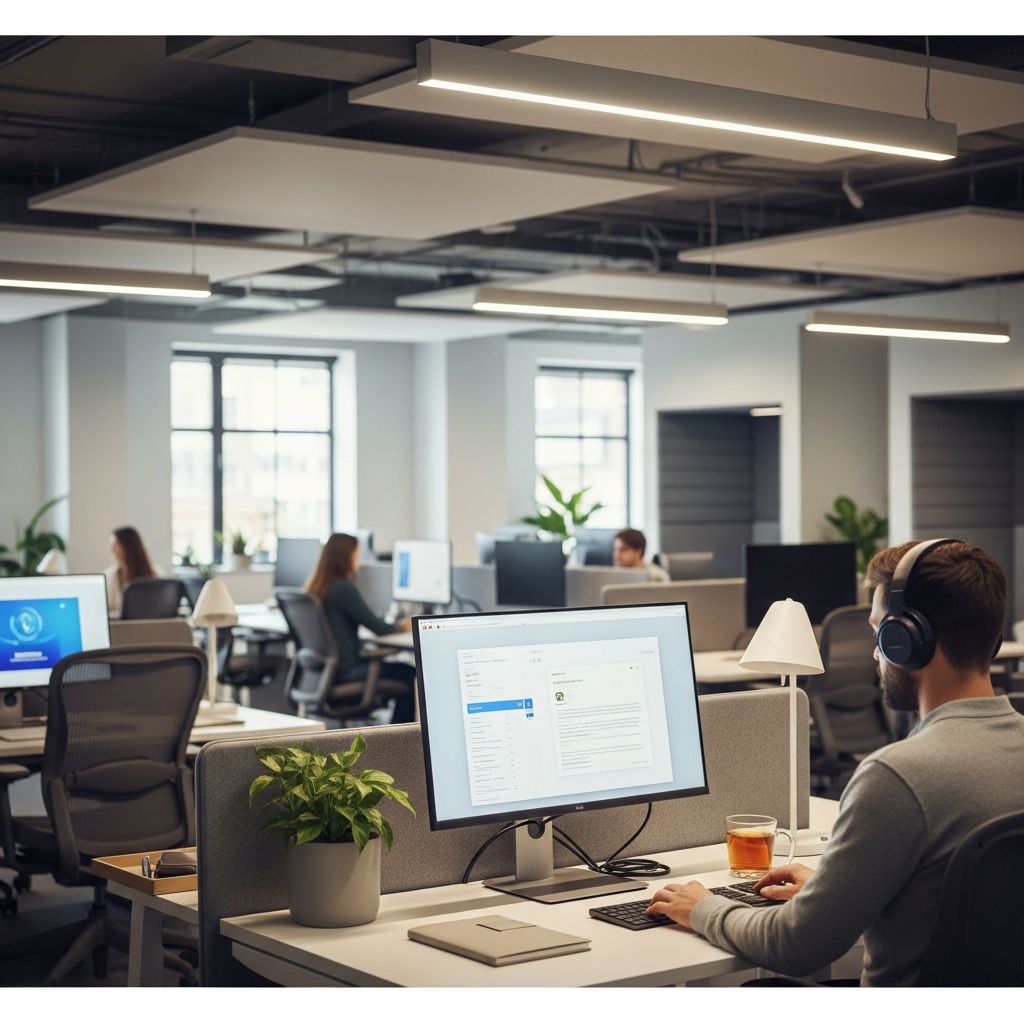
Open-plan offices, constant notifications, tight deadlines, and back-to-back meetings make many workplaces rich in stimuli. For some people, this environment fuels energy. For others, it quickly leads to sensory overload and a feeling of being unable to cope. Understanding overstimulation is essential if you want to protect wellbeing and sustain high-quality work over time.
What Is Sensory Overload at Work?
Sensory overload, sometimes called overstimulation, occurs when your brain receives more input from your senses than it can effectively process at once. You may feel flooded by sounds, sights, smells, or information and experience an urgent need to withdraw or escape the situation.
Clinical and psychological sources describe sensory overload as a response to excessive environmental or informational input that overwhelms the nervous system. In the workplace, this can include:
- Continuous background noise from conversations, phones, or equipment
- Bright or flickering lighting, multiple screens, and visual clutter
- Rapid-fire messages, alerts, and emails competing for attention
- Social demands, such as frequent interruptions or crowded meetings
Anyone can experience sensory overload occasionally, but it is more common in people with conditions such as autism, ADHD, anxiety disorders, PTSD, or chronic stress.
Common Workplace Triggers of Overstimulation
Overstimulation is rarely caused by one single factor. It usually arises when several triggers stack on top of each other during the day.
Environmental and Sensory Triggers
- Noise: Phones ringing, office chatter, HVAC systems, or street noise can add up to a constant background hum. Research links growing noise levels to reduced attention and increased cognitive workload at work.
- Lighting: Bright fluorescent lights, glare on screens, or flickering bulbs can create visual strain and headaches, especially for people with high sensory sensitivity.
- Visual clutter: Crowded open-plan spaces, messy desks, and multiple open windows on screens compete for attention and make it harder to focus.
- Uncomfortable physical sensations: Scratchy fabrics, temperature extremes, or cramped seating can add to sensory stress.
Digital and Information Overload
- Constant connectivity: Email, chat apps, project management tools, and collaboration platforms generate a near-continuous flow of pings and alerts.
- Multitasking expectations: Switching rapidly between tasks, tools, and conversations taxes working memory and increases mental fatigue.
- Screen time: Prolonged screen use is associated with eyestrain, headaches, and cognitive fatigue, especially when combined with other stressors.
Social and Emotional Factors
- Crowded or high-contact roles: Customer-facing jobs, shared workspaces, and frequent meetings can be draining, especially for introverts or those with social anxiety.
- Performance pressure: Tight deadlines, complex tasks, and fear of failure can amplify sensitivity to noise and other stimuli.
- Major life stressors: Financial worries, relationship difficulties, or health concerns can lower overall resilience, making everyday stimuli more overwhelming.
Recognizing the Signs: How Sensory Overload Feels
Sensory overload can affect the body, emotions, and thinking at the same time. Recognizing early signs helps you intervene before you hit a breaking point.
| Domain | Typical Signs | How It Shows Up at Work |
|---|---|---|
| Physical | Headaches, nausea, sweating, rapid heartbeat, dizziness, muscle tension, fatigue | Feeling drained by mid-morning, frequent need to rub eyes or temples, restlessness in meetings |
| Emotional | Irritability, anxiety, feeling on edge or tearful, urge to escape | Snapping at colleagues, wanting to cancel meetings, feeling overwhelmed by small tasks |
| Cognitive | Difficulty concentrating, confusion, memory issues, decision-making problems | Rereading the same email, forgetting simple steps, struggling to prioritize work |
| Behavioral | Withdrawing, procrastinating, avoidance, impulsive reactions | Hiding in a meeting room, delaying phone calls, walking away from noisy areas |
Not everyone experiences all these signs, and some people may mask their discomfort. However, any recurring pattern of feeling overwhelmed by everyday stimuli is a signal to pay attention.
Why Overstimulation Matters for Health and Performance
Short bursts of stimulation can be energizing. The problem arises when the nervous system rarely gets a chance to reset. Over time, chronic overstimulation keeps the body in a state of elevated stress, with consequences for both health and work quality.
- Stress and anxiety: Persistent sensory stress can increase overall anxiety and contribute to burnout and depression.
- Cognitive fatigue: Overloaded attention systems reduce capacity for deep work, complex problem-solving, and learning.
- Physical health risks: Chronic stress is linked to elevated cortisol, higher risk of heart disease, headaches, and digestive issues.
- Workplace impact: Errors, slower reaction times, interpersonal conflicts, and disengagement can all rise when people operate in a constant state of overload.
Immediate Strategies to Calm Overstimulation
When you notice early warning signs—irritability, restlessness, or trouble focusing—small, timely interventions can prevent escalation into a full shutdown or panic response.
Reset Your Senses
- Change your environment: Step into a quiet room, stairwell, or outside space for a few minutes to reduce noise and visual input.
- Soften the sound: Use noise-cancelling headphones or play gentle background sounds (such as white noise or soft instrumental music) if allowed.
- Adjust lighting: Dim your monitor, turn off overhead lights if possible, or shift to a seat with less glare.
Use the Body to Signal Safety
The nervous system often responds well to simple, physical techniques that activate the body’s calming response.
- Slow breathing: Inhale gently through the nose for four counts, exhale through the mouth for six to eight counts for one to three minutes to reduce fight-or-flight activation.
- Grounding: Notice five things you can see, four you can feel, three you can hear, two you can smell, and one you can taste to reorient attention.
- Release tension: Briefly stretch the neck, shoulders, and jaw; shake out arms and hands to discharge muscle tension.
Pause the Information Flow
- Silence notifications for a timed period (for example, 15 or 25 minutes) while you restore focus.
- Limit inputs: Close nonessential browser tabs and apps; focus on one task or document at a time.
- Use micro-breaks: Look away from the screen every 20 minutes and focus on a distant point to give your eyes and mind a brief rest.
Long-Term Habits to Reduce Overload
While quick techniques help in the moment, sustainable change comes from reshaping your workday and environment to match how your brain works best.
Design Your Workday Intentionally
- Time-block deep work: Reserve specific blocks of time for focused tasks with minimal interruptions. Let colleagues know when you are not immediately available unless something is urgent.
- Cluster meetings: Where possible, group meetings together so you also have uninterrupted stretches of quiet time.
- Set communication windows: Check email and chats at predefined intervals instead of responding instantly to every message.
Optimize Your Physical Environment
- Create a sensory-friendly workspace: Adjust monitor brightness, use blinds or screen filters, and choose ergonomic equipment that minimizes physical discomfort.
- Reduce clutter: Keep your primary workspace visually simple to limit distracting stimuli.
- Use zoning where possible: If your office has quiet areas, focus work there; use more stimulating spaces (like common areas) for collaborative work.
Strengthen Personal Resilience
- Sleep and recovery: Sufficient sleep improves the brain’s ability to filter stimuli and regulate emotions.
- Movement: Regular physical activity is associated with reduced stress and better cognitive performance, which can buffer the impact of sensory demands.
- Mindfulness or relaxation practices: Techniques such as meditation, progressive muscle relaxation, or yoga can help recalibrate the nervous system’s baseline level of arousal.
Inclusive Approaches for Neurodivergent and Sensitive Employees
People with autism, ADHD, PTSD, or anxiety-related conditions often experience heightened sensitivity to sensory input. However, adjustments that help them typically benefit the whole workforce.
Reasonable Adjustments Individuals Can Request
- Alternative seating in quieter or less crowded areas
- Flexible work arrangements, such as partial remote work or staggered hours to avoid peak noise times
- Assistive tools such as noise-cancelling headphones, screen filters, or written communication in place of frequent ad hoc meetings
- Clear communication norms, like structured agendas, summaries after meetings, and advance notice of major changes where possible
How Managers Can Support
- Normalize conversations about sensory needs so employees feel safe disclosing challenges and requesting adjustments.
- Offer multiple work settings (quiet spaces, collaboration zones, private rooms) and encourage people to choose the environment that fits their task.
- Review demands and pacing: Tackle chronic overload by examining workload, deadlines, and meeting volume rather than only focusing on individual coping skills.
Organizational Practices to Reduce Overstimulation
Organizations that design work with sensory health in mind can improve performance, reduce turnover, and support mental wellbeing across the board.
Rethinking Space and Design
- Provide quiet rooms for heads-down work, calls, or decompression.
- Manage acoustics through sound-absorbing materials, partitions, or designated quiet zones to limit noise spillover.
- Use adjustable lighting and give employees some control over brightness and glare.
Setting Healthier Communication Norms
- Encourage asynchronous work where possible instead of expecting instant replies to every message.
- Limit unnecessary meetings and ensure that those that remain are purposeful, time-bound, and structured.
- Clarify response expectations so employees know when something is truly urgent versus when a response later in the day is acceptable.
Investing in Education and Support
- Training for managers on recognizing signs of sensory overload and responding constructively.
- Employee assistance programs or access to mental health professionals familiar with overstimulation, anxiety, and neurodivergence.
- Regular feedback loops (surveys, focus groups, 1:1s) to understand which aspects of the environment are most challenging and which changes would help.
When to Seek Professional Help
Occasional overstimulation is part of modern life. But when the experience becomes frequent, intense, or disruptive, professional support can be valuable.
- Your reactions feel out of proportion to the situation and are hard to control.
- You experience panic attacks, severe anxiety, or shutdowns at work.
- Symptoms such as headaches, insomnia, or digestive issues persist despite lifestyle changes.
- Your ability to function at work or in relationships is clearly affected.
Healthcare professionals, such as primary care physicians, psychologists, or occupational therapists, can help rule out medical conditions, identify related disorders (such as anxiety or ADHD), and suggest effective treatment and coping strategies.
Frequently Asked Questions (FAQs)
Q: Is sensory overload the same as stress?
A: They are related but not identical. Sensory overload specifically refers to being overwhelmed by inputs to the senses and information, whereas stress can come from many sources, including thoughts, responsibilities, or life events. However, prolonged sensory overload can significantly increase stress levels and contribute to anxiety and burnout.
Q: Can people without a diagnosed condition still experience overstimulation?
A: Yes. While people with conditions such as autism, ADHD, or PTSD may be more prone to sensory overload, anyone can feel overwhelmed in highly stimulating environments, especially when tired, stressed, or run down.
Q: How can I talk to my manager about sensory overload?
A: Focus on how specific adjustments would help you do your best work. For example, you might explain that having a few hours of quiet time each morning or using noise-cancelling headphones would improve your concentration and reduce errors. If comfortable, you can share that certain environments or stimuli are particularly challenging for you and suggest practical solutions.
Q: Are remote workers protected from sensory overload?
A: Working remotely can reduce some triggers (like office noise and commuting) but introduce others, such as blurred work–life boundaries, more screen time, and continuous digital communication. Remote workers may still need to manage notifications, schedule breaks, and design a home workspace that supports their sensory needs.
Q: What is one small change I can make today?
A: Choose a short block of time—such as 25 minutes—during which you silence nonessential notifications, close extra tabs, and work on a single task in the quietest space available. Notice how your body and focus feel afterward, and use that feedback to plan more protective blocks in your schedule.
References
- Overstimulation: Symptoms, causes, and how to manage it — therapist.com Editorial Team. 2023-05-10. https://therapist.com/brain-and-body/overstimulation/
- Sensory Overload: Symptoms, Causes, Related Conditions, and More — Healthline Media. 2023-02-07. https://www.healthline.com/health/sensory-overload
- Overstimulation and anxiety: Causes and solutions — Providence Health & Services. 2022-08-15. https://blog.providence.org/blog/overstimulation-and-anxiety-causes-and-solutions
- Overstimulation: Signs, Causes, and How to Get Relief — Thriveworks. 2023-06-01. https://thriveworks.com/help-with/stress/what-is-overstimulation
- Sensory overload: Symptoms, causes, and treatment — Medical News Today. 2020-07-29. https://www.medicalnewstoday.com/articles/sensory-overload

Medha Deb is an editor with a master's degree in Applied Linguistics from the University of Hyderabad. She believes that her qualification has helped her develop a deep understanding of language and its application in various contexts. Medha specializes in the areas of beauty, health, sports, and wellness and is committed to ensuring that the content on the website is…