
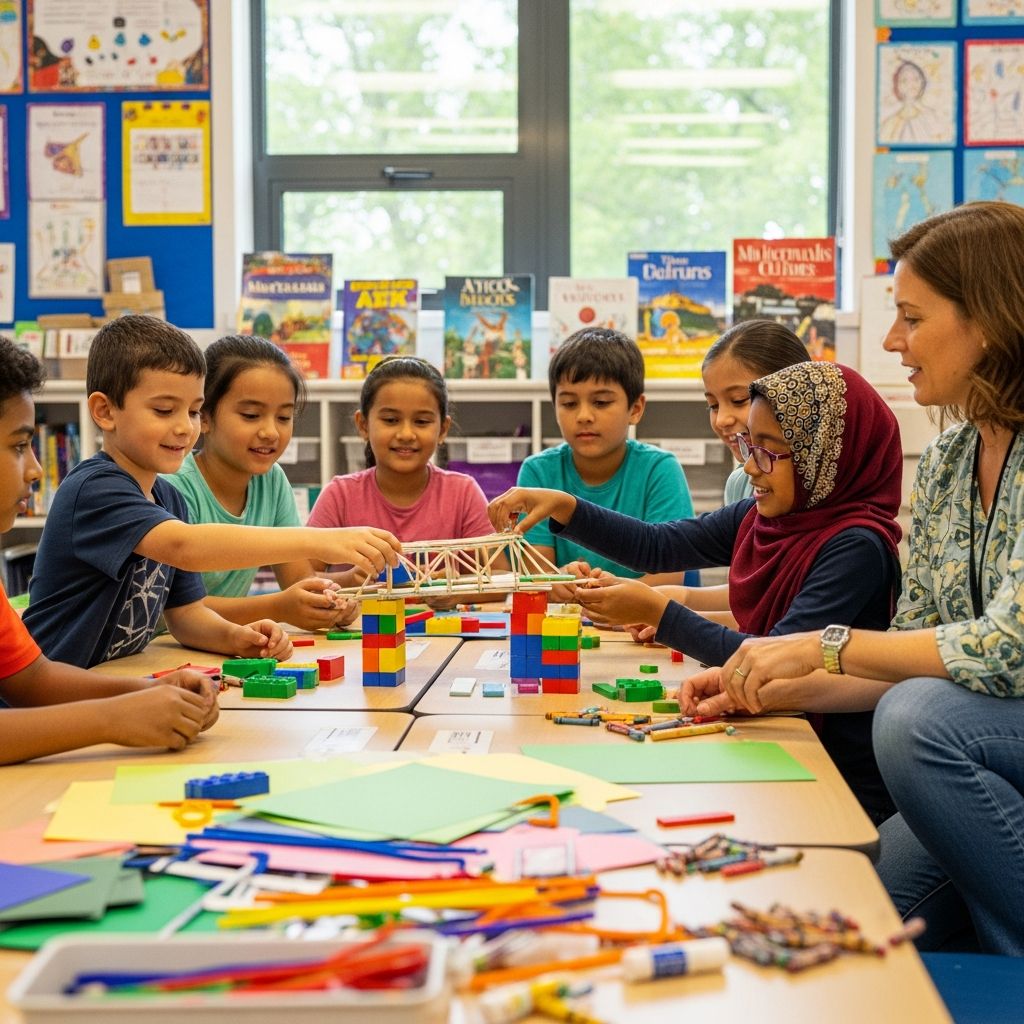
Understanding the Shared Responsibility in Inclusive Education
The modern classroom is increasingly diverse, with students of varying abilities, learning styles, and support needs learning side by side. When a student with an Individualized Education Program (IEP) or a 504 plan enters a general education classroom, this represents far more than just physical placement in a space. It signals a fundamental shift in how education professionals view their roles and responsibilities. Both general education teachers and special education teachers share a critical responsibility for ensuring these students thrive academically and socially. This shared mission requires clarity about expectations, mutual respect for expertise, and intentional collaboration that goes beyond occasional check-ins or emails.
The Reality of Special Education Teacher Workload and Expertise
One significant misconception that general education teachers often hold is that special educators have easier jobs because they work with smaller groups of students or have additional support staff in their classrooms. The presence of paraprofessionals, teaching assistants, or other adults in a special education setting can create a visual impression of reduced responsibility. However, this perception fundamentally misunderstands the complexity and demands of special education instruction. Special educators manage multiple layers of administrative, instructional, and behavioral responsibilities simultaneously.
Behind the scenes, special education teachers engage in comprehensive data collection processes. Every interaction, observation, and academic moment is carefully documented to track student progress toward IEP goals. They develop alternative curricula tailored to individual student needs, design specialized instructional strategies, and continuously differentiate lessons to address the specific learning profile of each student. Additionally, special educators often supervise and mentor the paraprofessionals in their rooms, ensuring these support staff implement strategies with fidelity and consistency. This supervisory role adds another significant dimension to their workday.
The emotional labor of special education teaching also deserves recognition. These educators work with students who often experience frustration, struggle with self-advocacy, or face social challenges. Building relationships with students who may have experienced repeated academic failure requires patience, creativity, and deep emotional investment. Recognizing this reality helps general educators appreciate the expertise their special education colleagues bring to the school community.
Information Access: A Critical Foundation for Collaboration
Research demonstrates consistently that when teachers lack access to essential information about their students, supporting those students effectively becomes nearly impossible. Many general education teachers begin a school year without clear knowledge of which students in their classroom have IEPs or 504 plans. This represents a significant barrier to providing appropriate support and accommodations from day one. When information systems fail to communicate critical student data to all relevant educators in a timely manner, the responsibility for remembering and communicating these details falls disproportionately on special educators.
Special education has increasingly become a data management challenge for schools. While comprehensive documentation ensures legal compliance and tracks student progress, the practical reality of getting this information into the hands of general educators at the right time remains problematic in many districts. When general educators finally discover that a student they have been teaching for weeks has significant learning differences, valuable instructional time has already been lost. The student may have fallen further behind or developed negative self-perceptions about their abilities in that subject.
Establishing systems that ensure all classroom teachers receive relevant, accessible information about student needs early in the school year represents a foundational step toward true collaboration. This might include summary documents highlighting key accommodations, learning profiles, communication preferences, or behavioral strategies. When general educators have this information readily available, they can immediately begin implementing appropriate supports rather than waiting for guidance from special educators.
Accommodations Are Legal Commitments, Not Suggestions
An IEP or 504 plan constitutes a legal document that outlines specific accommodations and modifications a student requires. These are not suggestions, preferences, or nice-to-haves that teachers can selectively implement based on their comfort level or availability. They represent a legal agreement between the school and the student’s family about the support the student will receive. When general educators decline to implement specified accommodations because they seem unnecessary, impractical, or inconsistent with classroom procedures, they effectively deny the student access to their education.
Some general educators may view certain accommodations as providing unfair advantages or may worry about lowering standards for students with disabilities. Understanding the actual purpose of accommodations resolves this concern. Accommodations do not lower standards or make tasks easier; they remove barriers to demonstrating knowledge or skills. For example, providing extra time on a test for a student with processing differences does not make the test easier. Instead, it removes the barrier of time pressure that prevents the student from showing what they actually know. Similarly, allowing a student to take a test in a separate, quiet location does not make the test easier; it removes environmental distractions that impede the student’s ability to focus.
Both general and special education teachers must recognize that implementing IEP accommodations represents a non-negotiable professional and legal obligation. These accommodations exist because assessment data indicates they are necessary for the student to access grade-level curriculum on equal footing with peers.
High Expectations Apply to All Learners
A counterintuitive reality in education is that students with disabilities often benefit from receiving high expectations rather than lowered ones. Many general educators, working from a place of sympathy or caution, may reduce academic demands for students with disabilities. While this approach may feel compassionate, it often results in students falling further behind their peers. By upper elementary years, students who have received consistently reduced academic expectations may fall years behind their classmates, making catching up increasingly difficult.
Learning disabilities typically affect specific academic areas rather than overall intellectual capacity. A student with a reading disability may struggle with decoding and fluency but possess strong reasoning abilities, math skills, or creative thinking. A student with a writing disorder may have brilliant ideas and strong verbal communication but struggle to get those thoughts onto paper. When educators reduce expectations across all academic areas based on one documented disability, they deny students opportunities to develop their strengths and interests.
General educators should communicate with special educators about appropriate academic goals and expectations. These conversations should explore which areas warrant specialized instruction or alternative approaches while maintaining rigorous expectations in areas where the student can succeed at grade level. This balanced approach supports both skill development and academic confidence.
Shared Ownership of Student Success
When a student with an IEP spends any portion of the day in a general education classroom, that student becomes the responsibility of the general educator, not merely the special educator’s responsibility. The phrase “our student” reflects a critical mindset shift. Students belong to the school community and to every teacher who instructs them. Both the general educator and special educator share accountability for the student’s academic progress, social development, and sense of belonging in the classroom.
This shared ownership has practical implications. It means including students with disabilities in classroom celebrations, class communications, and community-building activities. It means considering their needs when planning group work, field trips, or classroom routines. It means genuinely welcoming them as members of the classroom community rather than viewing them as additional students that general educators must accommodate. Students keenly perceive whether they are valued members of their classroom or whether they are tolerated additions. Creating genuine inclusion requires intentional effort to communicate belonging.
Parents of students with disabilities also deserve the same level of communication and involvement as other families. They want to hear about their child’s classroom experiences, accomplishments, and challenges. Including them in regular classroom communications, celebration announcements, and progress updates reinforces the message that their child is a valued member of the class.
Effective Collaboration Requires Intentional Systems
Research consistently demonstrates that teacher collaboration leads to improved student outcomes. When general educators and special educators work together regularly and systematically, students benefit from coordinated instruction, consistent reinforcement of strategies, and more comprehensive understanding of student needs. However, effective collaboration does not happen automatically. It requires intentional systems, protected time, and clear communication channels.
In some schools, co-teaching models demonstrate this collaboration in action. When general and special educators plan lessons together, deliver instruction jointly, and share responsibility for all students in the classroom, both educators bring their expertise to bear. The general educator contributes knowledge of grade-level content and classroom management for large groups. The special educator contributes expertise in differentiation, alternative instructional strategies, and individualized supports. Students benefit from having two professionals available to address their needs.
Beyond formal co-teaching, schools should establish systems for regular collaboration including common planning time, shared data management systems, and established communication protocols. When teachers can easily access and contribute information about student progress, they can collectively implement evidence-based strategies rather than working in isolation. This collaborative approach means general educators no longer need to depend entirely on special educators to keep them informed; instead, teachers collectively maintain updated knowledge about what works for each student.
Understanding Learning Differences Through Experiential Perspective
Most general educators experienced relative success in school, which can create a knowledge gap regarding what struggling learners actually experience. Empathy for student challenges increases significantly when educators understand learning differences from an experiential perspective rather than merely an intellectual one. Several resources exist that allow teachers to experience common struggles their students face, such as auditory processing difficulties or visual tracking challenges. These experiences build genuine understanding that informs how teachers interact with and support students with disabilities.
When a general educator understands how frustrating it feels to follow complex directions they cannot adequately process, they gain insight into why a student with auditory processing difficulties may struggle during whole-class instruction. When they experience the challenge of keeping place while reading text, they better understand dyslexia. These experiential understandings translate into increased patience, more thoughtful instruction design, and deeper appreciation for the effort students with disabilities exert to navigate academic tasks.
Specialized Instruction and Alternative Curriculum Are Essential, Not Supplementary
Special educators do not engage in busywork or fill time with less rigorous activities. Instead, they implement specialized instruction targeting specific skill deficits and teach functional life skills that increase student independence. Students receiving special education may work on foundational skills while grade-level students move forward. This represents appropriate differentiation, not lowered expectations, because it meets students where they are and moves them forward from that point.
Alternative curriculum serves a critical purpose in ensuring all students have access to meaningful, appropriate instruction. A student working significantly below grade level cannot benefit from unmodified grade-level curriculum no matter how many accommodations are provided. Alternative curriculum, carefully designed to address specific student needs while maintaining rigor and challenge, allows these students to engage in authentic learning. Understanding this distinction helps general educators recognize special educators’ work as essential instruction rather than alternative activities.
Frequently Asked Questions
Q: What is the difference between an IEP and a 504 plan?
A: Both documents provide accommodations for students with disabilities, but IEPs provide special education services and instruction, while 504 plans provide accommodations to access general education curriculum without special education services. Both are legal documents.
Q: How much time should I spend collaborating with special educators?
A: Ideally, schools should provide regular common planning time for teachers instructing the same students. Even brief weekly check-ins significantly improve coordination and communication compared to ad hoc collaboration.
Q: Can I modify a student’s IEP accommodations if I think they’re unnecessary?
A: No. IEP accommodations are legal requirements. If you believe an accommodation is ineffective, the appropriate step is to discuss concerns with the special educator and IEP team, not to unilaterally stop providing the accommodation.
Q: What should I do if a student with disabilities is struggling in my class?
A: Reach out to the special educator promptly. Communicate specific concerns, review current data, and problem-solve together about whether current strategies are effective or if adjustments are needed.
Q: How can I make students with disabilities feel genuinely included in my classroom?
A: Include them in group work, class celebrations, and social activities. Communicate with their families as regularly as other families. Facilitate peer connections and friendships. Model that they are valued members of the classroom community.
Building a Culture of Mutual Respect and Partnership
The foundation for genuine collaboration between general and special educators rests on mutual respect, recognition of shared expertise, and commitment to student success. When general educators appreciate the complexity of special education work, understand the legal and ethical importance of accommodations, and genuinely welcome students with disabilities into their classrooms, inclusive education becomes a reality rather than a legal requirement that schools merely tolerate. Similarly, when special educators share their expertise generously, celebrate general educators’ efforts to support students with disabilities, and position collaboration as a shared mission rather than a burden on general educators, partnerships flourish.
The goal of education is to ensure all students graduate prepared for success. Students with disabilities deserve to be taught by educators who understand their needs, believe in their capabilities, and work collaboratively to remove barriers to their learning. This inclusive vision requires intentional effort, clear systems, and genuine partnership between all educators in the school. When these elements align, students benefit immeasurably from increased support, coordinated instruction, and the powerful message that they truly belong in their school community.
References
- What Every Teacher Needs to Know: Special Education for General Education Teams — Education Modified. 2023-08-14. https://educationmodified.com/2023/08/14/what-every-teacher-needs-to-know-special-education-for-general-education-teams/
- An Open Letter from a Special Education Teacher to a General Education Teacher — The Autism Helper. https://theautismhelper.com/open-letter-special-education-teacher-gen-ed-teacher/
- 8 Things Your Special Education Teacher Wishes You Knew — The Primary Gal. 2016-06-01. https://theprimarygal.com/2016/06/dear-general-education-teacher.html
- Things Special Education Teachers Wish Other Teachers Knew — Mrs. D’s Corner. https://www.mrsdscorner.com/things-special-ed-teacher-wish-other-teachers-knew/

- Integrated M.A. in Applied Linguistics, University of Hyderabad
- 5+ years in editorial, instructional, SEO, and research-based writing
Sneha is a relationships and lifestyle writer with a strong foundation in applied linguistics and certified training in relationship coaching. She brings over five years of writing experience to theskillvault, crafting thoughtful, research-driven content that empowers readers to build healthier relationships, boost emotional well-being, and embrace holistic living. Her writing and insights reflect the belief that beauty, happiness, and wellness…