
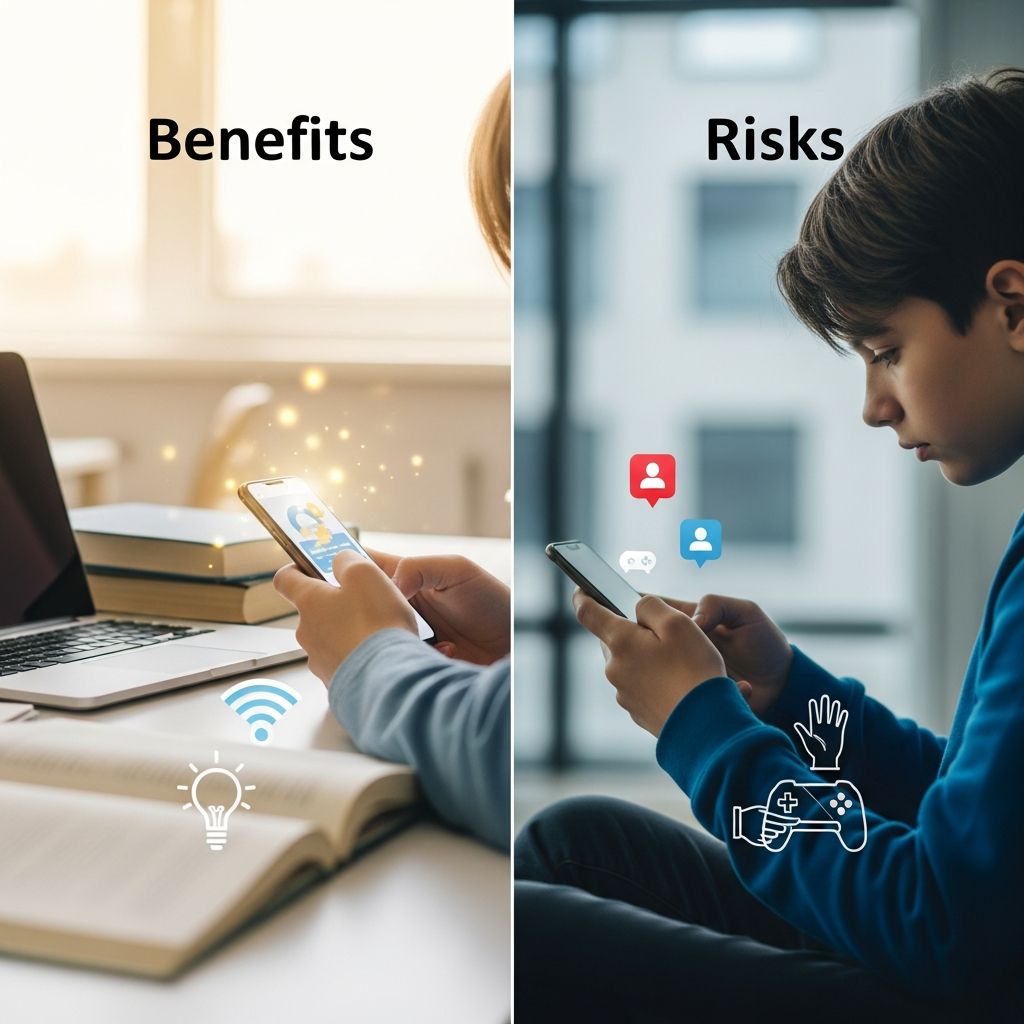
Cell phones have become ubiquitous among students, sparking intense debate in educational circles about their place in classrooms. While some view them as powerful tools for learning and safety, others see them as major distractions that hinder academic performance. This article delves into the key arguments, examines global trends, and proposes practical solutions for schools navigating this complex issue.
The Growing Presence of Smartphones Among Students
Smartphones are now a standard possession for most teenagers. Surveys indicate that nearly all U.S. high school students own one, integrating these devices deeply into their daily lives. This prevalence forces schools to confront the reality: outright bans may be impractical, yet unchecked use can disrupt learning environments. Understanding this context is crucial for developing policies that align with modern student needs.
Key Advantages of Permitting Cell Phones
Advocates for allowing cell phones highlight several compelling benefits that extend beyond mere convenience.
- Enhanced Safety and Communication: Parents often prioritize the ability to contact their children during school hours, especially in emergencies or for after-school arrangements. One parent noted providing a phone for sports activities, offering peace of mind.
- Educational Tools: Devices enable quick access to information, calendars for homework reminders, and collaborative group work. Students report feeling their phones aid academic success through connectivity and resources.
- Digital Literacy Development: Structured use teaches responsible digital citizenship, setting boundaries for screen time that students carry into adulthood.
These advantages position cell phones as potential assets when managed properly, fostering skills essential for a tech-driven world.
Significant Drawbacks and Classroom Disruptions
Despite the upsides, opponents emphasize substantial risks backed by research.
- Distraction and Reduced Learning: Students receive hundreds of notifications daily, with many occurring during school. Proximity to phones alone impairs focus across multiple countries.
- Behavioral Issues: Inappropriate use correlates with bullying and disruptions; 29% of UK secondary students report phones misused in most lessons.
- Mental Health Concerns: Excessive screen time links to emotional challenges, multitasking hinders retention as brains aren’t wired for it.
These factors underscore why many educators push for restrictions to safeguard the learning atmosphere.
Global and National Policy Landscape
Schools worldwide adopt varied approaches to cell phone use, reflecting cultural and educational priorities.
| Region/Country | Policy Summary | Outcomes/Notable Details |
|---|---|---|
| United States | 77% of schools ban nonacademic use; Florida mandates classroom bans and social media blocks. | Increased engagement and reduced incidents at Timber Creek High. |
| England | Guidance for full-day bans to curb disruptions. | Targets bullying and boosts learning. |
| France, Italy, Portugal, China | Implemented bans. | Part of broader international trend. |
| Los Angeles USD | Full ban starting 2025 across 427,000+ students. | Aims to protect learning environment. |
These policies show a tilt toward restrictions, with U.S. Department of Education data confirming widespread prohibitions. Local control remains key, as top-down mandates often face enforcement challenges.
Finding the Middle Ground: Effective Management Strategies
Rather than extremes, many experts advocate balanced policies that harness benefits while mitigating risks.
- Clear Guidelines: Designate phone-free zones or times, like classrooms, while allowing use during breaks.[10]
- Tech Integration: Use phones for specific educational tasks, such as research or apps, under supervision.
- Curriculum on Digital Wellness: Teach media literacy and healthy habits alongside restrictions.
- Enforcement Consistency: Written policies communicated to stakeholders, applied fairly.
Schools succeeding with this approach report improved focus without alienating students or parents.
Parental Perspectives and School Partnerships
Parents play a pivotal role, with 46% noting bans in their children’s schools but valuing phones for safety. Collaboration is essential: involving families in policy discussions builds consensus and ensures buy-in. Educators modeling healthy habits further reinforces positive behaviors at home and school.
Age-Appropriate Considerations
Policies should scale with developmental stages. Elementary schools often enforce stricter bans, granting more access in middle and high school where needs like coordination grow. This tiered approach respects maturity levels while addressing safety universally.
Frequently Asked Questions (FAQs)
What are the main benefits of allowing cell phones in school?
They provide safety through emergency communication, serve as learning tools for research and organization, and teach digital citizenship.
Do cell phones really distract students that much?
Yes, studies show students get 237 daily notifications, many during school, and mere presence reduces learning.
Have bans improved school environments?
In places like Florida and England, bans have boosted engagement and cut bullying incidents.
What’s the best way to manage phone use?
Implement clear, consistent policies with digital literacy education and structured allowances.
Should policies differ by grade level?
Yes, stricter for younger students, more flexible for older ones to match developmental needs.
Future Directions for School Technology Policies
As technology evolves, schools must adapt. Emerging tools like managed Wi-Fi and app blockers offer nuanced control. Ongoing research and stakeholder input will refine approaches, ensuring education thrives amid digital integration. The goal: equip students with skills for a connected future without sacrificing foundational learning.
References
- Should Cellphones Be Banned in the Classroom? — North Carolina Journal of Law & Technology. 2024. https://journals.law.unc.edu/ncjolt/blogs/should-cellphones-be-banned-in-the-classroom/
- Cellphones in School: Should It Be Allowed? — Minga. 2024. https://minga.io/blog/why-cellphones-should-be-allowed-in-schools/
- Should cell phones be allowed in school? Pros and cons — Care.com. 2024. https://www.care.com/c/should-cellphones-be-allowed-in-school/
- Cellphones in the Classroom: Should It Be Allowed? — GraduateProgram.org. 2024. https://www.graduateprogram.org/blog/cellphones-in-the-classroom-should-it-be-allowed/
- Cell Phones and School Safety — SchoolSecurity.org. 2024. https://schoolsecurity.org/trends/cell-phones-and-text-messaging-in-schools/
- Parents Want Cellphones in the Classroom. Here’s Why — Education Week. 2024-09. https://www.edweek.org/leadership/parents-want-cellphones-in-the-classroom-heres-why/2024/09
- The debate over cellphone use in schools: pros and cons — Central Rivers AEA. 2024. https://www.centralriversaea.org/news/the-debate-over-cellphone-use-in-schools-pros-and-cons/

Medha Deb is an editor with a master's degree in Applied Linguistics from the University of Hyderabad. She believes that her qualification has helped her develop a deep understanding of language and its application in various contexts. Medha specializes in the areas of beauty, health, sports, and wellness and is committed to ensuring that the content on the website is…