
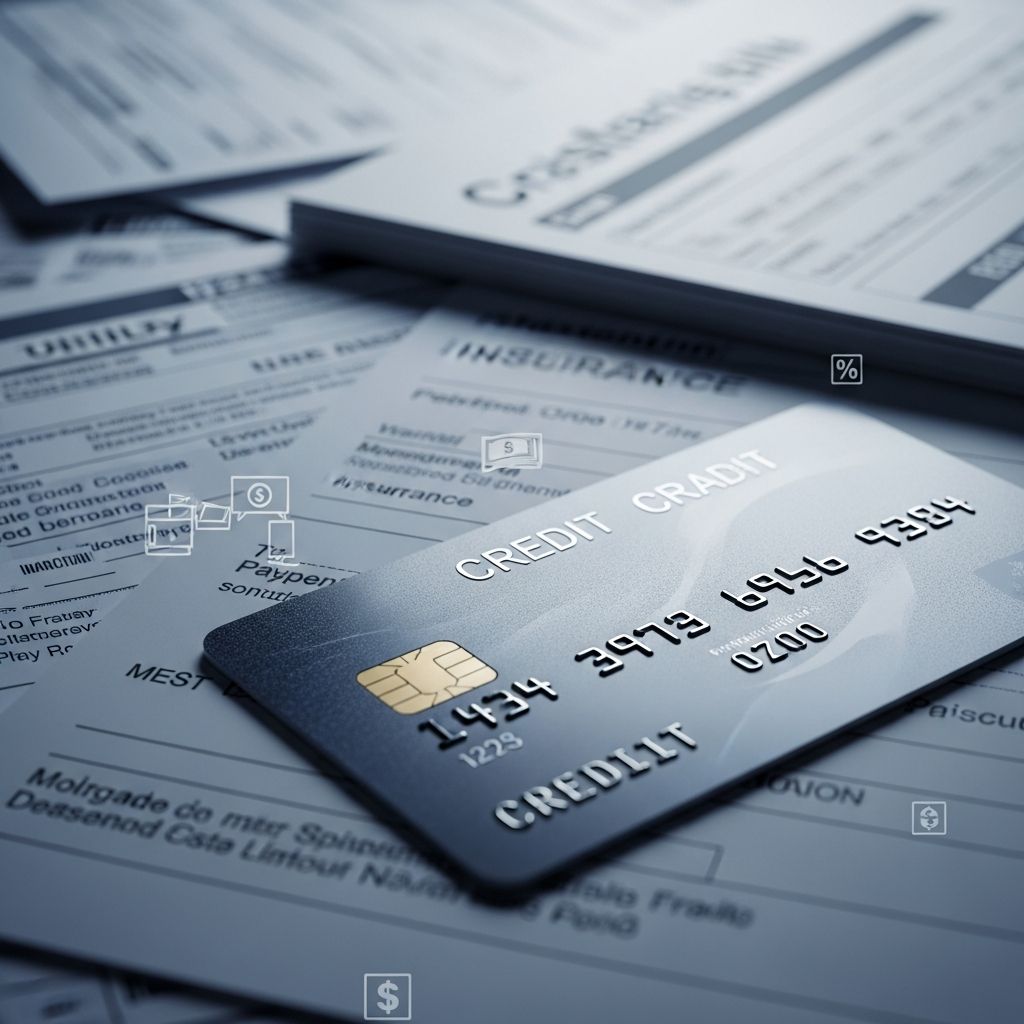
Understanding Credit Cards as Bill Payment Tools
The intersection of bill payments and credit card usage represents a critical decision point for personal finance management. Many consumers wonder whether charging routine monthly expenses to a credit card serves their financial interests or undermines their long-term wealth-building efforts. The answer depends heavily on individual financial discipline, understanding the mechanics involved, and recognizing when this strategy creates value versus when it introduces unnecessary risk.
Credit cards function as more than simple payment instruments; they serve as financial tracking tools, credit-building mechanisms, and potential reward generators. When utilized strategically for bill payments, they can enhance financial standing and create measurable economic benefits. However, without proper planning and execution, the same strategy can accelerate debt accumulation and damage creditworthiness.
The Financial Advantages of Credit Card Bill Payments
Using credit cards for bill payments unlocks several compelling financial benefits that extend beyond simple convenience. Understanding these advantages helps consumers make informed decisions about incorporating this strategy into their broader financial plan.
Streamlining Payment Processing and Timing
One of the most practical benefits involves payment timing and processing speed. When you pay bills through a credit card rather than traditional methods like checks or direct bank transfers, your payment reaches the recipient significantly faster. This acceleration occurs because credit card systems operate on established networks designed for rapid transaction processing. Unlike physical checks that require mailing, delivery, and deposit verification, credit card payments typically post within one to two business days. This expedited processing reduces the risk of late fees caused by mail delays and provides certainty about when your payment will be reflected in the biller’s system.
Establishing Automatic Payment Structures
Many credit card issuers offer automated payment capabilities that transform bill management from a manual task into a background process. Setting up autopay ensures that payments leave your credit card account on predetermined dates, eliminating the possibility of accidentally missing a payment deadline. This automation proves especially valuable for individuals managing multiple bills across various providers. Rather than tracking numerous payment dates and manually initiating transfers, you consolidate responsibility into a single system. The psychological benefit of removing decision-making from routine expenses cannot be overstated; automation reduces cognitive load and creates space for more strategic financial planning.
Accumulating Rewards and Cash Back
Many credit cards offer rewards programs that provide cash back, points, or miles for qualifying purchases. When you use these cards to pay routine bills that require payment anyway, you essentially earn economic compensation for expenses you would incur regardless. Over time, this accumulated value translates into tangible benefits. A card offering 1.5% cash back generates $15 in rewards for every $1,000 in eligible bill payments. Scaled across twelve months of consistent payment behavior, this multiplies into meaningful savings that reduce net household expenses.
Building Credit History and Score Improvement
Credit scoring models evaluate multiple factors, with payment history representing the most significant component. By using credit cards consistently for bill payments and paying the resulting balance in full each month, you create a documented record of responsible credit behavior. This track record demonstrates to credit bureaus that you reliably meet financial obligations. Over time, this pattern contributes to credit score improvements that unlock better interest rates on future loans, lower insurance premiums, and enhanced approval odds for credit applications.
Centralizing Financial Tracking
Paying bills through a single credit card account creates a consolidated view of your monthly financial obligations. Rather than reviewing multiple account statements across different financial institutions, you access one comprehensive bill that itemizes all charges. This centralization simplifies budgeting processes and enables more accurate identification of spending patterns. When every bill appears on one statement, analyzing where money flows becomes straightforward. You can easily spot opportunities for expense reduction or identify categories consuming unexpected proportions of your budget.
The Financial Risks and Drawbacks
While the benefits are substantial, credit card bill payments introduce legitimate financial risks that demand careful consideration. These drawbacks can outweigh advantages for certain consumer profiles or financial situations.
Processing Fees and Hidden Costs
Many service providers—particularly utility companies, government agencies, and property managers—impose processing fees when customers pay through credit cards. These convenience fees represent compensation to the biller for handling the additional administrative burden of processing credit card transactions. A fee might seem nominal in isolation, perhaps ranging from $2 to $5 per transaction. However, across multiple monthly bills over an entire year, these charges accumulate into significant expenses. If you pay five bills monthly and each incurs a $3 processing fee, you’re spending $180 annually purely on credit card processing. This cost often exceeds the rewards generated by the same transactions, creating a net financial loss.
Interest Rate Consequences
Credit cards impose interest charges when cardholders carry balances beyond their grace period. If your financial situation doesn’t permit paying the full statement balance when the bill arrives, you’ll incur interest charges on the outstanding balance. Credit card interest rates typically range from 15% to 25% annually, though rates vary based on creditworthiness and card type. Carrying a balance at these rates quickly erodes any rewards earned. If you generate $50 in cash back but incur $100 in interest charges, you’ve created a net loss. This dynamic becomes especially problematic when using credit cards for bills because you’re financing basic living expenses rather than discretionary purchases.
Increased Credit Utilization and Score Damage
Credit utilization—the percentage of available credit you’re using—significantly impacts credit scores. Most financial experts recommend maintaining utilization below 30% of your total available credit limit. When you charge multiple bills to a credit card, your balance increases, pushing utilization higher. If your card carries a $5,000 limit and you charge $2,000 in bills, you’ve consumed 40% of available credit. This exceeds the optimal threshold and can trigger credit score reductions, even if you intend to pay the full balance when the statement arrives. The credit bureaus assess utilization based on reported balances, not payment intentions, creating a timing lag that punishes strategic bill payers temporarily.
Debt Accumulation and Financial Instability
For individuals already carrying existing credit card debt or experiencing financial strain, adding bill payments to credit cards worsens their situation. If you’re unable to pay monthly bills in full from available bank account balances, charging them to a credit card simply postpones the financial crisis. You’re creating additional debt obligations that compound through interest charges. This strategy makes sense only when you have sufficient funds to cover the credit card bill when the statement arrives. Using credit cards as a bridge loan for bills you cannot otherwise afford accelerates the path toward unsustainable debt levels.
Limited Acceptance Across Bill Types
Not all billers accept credit card payments. Major landlords, mortgage lenders, and many government agencies either prohibit credit card payments entirely or impose such substantial processing fees that the practice becomes economically irrational. This limitation restricts which bills you can actually pay through credit cards, reducing the strategy’s effectiveness for households where rent or mortgage represents the largest monthly obligation.
Strategic Decision Framework
When Credit Card Bill Payment Makes Financial Sense
The credit card bill payment strategy works best for consumers meeting specific criteria. First, you must have sufficient available credit and cash reserves to pay the full statement balance when due. If these conditions aren’t met, the interest charges will exceed any benefits. Second, the biller must accept credit card payments without excessive fees, or the fees must be lower than the rewards generated. Third, your credit utilization should remain manageable even after adding bill charges to your card. Finally, you should possess the discipline to avoid using additional credit capacity for discretionary spending, which often tempts individuals carrying higher balances.
When Alternative Payment Methods Serve Better
For some consumers and situations, traditional payment methods deliver superior financial outcomes. If a biller charges substantial fees for credit card payments, or offers discounts for alternative payment methods, paying directly from your bank account becomes more economical. Similarly, if you carry existing credit card balances or struggle with overspending, avoiding credit card bill payments protects your financial stability. Individuals with limited available credit should also reconsider this strategy, as maximizing utilization can damage credit scores and limit future borrowing capacity.
Practical Implementation Recommendations
Selecting Appropriate Bills for Credit Card Payment
Not all bills should be charged to credit cards. Focus on recurring bills that accept credit card payments without excessive fees and where the transaction amount is manageable within your credit limit. Utility bills, insurance premiums, and subscription services often fit this profile. Avoid charging your mortgage, rent, or other bills with substantial fees unless the rewards substantially exceed costs.
Monitoring and Maintaining Healthy Credit Utilization
Track your credit utilization ratio actively. Aim to keep total credit card balances below 30% of your combined credit limits. If adding bill payments pushes you above this threshold, either reduce the number of bills charged or request credit limit increases from your card issuer. Request increases only if you’re unlikely to use the additional credit for discretionary spending.
Establishing Payment Reliability Systems
Implement reminders or automatic transfers that ensure you can pay your full credit card balance when the statement arrives. Set a calendar alert for the due date, and schedule a bank transfer to your credit card account before that deadline. Some financial management apps automate this process, moving funds from checking to credit cards on predetermined dates. These systems remove the possibility of accidental non-payment and protect your credit score.
Comparison of Payment Methods
| Payment Method | Processing Speed | Rewards Potential | Typical Fees | Credit Impact | Best For |
|---|---|---|---|---|---|
| Credit Card | 1-2 business days | 1-2% cash back/points | 2-5% convenience fee (varies) | Builds credit if paid in full | Organized payers with sufficient funds |
| Bank ACH Transfer | 3-5 business days | None | Usually free | No impact | Users prioritizing speed and avoiding fees |
| Check | 5-7 business days | None | Postage cost | No impact | Businesses requiring documentation |
| Auto-pay from Bank Account | Scheduled date | None | Usually free | No impact | Reliability-focused consumers |
Frequently Asked Questions
Q: Will paying bills with a credit card hurt my credit score?
A: It depends on your payment behavior. If you pay the full balance monthly, your credit score may improve over time due to positive payment history. However, if bill payments push your credit utilization above 30%, your score may temporarily decline even if you intend to pay in full, because credit bureaus assess utilization based on reported balances rather than future payment plans.
Q: Which bills should I avoid paying with a credit card?
A: Avoid bills with substantial processing fees, such as mortgage or rent payments from many landlords, property management companies, and government tax payments. Additionally, skip credit card payments for any bill you cannot afford to pay in full when your credit card statement arrives, as interest charges will quickly exceed benefits.
Q: How much could I save through rewards if I pay all my bills with a credit card?
A: Savings depend on your card’s rewards rate and which bills you charge. A card offering 1.5% cash back on $1,500 in monthly bills generates approximately $270 annually in rewards. However, this calculation only works when processing fees are minimal and you pay balances in full monthly. Subtract any fees to determine actual net savings.
Q: What’s the difference between credit card payment and autopay from my bank account?
A: Bank account autopay typically offers no rewards but also involves no fees and no credit score impact. Credit card payment can generate rewards and build credit but risks higher utilization and potential fees. Choose based on your financial situation and whether the rewards justify any fees involved.
Q: Can I use credit cards to pay mortgage or rent?
A: Most traditional mortgage lenders prohibit credit card payments entirely. Many landlords allow it but charge substantial convenience fees (often 2-5% of the payment amount), which typically exceed any rewards earned. Check your specific lease or loan agreement before attempting these payments.
Final Considerations and Best Practices
Successfully using credit cards for bill payments requires alignment between your financial discipline and the strategy itself. This approach works beautifully for organized individuals with stable income, sufficient available credit, and the commitment to pay balances in full monthly. For this demographic, the combination of streamlined payments, automatic reminders, credit score benefits, and accumulated rewards creates meaningful value.
Conversely, individuals carrying existing debt, experiencing income volatility, or struggling with impulse spending should approach this strategy cautiously or avoid it entirely. The risks—particularly interest charges and further debt accumulation—outweigh potential benefits for these consumers. Additionally, before implementing this strategy, calculate the specific economics for your situation. Compare potential rewards against any processing fees your billers charge, and assess the impact on your credit utilization ratio.
The decision ultimately reflects your unique financial circumstances, payment discipline, and long-term financial goals. When implemented properly, credit card bill payments become part of a comprehensive wealth-building strategy that maximizes value from necessary expenses.
References
- Pros and Cons of Paying a Bill with a Credit Card — Genisys Credit Union. Retrieved from https://www.genisyscu.org/blog/pros-and-cons-of-paying-a-bill-with-a-credit-card
- The Pros and Cons of Paying Bills with a Credit Card — Michigan First Credit Union. Retrieved from https://michiganfirst.com/Education/MoneyWise-Blog/Credit-and-Debt/The-Pros-and-Cons-of-Paying-Bills-with-a-Credit-Card
- Should I Be Paying Bills With a Credit Card? — Credit Karma. Retrieved from https://www.creditkarma.com/credit-cards/i/paying-bills-with-credit-card
- Can You Pay Bills With a Credit Card? — Capital One. Retrieved from https://www.capitalone.com/learn-grow/money-management/paying-bills-with-credit-card/
- Pros and Cons to Paying Your Bills with a Credit Card — Alltru Credit Union. Retrieved from https://alltrucu.org/blog/pros-and-cons-to-paying-your-bills-with-a-credit-card/
- Can You Pay Bills With a Credit Card? — American Express. Retrieved from https://www.americanexpress.com/en-us/credit-cards/credit-intel/can-you-pay-bills-with-a-credit-card/
- Should I Pay Bills with a Credit Card or Checking Account? — Experian. Retrieved from https://www.experian.com/blogs/ask-experian/should-i-pay-bills-with-a-credit-card-or-checking-account/

- Integrated M.A. in Applied Linguistics, University of Hyderabad
- 5+ years in editorial, instructional, SEO, and research-based writing
Sneha is a relationships and lifestyle writer with a strong foundation in applied linguistics and certified training in relationship coaching. She brings over five years of writing experience to theskillvault, crafting thoughtful, research-driven content that empowers readers to build healthier relationships, boost emotional well-being, and embrace holistic living. Her writing and insights reflect the belief that beauty, happiness, and wellness…