
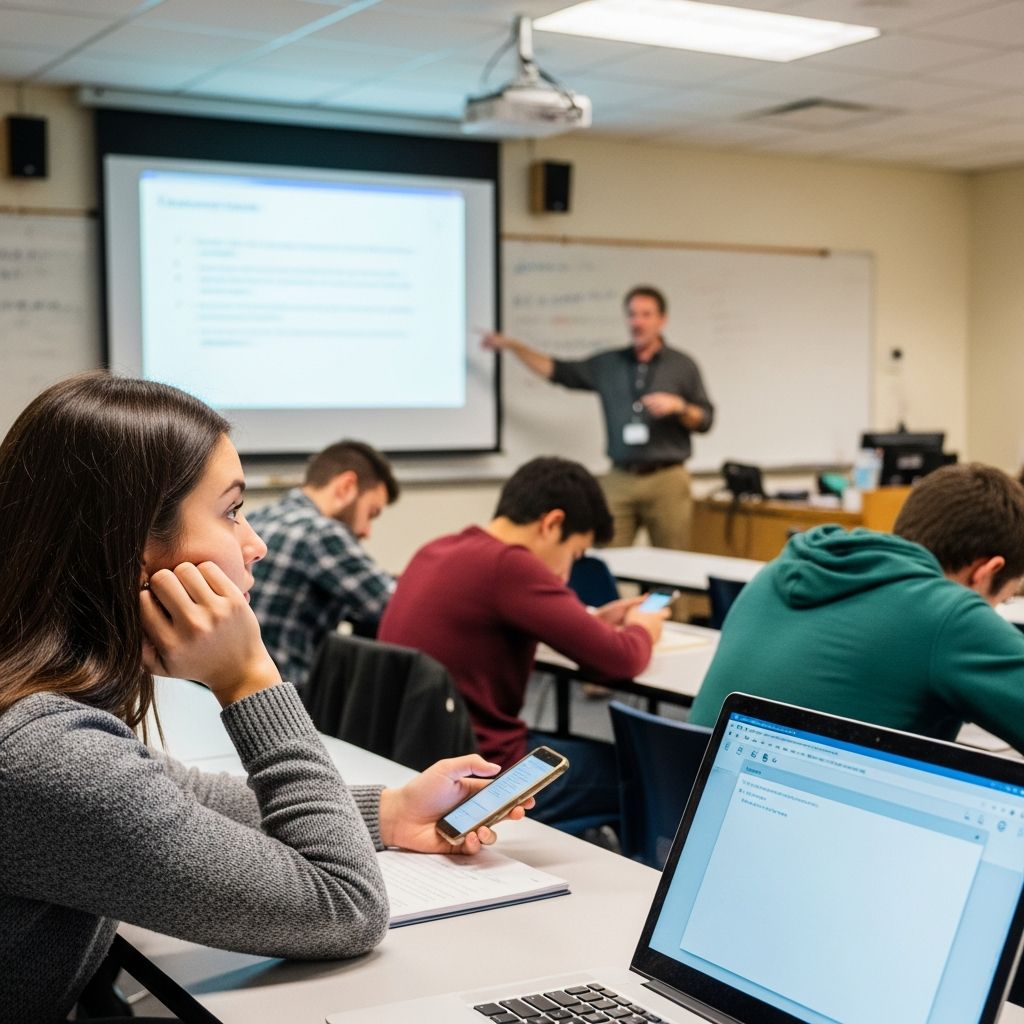
College is a transformative period where quality instruction can shape futures, but encounters with ineffective instructors can hinder progress. Understanding the hallmarks of poor teaching helps students advocate for themselves and maximize learning opportunities.
Core Traits of Subpar University Educators
Ineffective instructors often exhibit patterns that undermine educational goals. These behaviors range from disengagement to overt hostility, affecting student motivation and performance.
Lack of Clear Communication
One primary indicator is poor communication skills. Professors who mumble, speak monotonously, or fail to articulate concepts leave students confused. Instead of fostering understanding, they assume prior knowledge without bridging gaps, leading to widespread frustration in the classroom.
Disregard for Student Inquiries
When questions go unanswered or are dismissed rudely, it signals deeper issues. Effective teaching involves encouraging dialogue; subpar educators evade or deflect, prioritizing their agenda over student needs.
Excessive Personal Anecdotes
Class time filled with irrelevant stories detracts from curriculum coverage. While brief examples can illustrate points, prolonged tangents on personal life waste valuable instructional minutes, leaving key topics untouched.
Unrealistic Workloads
Assigning overwhelming assignments ignores students’ full schedules. Full-time enrollment typically means balancing multiple courses; demands exceeding reasonable limits—such as hours of daily homework per class—promote burnout rather than growth.
Biases and Unprofessional Conduct
Professionalism is non-negotiable in academia. Certain behaviors erode trust and fairness.
- Political or Ideological Bias: Grading based on alignment with personal views rather than merit stifles critical thinking and academic freedom.
- Personal Vendettas: Targeting individual students with harsher scrutiny creates hostile environments and potential discrimination claims.
- Disrespectful Demeanor: Sarcasm or condescension makes students feel belittled, contrary to the supportive role educators should play.
Intolerance for Legitimate Absences
Rigid policies without flexibility for illnesses or emergencies punish students unfairly. Compassionate instructors accommodate verified issues, recognizing life’s unpredictability.
Indicators of Instructional Laziness
Lack of preparation manifests in several ways, signaling minimal effort.
| Behavior | Impact on Students | Example |
|---|---|---|
| Reading verbatim from slides | Minimal added value; students learn independently | PowerPoint narration without elaboration |
| Reliance on outdated materials | Missed updates in field knowledge | Years-old recorded lectures |
| Frequent guest speakers or videos | Absence of original instruction | YouTube clips replacing teaching |
| Delayed grading and feedback | Hinders progress tracking | No syllabus or late posts |
These shortcuts prioritize convenience over engagement, turning classes into self-study sessions.
Arrogance and Disconnect from Learners
Arrogant educators view themselves above students, rarely offering praise and frequently critiquing. This dynamic discourages participation and innovation. Disconnection appears as ignorance of student backgrounds or needs, such as mocking transfer students’ prior institutions.
Effects on Student Achievement and Well-Being
Poor instruction correlates with higher dropout rates and lower GPAs. A study by the National Center for Education Statistics notes that student satisfaction with teaching quality predicts retention. Stressed students report anxiety from unfair practices, impacting mental health.
Long-Term Academic Consequences
Persistent exposure to bad teaching can deter major choices or persistence in degree programs. Conversely, recognizing issues empowers students to seek alternatives like tutoring or transfers.
Strategies for Thriving Under Difficult Instructors
While dropping classes is ideal when possible, other tactics help mitigate damage.
- Document Everything: Keep records of interactions, assignments, and communications for potential appeals.
- Seek Peer Support: Form study groups to fill instructional gaps collaboratively.
- Utilize Campus Resources: Academic advisors, writing centers, and ombudsmen provide guidance.
- Communicate Diplomatically: Politely raise concerns in office hours or via email, focusing on learning goals.
- Rate on Platforms: Contribute to sites like RateMyProfessors to warn peers (use judiciously).
When to Escalate Complaints
If bias or harassment is evident, follow university policy. Most institutions have structured processes via deans or equity offices. Evidence strengthens cases.
Selecting Better Instructors in Advance
Prevention beats cure. Research via syllabi, department reviews, and student feedback before registration. Prioritize those with high engagement ratings and clear expectations.
Institutional Responsibility in Faculty Oversight
Universities must monitor teaching effectiveness through evaluations and training. Data from the American Association of University Professors emphasizes professional development for retention of quality faculty.
Frequently Asked Questions
What should I do if a professor ignores my emails?
Visit office hours with prepared notes. If unresponsive, cc the department chair on follow-ups. Persistence documents your effort.
Is it okay to drop a class due to a bad professor?
Yes, especially within add/drop periods. Prioritize mental health and GPA protection over sunk costs.
How can I prove grading bias?
Compare rubrics, seek peer comparisons anonymously, and gather syllabus evidence. Consult advisors for formal review.
Do student evaluations improve bad professors?
They can influence tenure or assignments if patterns emerge, but results vary by institution.
Are all strict professors bad?
No—rigor with fairness and support differs from punitive difficulty. Assess overall equity.
Conclusion: Empowering Student Agency
Navigating ineffective instructors builds resilience. By identifying red flags and acting proactively, students reclaim control over their education. Quality teaching elevates; awareness ensures no one dims potential.
References
- What Makes A Bad Professor — The Odyssey Online. 2016-10-12. https://www.theodysseyonline.com/bad-professor
- Top 10 Worst Types of College Professors — TheTopTens. 2023-05-15. https://www.thetoptens.com/education/worst-types-college-professors/
- 10 Descriptors of Bad Teachers and Bad Leaders — Church Answers. 2022-08-20. https://churchanswers.com/blog/10-descriptors-of-bad-teachers-and-bad-leaders/
- Undergraduate Retention and Graduation Rates — National Center for Education Statistics (.gov). 2024-06-01. https://nces.ed.gov/programs/coe/indicator_ctr
- Statement on Teaching Evaluation — American Association of University Professors. 2023-11-10. https://www.aaup.org/report/statement-teaching-evaluation

- Integrated M.A. in Applied Linguistics, University of Hyderabad
- 5+ years in editorial, instructional, SEO, and research-based writing
Sneha is a relationships and lifestyle writer with a strong foundation in applied linguistics and certified training in relationship coaching. She brings over five years of writing experience to theskillvault, crafting thoughtful, research-driven content that empowers readers to build healthier relationships, boost emotional well-being, and embrace holistic living. Her writing and insights reflect the belief that beauty, happiness, and wellness…