
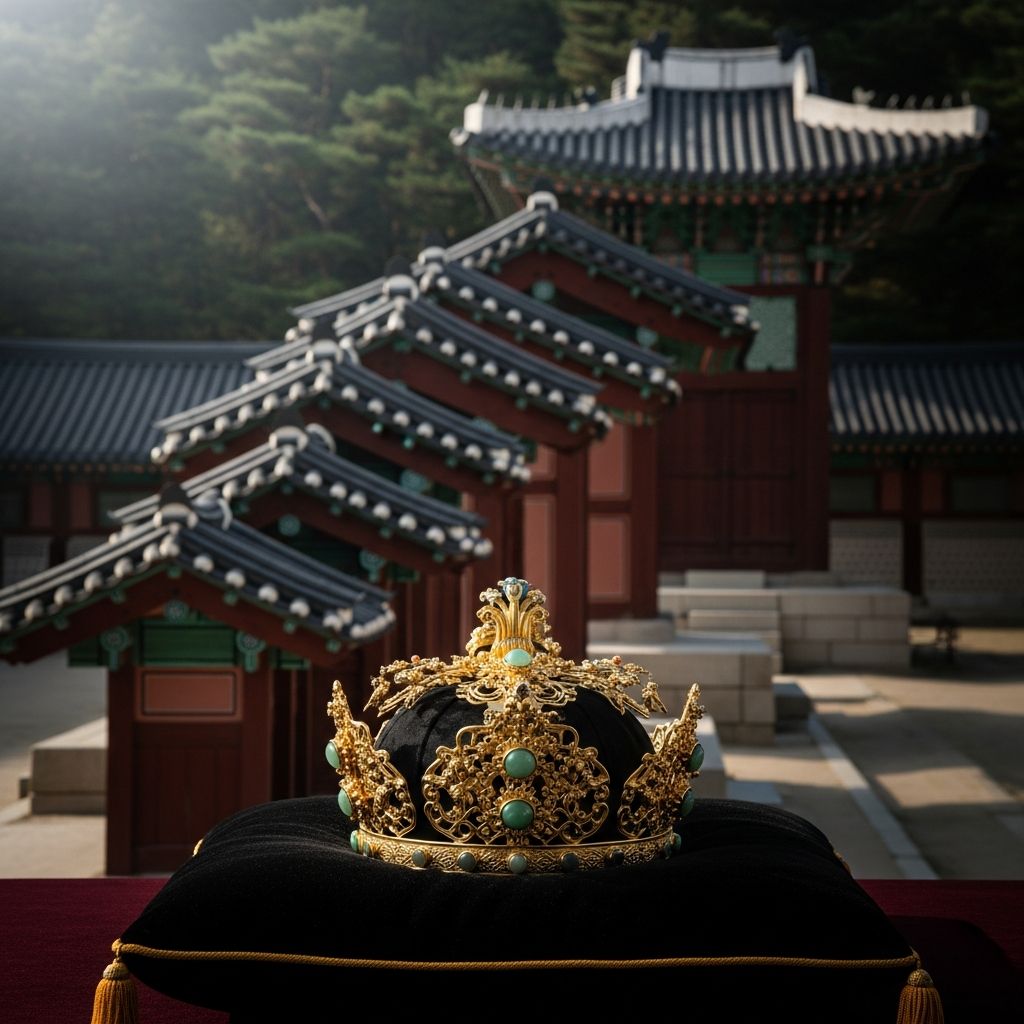
The bone rank system, known as Golpum or Kolpum in Korean, formed the backbone of social organization in the ancient kingdom of Silla, ruling from 57 BCE to 935 CE. This hereditary structure divided society into rigid layers based on bloodline, determining everything from political eligibility to daily privileges like clothing and housing sizes.
Origins and Establishment of the Hierarchy
Emerging in the early 6th century, the system was formalized around 520 CE under King Beopheung (r. 514-540 CE), likely influenced by Chinese administrative reforms. Though it codified existing lineage-based divisions, it entrenched a caste-like rigidity that persisted for centuries.
Prior to formalization, Silla society already favored noble families like the Pak and Kim clans, who traced descent from mythical founders. The system’s name derives from ‘bone’ (gol), symbolizing unchangeable hereditary essence, akin to blood purity in other cultures.
The Core Tiers: From Sacred to Common
Silla’s hierarchy featured two elite ‘bone’ ranks atop a broader ‘head rank’ (tupum) structure. Only bone ranks accessed top offices; head ranks filled mid-level roles, while lower strata supported the economy.
- Sacred Bone (Seonggol): The pinnacle, limited to select Kim family members with royal blood from both parents. Only they could ascend the throne until 654 CE.
- True Bone (Jingol): Next tier, including lesser royals, high ministers, and aristocrats. Post-654 CE, kings emerged from this group, holding positions up to ibolchan (senior rank).
- Head Ranks (Tupum): Six subclasses (1-6), with 1-3 for commoners and 4-6 for aristocrats tied to land or clans. Only 4-6 qualified for civil/military posts.
| Rank Level | Description | Privileges/Offices |
|---|---|---|
| Sacred Bone | Royal Kim descendants (both sides) | Throne only (pre-654 CE) |
| True Bone | High nobility, lesser royals | Ministers, ibolchan |
| Head 6-4 | Lower aristocrats | Mid-level civil/military |
| Head 3-1 | Commoners | Labor, no offices |
Daily Life Under Bone Rank Constraints
Bone rank permeated existence: true bone wore silk in specific colors, sacred bone had larger homes and carriages. Marriages stayed within ranks to preserve purity, limiting social mobility.
Commoners (head 1-3) faced severest limits—no official roles, basic attire, small dwellings. Aristocrats dominated bureaucracy, fostering clan monopolies like Kim or Park families in key posts.
Royal Succession and the Abolition of Sacred Bone
Sacred bone exclusivity caused crises. By 632 CE, no eligible males remained, leading to Queens Seondeok and Jindeok (632-647 CE). King Muyeol (r. 654-661 CE) abolished seonggol, shifting monarchy to jingol, broadening the pool while retaining rigidity.
This change unified Silla during unification wars (668 CE), but true bone dominance persisted, with Kims holding power.
Social Rigidity and Systemic Weaknesses
Hereditary locks stifled talent; merit rarely trumped birth. Stagnation bred corruption, clan rivalries, and resentment, contributing to Silla’s 935 CE fall to Goryeo.
Despite Hwarang warrior meritocracy attempts, bone rank overrode achievements. Economic divides widened, with elites controlling land and trade.
Decline and Legacy in Later Dynasties
Goryeo (918-1392 CE) dismantled bone rank, introducing exam-based bureaucracy inspired by China, though noble influences lingered. Joseon (1392-1897) evolved yangban class, more fluid yet elitist.
The system echoes in Korean concepts of lineage and status, influencing modern chaebol families and social networks.
Comparative Global Parallels
Silla’s structure mirrors India’s varnas or feudal Europe’s nobility, where birth dictated fate. Unlike fluid Confucian systems elsewhere, its extremity accelerated decline.
Frequently Asked Questions (FAQs)
Q: Who could become king in Silla?
A: Initially only sacred bone (seonggol); after 654 CE, true bone (jingol) members.
Q: Was social mobility possible?
A: Extremely rare; ranks were hereditary, with minimal exceptions via adoption or war merit.
Q: How did bone rank affect women?
A: Queens ruled when no male sacred bone existed; marriages preserved rank purity.
Q: Why did the system end?
A: Goryeo abolished it for meritocracy; Silla’s internal stagnation aided collapse.
Q: What ranks existed below bone?
A: Head ranks 1-6, with 4-6 for lower officials and 1-3 for commoners.
Visualizing the Hierarchy
Imagine a pyramid: sacred bone at the apex (tiny elite), true bone below (nobles), head 6-4 (mid-aristocracy), base as masses. This immobility defined Silla’s 1,000-year arc.
References
- Bone Rank System — World History Encyclopedia. 2021-05-20. https://www.worldhistory.org/Bone_Rank_System/
- Bone-rank system — Wikipedia. 2024-10-01. https://en.wikipedia.org/wiki/Bone-rank_system
- Korea: Bone Rank System — YouTube (Transcript). N/A. https://www.youtube.com/watch?v=iUDqqoNS0ho
- Tae Kwon Do system of rank — White Tiger TKD (PDF). N/A. https://www.white-tiger-tkd.com/Tae%20Kwon%20Do%20system%20of%20rank%20white%20tiger%20(secure).pdf
- Bone rank system — New World Encyclopedia. 2023-08-15. https://www.newworldencyclopedia.org/entry/Bone_rank_system

- Integrated M.A. in Applied Linguistics, University of Hyderabad
- 5+ years in editorial, instructional, SEO, and research-based writing
Sneha is a relationships and lifestyle writer with a strong foundation in applied linguistics and certified training in relationship coaching. She brings over five years of writing experience to theskillvault, crafting thoughtful, research-driven content that empowers readers to build healthier relationships, boost emotional well-being, and embrace holistic living. Her writing and insights reflect the belief that beauty, happiness, and wellness…