
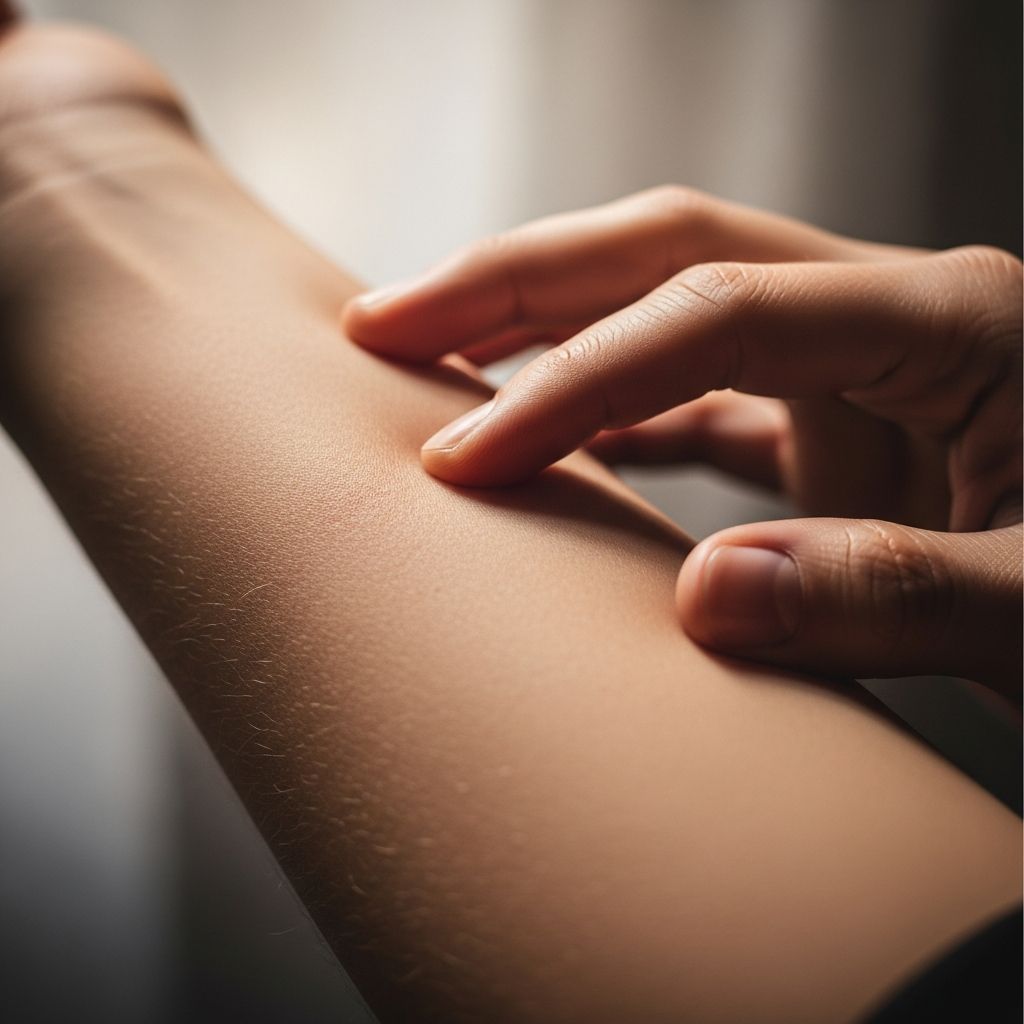
What Is Skin-Picking Disorder?
Skin-picking disorder, medically known as excoriation disorder or dermatillomania, represents a significant behavioral and psychological condition affecting many individuals worldwide. This condition involves the compulsive and recurrent act of picking, scratching, or otherwise damaging one’s own skin, often resulting in visible wounds, scars, and tissue damage. Unlike occasional skin manipulation that most people engage in from time to time, skin-picking disorder involves an overwhelming urge to engage in this behavior despite conscious efforts to stop. The condition typically causes considerable physical harm, emotional distress, and social impairment, making it more than just a simple habit or cosmetic concern.
The psychological component of this disorder is crucial to understand. Many individuals who experience skin-picking disorder describe the behavior as somewhat automatic or trance-like, occurring both when they are aware of their actions and during moments of reduced consciousness about what they are doing. The behavior often serves as a coping mechanism, providing temporary relief from underlying psychological discomfort, even though it ultimately creates greater suffering.
Identifying Physical and Behavioral Manifestations
The physical signs of skin-picking disorder vary in severity and presentation among affected individuals. Recognition of these symptoms is the first step toward seeking appropriate help and intervention.
Common Physical Indicators
Individuals with skin-picking disorder typically display several distinctive physical characteristics that result from their repetitive skin manipulation:
– Visible scarring and discoloration on commonly affected areas such as the face, arms, legs, and hands- Active wounds, open sores, and bleeding lesions at various stages of healing- Areas of skin that appear raw, inflamed, or infected due to repeated picking- Patches of thickened or discolored skin from chronic picking in the same location- Evidence of tissue damage ranging from minor abrasions to deep lacerations requiring medical attention- Skin infections resulting from non-sterile picking or exposure of open wounds
Behavioral and Psychological Features
Beyond the physical damage, several behavioral patterns characterize skin-picking disorder:
– Spending excessive amounts of time examining the skin in mirrors or with fingertips, searching for imperfections- Engaging in picking episodes that occur in trance-like states, where the person may not be fully aware of their actions- Experiencing intense urges to pick that feel overwhelming and difficult to resist- Making repeated, unsuccessful attempts to control or stop the behavior despite genuine motivation- Engaging in picking behaviors that continue despite awareness of the resulting pain, bleeding, or scarring- Focusing on perceived skin blemishes, pores, or minor imperfections that others may not notice or consider significant
Understanding the Root Causes and Contributing Factors
Skin-picking disorder develops through a complex interplay of biological, psychological, and environmental factors. Understanding these causes helps individuals and their families recognize how the condition emerges and why professional intervention is necessary.
Genetic and Neurological Components
Research indicates that skin-picking disorder frequently runs in families, suggesting a genetic predisposition to the condition. Individuals diagnosed with this disorder are significantly more likely to have close family members, such as parents or siblings, who also struggle with skin-picking or related body-focused repetitive behaviors. Additionally, neuroscientific findings reveal that people with skin-picking disorder exhibit structural differences in brain regions responsible for learning, habit formation, and impulse control. These neurological variations may make it more difficult for affected individuals to break automatic behavioral patterns once they have developed.
Psychological and Environmental Triggers
Beyond genetic factors, several psychological conditions and life circumstances contribute to the development and maintenance of skin-picking disorder:
– Anxiety and excessive worry that manifest through compulsive skin manipulation as a tension-relief mechanism- Stress from major life changes, work pressures, or interpersonal conflicts- Depression and mood disturbances that may accompany or precede picking behavior- Boredom and lack of engagement that leaves individuals vulnerable to repetitive behaviors- Perfectionism and dissatisfaction with appearance that focuses attention on perceived skin flaws- Sensory seeking or sensory discomfort that makes skin picking feel gratifying or soothing
Many individuals report that their skin-picking intensifies during periods of high stress, emotional distress, or when they are unable to engage in more adaptive coping strategies. The behavior effectively becomes a maladaptive coping tool, providing temporary relief from uncomfortable emotions or physical sensations even as it creates long-term problems.
Recognizing Diagnostic Criteria
Mental health professionals use specific diagnostic criteria to distinguish skin-picking disorder from casual skin manipulation or other dermatological conditions. For an accurate diagnosis, a person must demonstrate the following characteristics:
– Recurring episodes of skin picking that result in observable skin damage or lesions- Persistent efforts to reduce or eliminate the picking behavior, indicating the person recognizes it as problematic- Notable emotional suffering or functional impairment caused by the skin-picking activity, affecting work, relationships, self-esteem, or daily activities- Confirmation that the skin damage is not attributable to another medical condition, dermatological disease, or substance use- Verification that the behavior cannot be better accounted for by another psychiatric disorder such as body dysmorphic disorder or a psychotic condition
This diagnostic framework ensures that individuals receive appropriate treatment and that the condition is not confused with other medical or psychiatric conditions that might require different interventions.
Related and Co-Occurring Conditions
Skin-picking disorder frequently exists alongside other mental health and medical conditions, which can complicate diagnosis and treatment planning:
| Category | Related Conditions |
|---|---|
| Body-Focused Repetitive Behaviors | Trichotillomania (hair-pulling), Onychophagia (nail-biting) |
| Anxiety and Mood Disorders | Obsessive-Compulsive Disorder, Anxiety Disorders, Depression, Bipolar Disorder |
| Medical Conditions | Prader-Willi Syndrome |
The presence of these co-occurring conditions necessitates comprehensive treatment approaches that address not only the skin-picking behavior but also the underlying psychological conditions that may be perpetuating it.
Therapeutic Interventions and Behavioral Approaches
Evidence-based psychological treatments have demonstrated significant effectiveness in reducing skin-picking symptoms and helping individuals regain control over their behavior.
Cognitive Behavioral Therapy (CBT)
Cognitive Behavioral Therapy represents one of the most extensively researched and effective treatments for skin-picking disorder. CBT operates on the principle that our thoughts, feelings, and behaviors are interconnected. Through CBT, individuals learn to identify thought patterns that trigger or maintain picking behavior, such as perfectionist thoughts about skin appearance or catastrophic interpretations of minor blemishes. Therapists help clients develop strategies to challenge and modify these unhelpful thoughts, which in turn reduces the emotional drive to pick.
Habit Reversal Training (HRT)
Habit Reversal Training represents the gold standard treatment specifically designed for body-focused repetitive behaviors like skin-picking. This approach involves multiple interconnected techniques aimed at increasing awareness of the picking behavior and replacing it with less harmful alternatives. Key components include awareness training, where individuals learn to recognize the early warning signs and triggers of their picking urges, and identifying competing responses—alternative behaviors that physically cannot be performed simultaneously with picking, such as clenching fists, holding an object, or engaging in a specific hand movement.
Acceptance and Commitment Therapy (ACT)
Acceptance and Commitment Therapy offers a complementary approach by teaching individuals to accept unwanted urges and uncomfortable sensations without acting on them. Rather than struggling against the desire to pick, individuals learn to notice the urge, observe it without judgment, and choose behaviors aligned with their personal values. This approach reduces the secondary suffering that often accompanies attempts to suppress the urge forcefully.
Comprehensive Behavioral Model (ComB)
The Comprehensive Behavioral Model integrates various behavioral techniques into a cohesive treatment framework. This approach combines elements of habit reversal training, stimulus control (modifying the environment to reduce picking opportunities), and cognitive interventions to provide a multifaceted treatment approach.
Pharmacological Treatment Options
Medication can play an important role in treatment, particularly when combined with behavioral therapy. Several classes of medications have demonstrated efficacy:
Selective Serotonin Reuptake Inhibitors (SSRIs)
SSRIs, commonly used antidepressants, have been the primary pharmacological treatment for skin-picking disorder. These medications work by increasing serotonin availability in the brain, which helps reduce obsessive thoughts and compulsive behaviors. Fluoxetine and fluvoxamine are SSRIs that have shown particular benefit in reducing picking severity and improving control over the behavior.
Additional Medication Categories
Research has explored several other medication options:
– **Anticonvulsants** such as lamotrigine, which help regulate brain chemistry and may reduce the intensity of picking urges- **N-Acetyl Cysteine (NAC)**, a glutamatergic agent that has demonstrated effectiveness in reducing skin-picking behaviors- **Antipsychotic medications**, sometimes used in combination with SSRIs to enhance treatment effectiveness
The choice of medication depends on individual factors including other co-occurring conditions, medical history, and previous medication responses.
Integrated Treatment Approaches
Research strongly suggests that combining behavioral therapy with medication produces superior outcomes compared to either treatment modality alone. An integrated approach typically involves:
– Initial comprehensive psychiatric evaluation to identify all contributing factors and co-occurring conditions- Behavioral therapy such as CBT or HRT as the primary treatment intervention- Medication prescribed and monitored by a psychiatrist to support therapy gains- Regular assessment and adjustment of the treatment plan based on progress- Exploration of underlying anxiety, stress, and emotional factors driving the behavior- Development of long-term coping strategies and relapse prevention techniques
Managing Shame and Building Recovery
An often-overlooked but critical component of treatment involves addressing the emotional sequelae of skin-picking disorder. The visible scarring, repeated failed attempts to stop, and social stigma create deep feelings of shame and embarrassment. These emotions, if left unaddressed, can perpetuate the picking cycle, as individuals pick in response to shame about their appearance or past picking behavior. Effective treatment acknowledges and directly addresses these feelings through therapy, helping individuals develop self-compassion and a more balanced perspective on their condition.
Frequently Asked Questions
Q: Is skin-picking disorder a lifelong condition?
A: Skin-picking disorder is typically a chronic condition; however, with appropriate treatment combining therapy and medication, many individuals achieve significant symptom reduction and may enter remission. Ongoing management and relapse prevention strategies help maintain improvements.
Q: Can skin-picking disorder be cured completely?
A: While complete cure is less common, many individuals with skin-picking disorder significantly reduce their symptoms and develop effective coping strategies through treatment. The focus is often on management and recovery rather than complete elimination of all urges.
Q: Why do people avoid seeking treatment?
A: Common barriers to seeking help include social embarrassment about the visible consequences of the behavior, misconceptions that it is simply a bad habit rather than a treatable condition, concerns about whether treatment is effective, and stigma surrounding mental health conditions.
Q: What should I do if I think I have skin-picking disorder?
A: Consult with a mental health professional such as a psychiatrist, psychologist, or therapist who has experience treating body-focused repetitive behaviors. Starting with a general practitioner or dermatologist who can rule out other causes is also appropriate, and they can provide referrals to mental health specialists.
Q: How long does treatment typically take?
A: Treatment duration varies significantly among individuals depending on symptom severity, co-occurring conditions, and responsiveness to interventions. Many people notice improvement within several weeks to months of beginning behavioral therapy, though ongoing treatment may extend over longer periods.
Conclusion
Skin-picking disorder represents a treatable mental health condition that combines biological vulnerability, psychological factors, and behavioral patterns. Understanding this complexity is essential for individuals struggling with the condition and those supporting them. With evidence-based treatments including cognitive behavioral therapy, habit reversal training, and appropriate medication, many individuals achieve substantial improvement in their symptoms and quality of life. Seeking professional help from qualified mental health providers represents the crucial first step toward healing and recovery. The combination of effective therapy, medication when appropriate, and compassionate support creates the optimal foundation for managing this condition and rebuilding confidence in one’s physical appearance and emotional wellbeing.
References
- Excoriation Disorder (Skin Picking or Dermatillomania) — Mental Health America (MHA National). https://mhanational.org/conditions/excoriation-disorder-skin-picking-or-dermatillomania/
- Excoriation (skin-picking) disorder: a systematic review of treatment options — PubMed Central, National Center for Biotechnology Information. https://pmc.ncbi.nlm.nih.gov/articles/PMC5522672/
- Excoriation Disorder Treatment — The Center for Anxiety and OCD. https://www.caocd.com/excoriation-disorder
- How to Treat Skin Picking Disorder (Excoriation) — WebMD. https://www.webmd.com/mental-health/skin-picking-disorder
- What is Skin Picking Disorder? — International OCD Foundation. https://iocdf.org/about-ocd/related-disorders/skin-picking-disorder/

- Integrated M.A. in Applied Linguistics, University of Hyderabad
- 5+ years in editorial, instructional, SEO, and research-based writing
Sneha is a relationships and lifestyle writer with a strong foundation in applied linguistics and certified training in relationship coaching. She brings over five years of writing experience to theskillvault, crafting thoughtful, research-driven content that empowers readers to build healthier relationships, boost emotional well-being, and embrace holistic living. Her writing and insights reflect the belief that beauty, happiness, and wellness…