
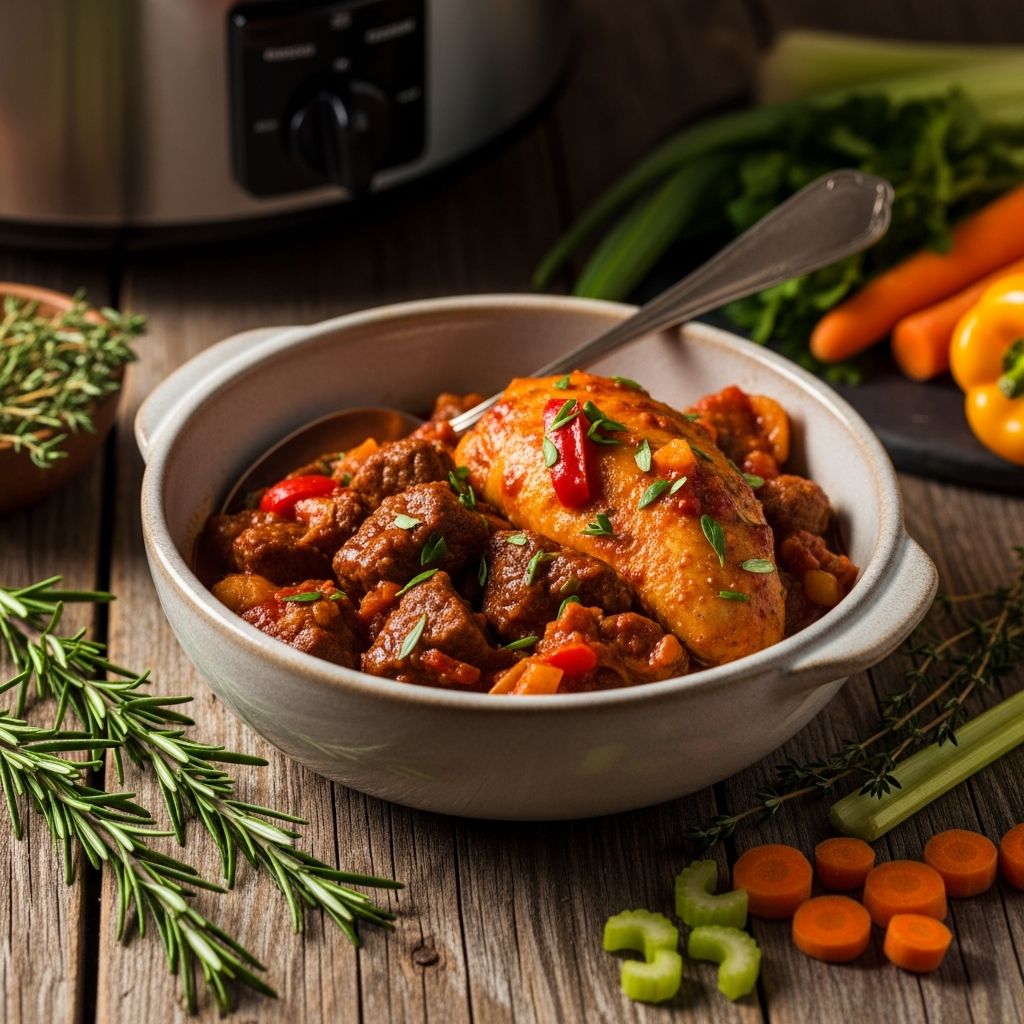
The slow cooker stands as one of the most forgiving kitchen appliances ever invented, offering a pathway to home-cooked meals without demanding constant attention or complicated techniques. Whether you’re managing a hectic work schedule, balancing multiple responsibilities, or simply seeking ways to reduce time spent cooking, the slow cooker delivers consistent results with remarkably little intervention. This guide explores how to harness the full potential of your slow cooker to create satisfying meals that require only basic preparation.
Why Slow Cookers Transform Weeknight Cooking
The fundamental appeal of slow cooker cooking lies in its simplicity and reliability. Unlike traditional stovetop or oven methods that require monitoring, adjusting temperatures, and timing, slow cookers operate independently once you’ve assembled your ingredients. The combination of low, steady heat over extended periods transforms tough cuts of meat into tender, flavorful dishes while simultaneously developing rich, complex flavors that typically require hours of active cooking or careful technique.
The mechanism behind slow cooker success involves gentle, moist heat that breaks down connective tissues in meat while allowing flavors to concentrate and meld. This process occurs whether you’re present or away from home, making it ideal for individuals who want nutritious home-cooked meals without the stress of active kitchen management.
Essential Techniques for Maximum Flavor with Minimal Labor
Understanding foundational slow cooker principles ensures consistently excellent results across all recipe types. The approach you take during the preparation phase determines the quality and depth of your final dish.
Layering Ingredients for Optimal Cooking
Proper ingredient placement directly impacts cooking quality and texture. Firm vegetables such as potatoes, carrots, and root vegetables should occupy the bottom of your cooker, where they experience the most direct heat and require the longest cooking time. Protein layers go in the middle section, allowing it to cook evenly while remaining in contact with surrounding flavors. Delicate vegetables and fresh herbs belong on top, where they won’t disintegrate during the cooking process and maintain their structural integrity.
Managing Moisture Content
A common misconception holds that slow cookers require substantial liquid to function properly. In reality, the opposite applies. Slow cookers produce minimal evaporation compared to conventional cooking methods, meaning the liquid you add essentially remains in the pot. Adding excessive amounts creates soupy results rather than the rich, cohesive dishes you’re seeking. Start with approximately half to three-quarters of the liquid a traditional recipe calls for, adjusting based on your preference for sauce consistency.
Choosing Your Cooking Duration
Most slow cooker recipes operate effectively on either a low setting (8-10 hours) or a high setting (4-6 hours). Low settings produce more tender results and allow flavors greater time to develop, making them ideal when you have the time available. High settings work well for abbreviated schedules or when you’re adding ingredients partway through cooking. Planning ahead ensures your meal finishes at precisely the moment you want to eat.
Protein-Forward Dishes That Cook Themselves
Beef, pork, and chicken transform magnificently in slow cookers, with different cuts and preparations offering varied flavor profiles and textures.
Beef Recipes for Ultimate Comfort
Chuck roast represents perhaps the most forgiving cut for slow cooking, becoming increasingly tender and flavorful as it cooks. Mississippi-style pot roast features a fork-tender chuck roast with homemade spices and tangy peperoncini peppers, delivering sophisticated flavor from minimal active preparation. Beef barbacoa, a freezer-friendly option, can be assembled in under 15 minutes and served in multiple formats: alongside tortillas, atop cauliflower rice, or over rice.
Ground beef applications extend beyond traditional chili, creating possibilities for Moroccan-spiced lentil stews that combine protein, fiber, and warming spices into a single satisfying bowl. These preparations work particularly well for meal planning, as they often improve over multiple days as flavors continue melding.
Pork Preparations
Pork roasts emerge from slow cookers as naturally falling-apart tender, requiring only basic seasoning to achieve excellence. A complete dinner emerges in your cooker when you combine a pork roast with potatoes, carrots, and an herb-forward gravy, producing generous leftovers suitable for multiple meals. Glazed pork chops, prepared in a mixture of apple juice, broth, and seasonings, pair beautifully with mashed potatoes or egg noodles and require only moments of preparation.
Chicken Solutions
Chicken thighs deliver superior flavor and moisture compared to breast meat when slow-cooked, becoming infused with garlic and herbs while maintaining their juiciness. Garlic Parmesan chicken stew combines tender chicken with potatoes and vegetables in a creamy sauce that practically cooks itself. Simpler applications involve minimal ingredients: a five-ingredient salsa verde chicken preparation requires only five minutes of active time before simmering away throughout your day, ready to serve over rice with fresh toppings.
Soup and Stew Strategies
The slow cooker’s enclosed environment creates ideal conditions for developing the deep, satisfying flavors associated with homemade soups and stews. These preparations often improve flavor development compared to quicker cooking methods.
Hearty options include beef and barley soup featuring tender beef, carrots, celery, and barley in rich broth, and creamy tomato basil chicken that delivers surprising flavor complexity from a minimal ingredient list. Chicken corn chowder combines tender chicken, creamy corn, root vegetables, and warming herbs for fall comfort in a bowl. Three-bean beef chili offers nutritious eating through multiple legume varieties, with microwave shortcuts reducing overall prep requirements.
Green chile stew with beans showcases plant-based protein and cholesterol-lowering fiber, with optional rotisserie chicken or meatballs for those desiring additional animal protein. Zuppa Toscana brings Tuscan flavors to your kitchen through Italian sausage, kale, potatoes, and Parmesan in a creamy broth.
Vegetarian and Plant-Based Options
Slow cooker cooking accommodates plant-based eating exceptionally well, with legumes becoming particularly tender and flavorful through extended cooking.Quinoa, a complete plant-based protein containing all essential amino acids, works beautifully in slow cooker preparations. Beans, lentils, and chickpeas serve as ideal fiber sources, particularly when combined with aromatics and spices that develop over hours of cooking.
Cowboy beans represent a versatile side dish or light main course, combining three bean varieties with reduced-sugar sauce for barbecues and casual entertaining. These preparations satisfy vegetarian diners while contributing nutritional value to any meal plan.
Unexpected Dishes Worth Exploring
Beyond traditional savory applications, slow cookers handle non-traditional recipes with surprising success.
Lasagna soup incorporates familiar Italian flavors through a tomato base combined with Italian sausage, lasagna noodles, and abundant herbs and cheeses. Chicken and dumplings recreates a classic comfort food with tender chicken, generous vegetables, and fluffy homemade dumplings simmering in thick, flavorful gravy. Baked ziti emerges as a complete pasta dish requiring minimal intervention once ingredients combine.
Even desserts belong in your slow cooker strategy: blackberry cobbler comes together with just ten minutes of active preparation, cooking in the slow cooker while keeping your kitchen cool and your oven free, emerging topped with a crispy, cakey layer and ready for vanilla ice cream accompaniment.
Ingredient Selection and Pantry Stocking
Reliable slow cooker results begin with thoughtful ingredient selection. Canned, no-added-sugar diced tomatoes provide convenience and consistency without excess sodium. Low-sodium broths allow you to control salt levels throughout your cooking. Arrowroot starch thickens sauces without the flavor alteration sometimes associated with traditional flour thickening.
Quality spices transform simple ingredient combinations into memorable meals. Building a well-organized spice collection enables you to create varied flavor profiles without acquiring specialized ingredients constantly.
Timing Your Meals Strategically
The true advantage of slow cooking emerges when you align cooking duration with your schedule. Morning preparation ensures dinner readiness as you arrive home, while mid-day assembly creates meals for evening entertaining or casual family dining. Understanding whether your schedule accommodates an eight-hour cooking duration on low heat or requires a four-hour high-heat cooking cycle determines which recipes best serve your needs on any given day.
Frequently Asked Questions
Can I prepare slow cooker meals in advance and refrigerate them before cooking?
Yes, many slow cooker recipes benefit from advance assembly. Prepare ingredients in your slow cooker insert, cover, and refrigerate for up to 24 hours before placing in the heating base. This strategy works particularly well for morning preparation, allowing you to assemble ingredients the previous evening.
How do I prevent meat from becoming tough or dry?
Select appropriate cuts with adequate marbling or fat content, avoid cooking on high heat unnecessarily, and ensure adequate sauce or moisture surrounds your protein. Tougher, less expensive cuts often produce superior results compared to premium lean cuts.
What’s the best approach for frozen ingredients?
While fresh ingredients generally produce superior results, properly thawed frozen vegetables and proteins work adequately. Avoid adding frozen ingredients directly to your slow cooker, as they increase cooking time unpredictably and may result in uneven cooking.
How can I reduce sodium in slow cooker recipes?
Use low-sodium or no-sodium broths as your base, limit added salt until tasting your finished dish, and rely on herbs and spices for flavor development rather than salt.
Can slow cooker meals be frozen for later consumption?
Yes, most slow cooker dishes freeze exceptionally well for up to three months. Allow cooked food to cool completely before transferring to freezer-safe containers, leaving appropriate headspace for expansion.
Building Your Slow Cooker Repertoire
Beginning your slow cooker journey needn’t involve complicated recipes or specialized equipment beyond your basic cooker. Start with simple preparations featuring familiar flavor combinations, then gradually expand your repertoire as confidence develops. Most individuals discover that slow cooker cooking quickly becomes their go-to method for weeknight meals, special occasions, and meal planning strategies.
The beauty of slow cooking lies in its accessibility and forgiving nature. Whether you’re preparing straightforward beef stew or attempting adventurous international preparations, the slow cooker remains a reliable partner in your culinary efforts, transforming basic ingredients into satisfying meals with minimal active effort required from you.
References
- 30+ Easy Crockpot Meals — The Recipe Rebel. Retrieved from https://www.thereciperebel.com/easy-crockpot-meals/
- 54 Easy And Delicious Crockpot Recipes — The Real Food Dietitians. Retrieved from https://therealfooddietitians.com/healthy-crockpot-recipes/
- Beginner’s Guide to Slow Cooker | How to Use a Slow Cooker — A Sweet Peach Chef. Retrieved from https://www.asweetpeachef.com/how-to-use-a-slow-cooker/

Medha Deb is an editor with a master's degree in Applied Linguistics from the University of Hyderabad. She believes that her qualification has helped her develop a deep understanding of language and its application in various contexts. Medha specializes in the areas of beauty, health, sports, and wellness and is committed to ensuring that the content on the website is…