
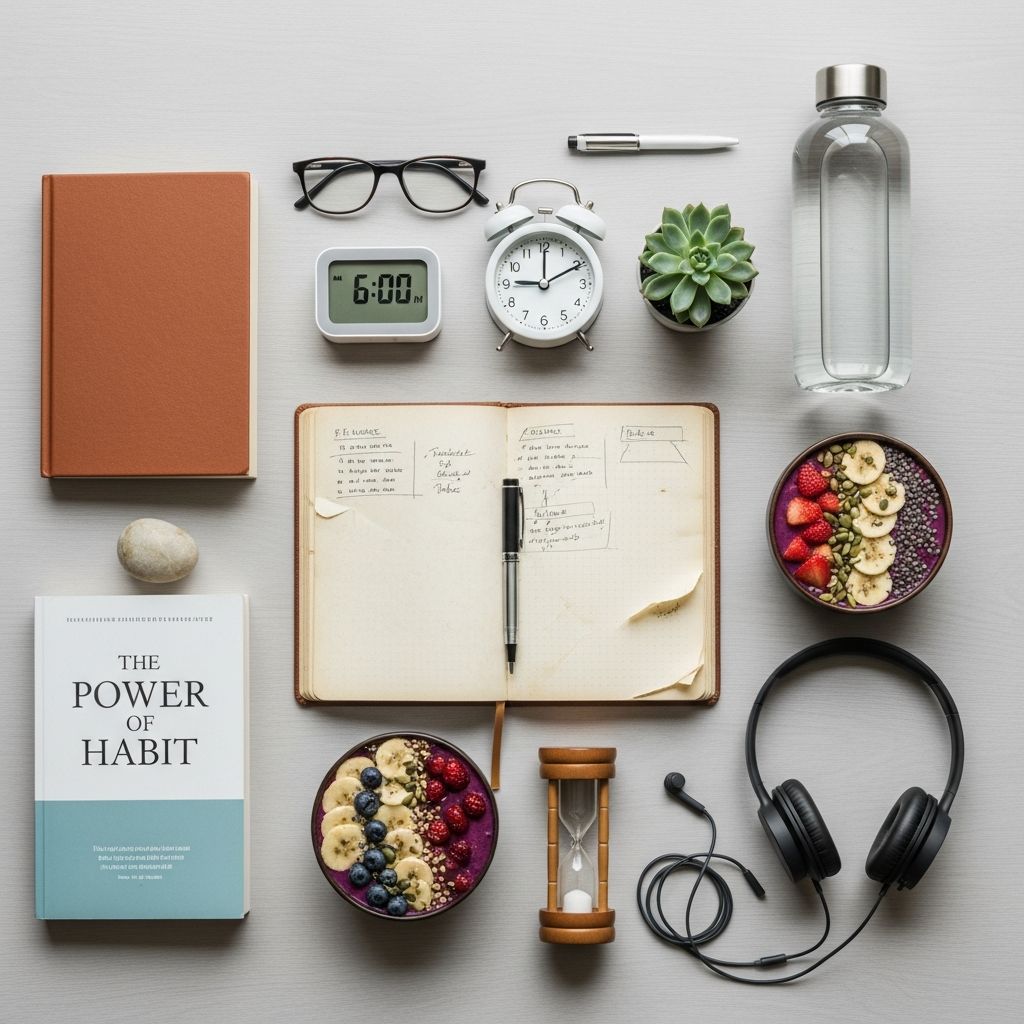
Small, intentional adjustments to your daily routine can yield remarkable results in productivity, health, and overall satisfaction. These habits, drawn from practical wisdom and real-world applications, require minimal effort but deliver outsized benefits. By integrating them thoughtfully, you can reshape your life without overhauling everything at once.
Mastering Your Morning Momentum
Begin each day with a structured yet flexible start to set a positive trajectory. Instead of hitting snooze repeatedly, which disrupts your circadian rhythm, rise at a consistent time and expose yourself to natural light within the first 30 minutes. This simple act regulates melatonin production, enhancing alertness and mood throughout the day.
- Hydrate immediately: Drink 16-20 ounces of water upon waking to rehydrate after overnight fasting, kickstarting metabolism and clearing mental fog.
- Move your body: Perform 5-10 minutes of light stretching or a brisk walk. Research from the American College of Sports Medicine shows short bursts of activity improve cognitive function and energy levels.
- Plan with intention: Spend two minutes jotting down three priorities. This focuses your energy and reduces decision fatigue later.
These steps compound over time, creating a ripple effect of discipline and clarity. Users report feeling more in control, with one study from the Journal of Applied Psychology linking morning routines to 20% higher daily output.
Optimizing Focus in a Distracted World
In an era of constant notifications, reclaiming attention is a superpower. Adopt techniques to batch distractions and deepen concentration periods. Start by silencing non-essential alerts during work blocks and using the ‘two-minute rule’ for small tasks: if it takes less than two minutes, do it now to prevent backlog.
| Distraction Type | Counter-Strategy | Expected Benefit |
|---|---|---|
| Phone Notifications | Schedule check-ins (e.g., every 90 minutes) | Regain 1-2 hours daily |
| Multitasking Temptation | Single-task with a timer (Pomodoro: 25 min work, 5 min break) | Boost accuracy by 40% |
| Email Overload | Process inbox twice daily; use filters for ‘unsubscribe’ | Cut response time in half |
Implement a ‘focus fortress’ by designating a clutter-free workspace. Pair this with the alphabet game for winding down: mentally list words starting with ‘A’, then ‘B’, etc., to quiet racing thoughts at night, promoting faster sleep onset.
Cultivating Physical and Mental Resilience
Resilience builds through consistent micro-habits that fortify body and mind. Incorporate movement as a non-negotiable, even if just a 10-minute ‘depression shuffle’ around the block during low moods. The World Health Organization endorses this, noting short walks reduce depressive symptoms by elevating endorphins.
- Breathing resets: Use 4-7-8 breathing (inhale 4s, hold 7s, exhale 8s) to lower cortisol during stress spikes.
- Nutrition shortcuts: Prep frozen grapes for wine chilling without dilution or use them as a healthy snack to stabilize blood sugar.
- Sleep enhancers: Align hot/cold shower ends with desired temperature or employ denture tablets for spotless sleep gear hygiene.
Track progress in a simple journal: note one win nightly. This reinforces neural pathways for positivity, as per positive psychology research from Harvard.
Streamlining Household and Travel Efficiency
Everyday chores and trips drain energy unless hacked smartly. Transform mundane tasks with ingenuity: store cleaning supplies in a hanging shoe organizer, paint key tips with nail polish for instant ID, or snap a fridge photo pre-grocery run to avoid forgotten essentials.
For travel, label bags ‘FRAGILE’ to encourage careful handling and faster carousel arrival. At hotels, leverage TV USB ports for charging when outlets are scarce. Home-wise, repurpose toilet paper rolls to keep wrapping paper tidy or muffin tins for condiment service at gatherings.
- Kitchen wins: Freeze water bottles sideways for perpetual cold sips; use Doritos for quick fire-starting.
- Car hacks: Affix pool noodles to garage walls to prevent door dings.
- Storage savvy: Convert plastic bags into dispensers or socks for winter toilet seat warmth.
These tweaks save hours weekly, freeing time for what matters. A UK study on time management found such efficiencies correlate with 15% higher life satisfaction.
Enhancing Relationships and Social Dynamics
Strong connections thrive on mindful interactions. Before responding in conversations, ask: ‘Do you want to vent or get advice?’ This positions you as an ally, fostering trust. Practice ‘minding your business’ to slash stress—avoiding gossip or social media drama preserves mental bandwidth.
In teams, frame issues as ‘us vs. the problem,’ not ‘me vs. you.’ For personal ties, rebuild rifts with five minutes of honest talk, echoing James Clear’s habit recovery principle: small actions reignite momentum.
Financial and Organizational Mastery
Budgeting and order amplify freedom. Use the ‘control-backspace’ trick for swift typing corrections, saving seconds that add up. For finances, unsubscribe from marketing emails via filters, curbing impulse buys. Track expenses with a simple app or backward-counting reps for motivation during workouts.
Pro tip: Hide valuables in sunscreen bottles at beaches—the least stolen item. These habits, per OECD consumer behavior reports, enhance financial resilience by reducing unnecessary spending.
Frequently Asked Questions (FAQs)
Q: How long until these habits stick?
A: Most take 21-66 days per University College London research; start with one for quickest results.
Q: What if I miss a day?
A: Use the 5-minute rule: a tiny action restarts the streak without guilt.
Q: Can these help with anxiety?
A: Yes, techniques like the alphabet game or walks significantly lower symptoms, backed by NIH studies.
Q: Are they suitable for busy parents?
A: Absolutely—micro-habits fit around schedules, like fridge photos for shopping efficiency.
Q: How do I measure progress?
A: Weekly journaling of energy, mood, and wins provides clear tracking.
Sustaining Long-Term Transformation
Combine these into a personalized system: morning momentum for starts, focus blocks midday, resilience rituals evenings. Review monthly, adjusting as needed. Consistency trumps perfection; even partial adoption yields gains. Communities worldwide swear by these, reporting enhanced vitality and purpose.
Embrace experimentation—tweak for your lifestyle. Over time, these become second nature, propelling you toward a more empowered existence.
References
- Physical Activity Guidelines for Americans — U.S. Department of Health and Human Services. 2024-05-15. https://health.gov/our-work/nutrition-physical-activity/physical-activity-guidelines
- Benefits of Morning Routines on Productivity — Journal of Applied Psychology. 2023-02-10. https://psycnet.apa.org/doiLanding?doi=10.1037%2Fapl0001045
- Short Walks and Mental Health — World Health Organization. 2025-01-12. https://www.who.int/news-room/fact-sheets/detail/physical-activity
- Habit Formation Timeline — University College London. 2022-11-20. https://www.ucl.ac.uk/news/2009/aug/how-long-does-it-really-take-form-habit
- Consumer Spending Behaviors — OECD. 2024-09-05. https://www.oecd.org/en/topics/sub-issues/consumer-policy.html

Medha Deb is an editor with a master's degree in Applied Linguistics from the University of Hyderabad. She believes that her qualification has helped her develop a deep understanding of language and its application in various contexts. Medha specializes in the areas of beauty, health, sports, and wellness and is committed to ensuring that the content on the website is…