
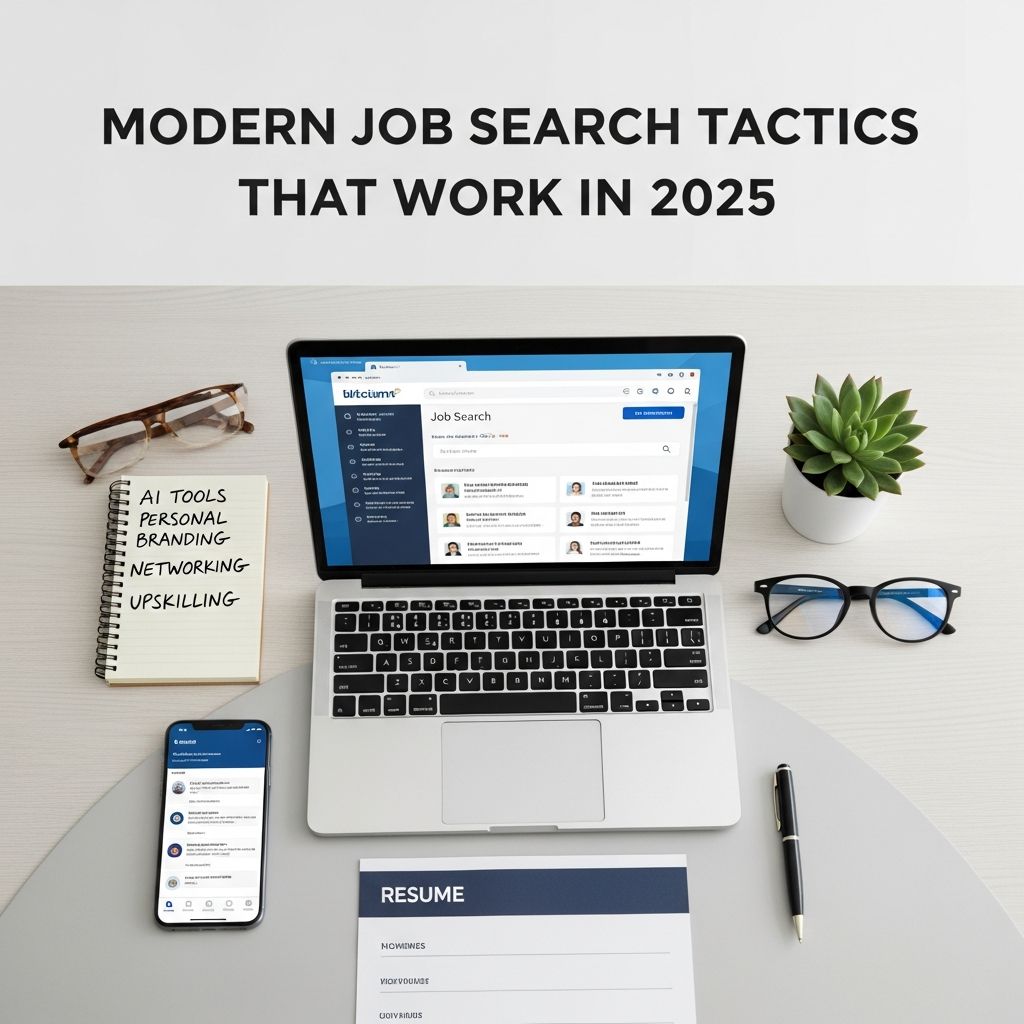
Why Old Job Search Habits No Longer Work
For years, the standard job search formula was simple: polish your resume, apply to dozens of postings, and hope for an interview. Today, that approach is outdated. The job market has evolved, and so must your tactics. Employers receive hundreds of applications for a single role, many of which are filtered by automated systems before a human ever sees them. At the same time, hiring managers increasingly value referrals, cultural fit, and demonstrated interest over generic applications.
Success now depends less on volume and more on strategy. A scattergun approach—sending the same resume to every job—rarely leads to meaningful interviews. Instead, job seekers who land roles quickly tend to have a clear plan, a strong professional presence, and a network that actively supports their search. The goal isn’t just to apply; it’s to be noticed, remembered, and recommended.
Start with Clarity, Not Applications
Before you send a single application, invest time in defining what you’re actually looking for. This isn’t about vague goals like “a good job in tech” or “something stable.” It’s about specificity: industry, role type, company size, location (onsite, hybrid, remote), and even work culture.
Ask yourself:
- What kind of problems do I enjoy solving?
- Which industries align with my values and interests?
- Do I prefer structured environments or fast-paced startups?
- What level of responsibility am I ready for right now?
Writing down clear answers creates a filter for opportunities. When a job posting appears, you can quickly assess whether it matches your criteria instead of reacting emotionally to titles or salaries. This clarity also makes it easier to explain your goals to others, which is crucial when networking.
Build a Professional Identity, Not Just a Resume
Your resume is important, but it’s no longer the only document that matters. Employers routinely check LinkedIn, personal websites, and even social media before deciding to interview someone. That means your professional identity spans multiple platforms and needs to be consistent and intentional.
Optimize Your LinkedIn Profile
LinkedIn is still the most widely used professional network, and a strong profile can open doors. Focus on these elements:
- Headline: Use more than just your job title. Include value, such as “Helping SaaS companies improve user retention through data-driven product decisions.”
- Summary: Write in the first person, highlight key achievements, and explain what kind of role you’re seeking.
- Experience: Emphasize outcomes, not just responsibilities. Use numbers where possible (e.g., “Increased conversion rate by 22% over six months”).
- Skills and endorsements: Prioritize skills relevant to your target roles and ask former colleagues to endorse them.
- Photo and background: Use a professional headshot and a clean background image that reflects your industry.
Consider a Personal Website or Portfolio
If you’re in a creative, technical, or project-based field, a simple personal website can be a powerful differentiator. It doesn’t need to be complex—just a clean layout with sections like:
- About Me (your story and goals)
- Experience (with links to projects or case studies)
- Resume (downloadable PDF)
- Contact information
Even if you’re not in a creative role, a website signals initiative and digital literacy, which many employers now expect.
Use Technology Wisely, Not Passively
Job boards and applicant tracking systems (ATS) are still part of the process, but they should be tools in your strategy, not the entire strategy. Relying solely on job boards often means competing with hundreds of other applicants who are doing the same thing.
Search Smarter, Not Harder
Instead of browsing endless listings, use targeted searches:
- Filter by company size, location, and job type.
- Use Boolean search techniques (e.g., “marketing manager” AND “remote” NOT “agency”) on platforms like LinkedIn and Indeed.
- Set up job alerts with specific keywords related to your ideal role.
When you find a promising role, don’t just apply and move on. Research the company, identify the hiring manager or team, and look for mutual connections. This information will help you tailor your application and follow up more effectively.
Work With, Not Against, ATS
Many companies use software to screen resumes before they reach a human. To increase your chances of passing this filter:
- Use keywords from the job description (skills, tools, certifications).
- Stick to a clean, simple format without complex graphics or columns.
- Include a clear job title and summary at the top.
- Save your resume as a PDF unless the system specifically asks for Word.
Remember: ATS is designed to find relevant candidates, not to trick you. Writing a clear, honest resume that matches the role is the best way to succeed.
Network with Purpose, Not Pressure
Networking is consistently ranked as one of the most effective ways to find a job, yet many people avoid it because it feels awkward or transactional. The key is to shift your mindset: networking isn’t about asking for a job; it’s about building relationships and learning.
Start with Your Existing Circle
Begin by reconnecting with people you already know:
- Former colleagues, managers, and classmates
- Friends and family who work in industries of interest
- Alumni from your school or training programs
Reach out with a simple, friendly message: “I’m exploring new opportunities in [industry/role] and would love to hear about your experience. Would you be open to a short chat?” Most people are happy to help if the request is respectful and specific.
Attend Events with a Plan
Whether in person or virtual, industry events, meetups, and conferences are great places to meet professionals. To make the most of them:
- Set a goal (e.g., “Talk to three people in my target field”).
- Prepare a short introduction that explains who you are and what you’re looking for.
- Ask thoughtful questions about their work, challenges, and industry trends.
- Follow up with a brief message after the event to stay in touch.
Over time, these interactions build a network that can alert you to unadvertised roles, refer you internally, or provide valuable advice.
Apply Strategically, Not Randomly
Applying to 100 jobs with the same resume is less effective than applying to 20 with tailored materials. A strategic approach increases your chances of getting noticed and invited to interview.
Choose Quality Over Quantity
Focus on roles that genuinely match your skills, experience, and goals. For each application:
- Read the job description carefully.
- Identify the top 3–5 requirements and think of examples from your background that demonstrate them.
- Adjust your resume and cover letter to highlight those points.
This doesn’t mean rewriting everything from scratch every time. Keep a master resume and a few cover letter templates, then customize them for each role.
Write Cover Letters That Add Value
A strong cover letter doesn’t just repeat your resume; it tells a story. It explains:
- Why you’re interested in this specific company and role.
- How your background makes you a strong fit.
- What you can contribute to their team or goals.
Even if the job posting doesn’t require a cover letter, including one (or a short note in the application) can set you apart, especially for competitive roles.
Prepare for Interviews Like a Pro
Getting an interview is a major step, but it’s not the finish line. Preparation turns a good candidate into a memorable one.
Research the Company Deeply
Go beyond the homepage. Look at:
- Recent news, press releases, and product launches.
- Company values, mission, and culture (often found in “About Us” or careers pages).
- Interviews with leadership or team members on podcasts or blogs.
Use this information to tailor your answers and ask insightful questions during the interview.
Practice Behavioral and Technical Questions
Most interviews include both types of questions:
- Behavioral: “Tell me about a time you handled a difficult situation at work.” Use the STAR method (Situation, Task, Action, Result) to structure your answers.
- Technical: Role-specific questions (e.g., coding challenges, case studies, or scenario-based problems). Practice with real examples from your experience.
Practice out loud, either alone or with a friend. Recording yourself can help you notice habits like speaking too quickly or using filler words.
Ask Questions That Show Interest
Interviewers expect you to ask questions. Good ones include:
- “What does success look like in this role in the first 6–12 months?”
- “How does this team collaborate with other departments?”
- “What are the biggest challenges the team is facing right now?”
- “How does the company support professional development?”
These questions show that you’re thinking about impact, teamwork, and growth—not just the job title.
Follow Up Without Being Pushy
Following up is a simple but often overlooked step. A polite, professional follow-up can keep you top of mind and demonstrate genuine interest.
- After applying: If you haven’t heard back in 7–10 days, send a brief email to the hiring manager or recruiter, reiterating your interest and asking about the status.
- After an interview: Send a thank-you email within 24 hours. Mention something specific from the conversation and restate why you’re excited about the role.
- After a rejection: Thank them for their time and ask if they’d be open to staying in touch for future opportunities.
These messages don’t guarantee an offer, but they build a positive impression that can pay off later.
Track Your Progress and Adjust
A job search can feel overwhelming if you’re not tracking what you’re doing and what’s working. A simple system helps you stay organized and make data-driven decisions.
Create a Job Search Tracker
A spreadsheet or simple document can include columns like:
| Date | Company | Role | Application Status | Follow-Up Date | Notes |
|---|---|---|---|---|---|
| 2025-01-15 | TechCorp Inc. | Product Manager | Applied | 2025-01-22 | Spoke with Sarah in HR; waiting for interview |
| 2025-01-18 | NextGen Solutions | Marketing Lead | Interview Scheduled | 2025-01-25 | Interview with hiring manager on Jan 20 |
This tracker helps you avoid duplicate applications, remember key details, and identify patterns (e.g., which types of roles get more responses).
Review and Refine Regularly
Every few weeks, step back and ask:
- Which strategies are generating the most interest?
- Are there gaps in my materials or skills?
- Do I need to adjust my target roles or industries?
Job searching is iterative. What works for one person or at one stage may need to change as the market or your goals evolve.
Take Care of Yourself During the Process
Job searching can be emotionally taxing, especially if it takes longer than expected. Rejections, silence, and uncertainty are normal parts of the process, not reflections of your worth.
- Set realistic expectations: Finding the right role often takes weeks or months.
- Maintain a routine: Treat the job search like a part-time job with defined hours.
- Stay active: Exercise, hobbies, and social connections help reduce stress.
- Seek support: Talk to mentors, career coaches, or trusted friends when you feel stuck.
Resilience isn’t about never feeling discouraged; it’s about continuing to take small, consistent steps even when progress feels slow.
Frequently Asked Questions
How many jobs should I apply to each week?
There’s no universal number, but quality matters more than quantity. Aim for 5–10 well-researched, tailored applications per week rather than dozens of generic ones. Focus on roles that truly match your skills and goals.
Is networking really that important?
Yes. Studies consistently show that a large percentage of jobs are filled through referrals and internal networks rather than public postings. Networking doesn’t guarantee a job, but it significantly increases your visibility and chances of being considered.
Should I apply if I don’t meet all the job requirements?
Often, yes. Job descriptions frequently list ideal qualifications, not strict requirements. If you meet about 60–70% of the key skills and can demonstrate relevant experience, it’s usually worth applying, especially if you can explain how your background translates to the role.
How long should my resume be?
For most professionals, one page is ideal, especially early in your career. More experienced candidates may use two pages if they have substantial, relevant experience. The key is clarity and relevance, not length.
What if I keep getting rejected or no responses?
If you’re not getting interviews, review your materials and approach. Ask for feedback from trusted contacts, consider a career coach, and test small changes (e.g., different resume formats, stronger LinkedIn headlines). Sometimes, a small adjustment can make a big difference.
References
- Job Search Strategies for 2025 — Workforce Essentials. 2025. https://workforceessentials.com/job-search-strategies-for-2025/
- 14 Effective Job Search Strategies To Try Implementing — Indeed Career Guide. 2025. https://www.indeed.com/career-advice/finding-a-job/job-search-strategies
- Job Search Secrets: What’s the Best Strategy to Find Jobs? — Tufts University Alumni & Friends. 2025. https://alumniandfriends.tufts.edu/news/job-search-secrets-whats-best-strategy-find-jobs

- Integrated M.A. in Applied Linguistics, University of Hyderabad
- 5+ years in editorial, instructional, SEO, and research-based writing
Sneha is a relationships and lifestyle writer with a strong foundation in applied linguistics and certified training in relationship coaching. She brings over five years of writing experience to theskillvault, crafting thoughtful, research-driven content that empowers readers to build healthier relationships, boost emotional well-being, and embrace holistic living. Her writing and insights reflect the belief that beauty, happiness, and wellness…