
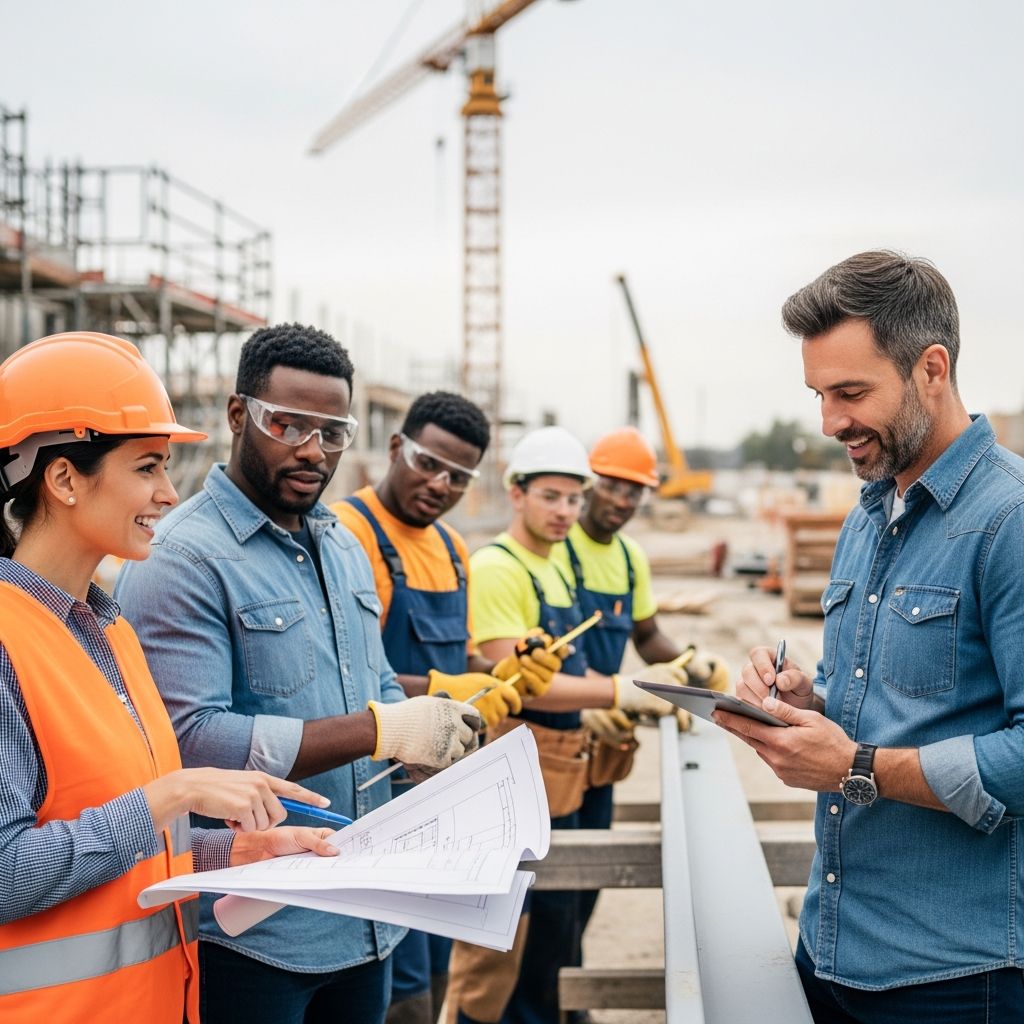
In the demanding world of construction, technical expertise alone does not guarantee project completion or career advancement. Interpersonal abilities, known as soft skills, play a pivotal role in ensuring smooth operations, enhanced safety, and team cohesion. These qualities enable workers to navigate complex sites, collaborate effectively, and respond to unforeseen challenges, ultimately leading to higher productivity and job satisfaction.
Why Soft Skills Matter in Construction Projects
Construction environments are inherently unpredictable, involving diverse teams, tight deadlines, and evolving conditions like weather or supply issues. Soft skills bridge gaps between technical tasks and human interactions, reducing errors that could cost time and money. For instance, clear exchanges prevent misinterpretations that lead to rework, while collaborative efforts foster innovation. Industry experts emphasize that these skills contribute to safer workplaces by promoting vigilance and quick reporting of hazards. Moreover, as projects grow in scale, professionals with strong soft skills often rise to supervisory roles, influencing overall success.
Mastering Communication on the Job Site
Effective dialogue forms the backbone of construction work, where miscommunication can result in accidents or delays. This skill involves articulating instructions precisely, whether briefing a crew on safety protocols or updating clients on progress. Active listening is equally crucial, allowing workers to grasp feedback from supervisors or concerns from subcontractors.
- Practice concise verbal updates during daily huddles to align teams.
- Use visual aids like diagrams for complex explanations to minimize misunderstandings.
- Confirm receipt of information by paraphrasing back to the speaker.
Strong communicators adapt their style to audiences, from technical jargon with engineers to straightforward language with laborers, ensuring everyone contributes optimally.
Building Strong Teamwork Dynamics
No construction project succeeds in isolation; teamwork integrates varied expertise toward shared objectives. Reliable team players recognize individual strengths, delegate accordingly, and support colleagues during peak demands. This fosters trust, accelerates task completion, and enhances morale.
To cultivate teamwork:
- Participate in group debriefs to celebrate wins and address friction points.
- Offer assistance proactively, such as helping with heavy lifts during rushes.
- Promote inclusivity by valuing input from all roles, from apprentices to foremen.
Teams with solid collaboration report fewer conflicts and higher retention rates, proving its value in long-term ventures.
Sharpening Problem-Solving Abilities
Challenges arise daily in construction, from material shortages to design flaws. Adept problem-solvers assess situations rapidly, weigh options, and execute fixes without halting progress. This requires analytical thinking paired with creativity, often under pressure.
| Challenge Type | Problem-Solving Approach | Expected Outcome |
|---|---|---|
| Equipment Failure | Diagnose issue, source alternatives, reroute workflow | Minimal downtime |
| Weather Delays | Reschedule tasks, protect materials, communicate shifts | Timeline recovery |
| Scope Changes | Evaluate impacts, negotiate adjustments, update plans | Cost control |
Training through simulations builds this competency, preparing workers for real scenarios.
Cultivating Leadership at Every Level
Leadership transcends titles; every worker can inspire by modeling accountability and initiative. Leaders motivate peers, enforce standards, and drive improvements, even as laborers or tradespeople. This skill amplifies project efficiency and sets examples for safety adherence.
- Demonstrate punctuality and quality work to influence team standards.
- Mentor newcomers by sharing practical tips.
- Step up during absences to maintain momentum.
In dynamic sites, such leadership prevents bottlenecks and boosts collective performance.
Embracing Adaptability and Flexibility
Construction demands resilience amid constant flux, such as regulatory updates or site alterations. Adaptable individuals pivot seamlessly, learning new tools or methods to sustain productivity. This mindset turns obstacles into opportunities for efficiency gains.
Strategies to enhance adaptability include:
- Staying informed on industry innovations via workshops.
- Practicing scenario planning for common disruptions.
- Maintaining composure through stress-reduction techniques.
Flexible workers excel in prolonged projects, contributing to on-time deliveries.
Time Management and Organization Essentials
Efficiently prioritizing tasks ensures deadlines are met without burnout. Organized professionals track progress, allocate resources wisely, and anticipate needs, preventing cascading delays. Tools like digital schedulers aid this process.
- Break projects into daily milestones for steady advancement.
- Review schedules weekly to adjust for variances.
- Prioritize safety checks before non-urgent tasks.
Mastery here builds reliability, a key to promotions.
Attention to Detail and Work Ethic
Precision catches flaws early, averting costly fixes, while a robust work ethic sustains effort through rigors. Detail-oriented workers verify measurements twice, upholding quality.
Dedicated attitudes yield consistent outputs, earning respect and opportunities.
Strategies for Developing Soft Skills
Growth begins with self-assessment: identify weaknesses via feedback. Pursue training, observe mentors, and apply skills daily. Peer accountability groups accelerate progress.
Employers can support through team exercises and recognition programs, embedding these skills culturally.
Impact on Career Progression and Safety
Proficient soft skills correlate with faster advancements, as they signal readiness for responsibility. They also heighten safety by encouraging hazard communication and mutual vigilance. Projects with skilled teams complete 20-30% faster, per industry observations.
FAQs
What are the most critical soft skills for entry-level construction workers?
Communication, teamwork, and adaptability top the list, enabling quick integration and error reduction.
How can I improve my problem-solving on construction sites?
Engage in role-playing exercises and review past incidents to refine approaches.
Do soft skills affect safety records?
Yes, strong communication and leadership directly lower accident rates by promoting awareness.
Are soft skills teachable in construction training programs?
Absolutely; workshops and on-site mentoring effectively build them.
Why is adaptability increasingly important in construction?
Rapid tech changes and regulations demand quick learners to stay competitive.
References
- Soft Skills for a Construction Worker — Indeed.com. 2023-05-15. https://www.indeed.com/career-advice/career-development/soft-skills-construction-worker
- 6 Soft Skills All Construction Workers Need to Master — ConExpo-Con/Agg. 2023-08-22. https://www.conexpoconagg.com/news/6-soft-skills-all-construction-workers-need-to-mas
- The role of soft skills in construction — Cavendish Professionals. 2024-01-10. https://www.cavendishprofessionals.com/improve-your-soft-skills-in-construction/
- Top 10 Soft Skills for Construction Workers — PeopleReady Skilled. 2023-11-07. https://skilled.peopleready.com/worker-resources/insights-top-10-soft-skills-for-construction-workers/
- Top seven soft skills all construction, engineering and surveying graduates need — TargetJobs. 2024-03-19. https://targetjobs.co.uk/careers-advice/construction-and-property/top-seven-soft-skills-all-construction-engineering-and-surveying-graduates-need
- Top Soft Skills That Lead to Success in the Construction Industry — CIC Construction. 2024-06-12. https://cicconstruction.com/blog/the-top-soft-skills-that-lead-to-success-in-the-construction-industry/

Medha Deb is an editor with a master's degree in Applied Linguistics from the University of Hyderabad. She believes that her qualification has helped her develop a deep understanding of language and its application in various contexts. Medha specializes in the areas of beauty, health, sports, and wellness and is committed to ensuring that the content on the website is…