
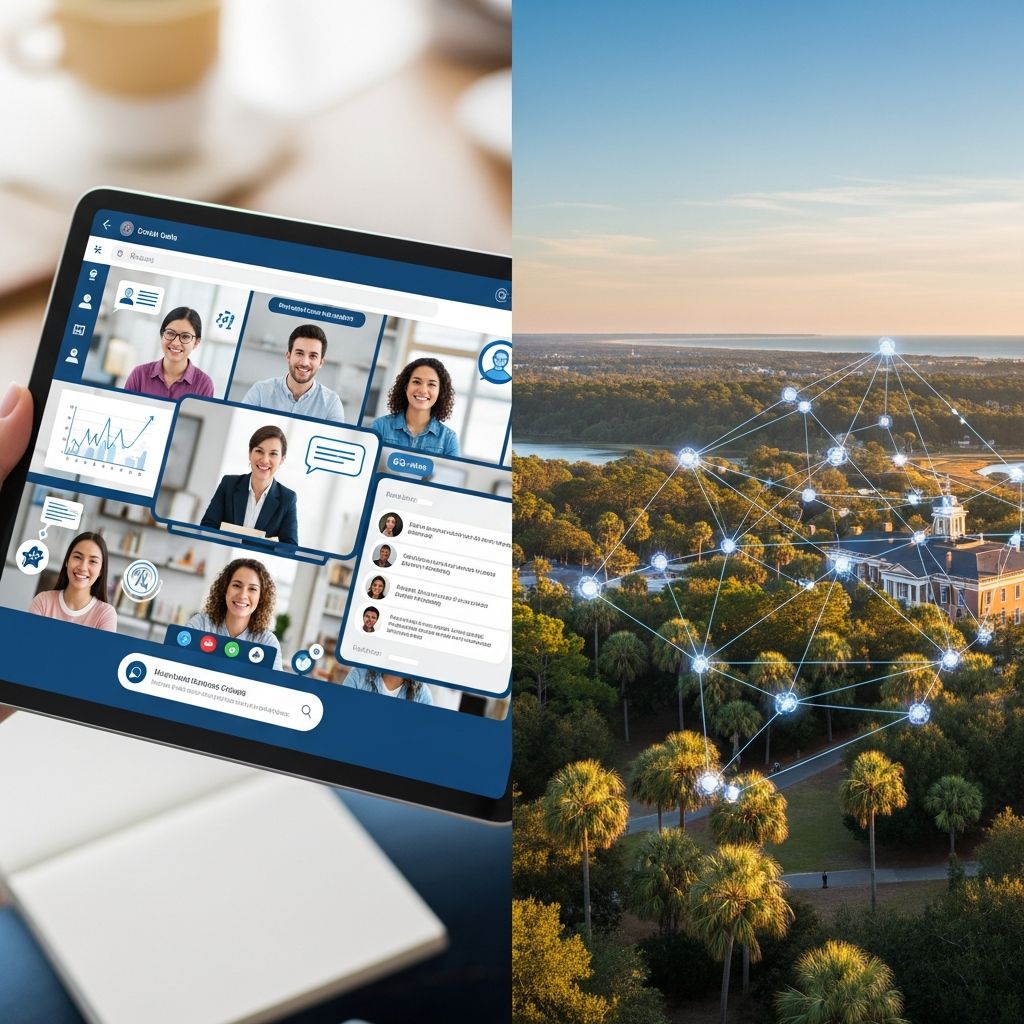
The landscape of K-12 education in South Carolina has evolved significantly over the past decade, with virtual and online learning becoming increasingly accessible to families seeking alternatives to traditional classroom instruction. Whether motivated by scheduling flexibility, specialized academic needs, athletic commitments, or other considerations, South Carolina students and families now have numerous legitimate options for pursuing quality education through digital platforms. Understanding these opportunities requires examining the different types of programs available, their structures, eligibility requirements, and how they serve diverse student populations throughout the state.
Understanding South Carolina’s Virtual Education Ecosystem
South Carolina’s virtual education landscape encompasses several distinct categories of programs, each operating under different regulatory frameworks and serving particular student needs. The state has developed a comprehensive system that includes fully online public charter schools operating across grade levels, state-sponsored supplemental programs, and specialized virtual academies designed for students with unique circumstances. These programs have expanded considerably, providing families with genuine alternatives that maintain academic rigor while offering greater flexibility than traditional brick-and-mortar institutions.
The South Carolina Department of Education oversees virtual education initiatives through the Office of Virtual Education, which develops and delivers standards-based, student-centered online and technology-based learning solutions. This oversight ensures that virtual programs meet state educational standards and maintain accountability measures comparable to traditional schools.
Full-Time Online Charter Schools and Public Virtual Programs
Several tuition-free, full-time online public schools serve South Carolina students across different grade spans. These institutions operate as public charter schools or state-approved programs, meaning families pay no tuition while their students receive education delivered entirely through digital platforms.
Multi-Grade Virtual Schools: Multiple South Carolina virtual schools serve students from elementary through high school grades. These comprehensive programs employ South Carolina-certified teachers who deliver instruction through online platforms, offering personalized learning plans tailored to individual student needs. Students benefit from dedicated school support systems designed specifically for virtual learners, including counselors, academic advisors, and special services coordinators.
Middle and High School Focused Programs: Some virtual schools specialize in serving middle and high school students exclusively, recognizing that older students may have distinct needs regarding academic rigor, course selection, and preparation for post-secondary pathways. These programs often emphasize college readiness, offering opportunities for students to earn dual enrollment credits while still in high school, thereby accelerating their path toward degree completion.
Alternative Education Options: Certain virtual schools specifically target students who may benefit from alternative education structures, including those recovering from academic setbacks, facing challenges in traditional school environments, or seeking accelerated pathways to graduation. These programs combine academic support with individualized attention, helping students overcome obstacles and achieve their educational goals.
Specialized Virtual Academy Models
Beyond comprehensive full-time programs, South Carolina offers virtual academies designed to serve students with particular needs or circumstances.
Student-Athletes and NCAA-Approved Coursework
Virtual schools in South Carolina now offer NCAA-approved, credit-bearing high school courses designed specifically for student-athletes. These programs recognize that competitive athletes often face scheduling constraints that make traditional brick-and-mortar attendance challenging. The flexible online format allows students to maintain their training and competition schedules while meeting academic requirements for college sports eligibility. Certified teachers provide instruction and support tailored to the needs of student-athletes, ensuring they can balance their athletic commitments with rigorous academic coursework.
Advanced and Gifted Student Programs
Virtual platforms enable South Carolina to serve advanced learners through specialized pathways that allow students to progress at accelerated rates. Gifted and talented students can take advantage of online flexibility to engage with challenging curricula while potentially graduating early or completing college-level coursework during high school. These programs provide intellectually stimulating content for high-achieving students who may find traditional grade-level pacing insufficient for their learning needs.
Credit Recovery and Make-Up Programs
Virtual schools offer credit recovery options for students who need to retake courses or make up missed credits. Rather than delaying graduation or requiring students to attend summer school in person, virtual credit recovery programs allow students to work at their own pace to complete requirements and stay on track for timely graduation.
State-Sponsored Supplemental Online Courses
Beyond full-time virtual schools, South Carolina provides free state-sponsored online coursework through programs designed to supplement students’ existing educational arrangements. These programs serve students attending public schools, private schools, or homeschooling situations in grades 6-12.
VirtualSC Program: VirtualSC offers rigorous online courses aligned to state standards, developed and taught by highly qualified, South Carolina-licensed teachers. Rather than replacing a student’s primary educational program, VirtualSC provides supplemental course options that students can pursue while remaining enrolled in their home school. This model allows students to access specific courses they might not otherwise have available, such as specialized electives, advanced academics, or unique subject areas. VirtualSC has earned secondary accreditation from the AccredVED Program Review Team, confirming compliance with all 14 National Standards for Quality Online Programs, reinforcing the program’s commitment to educational excellence.
Enrollment Considerations and Program Capacity
As virtual education has gained popularity in South Carolina, several programs have reached or approached capacity limits. Prospective families should be aware of enrollment status when considering their options.
- Some full-time virtual charter schools are nearing capacity, though seats may still be available for certain grades
- Waitlists have become common during popular enrollment periods, particularly for established programs with strong reputations
- Early submission of enrollment documents is recommended to secure placement and avoid potential delays
- Different grades and programs may have varying availability, so families should inquire about specific grade levels of interest
Virtual Learning Program Features and Support Structures
South Carolina’s virtual schools typically provide comprehensive support systems designed to address the unique needs of online learners. These features distinguish quality virtual programs from disconnected distance learning experiences.
Personalized Learning Plans
Rather than implementing one-size-fits-all instruction, effective virtual programs develop individualized learning plans for each student. Teachers and support staff assess each student’s strengths, challenges, learning style, and goals, then structure their online experience accordingly. This personalization extends beyond academic content to include pacing, instructional methods, and supplemental support services.
Teacher-Student Interaction
Quality virtual programs maintain consistent communication between teachers and students, ensuring that the online format does not diminish personal connection or academic support. Teachers in effective programs are accessible for questions, provide timely feedback on assignments, and maintain the same commitment to student success that exists in traditional classrooms. Many programs specifically highlight that teachers are responsive, accommodating, and genuinely invested in student achievement.
Flexible Scheduling
A primary advantage of virtual education is scheduling flexibility that accommodates diverse student circumstances. Whether students have work commitments, athletic pursuits, medical needs, or other time demands, online learning allows them to engage with coursework during hours that work for their situations. Asynchronous (self-paced, independent) components allow students to complete work on their schedule, while synchronous (live, real-time) elements maintain community and direct instruction when beneficial.
Special Services and Support
Virtual programs serving South Carolina students provide accommodations for those with Individualized Education Plans (IEPs) and English Language Learner (ELL) services. While the virtual format presents different implementation considerations than traditional classrooms, quality programs ensure that students entitled to special education services or language support receive appropriate interventions and accommodations within the online environment.
Academic Rigor and College Preparation
A common misconception holds that online education sacrifices academic rigor for convenience. South Carolina’s established virtual schools actively counter this perception through evidence-based performance and college preparation pathways.
Performance Metrics: Virtual schools in South Carolina demonstrate competitive academic performance compared to traditional schools on state assessments and school report cards. Top-performing virtual schools have earned recognition for outperforming peers on standardized measures, indicating that online instruction can deliver academic results.
Dual Enrollment Opportunities: Many virtual programs include pathways for high school students to earn college credits simultaneously. Students can accelerate their academic progress, reduce future college expenses through prior credit completion, and explore collegiate-level coursework while still in high school.
College-Ready Curriculum: Virtual schools structure their curricula with explicit attention to college and career readiness standards. Courses are designed not merely to satisfy high school graduation requirements but to prepare students for success in post-secondary education and careers.
Extracurricular Engagement and Community Building
Virtual education need not isolate students from peer interaction and extracurricular involvement. South Carolina’s virtual schools increasingly incorporate mechanisms for community building and enrichment beyond academics.
Virtual Clubs and Organizations: Online schools offer clubs organized around shared interests, from academic subjects to hobbies and social causes. These clubs provide opportunities for virtual students to meet peers with similar interests and build friendships within their online school community.
Athletic Participation: Students enrolled in virtual schools often maintain the option to participate in sports through their local brick-and-mortar school district, allowing them to engage in athletic competition and physical activity while pursuing their education virtually. This model works particularly well for students seeking the scheduling flexibility of online learning while remaining involved in school athletics.
Competitive Opportunities: Some virtual school networks facilitate K12 competitions and other academic contests that provide challenge and recognition beyond the standard curriculum.
Choosing the Right Virtual Program for Your Student
With multiple virtual education options available throughout South Carolina, families benefit from thoughtful consideration of their student’s needs, goals, and circumstances when selecting a program.
Assess Student Readiness: Virtual education requires significant self-direction and motivation. Consider whether your student possesses the organizational skills, discipline, and intrinsic motivation necessary for success in self-paced learning environments. Some students thrive with the autonomy virtual education provides, while others benefit from the structure and external accountability of traditional classrooms.
Evaluate Program Philosophy and Features: Different virtual schools emphasize different pedagogical approaches, support structures, and specialized services. Review what each program offers regarding teacher accessibility, personalized learning plans, special services, and extracurricular opportunities.
Consider Specific Needs and Goals: If your student is a competitive athlete, prioritize programs with athletic-friendly scheduling and NCAA-approved coursework. If your student requires credit recovery or acceleration, seek programs explicitly offering these pathways. If your student has special education needs, verify that the program can appropriately support them.
Review Enrollment Status and Timeline: Given that some programs operate near capacity, inquire early about availability in your desired grades and complete enrollment processes promptly to secure placement.
Conclusion: Expanding Educational Opportunity in South Carolina
South Carolina’s virtual education landscape has matured into a diverse ecosystem offering legitimate, academically rigorous alternatives to traditional K-12 instruction. Whether students are seeking flexibility for athletic pursuits, acceleration for advanced learners, alternative structures for struggling students, or simply a different educational model that better matches their learning style, South Carolina families now have evidence-based options developed and managed by educators committed to student success. As virtual education continues to evolve, these programs demonstrate that quality online learning can effectively serve the varied needs of South Carolina’s student population.
References
- Cyber Academy of South Carolina — K12, Inc. 2026. https://casc.k12.com
- VirtualSC: Free Online Courses — South Carolina Department of Education. 2026. https://virtualsc.org
- South Carolina Virtual Charter School — SCVCS. 2026. https://scvcs.org
- Heron Virtual Academy of South Carolina — K12, Inc. 2026. https://hvasc.k12.com
- Odyssey Online Learning — Odyssey Online Learning. 2026. https://www.odysseyonline.com
- Virtual Education — South Carolina Department of Education. 2026. https://ed.sc.gov/about/ccmr/virtual-education/

Medha Deb is an editor with a master's degree in Applied Linguistics from the University of Hyderabad. She believes that her qualification has helped her develop a deep understanding of language and its application in various contexts. Medha specializes in the areas of beauty, health, sports, and wellness and is committed to ensuring that the content on the website is…